
A retired pilot, three weeks in Brazil and four very different places, from the jaguar of the Pantanal to the crystal-clear waters of Bonito and the green lushness of the Amazon
Martin A. is a retired pilot from Switzerland. After a career spent moving between big cities, with little time to stay anywhere, he wanted the opposite: time, silence, and nature.
The idea took shape in January 2026, on a visit to Rio de Janeiro, when Martin came across an exhibition about the Pantanal. Back in Zurich, the fascination stayed with him, and before long, he was planning a journey into the world’s largest tropical wetlands.
The Amazon joined the plan almost naturally. After hearing about it so much in the movies and from other people, Martin wanted to see for himself. He already knew São Paulo and Rio from earlier visits, but this would be the first trip into the Brazilian wild, far away from any city.


With PlanetaEXO’s support, Martin stayed about three weeks in Brazil: first the North Pantanal and the jaguar rivers of Porto Jofre, then the South Pantanal and Bonito, and finally the Amazon. This is his story. Check it out below!
North Pantanal: six jaguars in a single day
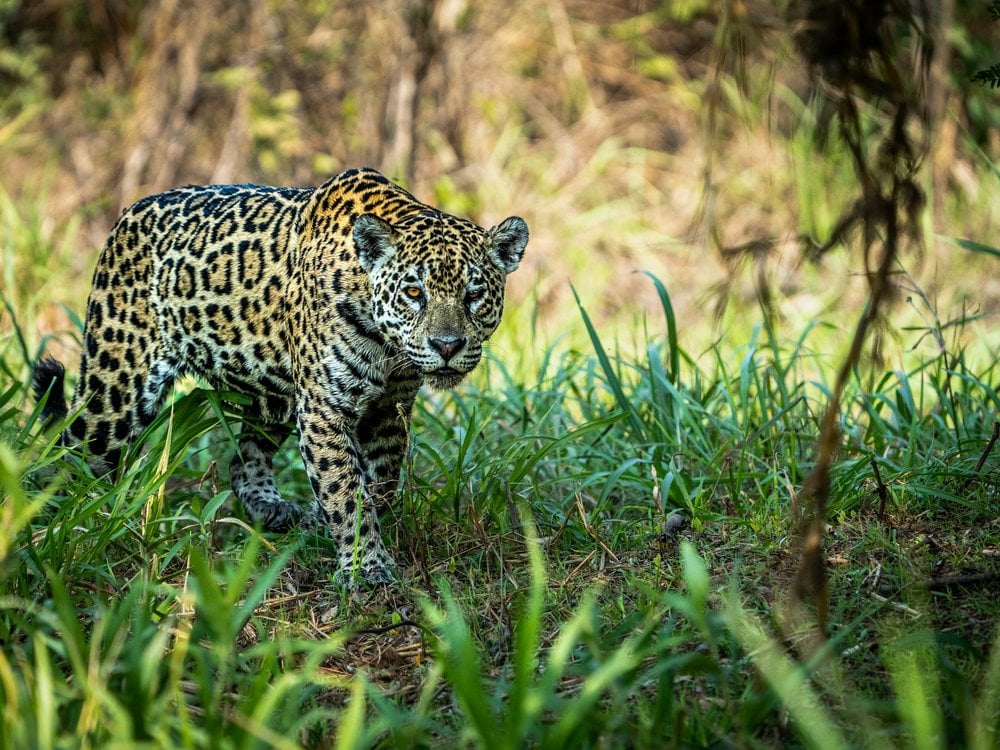
Mato Grosso’s North Pantanal was the first stop, and it set the bar for the whole trip. Martin traveled down to Porto Jofre, at the end of the Transpantaneira road, where the Cuiabá, Piquiri and Três Irmãos rivers cross Encontro das Águas State Park, the area considered the best place to see jaguars in the Pantanal.
During his stay, he managed to spot up to six jaguars in a single day, eventually counting more than 15 by the time he left. Traveling without heavy camera equipment or long lenses, he relied entirely on his iPhone and still went back home with good pictures. “When you’re that close and quiet, you can really enjoy the view. It's very impressive.”
What Martin remembers most is the silence. On some of the other boats, people would excitedly yell every time a cat appeared on the riverbank. He preferred to watch without a word. “It was very serene, quiet, and beautiful,” he said. Those wordless minutes on a small boat, facing a jaguar resting by the water, were exactly what he had come to Brazil for.
Martin also saw how important jaguars have become for the local economy. Once considered a threat to cattle ranching, these animals now attract wildlife enthusiasts from around the world, creating jobs for local guides and boat drivers while encouraging conservation.
👉 Read more: 10 Facts About Onçafari, Brazil’s Jaguar Conservation Project
A private boat on the rivers of Porto Jofre
Having a private boat made a real difference. “It was nice to have my own boat, not with a group.” With the guides’ help, who were friendly and adapted the itinerary to his interests, Martin could set his own pace and decide where to explore each day. After spotting so many jaguars, he wanted to venture into quieter channels, away from the other boats, and spend more time observing other wildlife.
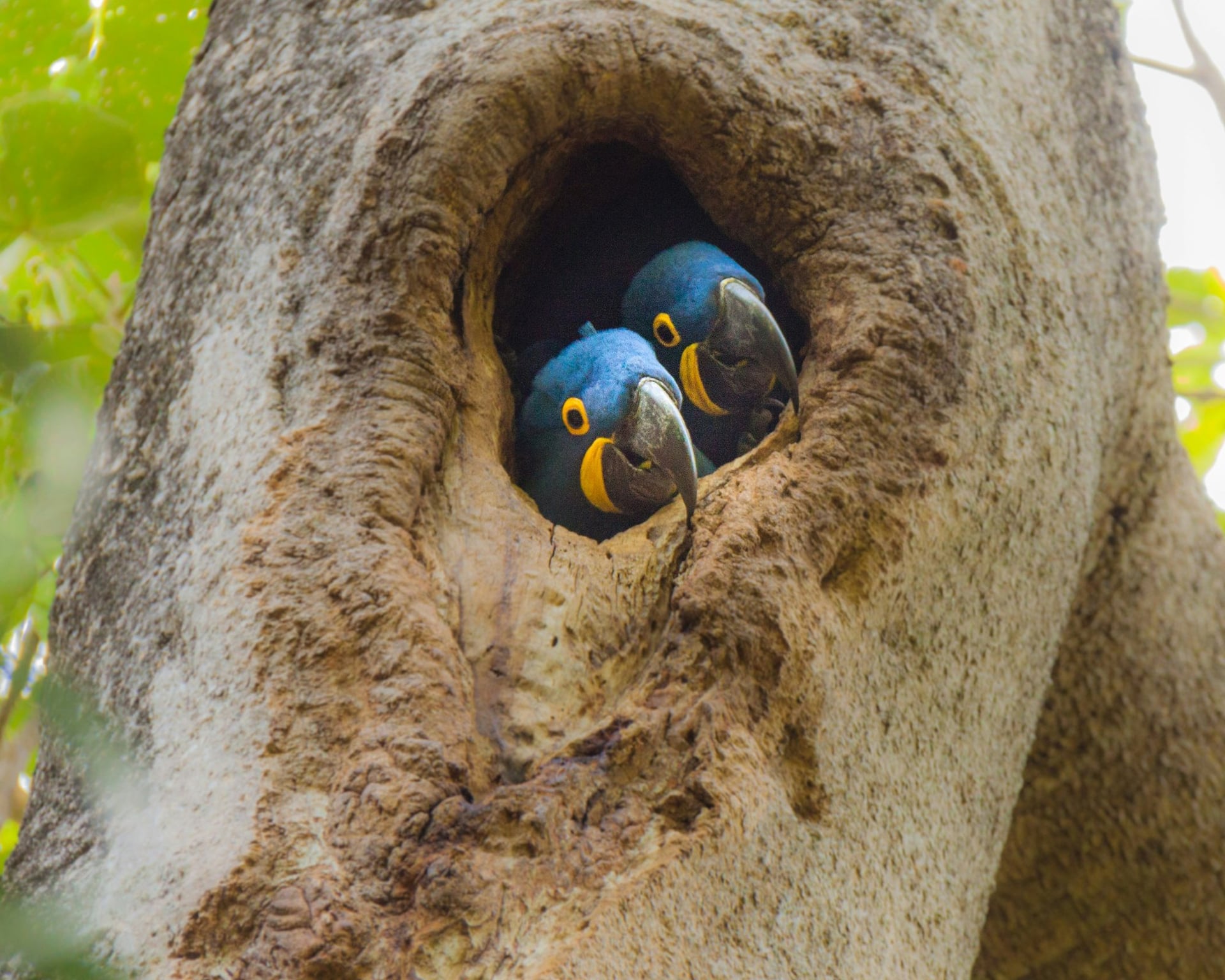
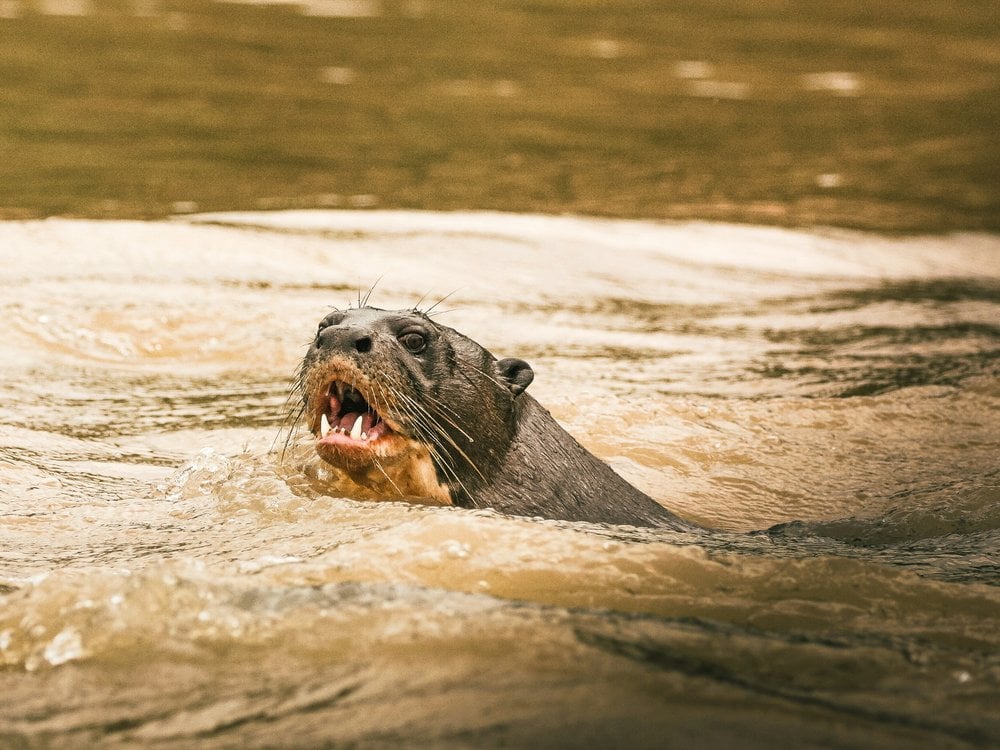
Beyond the jaguars, he spotted jabirus, the iconic black-and-white storks of the Pantanal, along the riverbanks, and hyacinth macaws, the world’s largest flying parrots, perched high in the trees. He was also eager to spot giant otters, another species high on his wildlife wishlist.
Accommodation in the North Pantanal was simple, something Martin had expected before arriving. However, with temperatures reaching 40°C, even a proper shower became a luxury. “The infrastructure is basic, but that’s what you pay for and that’s what you get,” he explained. Still, he felt the experience was worth it, as the incredible wildlife more than made up for it.


👉 Read more: 15 Amazing Pantanal Animals and Wildlife
South Pantanal: capybaras at the door and a slower pace
From Porto Jofre, Martin headed to the South Pantanal, in Mato Grosso do Sul, and the rhythm changed. Some evenings in the hotels brought the kind of moment he had come for: sitting outside the room while capybaras walked past, with deer moving around in the dark. “You’re immersed in nature.”
Out on the water, the experience was different. The program included a two-hour night boat tour and several boat outings in the same stretch of river. He thought the North Pantanal had more species, but he was still happy to see birds and caimans. The experience became better because of the other travelers that were with him. “It was nice to be on the boat and with the group and chat,” Martin said.
With activities like horseback riding, boat trips, and canoeing, Martin felt that the Southern Pantanal is a good choice for families, offering excellent options for both adults and children. For travelers whose main priority is spotting jaguars, the North Pantanal remains his top recommendation.
👉 Read more: North or South Pantanal: Which One Should you Visit?

Bonito: crystal-clear rivers, caves, and colorful macaws
After the South Pantanal, Martin continued to Bonito, a town that sits on the limestone plateau of the Serra da Bodoquena, in Mato Grosso do Sul. This is a destination famous for its crystal-clear rivers, impressive caves, and abundant wildlife. “Bonito was the nice part,” he recalled, particularly enjoying the variety of landscapes and activities.
Underground, he visited the Gruta do Lago Azul, the Blue Lake Cave, one of the best-known sights in the region. A long stone staircase leads down past hanging stalactites to a lake of deep blue water at the bottom of the cave.
While the water activities were great, Martin had a favorite stop: “The sinkhole with the parrots; that was very nice,” he said, mentioning Buraco das Araras, a sandstone crater about 100 meters deep, where pairs of red-and-green macaws nest in the cliffs and fly over the forest at the bottom.

👉 Explore the adventure: 5-Day Pantanal Bonito Tour in Brazil
Turtle Lodge: Immersed in the Amazon Rainforest
The last nature stop was the Amazon, which brought back the feeling of the North. Martin stayed at Turtle Lodge, on the Mamori River, about 3.5 hours from Manaus by boat and road. On the way, the boat crossed the Meeting of Waters, where the dark Rio Negro and the sandy Solimões flow side by side without mixing.
Martin was impressed with the lodge as soon as he arrived, highlighting the comfortable accommodations and the peaceful surroundings. That’s one of the reasons why the Amazon has become his second-favorite destination—the Northern Pantanal tops his list due to the density of wildlife.
The guide made the biggest difference. She was a Brazilian woman born in the region who spoke English and knew every bird by name. Martin enjoyed that she shared information even before anyone asked, as well as “her knowledge and love for the area, the animals, and the forest. She could really communicate with us,” he praised.
Martin’s group had about nine travelers, a size he found just right. The lodge was full, but the excursions never felt crowded, and the guide was very attentive. A small group, a good guide, and a strong focus on nature made the journey unforgettable.


👉 Read more: Best Amazon Jungle Lodges in Brazil
Night walks, pink dolphins, and a family visit
During the jungle walks, Martin discovered just how much wildlife can go unnoticed without an experienced professional. At night, the guide pointed out scorpions, snakes, and spiders that he would have walked right past. “Even if it’s a big spider in front of your nose, you don’t see it.” A Brazilian in the Swiss mountains would need the same help, Martin added. “When you have a good guide, then you have a good experience.”
On the river, the surprise was the pink river dolphin. “I didn’t know they existed,” Martin confessed. The “boto-cor-de-rosa,” as Brazilians call it, is the largest river dolphin in the world, usually spotted in most forest tours. He also added many new birds to the list and watched a big peacock bass, the most famous game fish of the Amazon, being pulled out of the river.
The community visit was another good surprise. The group had feared a staged show with feathers and dances but found true authenticity: a simple riverside home, where a mother and her two children showed what they grow and how they process it—the same ingredients served at the lodge.
👉 Read more: 10 fascinating facts about the Amazon pink river dolphin


Smoke, breakdowns, and sustainability through Swiss eyes
Like any adventure, Martin’s journey came with a few unexpected challenges, including transport breakdowns that were quickly resolved. More striking, however, was the impact of the wildfires. He experienced the smell of smoke and air quality alerts, which made him very aware of the dangers the Amazon rainforest faces.
Martin grew up in Switzerland, where separating waste and saving water are part of daily life, and is wary of easy eco labels. In the Amazon, the guides made sustainability a clear priority, showing which parts of the forest had been cut in the past and explaining how the lodge handles electricity, water, and recycling.
In Martin’s opinion, that is the deeper reason to make a trip like this. Seeing jaguars on the riverbanks and pink dolphins in a dark river, with smoke on the horizon, changes how you think about conservation. “When you see these things with your own eyes, you know what we are about to lose. You learn respect.”


👉 Read more: Ecotourism in the Amazon Rainforest: A Solution to Deforestation
Was Brazil safe? Martin’s answer and tips for this trip
Before the trip, many friends told Martin to be careful in Brazil, but in his experience, “safety was not a concern.” In the cities, he asked locals where to go and where not to and left jewelry and valuables at home—even his watch. “Next time, I will buy a plastic watch,” he laughed.
Martin also shared three travel tips for those venturing into the Brazilian wilderness.
Expect basic comfort
Lodges in the Pantanal and the Amazon are built for nature. “What you should point out is that it’s really basic,” Martin said. If you know that before you go, the simple rooms become part of the adventure, not a disappointment—especially when the wildlife outside the door is this rich.
Nothing is guaranteed
Martin saw six jaguars in one day, but no one can promise any sightings. “You have to respect nature and just let it happen,” he affirmed.
Plan enough days in the North Pantanal, stay quiet on the boat, and give the animals their space. Patience usually pays off, as it did for Martin on the rivers of Porto Jofre.
Think about the order and the guide
If you combine both sides of the Pantanal, Martin suggests starting in the South and Bonito and finishing in the North, so the wildlife builds up as you go.
He also recommends requesting an English-speaking guide and packing binoculars to get a better view of the animals!
👉 Read more: 10 Pantanal Travel Tips for an Unforgettable Trip
Next: Foz do Iguaçu, Florianópolis, and more of the wild
Asked to sum up the trip in three words, Martin needed a few more. “It’s an amazing immersion into nature,” he marveled. “The less you know before, the more amazing the experience will be, because you are in a different world, remote from the usual civilization.” For him, that distance from everyday life, comfort included, is the whole point of going.
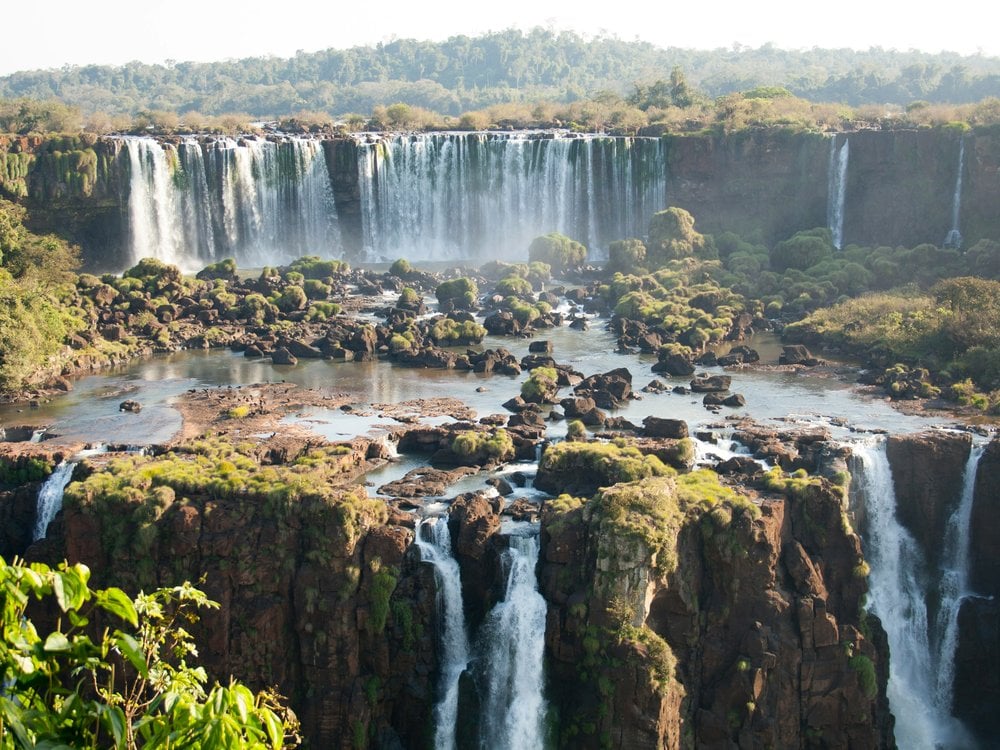
Martin already has plans to come back. His list included Iguazu Falls, Florianópolis, and more of the south of Brazil, as well as a return to the Amazon and the North Pantanal in different areas. For this next trip, he wants even smaller groups, an expert naturalist guide, and maybe a trek from one place to the next, deeper into the wild.
Martin's three-week journey in Brazil almost didn’t happen. He had contacted several companies, but most of them were already booked out. “PlanetaEXO was the only one to respond to my emails and to make the trip possible.”
👉 Read more: Pantanal or the Amazon: Which One Should you Choose?
Visiting the Pantanal, Bonito, and the Amazon with PlanetaEXO
Now that you have seen Brazil through Martin’s eyes, you know what this combination can give: jaguars on the rivers of Porto Jofre, capybaras outside your room in the South Pantanal, clear rivers and macaws in Bonito, and pink dolphins in the Amazon. It is a trip of contrasts, and his story shows how each destination brings something different to the table.
PlanetaEXO is an ecotourism platform specializing in Brazil adventure tours. Working alongside experienced local guides and operators, we handle the logistics so you can focus on nature. Contact us now!
Keep reading

July 27, 2026
How to Visit the Amazon Rainforest in Brazil – Travel Guide
Learn everything you need before enjoying your Amazon tour in Brazil, including when is the best time to visit, how to get there, what are the main activities and much more! Are you a nature lover and your ultimate dream to visit the Amazon Rainforest in Brazil so you can experience the fascinating wonders of […]

July 26, 2026
15 Facts About the Amazon Rainforest in Brazil
Vibrant and incredibly valuable for the planet, the Brazilian rainforest is a top destination for ecotourism. Here are our 15 facts about the Amazon! Beautiful, colossal, diverse, and always at the center of attention in international discussions about the environment, the Amazon Rainforest is, undoubtedly, one of the most fascinating places on the planet. That’s […]

July 24, 2026
When is the Best Time to Visit the Amazon Rainforest in Brazil
Not sure when is the best time to travel to the Amazon? This guide will teach you everything about the forest’s seasons and help you plan your next vacation! With two very well-defined seasons (wet and dry seasons), the best time to visit the Amazon Rainforest depends on what you’re looking for. This is an […]