
Seasons, activities, safety tips, and health precautions. See our recommendations for a fantastic Pantanal safari!
Traveling to any destination requires preparation, but some specifics are exclusive to the Pantanal due to its location, climate, activities, and overall attributes.
Following certain Pantanal travel tips is crucial for visitors safety and enjoyment, but they’re also important for the well-being of locals and the ecosystem.
As an ecotourism platform specializing in Pantanal tours that works with the best local operators, PlanetaEXO has created a guide to help you savor every single moment of your vacation. Check it out below!
1) Time your trip strictly by season and the Pantanal weather
The Pantanal is a primarily warm place, with temperatures up to 29°C (84°F), depending on the season (rainy, wet, intermediate, and dry).
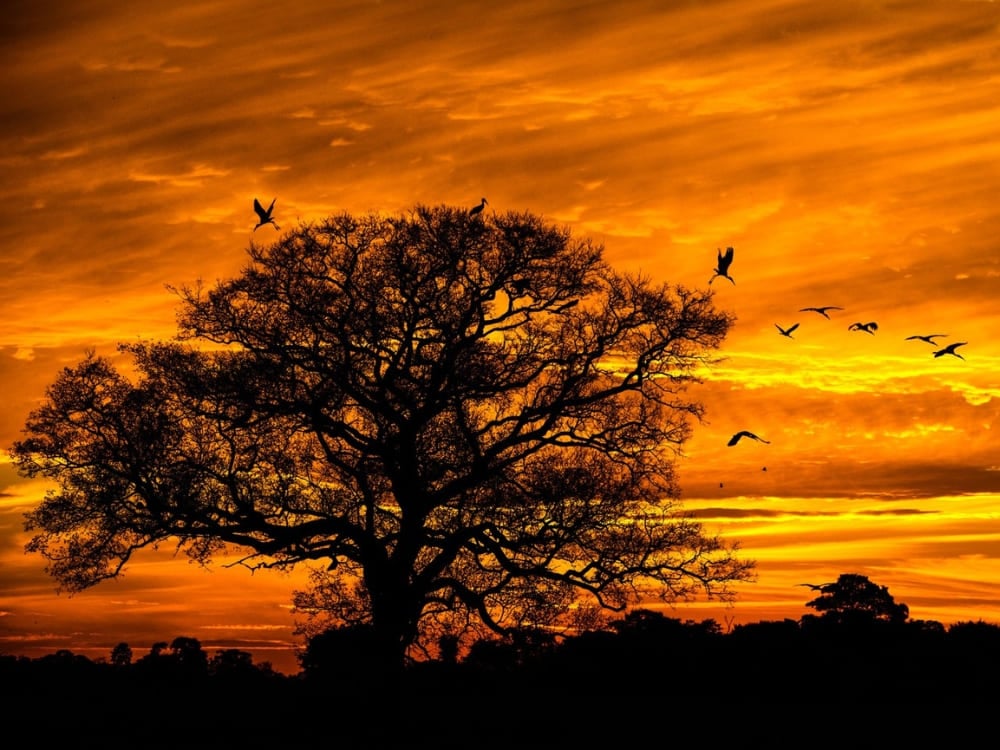
The biome is heavily influenced by climate. Higher or lower rainfall volumes cause drastic changes in the landscapes, altering the activity schedules for tourists. That’s why it’s so important to understand the Pantanal weather and seasons before booking your trip—so you know what to expect:
- Dry season (July to October): Animals congregate around shrinking water holes, and vegetation is sparse, making spotting jaguars, anteaters, and caimans much easier.
- Wet season (December to March): The landscape floods and becomes a lush green mirror. Beautiful for birdwatching and scenery, but many mammals disperse, mosquitoes are particularly abundant and agitated, and road access can be cut off.
👉 Read more: When is the best time to visit the Pantanal?
2) Choose the right region: North vs. South
The Pantanal is so massive it’s divided into two sides: North and South. By understanding what each region has to offer, you can plan your trip more effectively.
- North (via Cuiabá): Best for jaguars—the Transpantaneira Highway leads to Porto Jofre, where boat safaris offer the highest density of jaguar sightings in the world.
- South (via Campo Grande): Best for variety and culture—it offers a mix of wildlife (anteaters, macaws, ocelots) and stronger “Pantaneiro” traditions. It’s also easier to combine with a trip to Bonito (famous for river snorkeling).
👉 See our Pantanal jaguar tours
👉 Read more:
3) Pack smart to make the most of your safari
Surely one of the most valuable Pantanal travel tips, packing smart is fundamental in any trip. If you bring too much, your bags will be heavy and difficult to move around. If you bring too little, your experience might be tarnished by some very uncomfortable situations. Always aim for balance and mind your own preferences and needs.
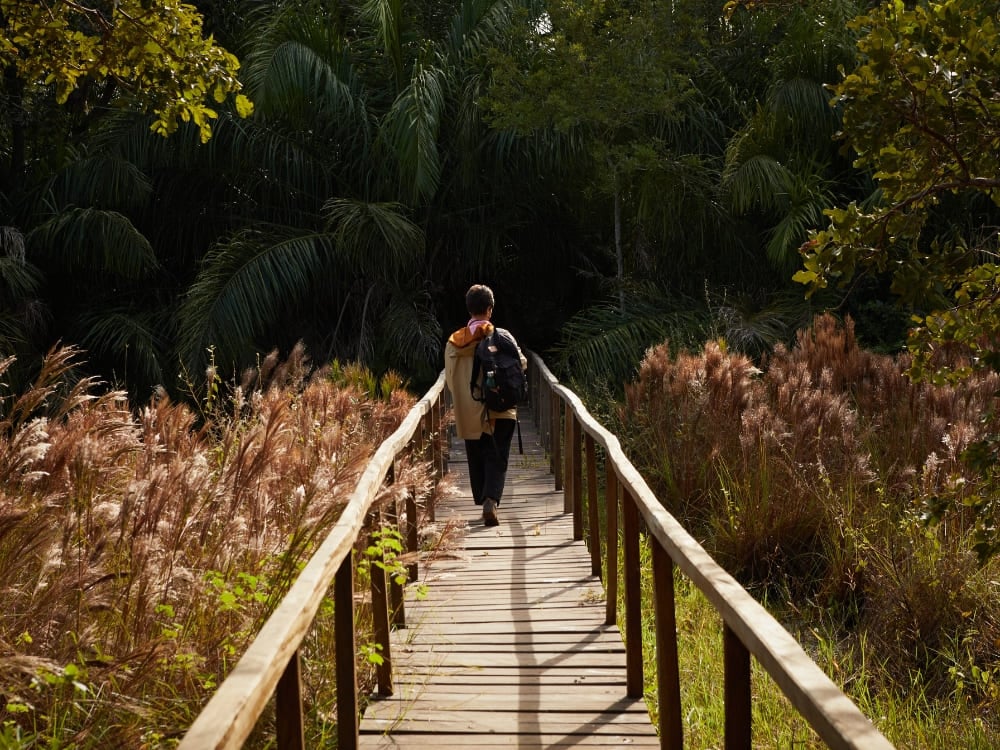
Not sure what to pack for the Pantanal? Here’s a list with a few suggestions on what to pack for your Pantanal tour:
- Lightweight, breathable clothes: t-shirts, long-sleeved shirts, pants, shorts, windbreakers, khaki or natural-colored clothing for safaris, hats or caps, and swimwear.
- Comfortable shoes: sneakers, flip-flops, sandals, hiking boots.
- Equipment: flashlight, binoculars, personal reusable water bottle, cameras, and extra lenses (especially for photo safaris).
- Essentials: documents, medication, sunscreen (SPF 30 or higher), insect repellent, sunglasses, power bank, chargers (phones, cameras, laptops, tablets).
Most lodges accept credit/debit cards and other forms of digital payment, but it’s always a good idea to have some cash (Brazilian real) for food, drinks, souvenirs, and tipping your guide or hotel staff.
Universal power adapters are also very important, as power outlets vary according to location. Before plugging in your devices, please notice that the voltage in the Pantanal area is 127V.
4) Health: vaccines, hydration, and insect repellent
The Brazilian government doesn’t require foreign tourists to be vaccinated, but the Ministry of Health advises that visitors arrive in the country with a complete vaccination schedule for diphtheria, tetanus, polio, and measles.
For extra safety, getting shots for yellow fever and hepatitis A and B is also recommended. See more information in CDC Travelers’ Health (USA) and Vaccine for Travelers (Brazil).
After arriving in the Pantanal, don’t forget about hydration. The weather is warm, and you will be doing some physical exertion on safaris and other outdoor activities. Always keep a water bottle nearby!
Bring high-strength insect repellent (DEET or Icaridin) and apply it frequently to avoid itching, allergic reactions, and mosquitoes infected with diseases, such as dengue.
5) Choose your adventure
The abundance of the Pantanal is not limited to its natural wealth but also extends to the variety of activities it offers. Don’t know what to do in the Pantanal? Check it out:
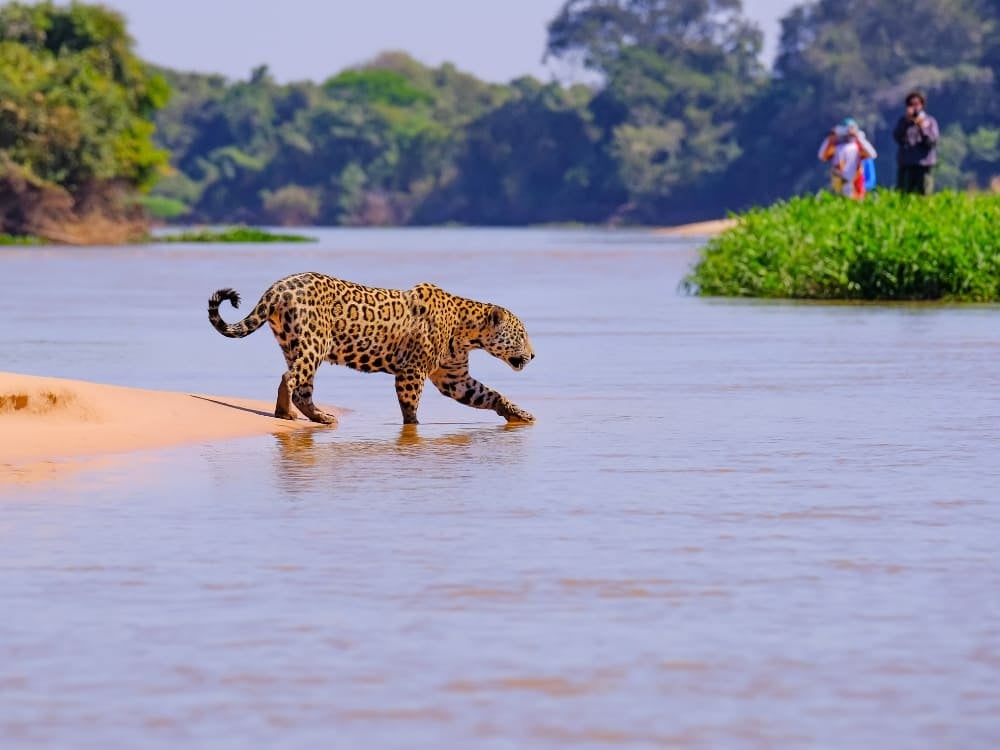
- Jaguar sightings
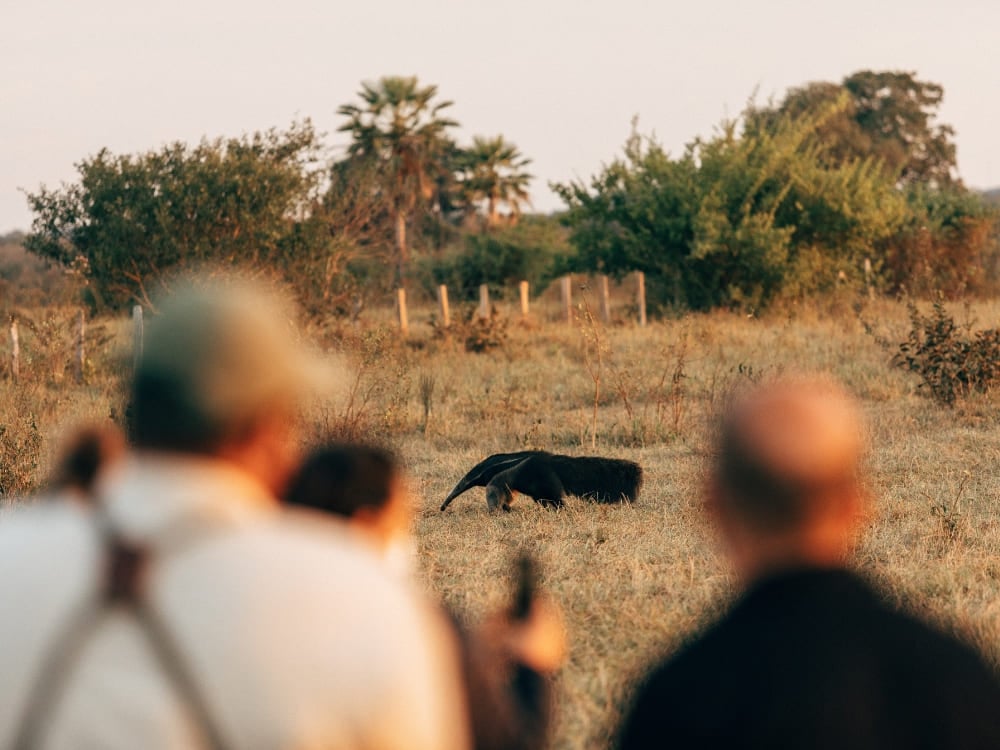
- Wildlife watching
- Night spotlighting
- Pantanal safaris (boat or land)
- Ecological walks
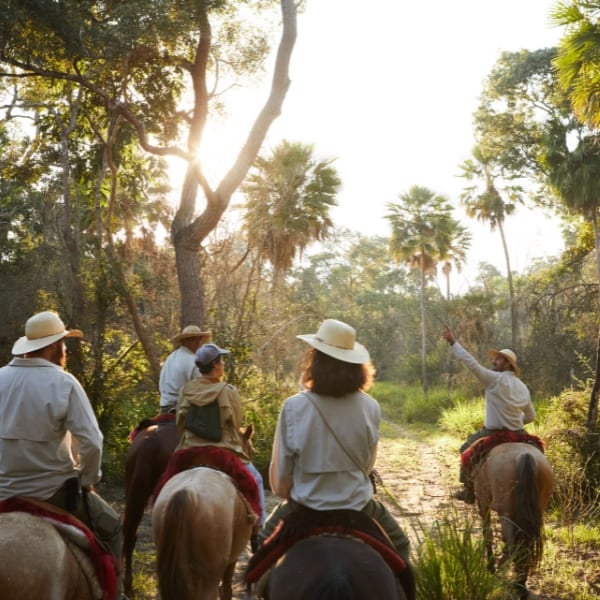
- Horseback riding
- Boat trips
Each ecolodge offers these and other experiences that may vary depending on the region, travel package category, and season.

Guests also have the option to customize their own itineraries, though it’s necessary to check the conditions with the accommodations’ staff first.
6) Pack your gear for Pantanal photo tours
Photo tours are some of the most beloved experiences in the Pantanal. Drawn by the beauty of the biome and the impressively rich fauna and flora, professional and amateur photographers from different countries travel all the way to Mato Grosso and Mato Grosso do Sul.
Many guides have extensive experience with wildlife photography. During safaris, not only do they point out the best places to find animals, but they also share techniques to capture the most stunning shots.
Even if you aren’t a pro photographer, a smartphone camera will likely disappoint you. Recommended equipment:
- At least two cameras
- Telephoto lens (35 to 200 mm and 500 to 600 mm range)
- Polarizer filters
- Tripod and/or monopod
- Binoculars (invest in a high-quality pair, like the 8×42 model)
👉 Explore the adventure: Pantanal Jaguar Photography Tour
7) Be aware of the best moments for wildlife watching
Following nature’s schedule is some of the most helpful Pantanal travel tips if you want to witness its wonders.
Pantanal animals tend to leave their hiding places in the early morning or late afternoon to search for food, so be prepared to wake up bright and early or explore the biome when night falls!
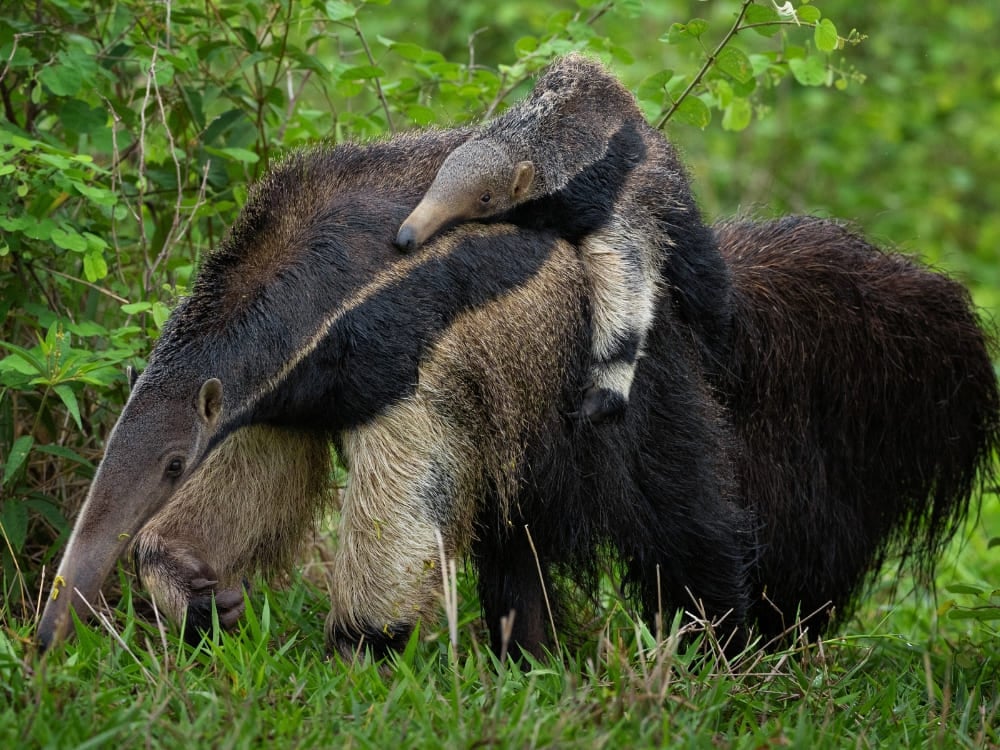
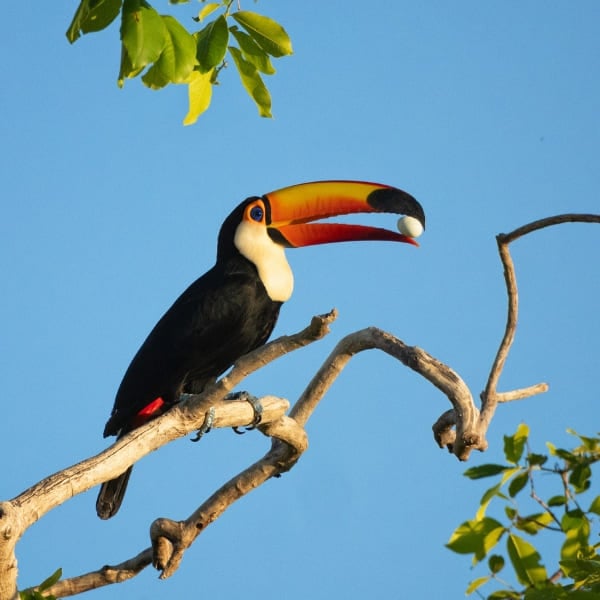
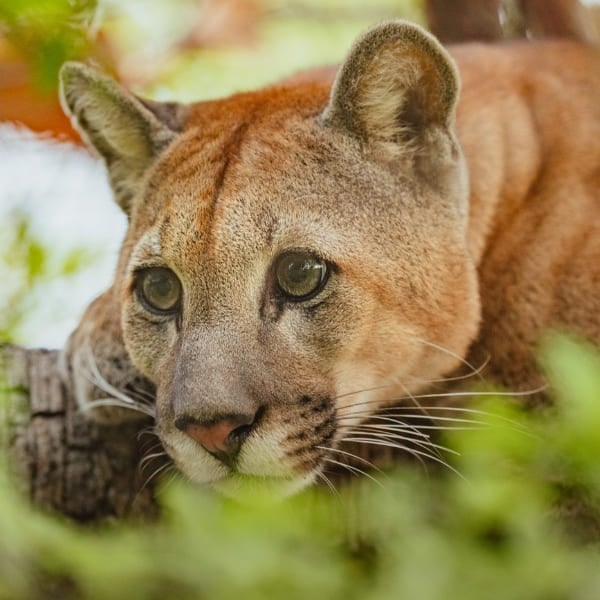
Remember to keep your distance and stay silent in the presence of wild animals, especially predators like jaguars, maned wolves, and caimans. This ensures longer encounters for a deeper appreciation of the Pantanal fauna and, of course, your safety.
👉 Read more: Where is the best place to see jaguars in the Pantanal?
8) Watch the road if you’re driving to the Pantanal
Some travelers decide to take the road to the Pantanal to further enhance the experience. On the North side, you should travel along the Transpantaneira, while the Estrada Parque leads to the South. Both are dirt roads with wooden bridges that tend to get slippery, muddy, and flooded during the rainy season.
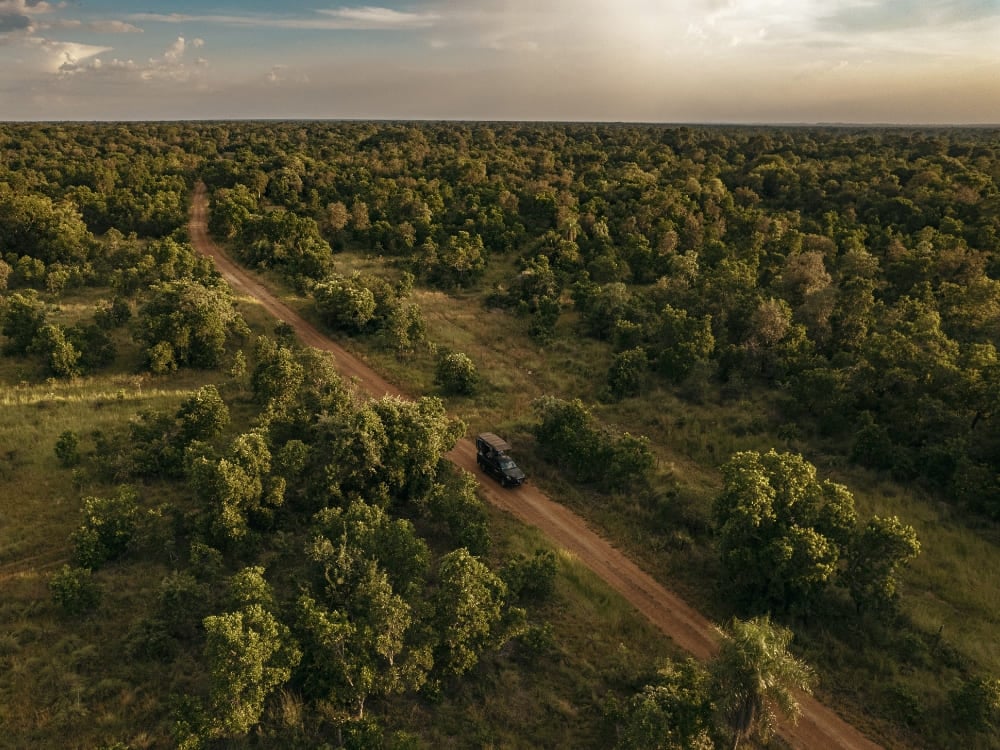
The uneven ground requires 4×4 vehicles. Make sure to fill up your tank in base cities such as Cuiabá, Campo Grande, Poconé, and Miranda. The deeper you get into the wetlands, the rarer gas stations become.
Finally, avoid driving at night. In addition to low visibility, many animals often cross the roads when the sun sets, which increases the risk of accidents.
The overall recommendation is that only people who are familiar with the area should get behind the wheel. Booking a transfer service with local operators is the best alternative for your safety and convenience!
9) Stay in accommodations that respect the environment
Staying in accommodations that respect and care for the Pantanal is crucial for ecotourism. Fortunately, there are incredible ecolodges that implement responsible practices, like recycling, solar energy, rainwater harvesting, and supporting conservation projects.
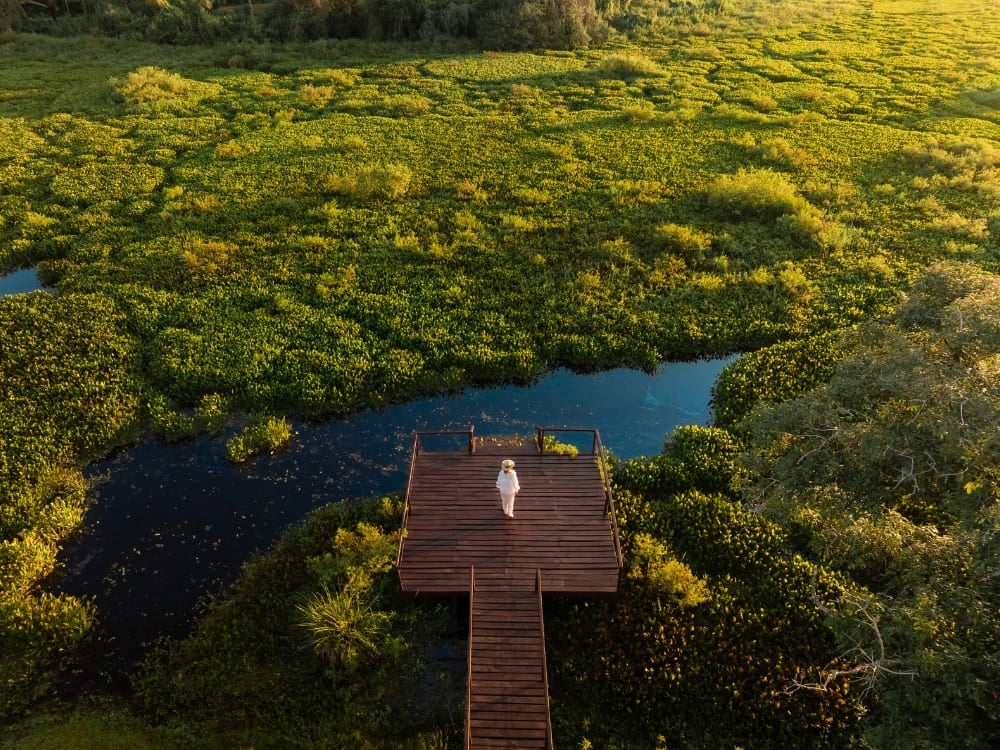
These ecolodges also look out for the community by employing locals, empowering small businesses, and allowing the Pantaneiro culture to flourish.
👉 Read more: Where to stay in the Pantanal?
10) Listen to your tour guide
Your tour guide is your guardian. These highly qualified professionals know the Pantanal like the back of their hands, including the best spots to watch animals, how to capture the perfect shot, and the overall behavior of the biome.
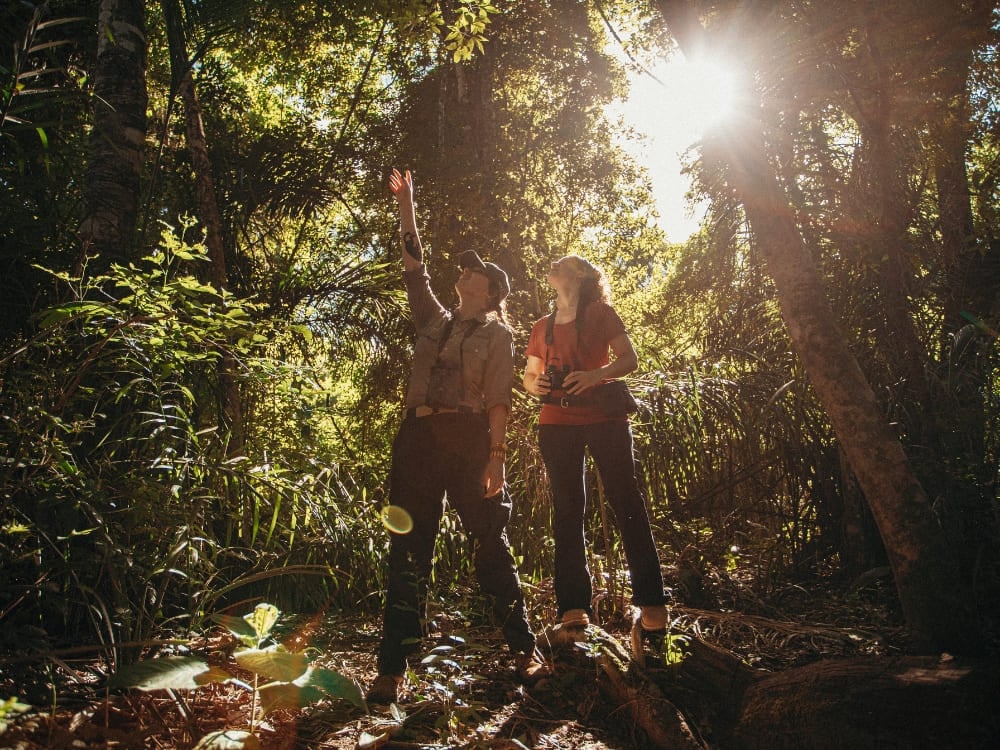
Following your guide’s instructions is important for your enjoyment, but also for everyone’s safety—yours, the animals’, and the environment’s.
Booking with PlanetaEXO is the ultimate Pantanal travel tip
PlanetaEXO is an ecotourism platform specialized in Pantanal tours that works with the best local operators. Our talented team is here to help with everything you need, from bookings to choosing tailor-made itineraries.
Positive impact and your dream vacation in one single adventure. Contact us now!
Keep reading
October 14, 2026
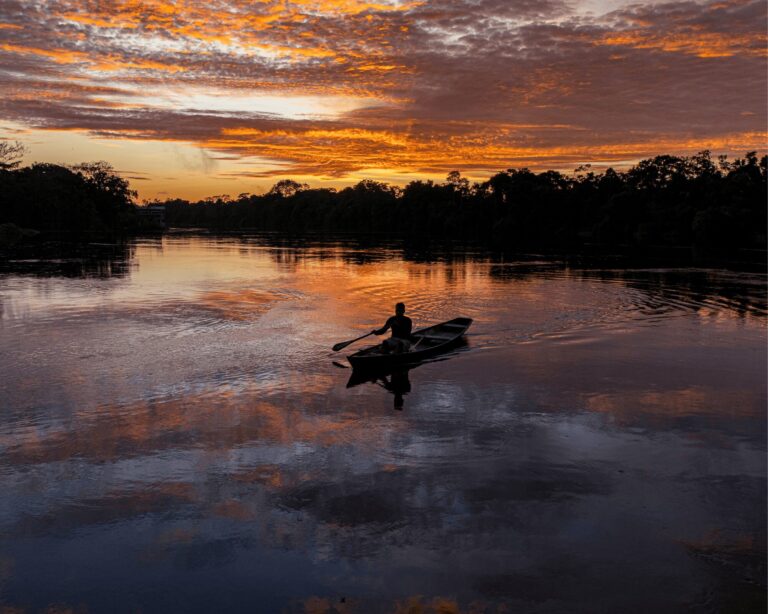
10 Tips to Make the Most of Your Amazon Tour From Manaus, Brazil
Booked an Amazon tour from Manaus in Brazil? See 10 tips to enjoy your experience, including what to eat, what to do, how to be safe, and what to avoid!
October 1, 2026
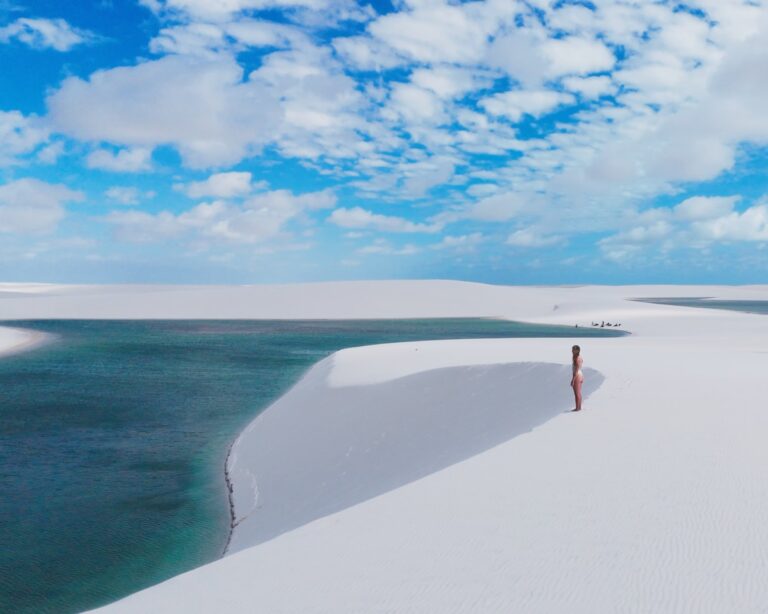
PlanetaEXO’s new mini-doc showcases ecotourism in Lençóis Maranhenses
In “Lençóis Maranhenses: Far From The Crowds, Close To What Matters”, PlanetaEXO’s mini-doc shows how ecotourism is changing life for local communities.
September 30, 2026
Best Dive Sites in Fernando de Noronha: 21 Spots by Depth and Level
The 21 best dive sites in Fernando de Noronha, with depth, seaside, and level for each, from 8 m beginner reefs to the 62 m Corveta Ipiranga wreck.