
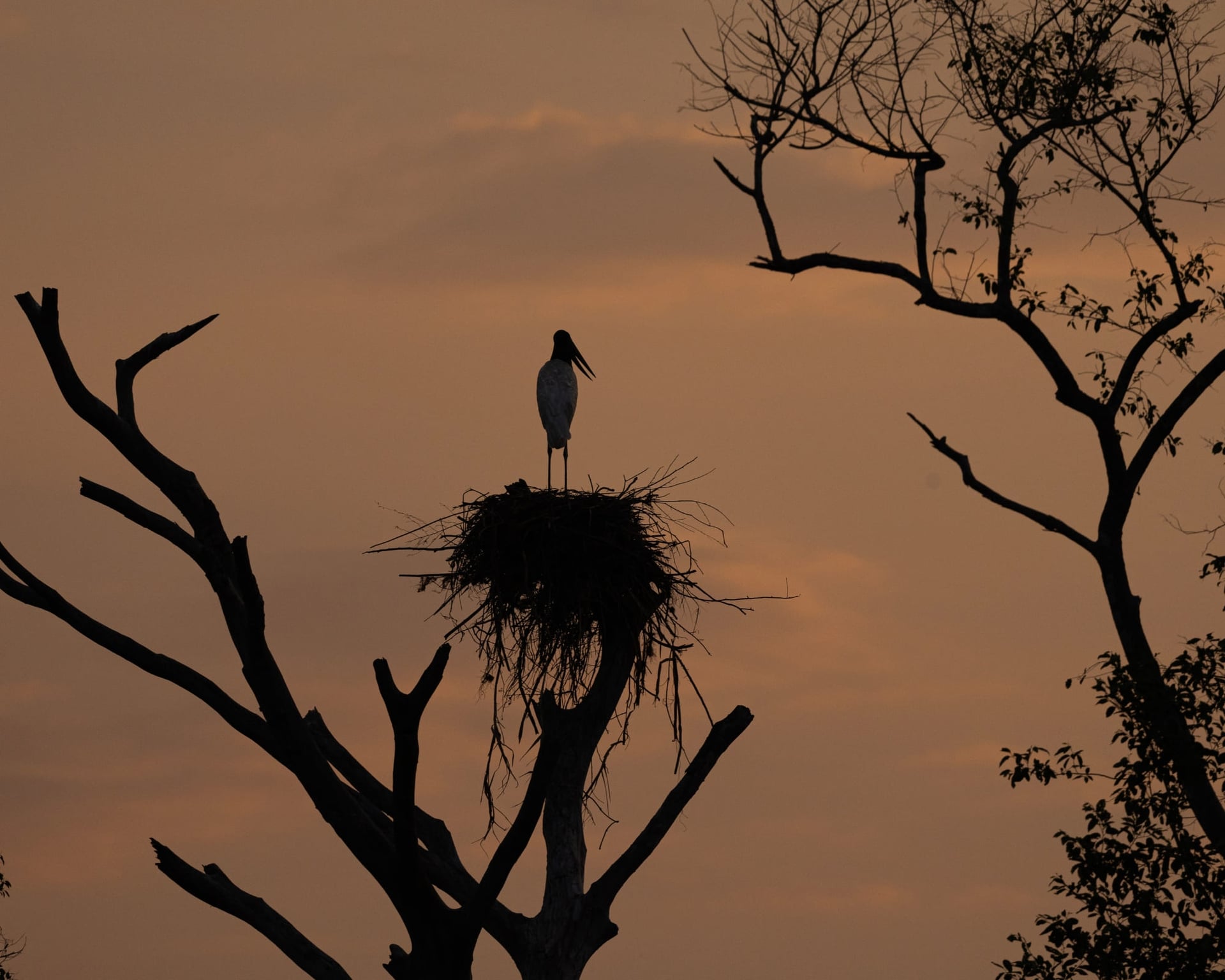
North Pantanal is ideal for jaguar sightings and photo safaris, while South Pantanal is great for wildlife watching and cultural immersion. Let’s find out what’s the better option for you!
👉 See our Pantanal jaguar tours
The Pantanal in Brazil is divided into two distinct regions: North and South. While both are stunning and worth the visit, they’re accessed through different states/cities and offer contrasting styles of safaris and ecotourism experiences.
Understanding the differences between North and South Pantanal is crucial to your vacation planning so you can know exactly what to expect regarding experiences, transfer options and accommodation.
PlanetaEXO, an ecotourism platform specialized in Pantanal tours that works with the best local operators, has put together a comprehensive guide outlining the key differences between these two regions to help you decide which destination best matches your travel style. Check it out below!
What Is the Pantanal?
The Pantanal, located in the Central-West region of Brazil, is the largest wetland in the world, as well as the most well-preserved biome in the country, with 84% of its original landscape still intact, according to the Brazilian Agricultural Research Corporation. Due to its environmental significance, it was designated a UNESCO World Natural Heritage Site and a Biosphere Reserve in 2000.
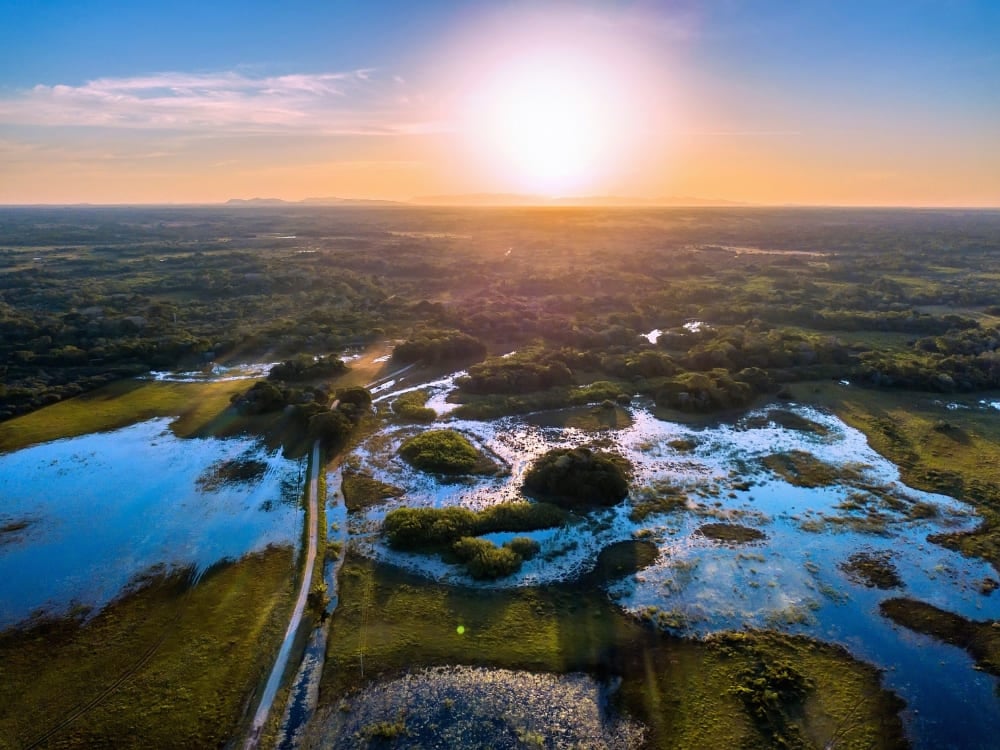
Spanning over 210,000 km², it’s so big it’s split into two states: Mato Grosso and Mato Grosso do Sul. If you’re wondering about whether you should go to North or South Pantanal, the answer depends on what you’re looking for: jaguar sightings, cultural immersion or easier access.
North Pantanal: jaguar safaris and remote adventures
- Main access: Cuiabá (Mato Grosso)
- Top destination: Porto Jofre, via Transpantaneira Highway
- Best time to visit: July to October (dry season)
- Main highlight: Jaguar spotting tours by boat
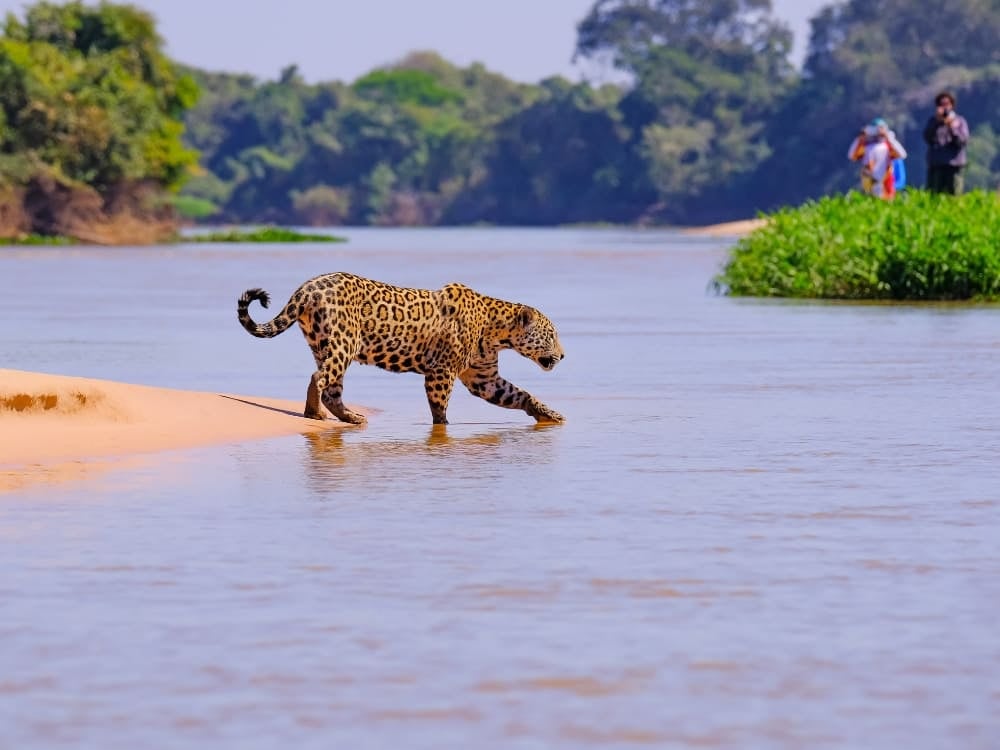
The North Pantanal is strongly influenced by the Amazon Rainforest, presenting denser and more closed vegetation, as well as floodplains, rivers and lakes. It’s also one of the best places in the world to see jaguars, especially between June and October, along the banks of the Cuiabá River.
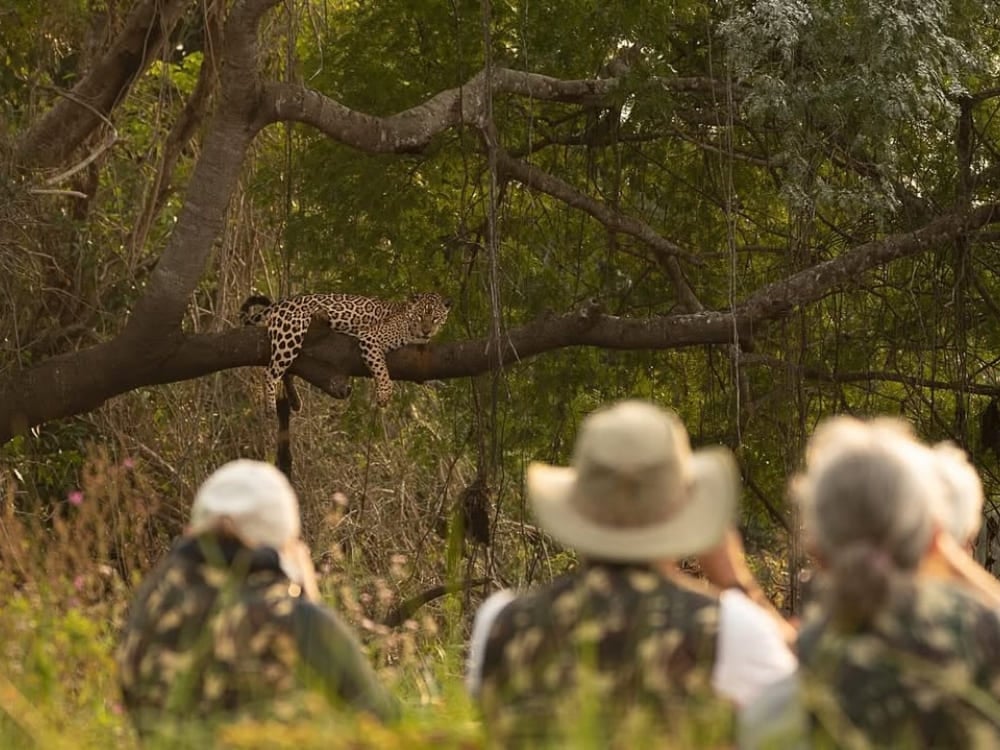
If your priorities include wildlife watching, engaging in cultural experiences, or enjoying water-based activities, a Pantanal safari in the North is likely the best choice for you!
👉 Read more:
Pros and cons of Northern Pantanal
Pros:
- High chances of spotting jaguars.
- Chances to see birds and species influenced by the Amazon that do not descend to the South.
- Great for photographers and wildlife lovers — especially during the dry season, from July to October, when the wildlife is even more diverse.
Cons:
- Remote location, long transfers.
- Less interaction with the day-to-day life of the farm or the Pantaneiro cowboy.
- Jaguar safaris are usually more expensive due to high demand, limited availability and complex logistics.
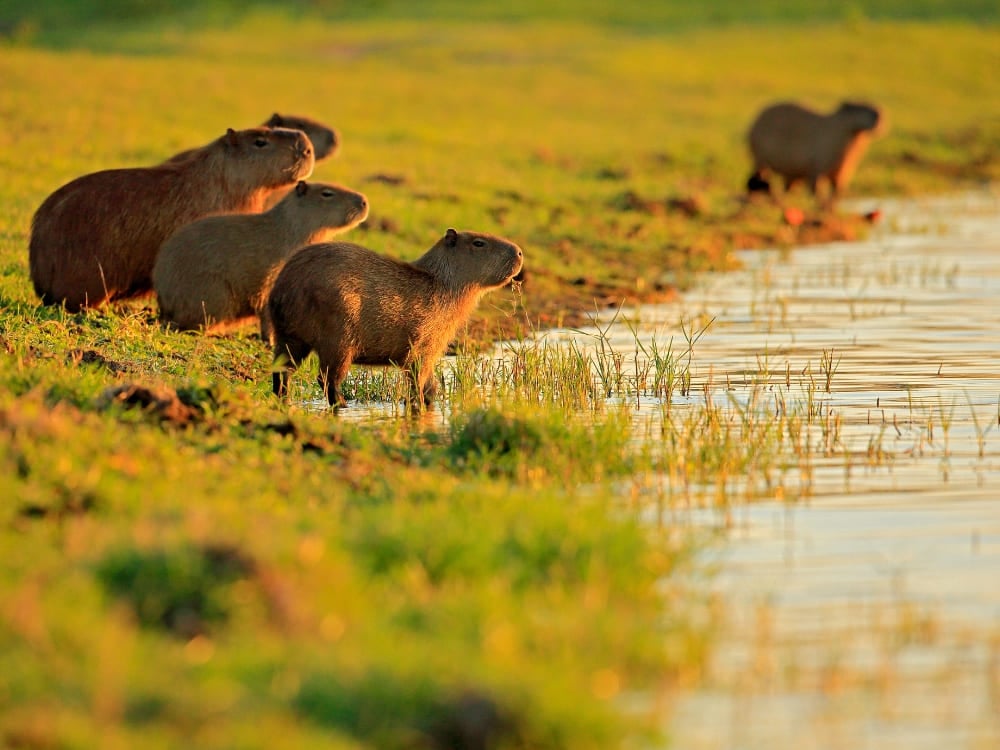
South Pantanal: classic ranch experience and family-friendly safaris
- Main access: Campo Grande (Mato Grosso do Sul)
- Top areas: Aquidauana, Miranda, Corumbá
- Best time to visit: May to September (dry season)
- Main highlight: Stay at traditional fazendas (ranches) and explore on land
The South Pantanal features a landscape of savannas and forested areas influenced by the Cerrado and the Paraguayan Chaco. This results in more open landscapes and clear fields, which offer great opportunities for land-based activities and close encounters with wildlife in a well-preserved environment.
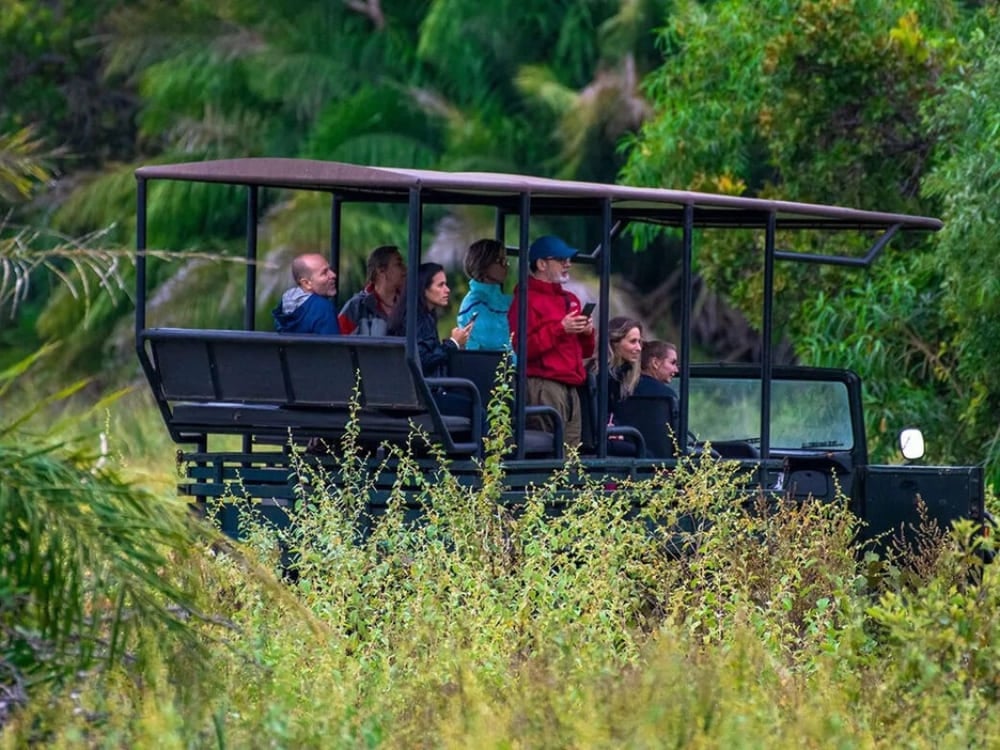
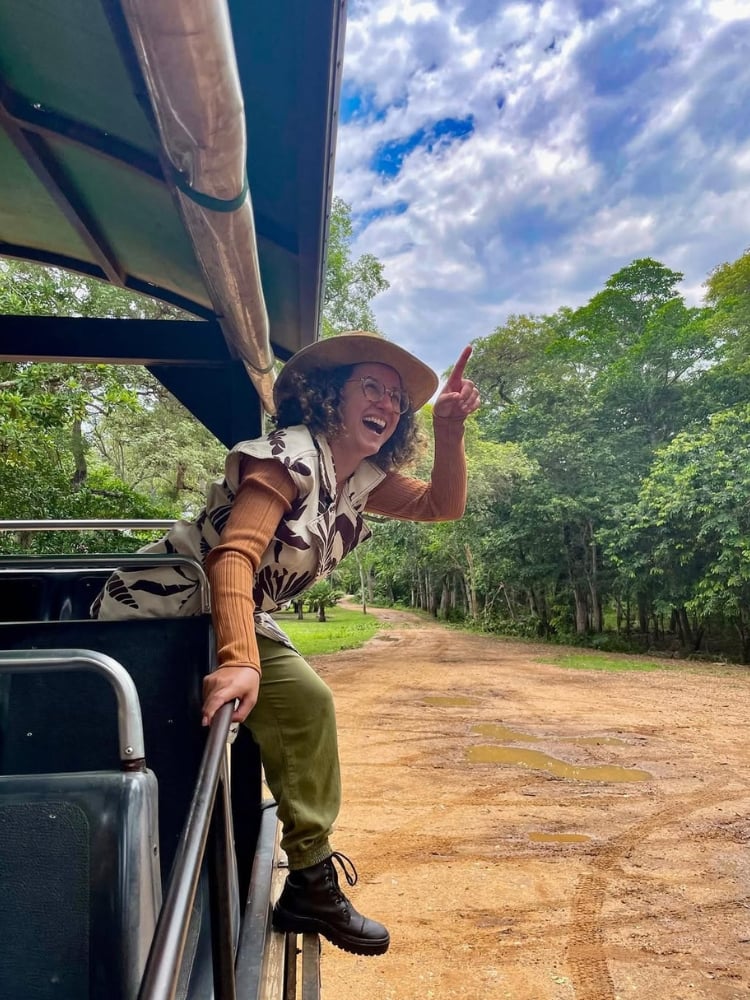
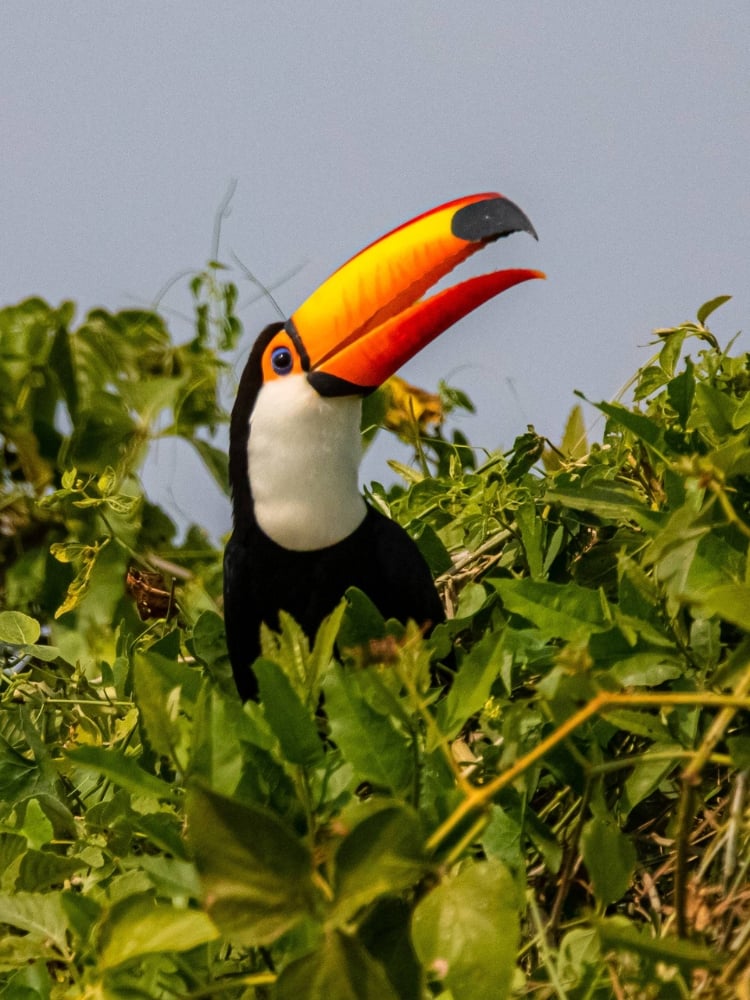
Most of the lodges are active or former cattle farms that have been converted into smaller, more intimate accommodations, with a strong focus on Pantanal-related experiences and ranch traditions. Canoeing, land safaris, horseback riding and wildlife observation are common activities.
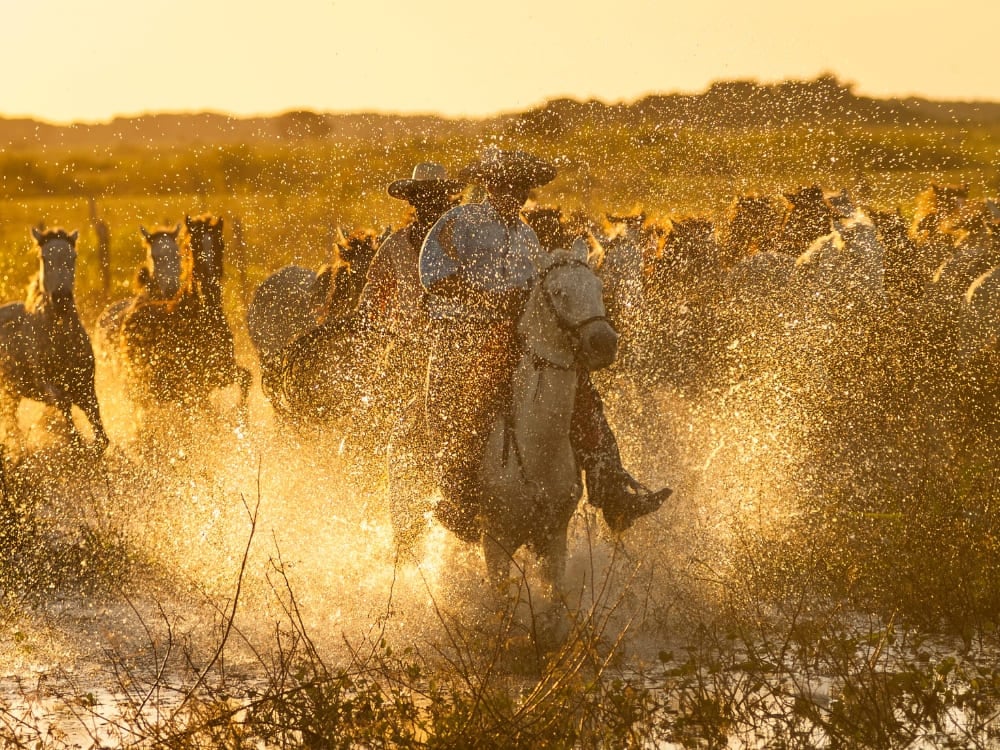
Southern Pantanal also pairs well with a trip to Bonito, one of Brazil’s top ecotourism destinations, known for snorkeling in crystal-clear rivers and cave exploration.
👉 Explore our Pantanal tours from Campo Grande
👉 Learn more and book now: 5-Day Pantanal Bonito Tour in Brazil
For travelers prioritizing ease of travel and comfort, South Pantanal offers a more relaxed and accessible experience!
Pros and cons of Southern Pantanal
Pros:
- Easier access from Campo Grande.
- Cultural immersion with the Pantaneiro routine and local traditions.
- Stay experience based on comfort and exclusivity, including luxury lodges like Caiman.
- Varied land activities, like hiking, horseback rides and wildlife watching.
- Great for travelers looking forward to exploring the Pantanal on a budget.
- Easy access to Bonito (MS).
Cons:
- Lower chances of seeing jaguars — they exist and are seen in certain areas, but in smaller quantities and frequency compared to the North.
- Wildlife is more dispersed than in the North, meaning land safaris require more patience for wildlife watching.
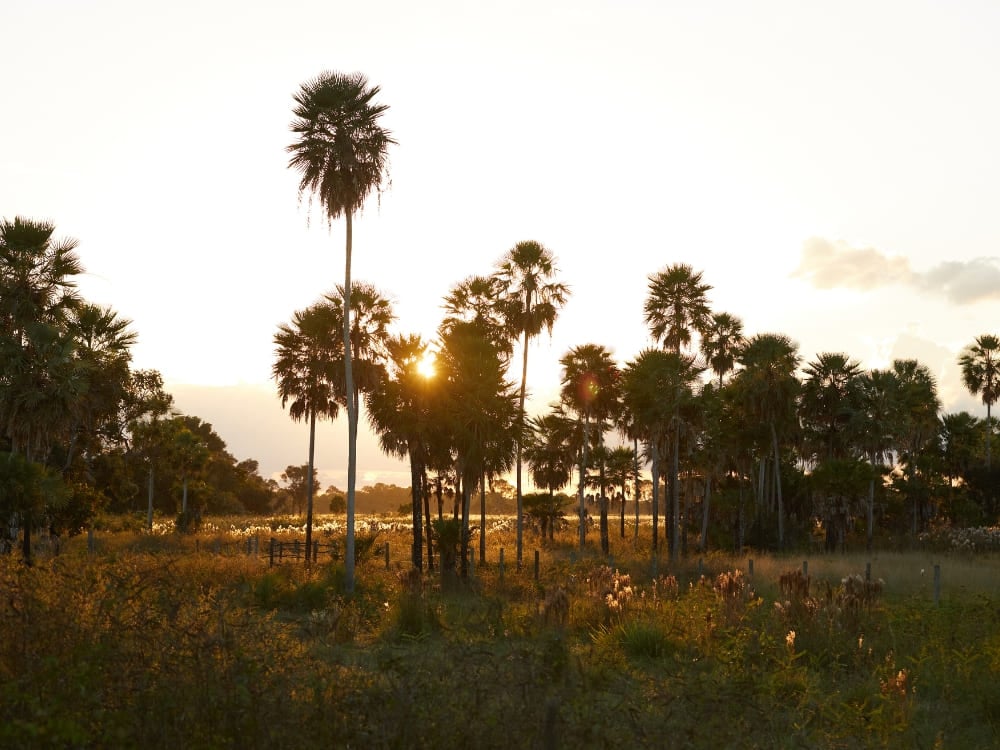
North vs. South Pantanal in Brazil: What’s the most suitable for you?
Here’s how to choose the ideal region for your Pantanal trip, depending on the experience you’re looking for.
Choose the North Pantanal in Brazil if you want to:
Book your tour to North Pantanal if you want:
- Jaguar safaris and wildlife photography: best place for jaguar watching, especially from July to October.
- Boat safaris and wildlife viewing: boat rides are also great for spotting other Pantanal animals, including caimans, capybaras, giant anteaters, hyacinth macaw, etc.
Book your tour to South Pantanal if you want:
- Activities on land: guided hikes, horseback rides and wildlife safaris.
- Extended vacation in Bonito, Mato Grosso do Sul: popular destination for snorkeling in crystal-clear rivers and underground natural pools;
- Immersion in rural traditions: experience local life and learn everything about traditional music, food and other Pantanal cultural aspects.

How much does a Pantanal tour cost?
The average cost of a Pantanal tour is US$ 1,995 per person. Prices vary according to accommodation category, season, trip duration, etc.
Still not sure if you should go to the North or South Pantanal? Compare our handpicked tour options in both regions!
Northern Pantanal tours
| TOUR | HIGHLIGHTS | DURATION | STARTING PRICE* |
| Pantanal Jaguar Photography Tour | Capture breathtaking shots of the rich wildlife (recommended for professional and amateur photographers). | 6 days | US$ 3,700 |
| Pantanal Jaguar Safari in Porto Jofre, Cuiabá | Visit Porto Jofre, home to the world’s largest jaguar population. | 4 days | US$ 2,650 |
| Pantanal Jaguar Budget Safari | Multiple chances to spot jaguars, capybaras, caimans, and exotic birds. | 4 days | US$ 1,860 |
| Pantanal Tour from Cuiabá | Wildlife watching, horseback riding through open fields and floodplains. | 4 days | US$ 1,355 |
Southern Pantanal Tours
| TOUR | HIGHLIGHTS | DURATION | STARTING PRICE* |
| Luxury Jaguar and Wildlife Safari | High-end lodge with great chances of spotting jaguars in the Southern Pantanal. | 4 days | US$ 3,200 |
| Pantanal Bonito Tour | Travel from the wetlands to Bonito through changing landscapes. | 5 days | US$ 1,395 |
| Pantanal Wildlife Trip from Campo Grande | Activities include photo and night safaris, boat rides, and piranha fishing. | 4 days | US$ 1,150 |
| Budget Pantanal Tour | Budget-friendly adventure with shared rooms, walking safaris, boat tours and horseback riding. | 4 days | US$ 660 |
Can you visit both the Northern and Southern Pantanal?
Yes, but it requires time and good logistics. The two areas are more than 1,000 km apart, and there’s no direct road between them.
If you’re planning a longer itinerary and want to experience both, flying between Cuiabá and Campo Grande is your best option.
👉 Read more: How to get to the Pantanal, Brazil
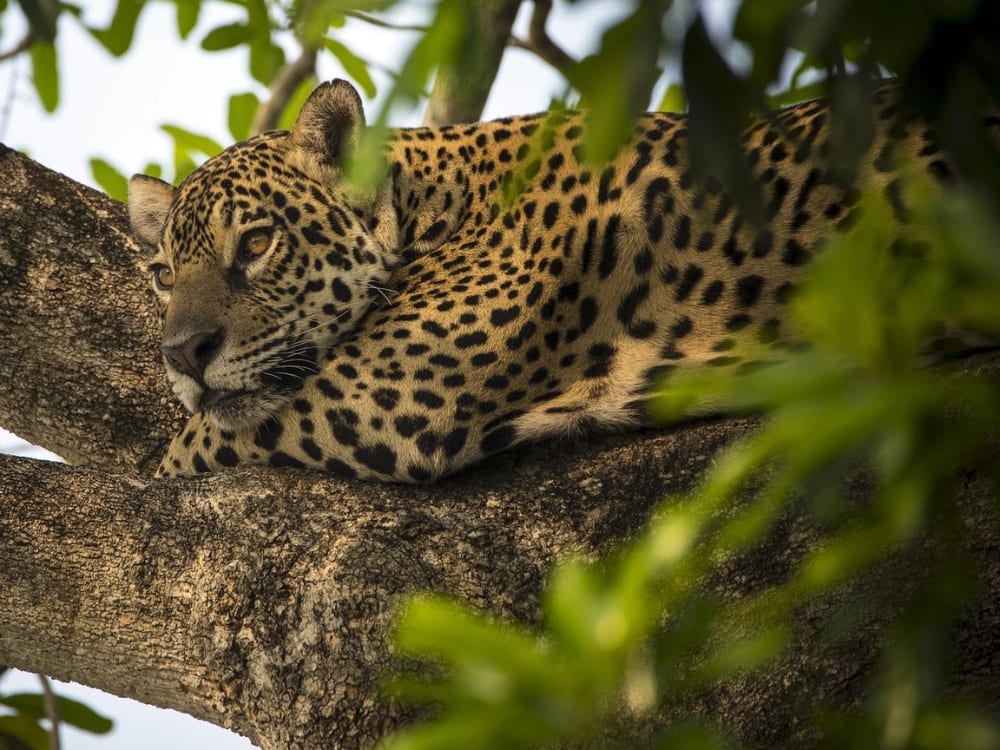
Should you choose the North or South Pantanal?
The Northern Pantanal is your best bet if you’re after jaguar sightings, boat safaris, wildlife photography or a wilder, more remote experience.
Meanwhile, the Southern Pantanal is a better fit if you’re looking for easier access, comfortable ecolodges, wildlife viewing not focused on jaguars and a broader mix of land-based activities. It’s also the ideal choice if you want to combine your trip with a visit to Bonito.
Keep in mind: regardless of the region, the water cycle rules. A greater concentration of animals happens in the dry season when they seek out the remaining rivers and lagoons.
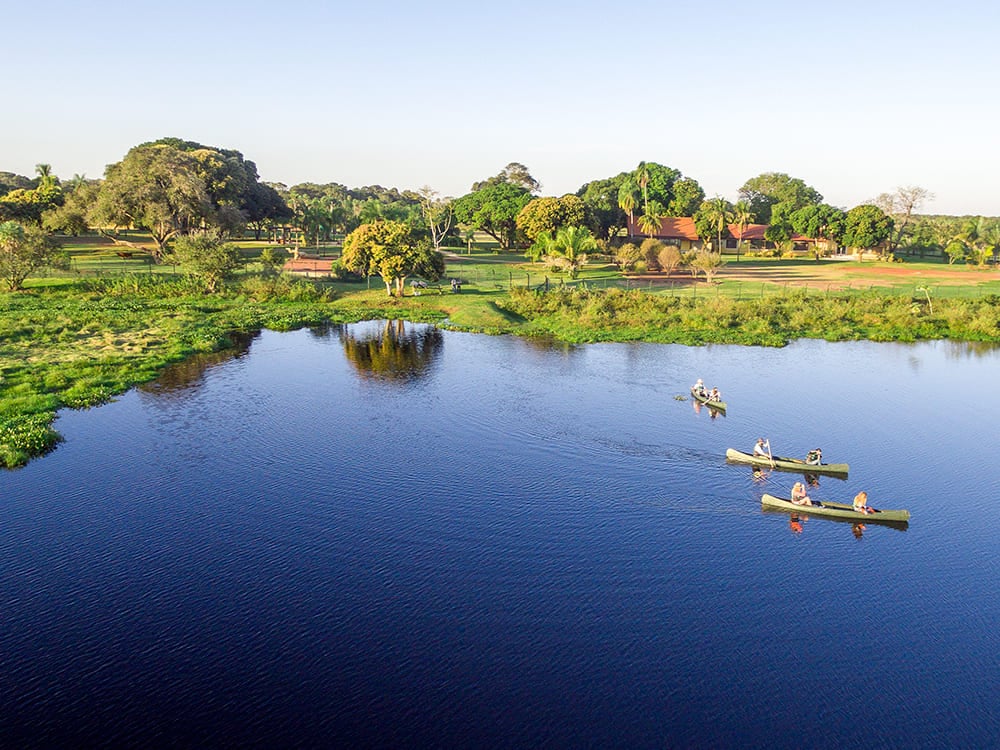
Book your Pantanal tour with PlanetaEXO
Whether you choose the North or the South, PlanetaEXO specializes in Pantanal tours in both areas. We work closely with the best local operators and ecolodges committed to sustainable practices and preserving the Pantaneiro way of life.
Contact us and let’s start planning your Pantanal safari right now!
Keep reading
October 14, 2026
10 Tips to Make the Most of Your Amazon Tour From Manaus, Brazil
Booked an Amazon tour from Manaus in Brazil? See 10 tips to enjoy your experience, including what to eat, what to do, how to be safe, and what to avoid!
October 1, 2026
PlanetaEXO’s new mini-doc showcases ecotourism in Lençóis Maranhenses
In “Lençóis Maranhenses: Far From The Crowds, Close To What Matters”, PlanetaEXO’s mini-doc shows how ecotourism is changing life for local communities.
September 30, 2026
Best Dive Sites in Fernando de Noronha: 21 Spots by Depth and Level
The 21 best dive sites in Fernando de Noronha, with depth, seaside, and level for each, from 8 m beginner reefs to the 62 m Corveta Ipiranga wreck.