
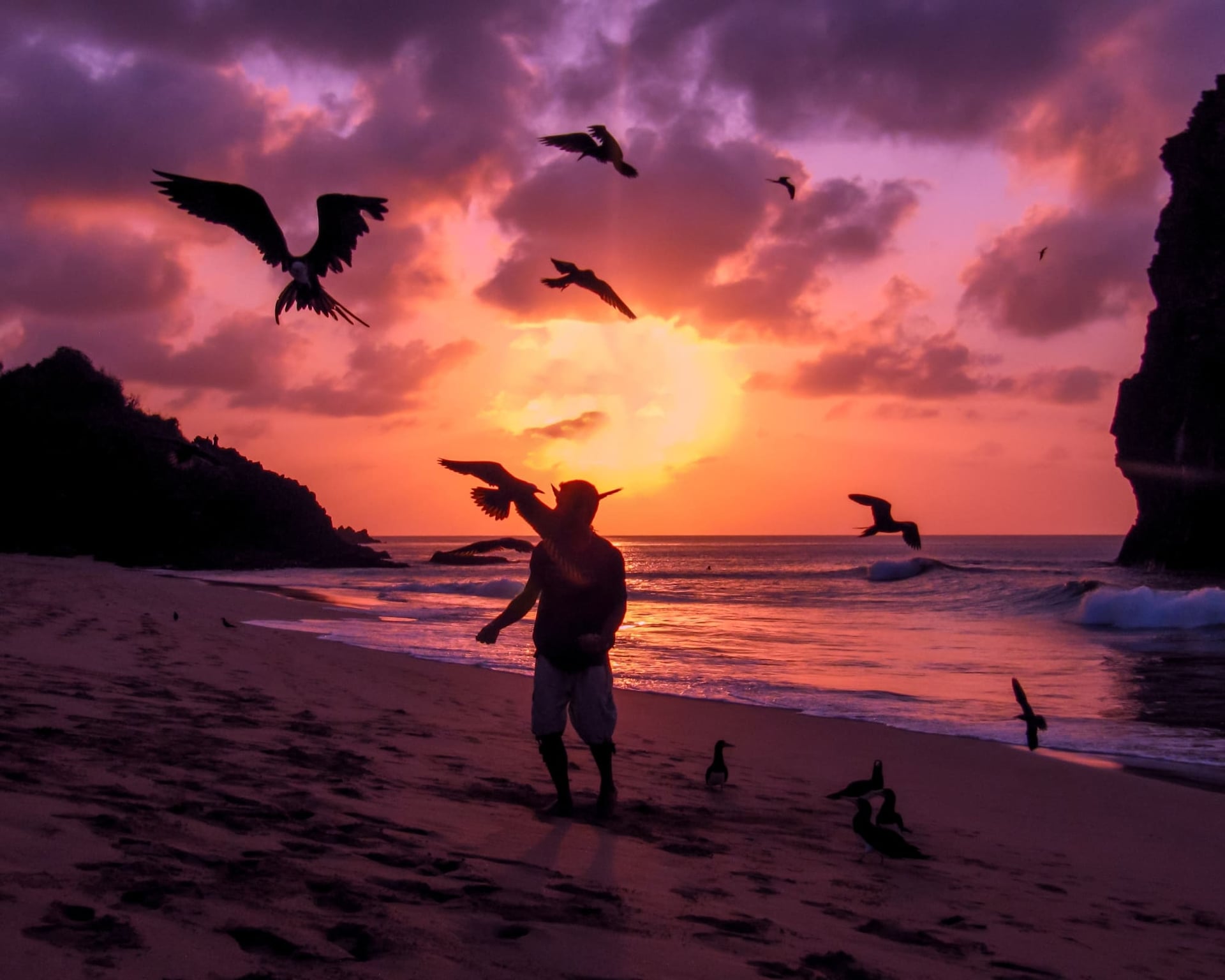
From North to South, discover must-visit nature destinations in Brazil!
A country as large as Brazil has a lot to offer in terms of natural resources. There are six continental biomes (Amazon, Cerrado, Atlantic Forest, Caatinga, Pantanal and Pampa) — plus the Coastal Marine Biome — distributed in about 8,500,000 km² over 26 states marked by geographical and cultural differences, but united by pure, green and yellow beauty.
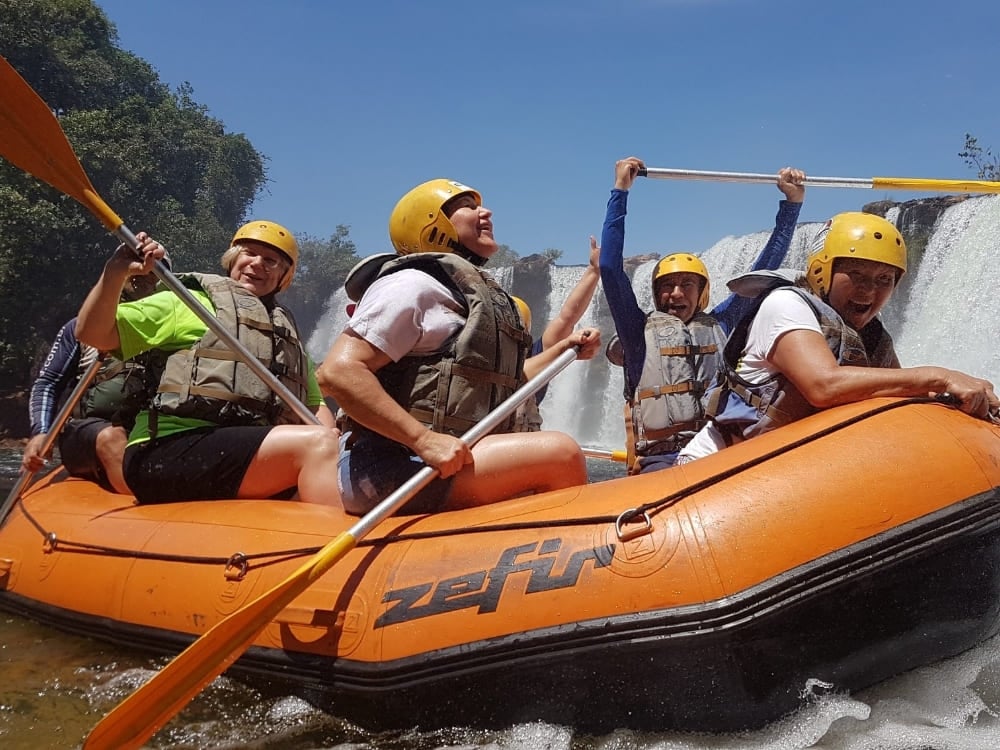
The tourist greatness has made Brazil the 2026 destination of Travel + Leisure, one of the most important tourism publications in the U.S. The magazine highlights experiences diversity, sociocultural complexity, gastronomy, excellence in hosting and, as expected, nature.
With that in mind, PlanetaEXO has assembled a list of the best ecotourism destinations so you can learn more about Brazil’s grace and the importance of protecting its ecosystems. Read more below!
1 – Lençóis Maranhenses (MA)
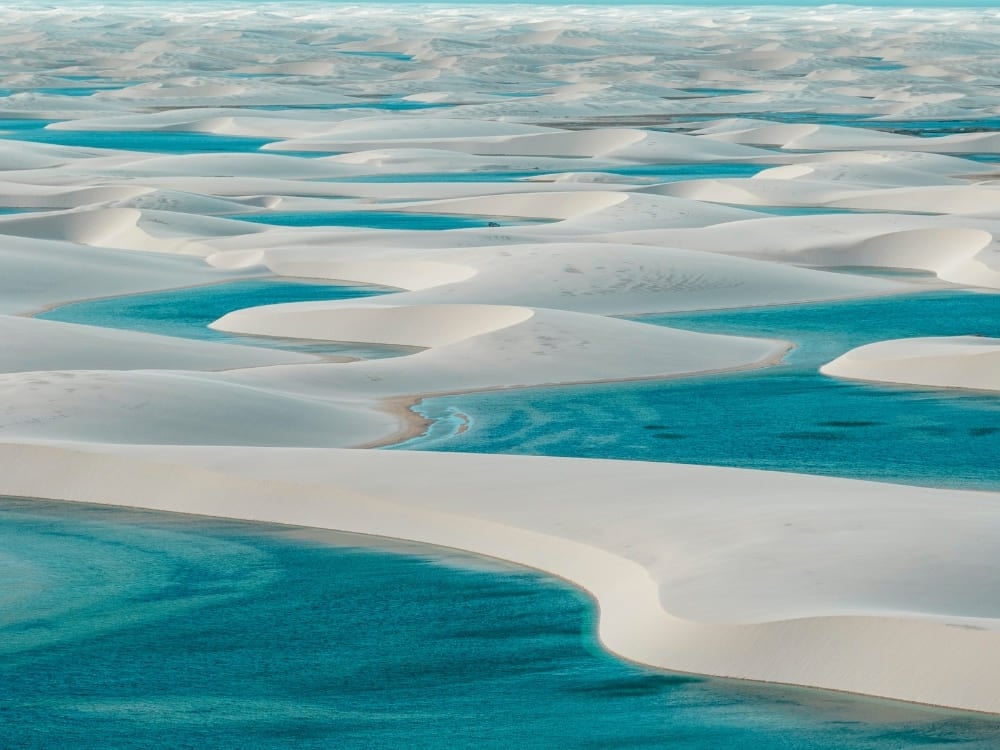
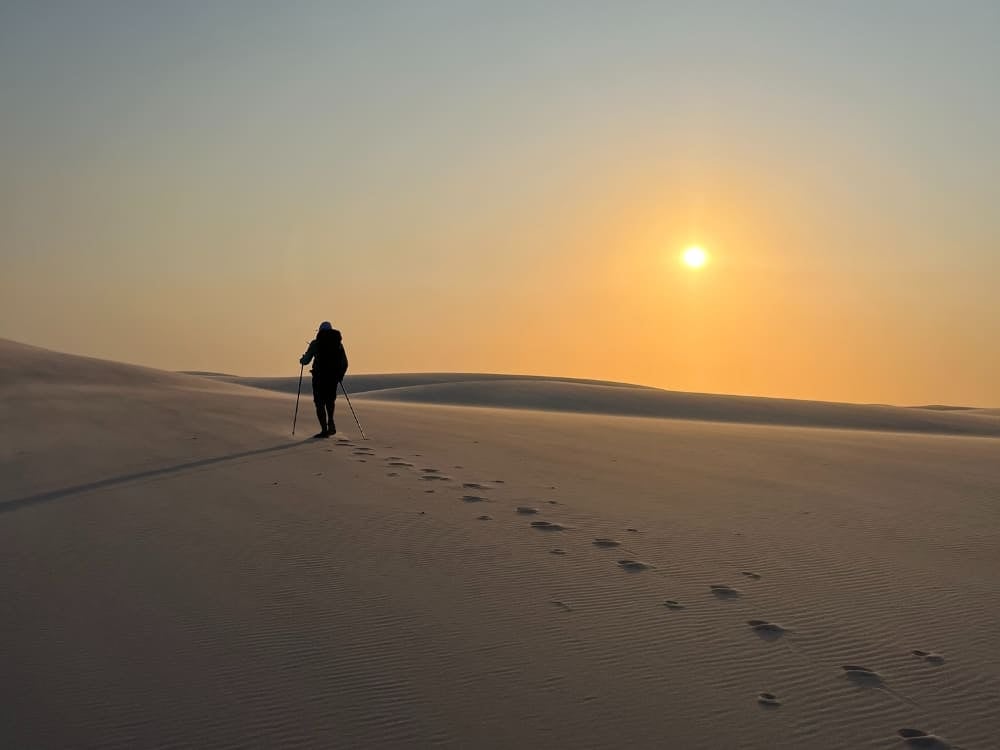
Lençóis Maranhenses National Park is so stunning some people say its beauty is otherworldly. The crystal blue water lagoons amidst white sand dunes will surely make your jaw drop in awe.
In addition to walks through the dunes and refreshing dives in the lagoons — you need to visit Bonita, Azul, Gaivota and the Esperança lagoons! —, tourists love to go boat or four-wheel drive tours, contemplate the sunrise or the sunset, explore the vegetation of the Caatinga, Cerrado and the Amazon, and exchange cultural experiences with the locals.
When is the best time to visit Lençóis Maranhenses?
Schedule your trip between May and September, when the lagoons are at their fullest. From September to October and February to April, the lagoons get smaller, but still offer water activities.
The lagoons dry out from November to January, which limits experiences on the water, but unravels beautiful pastures and meadows.
Where to stay in Lençóis Maranhenses?
Accommodation in Lençóis Maranhenses takes place in the surrounding cities. Barreirinhas is the main gateway and has more accommodation options, from simple inns to full-service hotels. Atins is a fishing village by the sea, suitable for nature lovers. Santo Amaro do Maranhão is the most isolated, perfect for those looking for exclusivity and total disconnection.
Another lodging alternative is an overnight stay at locals’ houses. Trekkers crossing the park stay in modest, but cozy homes. Great opportunity to meet new people and different cultures!
Our travel packages to Lençóis Maranhenses are diverse, with options for lodging in traditional or homestay accommodations. Check ‘em out!
How to get to Lençóis Maranhenses?
From São Luís International Airport (SLZ), the ride (bus, car or shared van) to Barreirinhas can last up to 5 hours. Barreirinhas Municipal Airport (BRB) has not received commercial flights since March 2025, but still includes executive and chartered aircraft in the daytime.
You can go to Atins by boat or 4×4 vehicle, but you’ll still have to pass through Barreirinhas. From São Luís to Santo Amaro (237 km), transfer options include rental cars, taxi, share van or private shuttle services.
👉 Learn more:
2 – Amazônia (AM/PA)
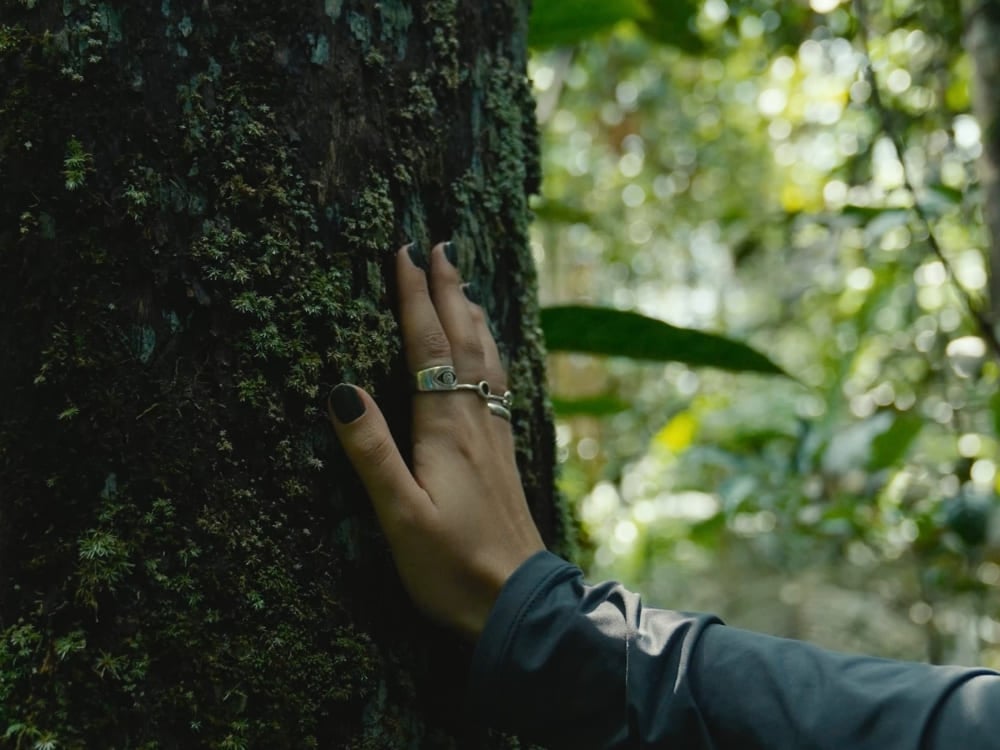
How can we talk about ecotourism destinations in Brazil without mentioning the Amazon? The largest portion is located in the state of Amazonas, followed by Pará and Mato Grosso. Eco-friendly tourism is one of the initiatives that keeps the forest standing, contributing to sustainable awareness, local economic flow and support to socio-environmental projects.
Among all the stunning scenery hidden in the Amazonian wilderness, a few stand out. Jaú National Park, for example, is a UNESCO World Heritage Site for its protection of flooded forests and the entire Jaú river basin, one of Negro River’s tributaries. River cruises and jungle lodges offer different activities such as hiking, boat rides, nature contemplation, visits to riverside communities and more.
Anavilhanas National Park holds the title of the second-largest fluvial archipelago in the world, with 400 islands, 60 lakes and a remarkably privileged location on Negro River. The charming jungle lodges and cruises also feature diverse itineraries, including water trails, wildlife watching, scuba diving, etc.
In the state of Pará, the Amazon reveals a different landscape, marked by clear rivers and river beaches. The highlights are Alter do Chão and the Tapajós River, known for their surprisingly transparent waters and tones reminiscent of the Caribbean. The experience in the region combines direct contact with the forest, observation of wild animals, such as pink dolphins, and the impressive diversity of trees, plants, and flowers that define the Amazon.
When is the best time to visit the Amazon?
- Amazonas: between January and September, when the rivers are at their fullest. This period is ideal for navigation, water trails, and access to flooded forest areas, as well as offering good opportunities for wildlife viewing along the Negro and Solimões rivers.
- Pará: between August and December, during the driest season. This is when the river beaches of the Tapajós River appear, creating landscapes of clear waters and white sand, especially in the Alter do Chão region.
Where to stay in the Amazon?
Despite its total immersion in nature, the Amazon offers different standards of packages, from simple to high standard, always with a focus on ecotourism experiences.
- Amazonas: there are jungle lodges and river cruises near the Jaú National Park, the Anavilhanas National Park and along the Rio Negro, ideal for those seeking a deep immersion in the forest and Amazonian biodiversity.
- Pará: accommodation is concentrated in Alter do Chão and the surroundings of the Tapajós River, with inns and hotels focused on nature, river beaches, and lighter experiences, combining forest, river, and local culture.
How to get to Amazon?
- Amazonas: the main access is through Manaus International Airport (MAO). From Manaus, travel varies according to the itinerary and may include boats, regional flights, and organized transfers to lodges, national parks, or river cruises.
- Pará: the gateway is Santarém Airport (STM). From there, access to Alter do Chão and the Tapajós areas is by road or boat, depending on the type of experience chosen.
👉 Learn more:
- Best Places to Visit in the Amazon, Brazil
- How to get to the Amazon Rainforest in Brazil?
- How to visit the Amazon Rainforest in Brazil – Travel Guide
- Manaus Travel Guide: What to Do, Where to Stay and Eat
3 – Barra do Garças (MT)
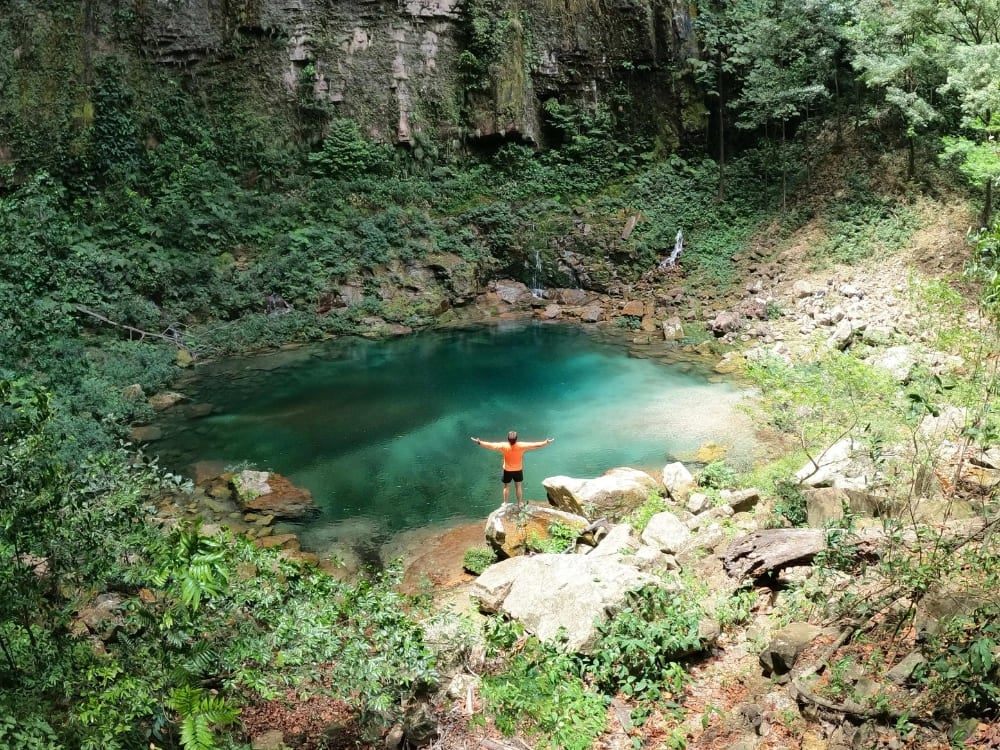
Mato Grosso hides numerous ecotourism destinations, including the small town of Barra do Garças, with only 60,000 inhabitants. The peaceful atmosphere offers a very welcome break for tourists from large urban centers, who quickly fall in love with gorgeous views covered by natural beauty.
It’s hard not to be hypnotized by the trails and beautiful viewpoints of Serra Azul State Park, as well as the narrow canyons, thermal water pools, various waterfalls and landscapes surrounded by trees and the blue sky.
When is the best time to visit Barra do Garças?
It’s hot all year round, so prepare for 34 °C at the height of summer. It’s the perfect weather to cool off in Azul, Perdida and Samambaia Waterfalls and the impressive natural well of Santuário das Araras!
Where to stay in Barra do Garças?
After having fun with ecological walks, rafting on the Araguaia River, bathing in waterfalls and diving in crystal clear wells, rest in the inns in more secluded areas or in hotels downtown. Daily rates start at R$160, depending on the season and the accommodation category
How to get to Barra do Garças?
Goiânia International Airport (GYN) receives flights from cities all over Brazil. The drive to Barra do Garças takes just over 5 hours. Barra do Garças Airport (BPG) is also an option, but it’s only served by flights from Cuiabá on Mondays, Wednesdays and Fridays.
4 – Chapada Diamantina (BA)
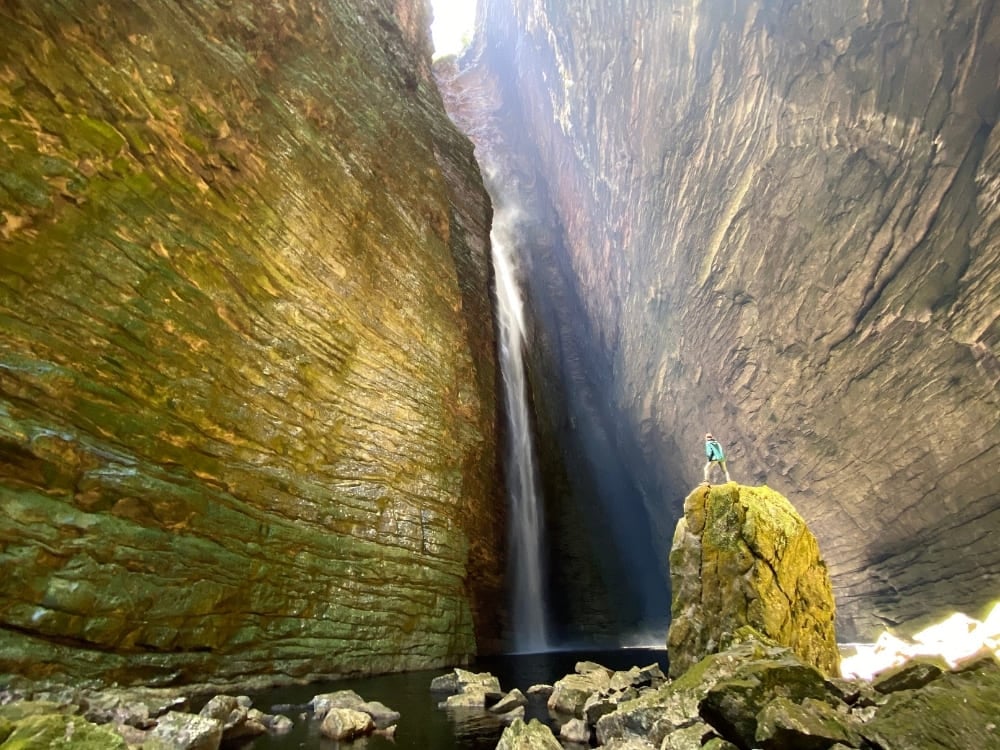
Covering an area of approximately 38,000 km², the Chapada Diamantina region, home to the national park, is the perfect place for those who love hiking. The Vale do Pati area is considered one of the best trekking destinations in the world, thanks to its abundance of natural resources and truly breathtaking landscapes.
The trails cross through rivers, waterfalls, natural pools, caves, hills and viewpoints. Here’s what you can’t miss: Buracão, Fumaça and Fumacinha Waterfalls, Poço Encantado and Poço Azul, Lapa Doce and Pratinha Caves.
When is the best time to visit Chapada Diamantina?
The dry season (May to October) is especially suitable for trekking, while the rainy season (November to April) is ideal for visiting waterfalls, trekking and admiring the vegetation. Please notice: it may not rain every day during the rainy season.
👉 Learn more: When is the best time to visit Chapada Diamantina?
Where to stay in Chapada Diamantina?
Hotels, inns and homestays are the lodging options in Chapada Diamantina. Accommodations are divided between the towns that surround the park: Lençóis, Mucugê, Palmeiras, Ibicoara and Andaraí.
Our packages to Chapada Diamantina include lodging, transfers, guided tours and meals — everything you need to make your adventure even better!
How to get to Chapada Diamantina?
Salvador International Airport (SSA) is the main choice for most tourists from other states or countries due to its offer of direct flights, but the closest to the national park is Lençóis Airport (LEC), which offers limited flights from Belo Horizonte (Minas Gerais).
From there, the park is only 25 minutes away (22 km), while the route (by car or bus) from the capital of Bahia takes nearly 6 hours (411 km).
👉 Learn more:
- How to get to Chapada Diamantina?
- Chapada Diamantina National Park Travel Guide
- Vale do Pati Chapada Diamantina Travel Guide
- Chapada Diamantina Waterfalls: Best Trails and Hidden Gems
5 – Cambará do Sul (RS)
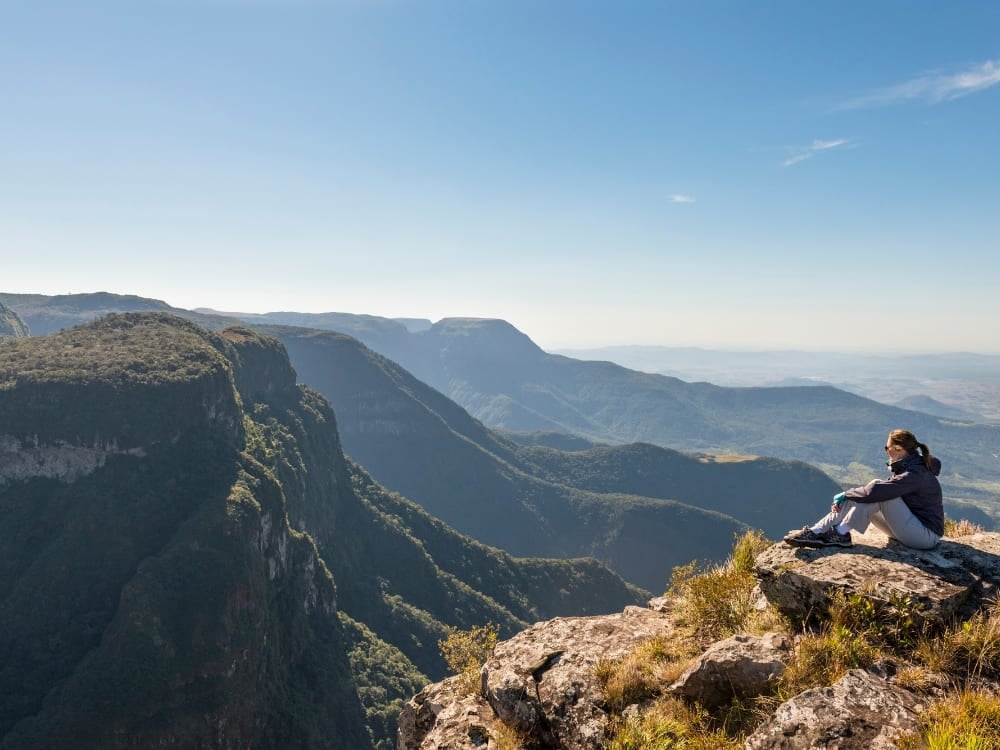
190 km from Rio Grande do Sul capital, Porto Alegre, Cambará do Sul is known as the Land of the Canyons, with Itaimbezinho and Fortaleza leading the ranking of most commanding. Up to 900 meters deep, they are true geological treasures of volcanic formation surrounded by the Atlantic Forest and a beautiful blanket of araucarias. Apparently, this Serra Gaúcha paradise is over 135 million years old!
The surroundings are protected by Aparados da Serra National Park and Serra Geral National Park, which allows visitors to venture into waterfalls, rivers and lush green trails. Rio do Boi Trail, Tigre Preto Waterfall and Pedra do Segredo are considered must-see attractions.
When is the best time to visit Cambará do Sul?
Cold, wind and fog are a constant, especially between May and August, when the average temperature is 8°C. The weather is chilly, but the visibility of the canyons is the best in this time of year.
Check out more details of when to travel to Cambará do Sul:
- April (average 15 °C): Best for quad bike tours and horseback riding
- September to November (average 18 °C): hiking and nature contemplation
- December to March (average 24 °C): hiking and visiting waterfalls
Where to stay in Cambará do Sul?
Accommodation in Cambará do Sul consists mainly of inns, cabins, eco hotels and glamping. Cheaper stays have an average price of R$120, while full stays have daily rates starting at R$530.
How to get to Cambará do Sul?
Porto Alegre Airport (POA) is the most convenient gateway, but the route to Cambará is by car — nearly a 3-hour drive. In general, tourists hire private shuttle services to reach their final destination.
6 – Jalapão e Serras Gerais (TO)
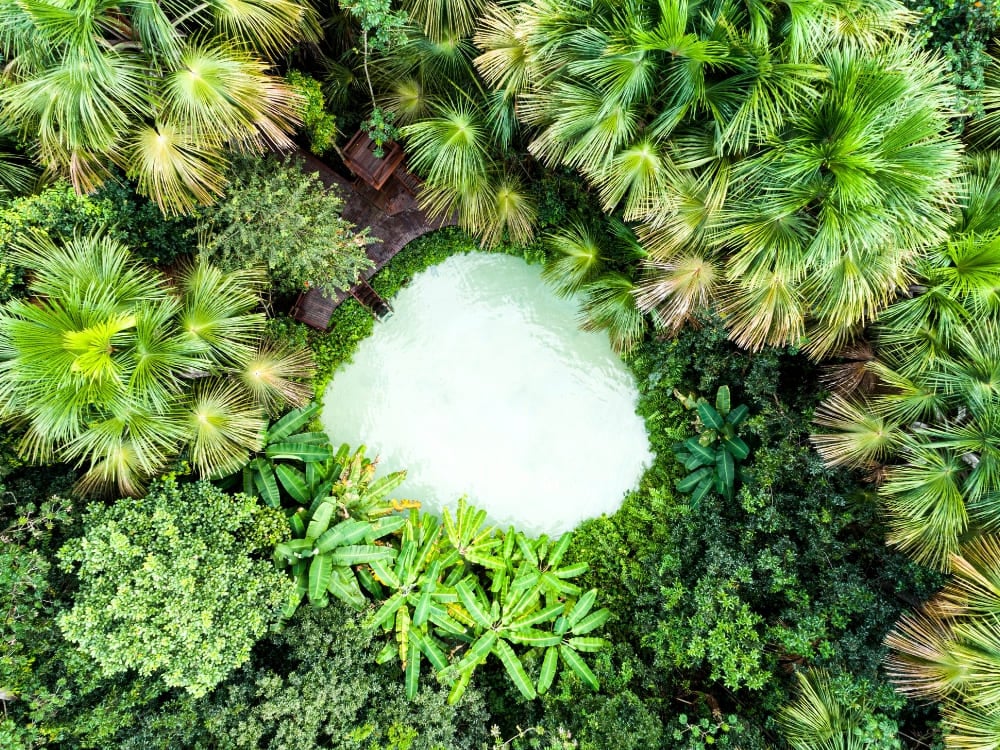
If you love sustainable travel, it’s possible you’ve heard of Jalapão, but Serras Gerais, the “less famous sister”, is also a golden mine for nature junkies.
A 4-hour drive separates these two destinations — a perfect opportunity for travelers who can extend their trips and wish to further explore Tocantins charms!
Jalapão
Jalapão State Park is a true natural paradise, with geological formations dating back thousands of years, starry skies and trails covered by untouched vegetation.
The main protagonists, however, are the fervedouros (natural pools formed by high-pressure springs) of blue and bubbling waters, allowing for dives without the risk of sinking. Make sure to visit Soninho, Macaúbas, Bela Vista, Buriti and Buritizinho fervedouros.
When is the best time to visit Jalapão?
Jalapão is fantastic at any time of the year, but it’s especially suitable from May to September, when there’s less chance of rain and better weather conditions for outdoor walks.
Where to stay in Jalapão?
The state park extends through the municipalities of Mateiros and São Félix do Tocantins, where hotels, inns and hostels are located. To make the most of the trip, tourists usually buy 4 to 6-day vacation packages — which include lodging, guided tours, transfers and meals.
How to get to Jalapão?
Mateiros and São Félix are the park’s entry points, with Palmas Airport (PMW) being the closest. You should arrive in about 4 hours by car — private/group transfer is included in travel packages to Jalapão. Check it out!
👉 Learn more:
Serras Gerais
Serras Gerais the largest chain of mountains in Brazil, covering eight municipalities in Tocantins territory alone. The most important are Natividade, Aurora do Tocantins, Almas and Dianópolis. Lavandeira, Taguatinga, Almas, Pindorama do Tocantins, Rio da Conceição and Paranã are also important surrounding cities.
The main attractions are crystal clear rivers, viewpoints, waterfalls and over 50 caves open for visitation. Azuis River, Encantado Canyon, Bonita Lagoon, Registro Waterfall and Pequizeiro Beach are mandatory stops, but there’s so much to do in Serra Gerais it’s possible to set up a 15-day itinerary!
When is the best time to visit Serras Gerais?
Plan your vacation between April and October, when the weather is stable enough to schedule outdoor activities without major chances of rain.
Where to stay in Serras Gerais?
Accommodation is provided in the surrounding cities, with options for hotels, inns and glamping. Vacation packages, which include lodging and other services, are highly sought after by tourists for convenience and cost-effectiveness.
How to get to Serras Gerais?
Palmas Airport is the closest, but the road route to Serras Gerais is about 400 km, depending on which town you’re going to.
7 – Chapada dos Veadeiros (GO)
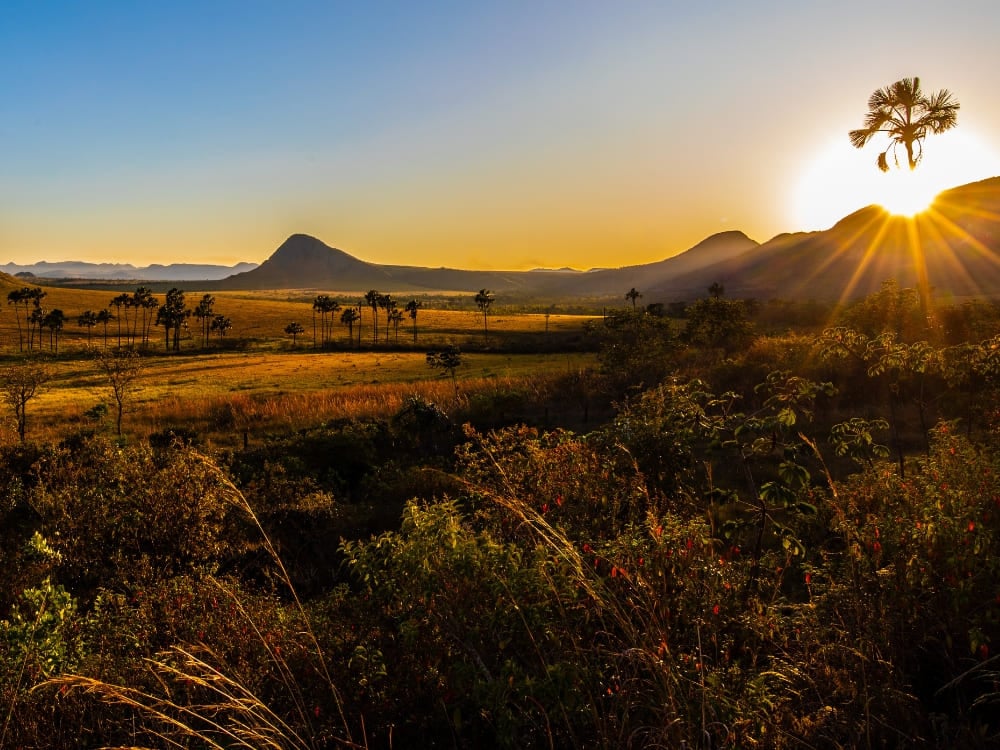
Also in the Cerrado, Chapada dos Veadeiros National Park meets several towns, but Alto Paraíso de Goiás is the main getaway. Trekkers have the chance to explore spectacular places like Chapada Alta, River Preto and numerous rock formations — such as the Moon Valley, named for its lunar-like surface appearance caused by the wear and tear of the stones over time.
The waterfall circuit is a star on its own, considered by many to be the most beautiful in the entire Cerrado. The famous Saltos Waterfall, formed by several 120-meter falls, pools into natural wells that are perfect to cool off after an invigorating walk on the Saltos Trail.
When is the best time to visit Chapada dos Veadeiros?
To make the best of your vacation, it’s important to book your trip in the right season. The best time to go to Chapada dos Veadeiros is between April and July, at the end of the rainy season and at the beginning of the drought, when the waterfalls are still full and the vegetation is beautifully green.
Some trails might be closed, but there are plenty of other options to enjoy!
Where to stay in Chapada dos Veadeiros?
Hotels and inns on the outskirts of Chapada Diamantina start at R$130 (daily rate), but visitors looking for adventure and authenticity usually stay in campsites within the national park — tents and other equipment included in travel packages. It’s quite the experience!
👉 Book now: Trekking Chapada dos Veadeiros
How to get to Chapada dos Veadeiros?
The distance between Brasília International Airport (BSB) and Alto Paraíso is 237 km (3 hours on the road). Check the travel packages details to learn more about shuttle services and other relevant information.
8 – Pantanal (MT/MS)
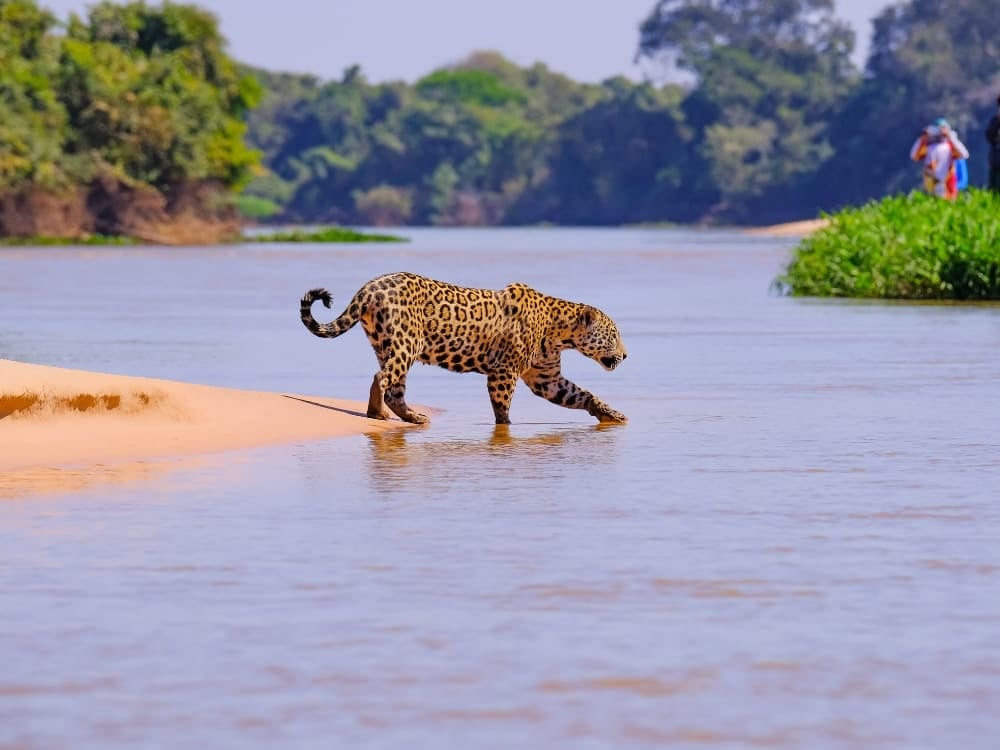
The Pantanal is all about eco-friendly tourism thanks to the natural resources and conservation projects that work tirelessly to protect one of the most fascinating biomes in Brazil. Sustainable travel is also an important instrument for environmental preservation, contributing to the protection of flora, fauna and local communities.
Covering Mato Grosso and Mato Grosso do Sul, the Pantanal is so large and rich that it has different experiences in the north and south. It’s worth knowing both, but it’s important to understand what each region has to offer before planning your trip.
The Northern Pantanal, in Mato Grosso, is accessed by Cuiabá, with Porto Jofre, in the city of Poconé, being the main destination. The area is famous for boat safaris for jaguar spotting and other Pantanal animals.
The Southern Pantanal, in Mato Grosso do Sul, has Campo Grande as a gateway and Aquidauana, Miranda and Corumbá as prominent cities. Savannah and forest hikes, wildlife watching and horseback riding are the main activities.
When is the best time to visit Pantanal?
- Northern Pantanal: dry season (July to October) presents bigger chances for wildlife spotting.
- Southern Pantanal: From May to September, in the dry season, the weather is ideal for land safaris and animal sightings.
How to get to the Pantanal?
- Northern Pantanal: The journey from Cuiabá International Airport (CGB) to Paconé takes about 2 hours. From there, the Transpantaneira Road leads to Porto Jofre (146 km).
- Southern Pantanal: The route from Campo Grande Airport (CGR) to Aquidauana can last up to 3 hours, while the drive to Miranda and Corumbá requires 4-6 hours on the road.
Where to stay in the Pantanal?
Despite the immersion in nature, the hosting experience in the Pantanal can be of a very high standard.
- Northern Pantanal: Lodging in Porto Jofre allows unique experiences on the banks of the Cuiabá River, ideal for those going on safaris for jaguar sighting. Check it out: Pantanal Jaguar Safari in Porto Jofre, Cuiabá.
- Southern Pantanal: There are five-star hotels with comfortable rooms, leisure areas, food, bilingual guides, plenty of activities, etc. Check it out: Luxury Jaguar Safari in the Pantanal.
See other vacation packages in the Pantanal and live the most amazing adventure of your life!
👉 Learn more:
- How to get to Pantanal, Brazil
- North or South Pantanal: Which Is Best to Visit?
- When is the best time to visit Pantanal?
- 10 facts about the Pantanal
9 – Vale do Catimbau (PE)
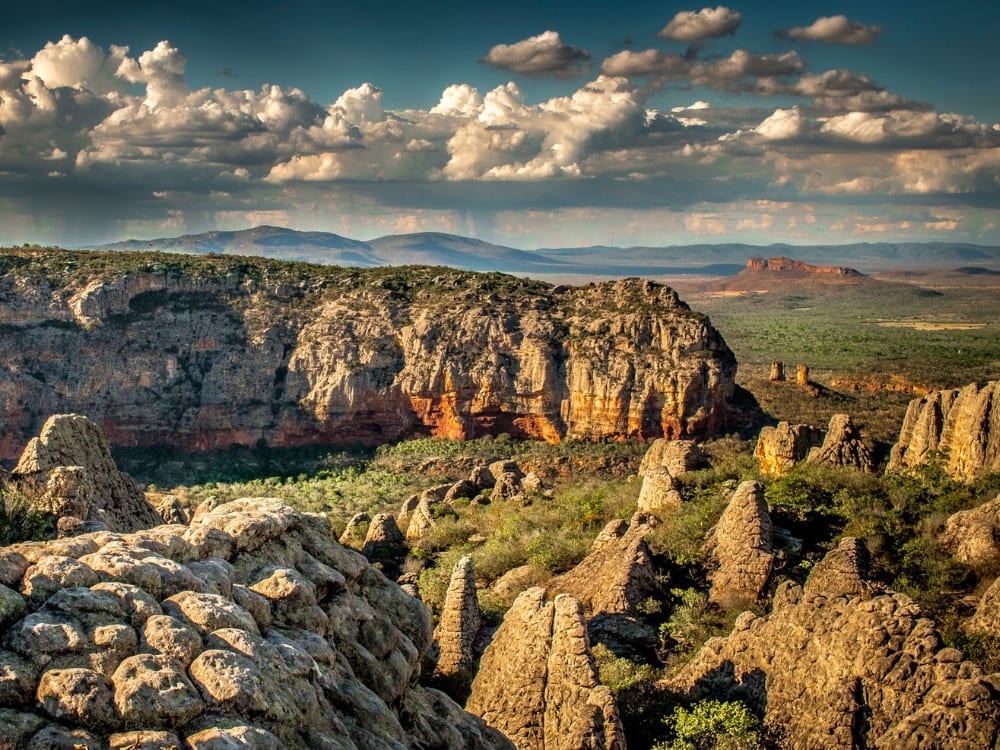
Nature immersion, archaeology and astronomy make Vale do Catimbau one of the most surprising ecotourism destinations in the Northeast of Brazil, even if it’s not as well-known by the general public.
Catimbau National Park showcases the strength of the Caatinga, housing stunning landscapes and trails between valleys, mountains, rock formations and a sky so clear it’s possible to observe satellites and shooting stars. This scenario also hides one of the largest archaeological sites in Brazil, with cave paintings up to 6,000 years old!
Hiring an experienced guide is imperative. In the middle of the wild and the Pernambuco sertão, Vale do Catimbau is extensive and has areas that are difficult to navigate. Safety first!
When is the best time to visit Vale do Catimbau?
The heat is something to consider when planning your trip. From September to December, the sky allows for greater visibility of the stars, but the weather is dry. The temperature is milder from March to August, with more rain, green vegetation and the possibility of temporary waterfalls.
Where to stay in Vale do Catimbau?
Book your accommodation in Buíque, a town that serves the national park. Take your pick of inns, chalets and eco camping (starting daily rates at R$100).
How to get to Vale do Catimbau?
From Recife International Airport (REC) to Buíque, expect a 290 km distance — over 4 hours by car.
10 – Nobres (MT)
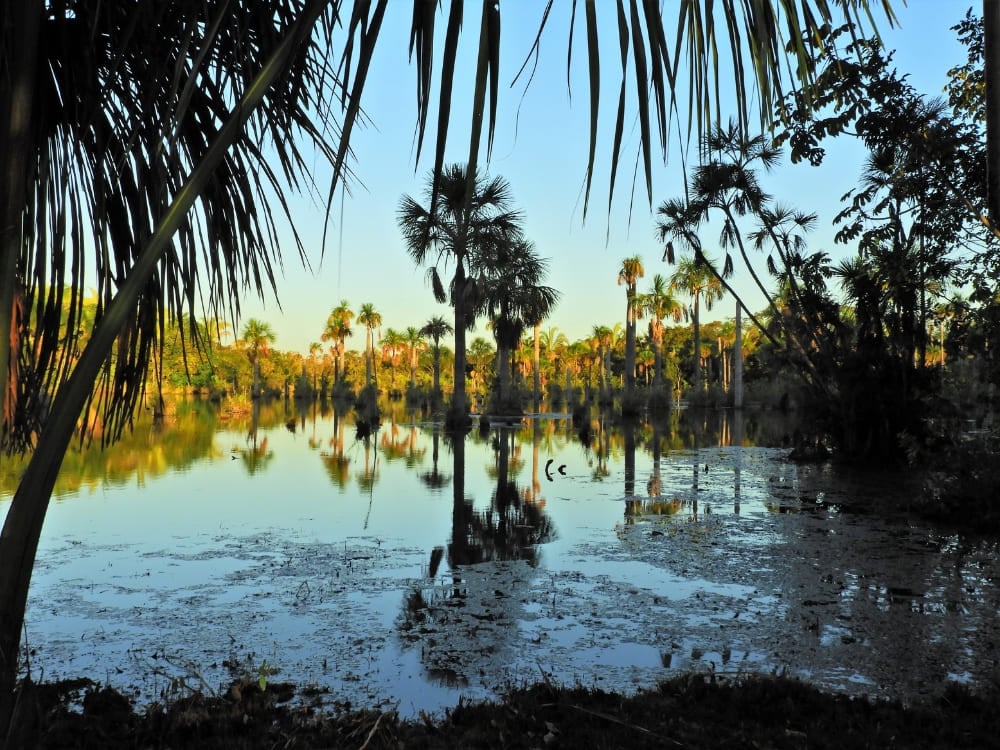
Another nature tourism spot in Mato Grosso is Nobres, a town located in the Center-South region of the state. It’s important to point out, however, that the majority of the attractions are in Vila Bom Jardim, 65 km away.
Visitors are attracted by the trails, caves, zip lines, quad bike rides, buoy-cross, waterfalls and clear, blue water rivers. Just like Bonito — a fantastic sustainable travel destination in Mato Grosso do Sul —, the water bodies are rich in limestone, which allows almost no effort to float. Make sure to visit Salombra and Quebó Grande Rivers, Aquário Encantado, Refúgio das Águas, Lagoa das Araras and Mirante do Serrado!
Environmental preservation is taken very seriously. Local management controls the number of visitors and charges fixed prices on tours, which ensures greater care for natural resources. Therefore, tourists should book experiences in advance through authorized agencies. Check out the list of providers on Nobres official website.
When is the best time to visit Nobres?
The best time to go to Nobres is during the dry season, between May and September. With little to no rain, the waters get even clearer!
Where to stay in Nobres?
Cozy inns are the main accommodation options, with daily rates starting at R$200.
How to get to Nobres?
By plane, the easiest way to get there is through Cuiabá International Airport (COA), but the route to Nobres and Bom Jardim is 187 km and 144 km, respectively. Bus rides, rental car trips or shuttle services provided by the agencies are available transfer alternatives.
11 – Serra da Capivara (PI)
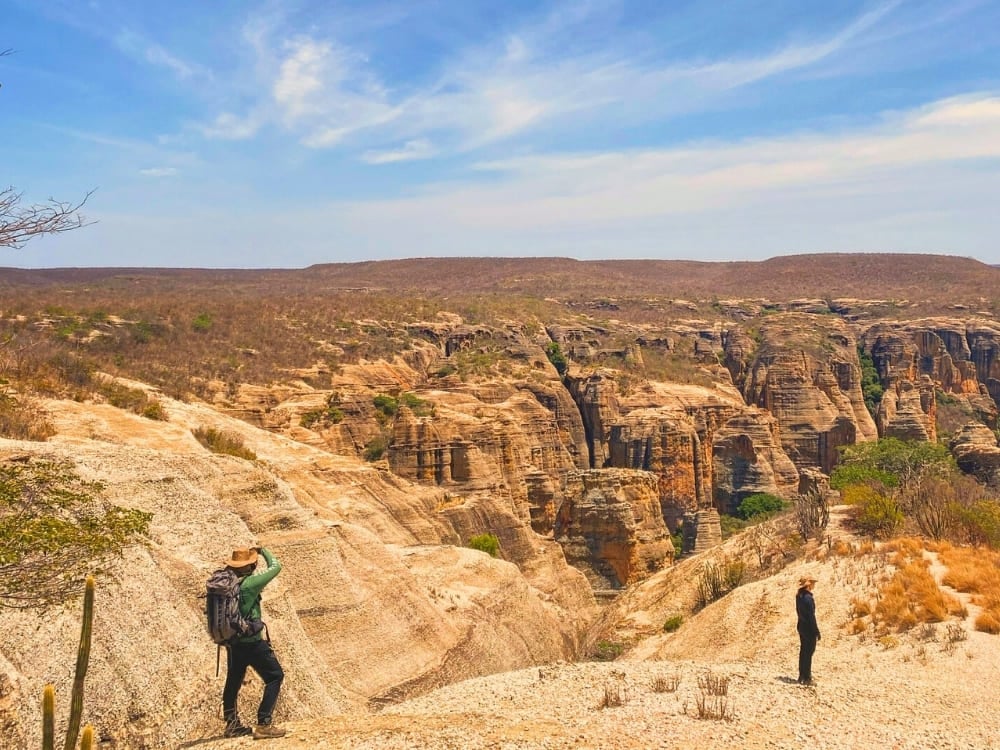
Serra da Capivara National Park is one of the most impressive national parks in Brazil. Caves, rocky walls and trails of different levels of difficulty are scattered across 130,000 hectares.
The real highlight, however, are the archaeological sites. It’s estimated that Serra da Capivara houses almost 30,000 cave paintings over 10,000 years old! History buffs can also visit the Nature Science Museum, which is close to the park.
When is the best time to visit Serra da Capivara?
Book your trip from May to September, when the rain gives Serra da Capivara a break. This allows for better exploration of the archaeological sites, as well as peaceful hiking trails.
Where to stay in Serra da Capivara?
Tourists usually buy travel packages that include guided tours, meals, transportation and lodging in São Raimundo Nonato — a town that provides access to the national park. Prices vary based on trip length, attractions, group size, and hotel category.
How to get to Serra da Capivara?
To reach Serra da Capivara, land at Petrolina Airport (PNZ) and drive 294 km to São Raimundo Nonato.
12 – Cerrado (GO/MG/BA)
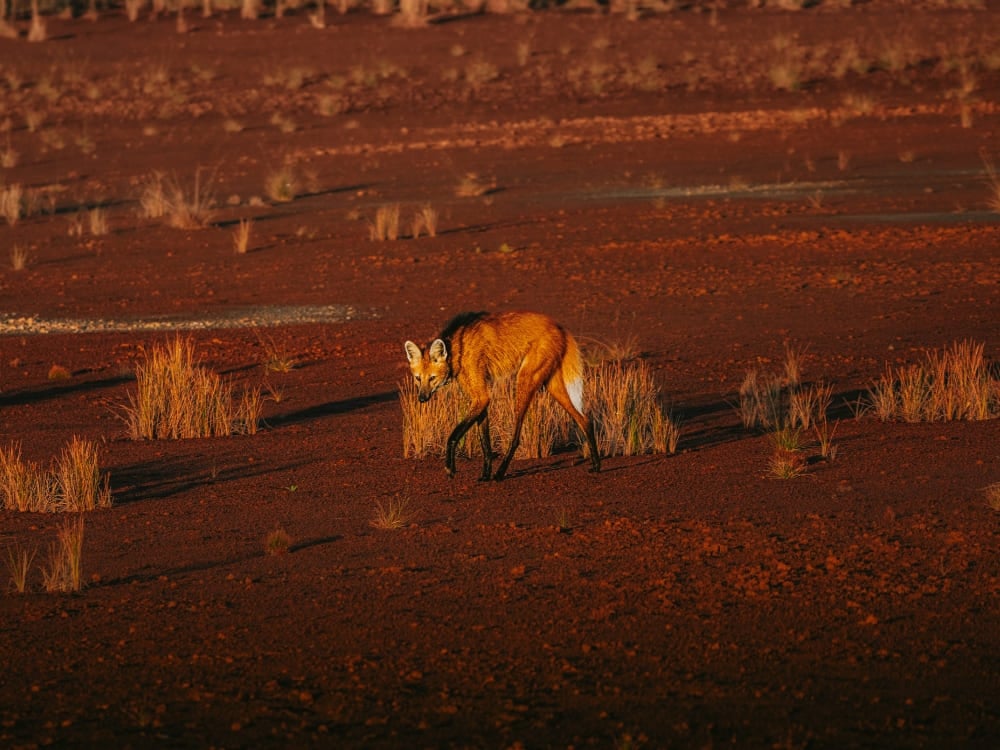
The savanna of Brazil is the Cerrado, a very rich biome that extends over ten states in the North, Northeast, Midwest and Southeast, but this nature destination is located on the triple border of Goiás, Minas Gerais and Bahia: the Pousada Trijunção.
More than a simple inn, Trijunção is an ally of the Cerrado. Regenerative tourism, use of solar energy and demolition timber, rainwater reuse, recycling, separation of organic waste, and employment for locals are some of its most notable sustainable practices.
Certainly one of the best ecolodges in the region, the inn is the perfect accommodation for travelers who are crazy for outdoor activities such as hiking, biking and birdwatching. In partnership with Onçafari — a Brazilian biodiversity conservation project — the sighting of maned wolves is the experience most desired by guests, who embark on night tours to find the largest canid in South America in its natural habitat.
When is the best time to visit the Cerrado?
In the dry season (May to September), trekking and wildlife watching are the best experiences, but it’s during the rainy season (October to April) that the vegetation becomes more vibrant and the rivers get fuller.
How to get to the Cerrado?
Visitors going to Trijunção by air should land at Brasília International Airport (BSB) and continue to their final destination by car or chartered plane — both offered by the inn. On land, the route lasts approximately 5 and a half hours (333.7 km). How to visit the Cerrado.
👉 Book now: Brazil’s Wild Cerrado Tour at Pousada Trijunção
13 – Ibitipoca (MG)
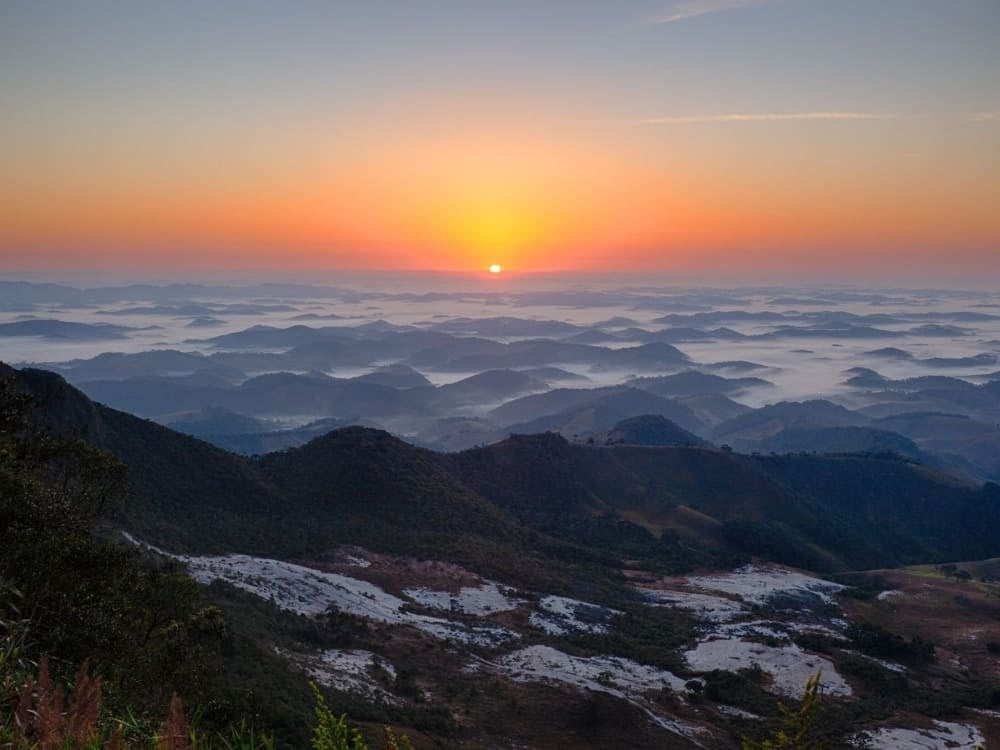
Conceição de Ibitipoca, or simply Ibitipoca, is a district of Lima Duarte, in the Southeast of Minas Gerais. The village may not be very well-known, but it hides natural charms that will make your heart beat faster.
To dive deep into this wonderful place, you should stay at the Ibiti Project, a socio-environmental organization that also offers incredible ecotourism experiences. Currently, the project has more than 6,000 hectares of recovering fauna and flora, in addition to supporting regenerative tourism efforts and economic sustainability. These initiatives ensure greater endorsement for the environment and local communities.
The accommodation in one of the Ibiti’s three facilities (Engenho, Village and Remote) grants a high-end trip enveloped by trails, waterfalls, caves and viewpoints. Explore this little piece of paradise by wildlife watching, bike riding, paddleboarding or swimming in natural pools!
When is the best time to visit Ibitipoca?
From April to September, the weather is great for hiking and outdoor walks, averaging 15° C to 25° C in the fall and ranging from 10° C to 20° C in the winter (daytime). During the summer and spring, the vegetation is vibrant, and the waterfalls are full.
How to get to Ibitipoca?
Land at Zona da Mata Airport (IZA) and head to Lima Duarte by car with the Ibiti Project shuttle service (about 2h30). There is also an airstrip and helipad on the property.
Landing and takeoff of private planes are approved upon evaluation of weather conditions and follow-up with experienced pilots for navigators who have never operated in the area.
14 – Abrolhos (BA)
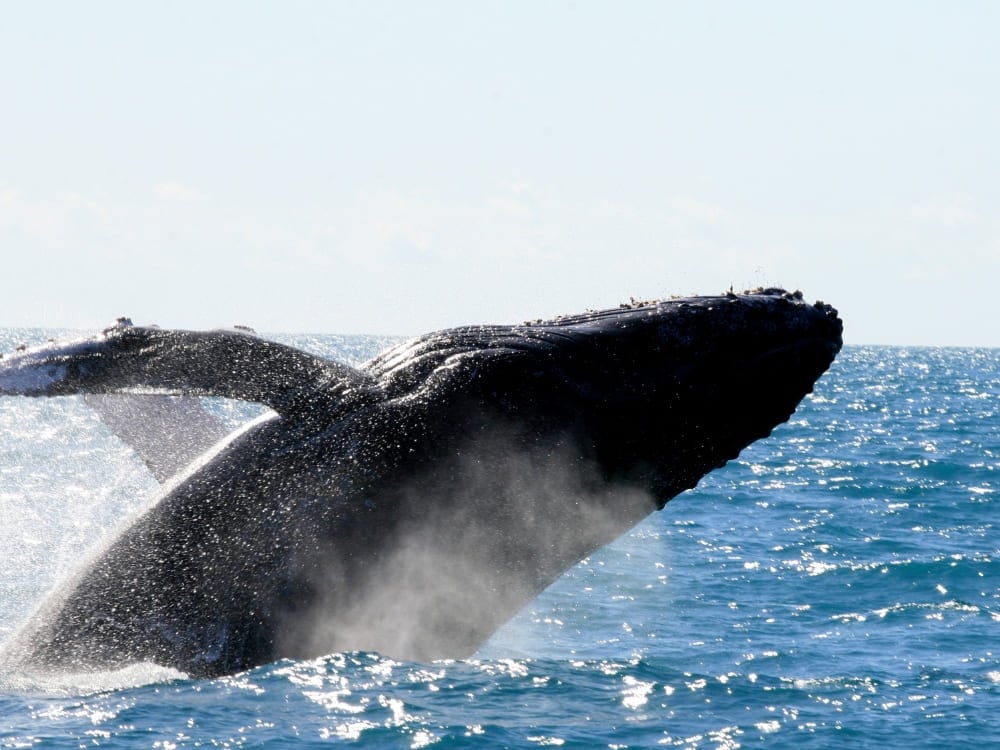
Another perfect ecotourism destination for snorkeling is Abrolhos Marine National Park, on Bahia’s southern coast. Swimming in crystalline waters across the five volcanic islands of the archipelago (Santa Bárbara, Redonda, Guarita, Southeast and Siriba) will get you to the largest coral reef in the South Atlantic, shipwrecks and several marine species, such as the loggerhead sea turtle.
However, the great star of Abrolhos is, undoubtedly, the humpback whale. Every year, attracted by the calm and warm seas of the Bahia coast, these giants migrate from Antarctica to reproduce and deliver their young.
When is the best time to visit Abrolhos?
The whale watching season takes place between July and November, while scuba diving and snorkeling are best enjoyed from December to February.
Where to stay in Abrolhos?
Hotels and inns operate in Caravelas, a small town with 20,000 inhabitants, but many tourists choose to stay in collective or private cabins on catamarans that float in the waters of the national marine park.
In addition to not having to travel to the surrounding cities every day, visitors enjoy a fully immersive trip. That’s the case of the Abrolhos Liveaboard Diving package, perfect for those who can’t wait to explore the stunning sea of Abrolhos. Book now!
How to get to Abrolhos?
To get to Abrolhos, you have to go through Caravelas. The nearest airport is Porto Seguro (BPS), 145 km away. Operated by authorized agencies, boats are the only options to get to the islands.
👉 Learn more:
15 – Fernando de Noronha (PE)
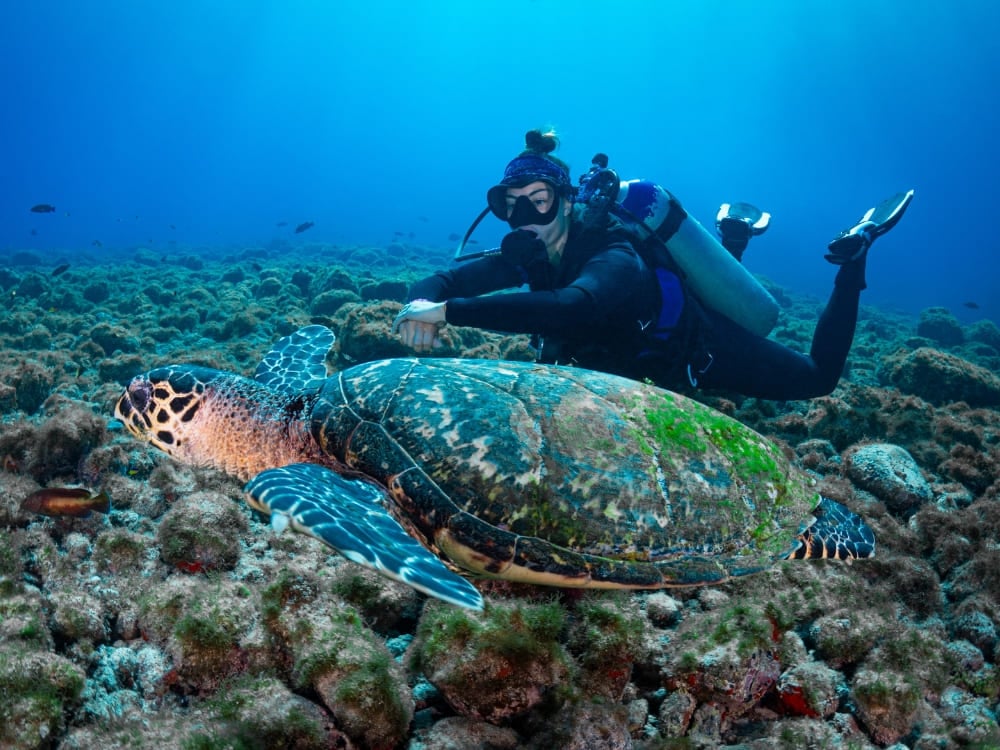
Fernando de Noronha is one of the leading luxury ecotourism destinations in Brazil. A UNESCO World Heritage Site since 2001, the archipelago’s 21 islands are home to clear sand beaches, crystal clear waters, beautiful landscapes and Atlantic Forest vegetation.
The great diving conditions make Noronha a highly sought-after destination for experienced divers and amateurs alike. Underwater, you can find several fascinating species of Brazilian marine fauna, including spinner dolphins, hawksbill sea turtles, green sea turtles and lemon sharks.
Other experiences include tours to some of the archipelago’s postcards: Cacimba do Padre, Baía dos Porcos, Praia do Sueste, Praia do Leão, Mirante do Boldró and more!
When is the best time to visit Fernando de Noronha?
From August to February, with a peak in October, visibility is perfect for underwater photography and marine animal sightings, but Noronha has amazing experiences all year round.
Where to stay in Fernando de Noronha?
The archipelago is filled with hotels and inns of different categories. Depending on the travel package, lodging is included or must be booked separately.
👉 Book now: Fernando de Noronha Diving Packages
How to get to Fernando de Noronha?
The most common route is between Recife International Airport (REC) and Fernando de Noronha Airport (FEN), but there are also flights from São Paulo (GRU) and Natal (NAT).
👉 Learn more:
- Diving in Fernando de Noronha: 2025 Ultimate Guide
- When is the Best Time to Dive in Fernando de Noronha, Brazil?
- How to get to Fernando de Noronha, Brazil?
- 10 fun facts about Fernando de Noronha
Visit Brazil’s best ecotourism destinations with PlanetaEXO
Now that you know the best places for ecotourism in Brazil, how about we start planning your trip? At PlanetaEXO, you will find sustainable activities, accommodation options that meet your needs and amenities for an unforgettable vacation. Contact us now!
Keep reading
June 1, 2026
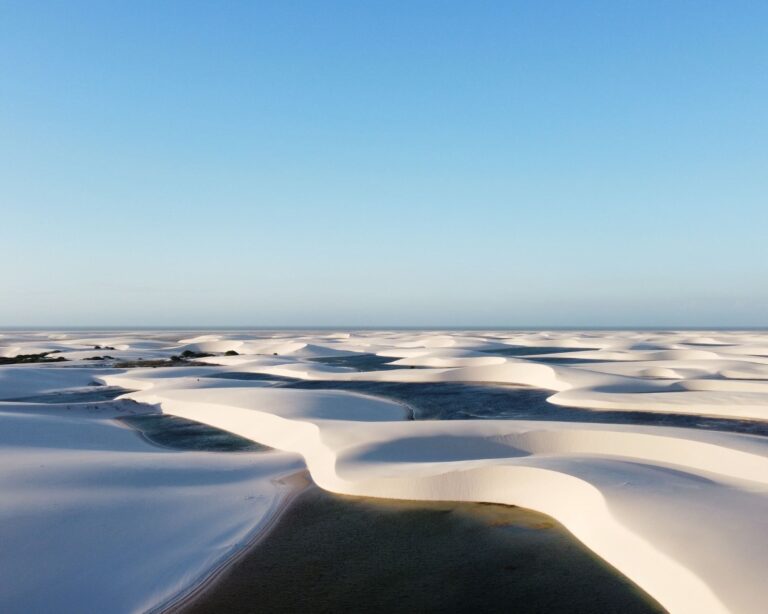
How to visit the Lençóis Maranhenses National Park: Travel Guide
Learn everything you need to know to travel to Lençóis Maranhenses in Brazil, including how to get there, the best time to visit, main activities, and more! Are you seeking adventure, relaxation, and breathtaking views? Then you should head to Lençóis Maranhenses National Park, a vast expanse of undulating sand dunes and crystal-clear pools that […]
May 22, 2026
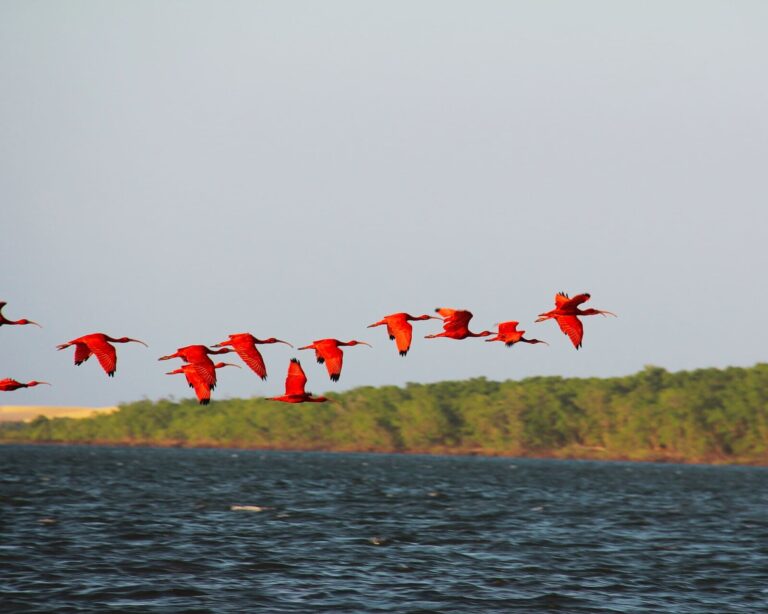
Route of Emotions in Brazil: itinerary, map, and best time to visit in 2026
Map, how many days you need, and how to travel the route that connects Lençóis Maranhenses (MA), Delta do Parnaíba (PI), and Jericoacoara (CE) The Route of Emotions is the tourist itinerary that links three of the most sought-after destinations in northeastern Brazil: Lençóis Maranhenses (MA), Delta do Parnaíba (PI), and Jericoacoara (CE). It spans […]
May 21, 2026
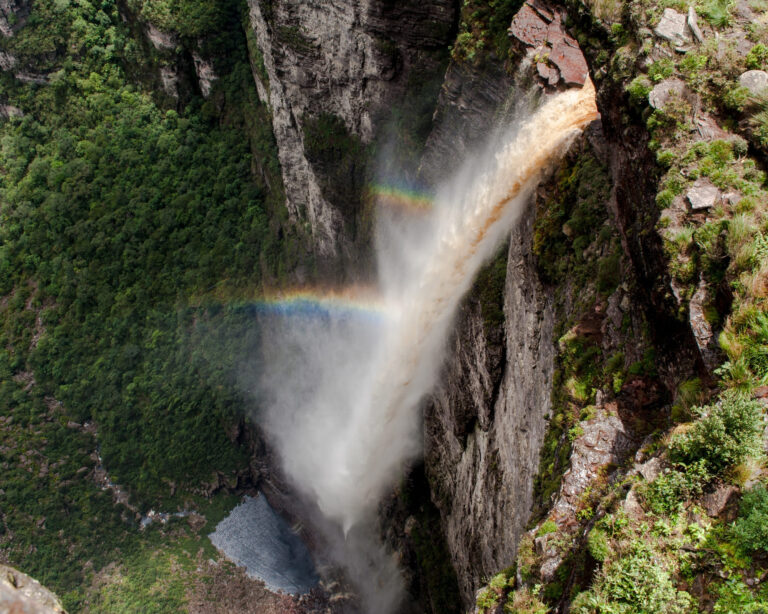
Chapada Diamantina Waterfalls: Best Trails and Hidden Gems
Discover the waterfalls that shouldn’t be missed on your trip to Chapada Diamantina National Park! The waterfalls of Chapada Diamantina are some of the best known and most beloved in Brazil. To reach them, travelers hike along trails that cross mountains, deep valleys, ancient caves, gorgeous vegetation, and breathtaking vistas. Have you ever thought about […]