
From a 12-million-year-old volcano to a record turtle season, these 10 Fernando de Noronha facts explain what makes this archipelago worth the visit
Fernando de Noronha is a volcanic archipelago of 21 islands in the equatorial Atlantic, about 345 km off Brazil’s northeast coast. It belongs to the state of Pernambuco, and only its main island is inhabited. Roughly 70% of its land and sea area is protected within a marine national park, an area officially recognized as a UNESCO World Heritage Site since 2001.
Learning some Fernando de Noronha facts helps travelers get a better feel of the place, such as its history, rich wildlife, and conservation initiatives. Want to know what this island hides?
PlanetaEXO, an ecotourism platform specializing in Fernando de Noronha tours, has put together this list of 10 facts you should know before booking your trip. Check it out below!
1. It’s a 21-island volcanic archipelago up to 12 million years old
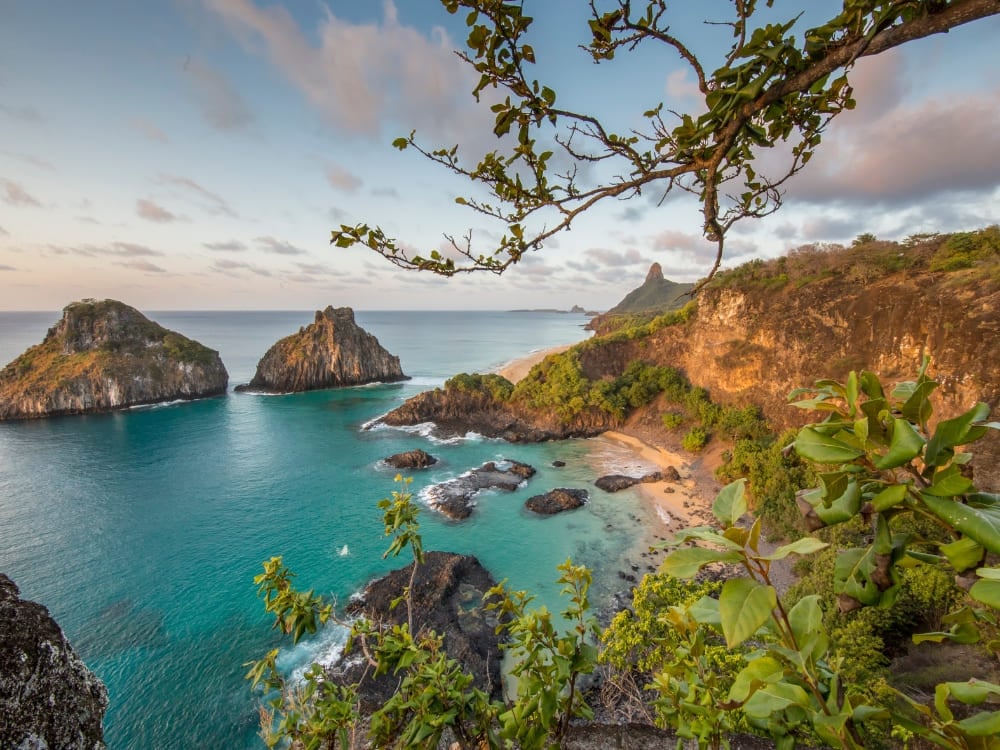
The whole archipelago measures 26 km², spread across 21 islands, islets, and rocks. The main Fernando de Noronha island accounts for about 17 km² of that and is the only one with people living on it; the rest are uninhabited islets that serve as seabird colonies.
The islands are the visible tip of an extinct volcanic system. Geologists recognize two main phases of volcanism: the Remédios Formation, whose oldest dated rock is about 12.3 million years old, and the younger Quixaba Formation, active roughly 3.3 to 1.7 million years ago.
Those lava flows and volcanic plugs explain the dark cliffs and pinnacles, such as Morro do Pico.
2. Closer to Africa than to São Paulo
Where is Fernando de Noronha, exactly? The nearest mainland point is Cabo de São Roque, in Rio Grande do Norte, 345 km away. Natal is 361 km away, and Recife is 545 km away.
The archipelago sits about 2,600 km from Africa, closer than it is to São Paulo (2,772 km) and closer than Curitiba or Porto Alegre, in the south of Brazil. It also lies in the path of the South Equatorial Current, which flows westward across the Atlantic and bathes the islands in warm water of around 26–27 °C.
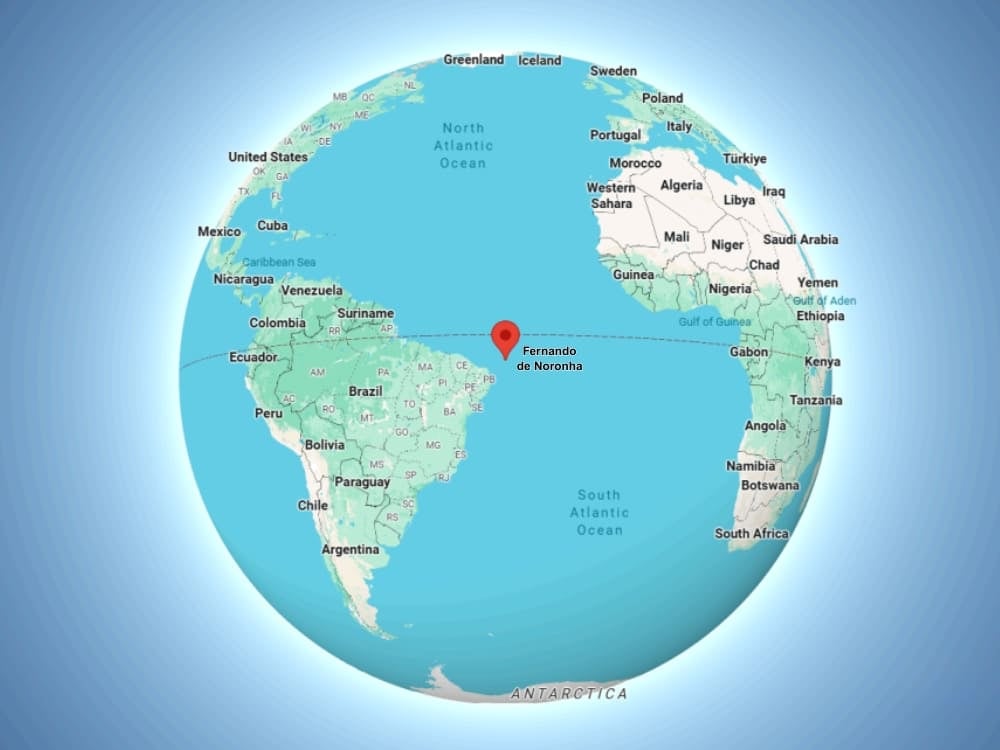
One popular claim doesn’t hold up, though: Fernando de Noronha, Brazil, is not the country’s easternmost point. On the mainland, that title belongs to Ponta do Seixas, in Paraíba. Counting islands, the easternmost Brazilian territory is the Martim Vaz group, part of the Trindade and Martim Vaz archipelago, which sits farther east in the Atlantic, on the Espírito Santo coast.
👉 Read more: When is the Best Time to Dive in Fernando de Noronha, Brazil?
3. BR-363 is the only federal highway on an oceanic island
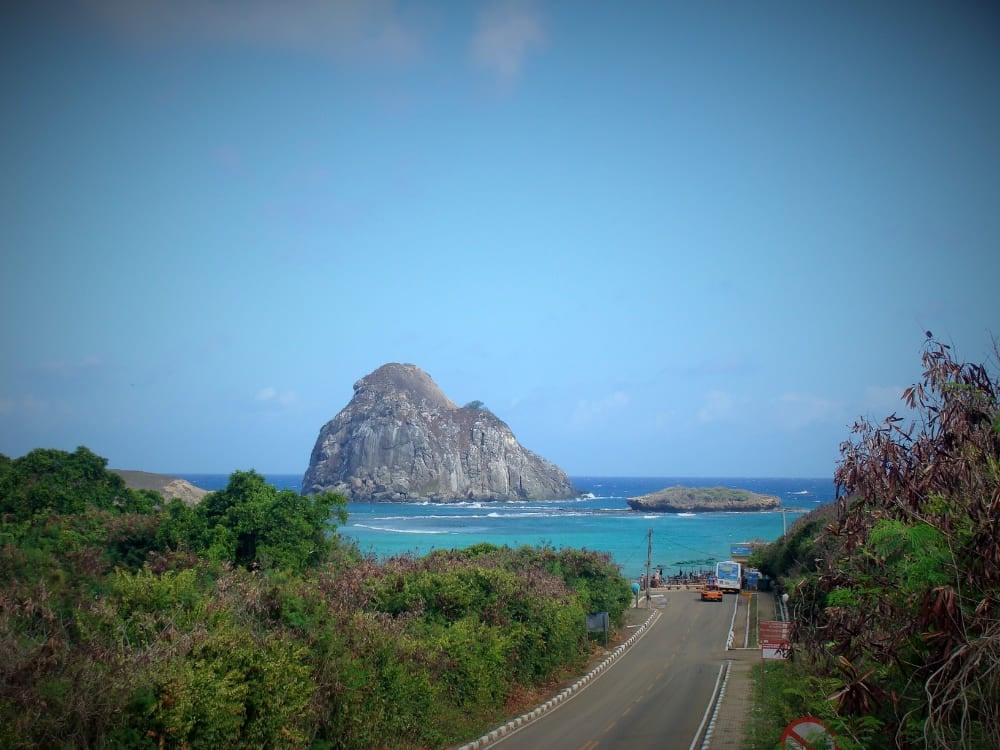
Noronha has its own federal highway. The BR-363 runs 6.8 km, from the Port of Santo Antônio to Baía do Sueste, according to DNIT, Brazil’s federal transport infrastructure department.
DNIT describes it as the smallest highway in Brazil’s Northeast and the only one on an oceanic island. It’s often called the shortest federal highway in the whole country, but that superlative is disputed.
👉 Read more: How to get to Fernando de Noronha, Brazil?
4. It went from Brazil’s first captaincy to a prison island
The recorded history of Fernando de Noronha starts in 1503, when a Portuguese expedition sighted the islands. In 1504, King Manuel I granted them to the merchant Fernão de Loronha as the Captaincy of São João, Brazil’s first hereditary captaincy. Loronha never settled there, but the archipelago still carries his name.
Portugal only took firm control in 1737, building a defensive network of 10 forts and turning the island into a penal colony. It remained a prison for about two centuries: a common jail until 1938, then a prison for political detainees.
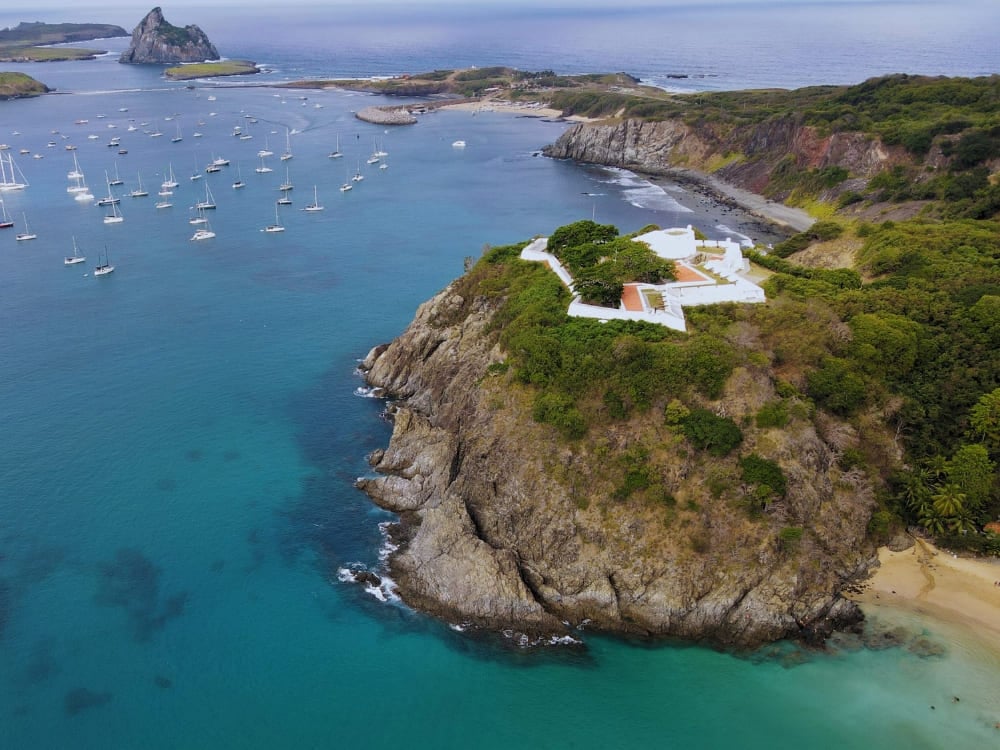
In 1942, during World War II, Brazil made Noronha a Federal Territory, transferred the prisoners to Ilha Grande, and hosted a US Navy base near Baía do Sueste.
Military administration followed for decades (first the Army, then the Air Force and the Armed Forces General Staff) until 1988, when the new Brazilian Constitution returned the archipelago to Pernambuco. The same year, most of it became a national park.
5. UNESCO World Heritage Site and visitation control
In 2001, UNESCO inscribed the Brazilian Atlantic Islands: Fernando de Noronha and Atol das Rocas Reserves on its World Heritage list, recognizing their natural beauty, the ecological processes of oceanic islands, and their importance for threatened species.
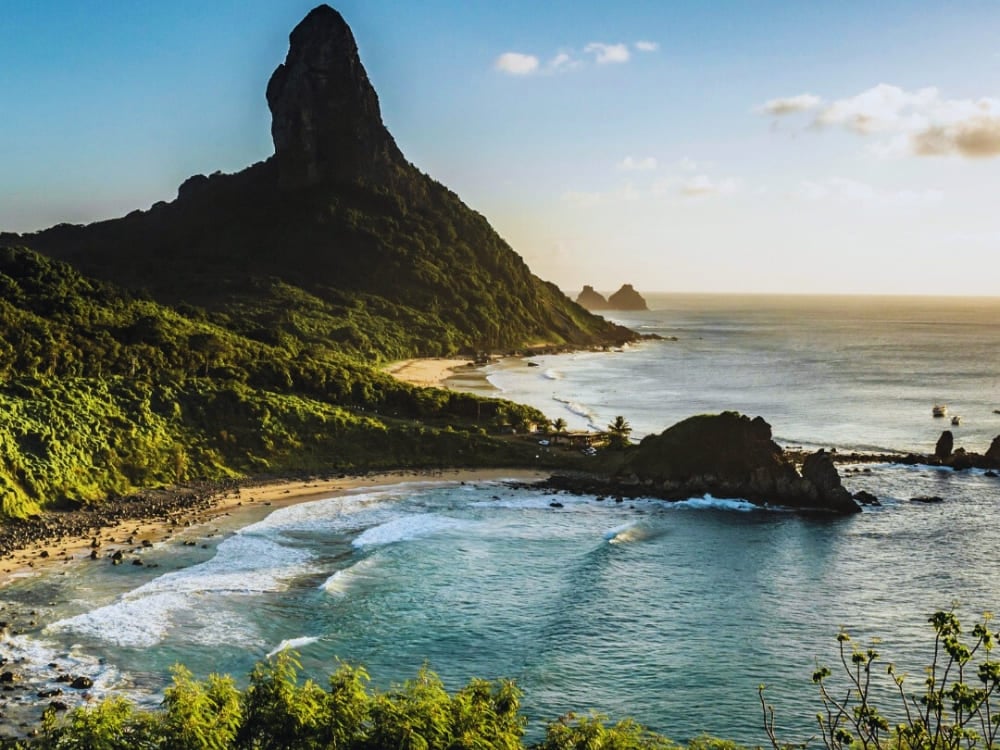
The core of that protection is Fernando de Noronha National Park, officially a Marine National Park, created in 1988 and managed by ICMBio, Brazil’s federal protected-areas agency. It covers about 70% of the archipelago, land and sea; the inhabited area falls within an Environmental Protection Area with looser rules.
The park also holds Baía do Sancho, named the world’s best beach by Tripadvisor’s Travelers’ Choice awards six times (2014, 2015, 2017, 2019, 2020, and 2023).
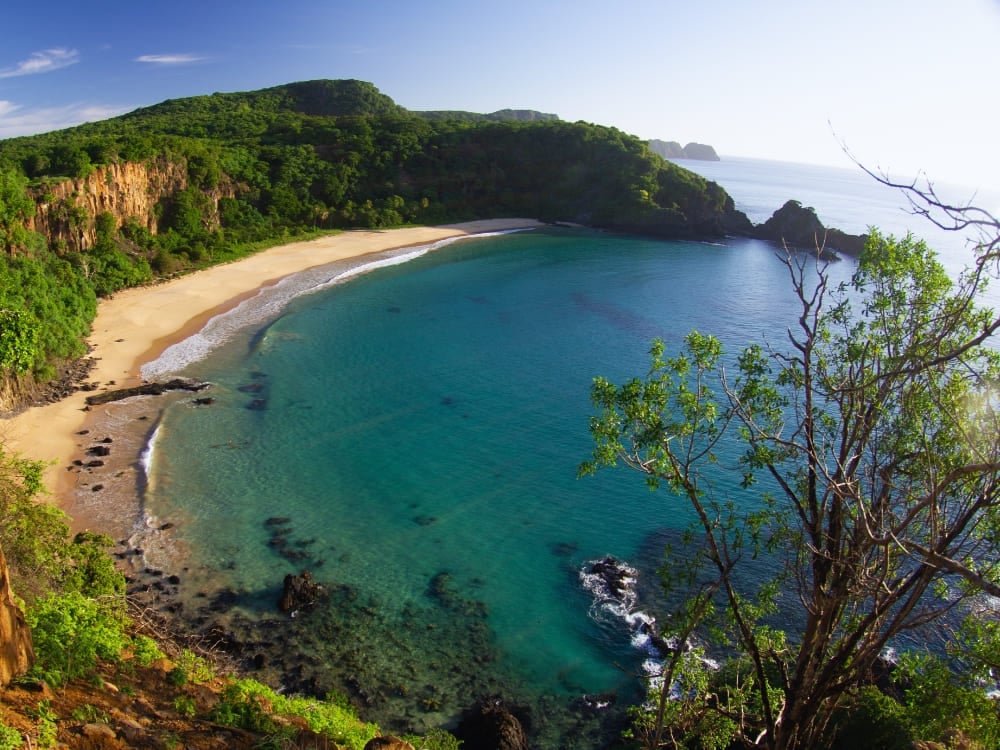
To protect this beauty, an agreement between ICMBio and Pernambuco caps visits at 132,000 a year and 11,000 a month and establishes two fees, which are updated periodically:
- Environmental Preservation Fee (TPA): R$ 105.79 for one day and R$ 901.36 for 10 days.
- National park ticket: R$ 384 for foreign visitors and R$ 192 for Brazilians (valid for 10 days).
👉 Read more: National Parks in Brazil Every Nature Lover Should Visit
6. Just over 3,000 residents and (almost) no births on the island
Brazil’s 2022 census counted 3,167 residents, up from 2,630 in 2010: the population grew by about 20% in 12 years, all of it concentrated on the main island.
This figure is directly linked to an unusual Fernando de Noronha fact: births are avoided on the island. The maternity ward at Hospital São Lucas closed in 2004, and pregnant residents are expected to travel to the mainland at around 28 weeks (the seventh month) to give birth, with expenses covered by the public authorities.
It’s a health protocol, not a law, and emergencies still happen: in July 2026, a woman gave birth in Noronha at 41 weeks.
👉 Read more: Where to stay in Fernando de Noronha?
7. Its endemic species earned it the nickname “Galápagos of Brazil”
Like the Galápagos, Noronha evolved in isolation, and part of its fauna exists nowhere else. The nickname “Galápagos of Brazil” is a media label rather than an official title, but the endemic species behind it are real. Fernando de Noronha wildlife includes:
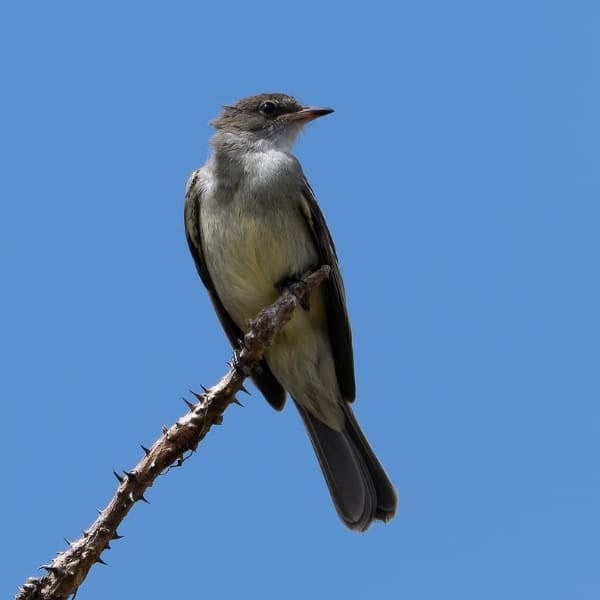
- Noronha elaenia (Elaenia ridleyana), a small flycatcher found only on the archipelago.
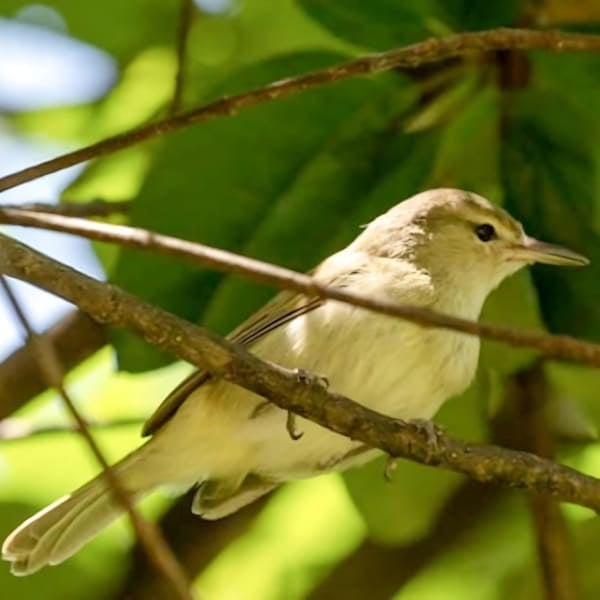
- Noronha vireo (Vireo gracilirostris), a songbird listed as Vulnerable by BirdLife International.
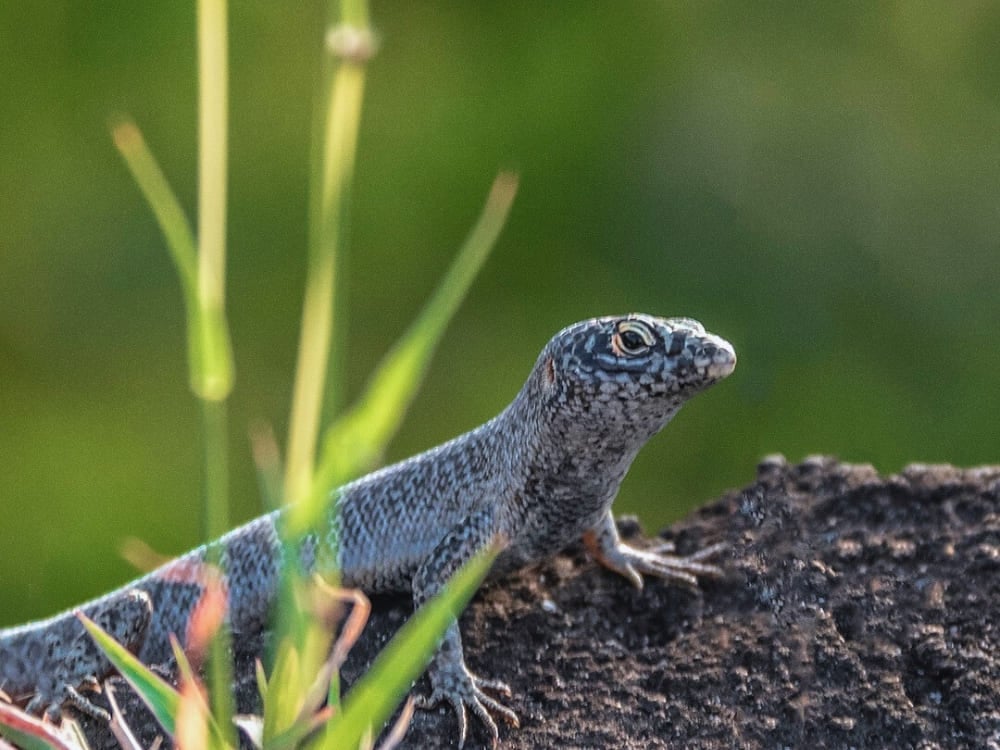
- Noronha skink (Trachylepis atlantica), the lizard often seen sunbathing on rocks and trails.
- 10 endemic reef fish species, according to the district administration’s marine fauna survey, among them the Noronha cleaner goby (Elacatinus phthirophagus), found nowhere else on Earth, and the Rocas gregory (Stegastes rocasensis), found mainly around Noronha and nearby Atol das Rocas.
The archipelago also shelters one of the largest seabird breeding colonies in the tropical South Atlantic, with red-footed boobies, brown boobies, frigatebirds, and tropicbirds nesting on its cliffs and outer islets.
👉 Read more: Best Brazil Wildlife Tours and Destinations
8. Dolphins, sharks and sea turtles
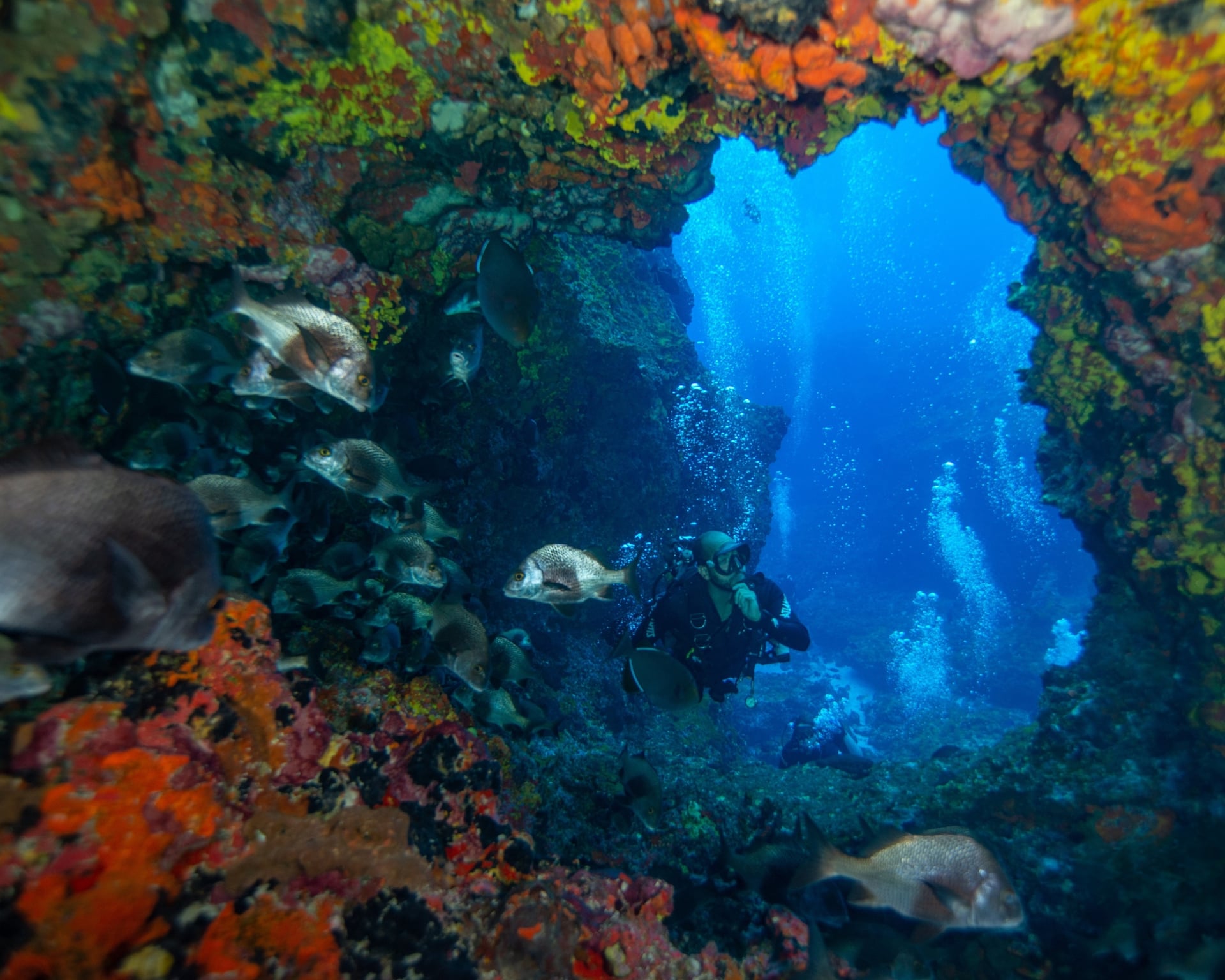
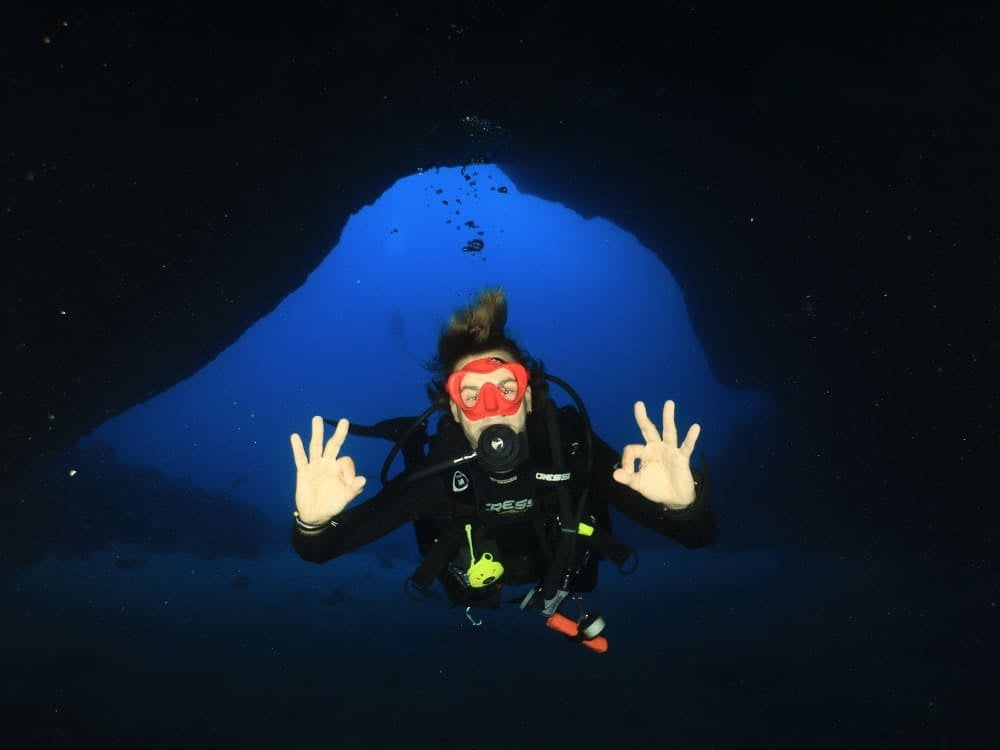
A fact about Fernando de Noronha is that a good chunk of visitors, mainly professional or amateur divers, are attracted by its rich marine wildlife. Three groups of animals are worth mentioning.
Spinner dolphins
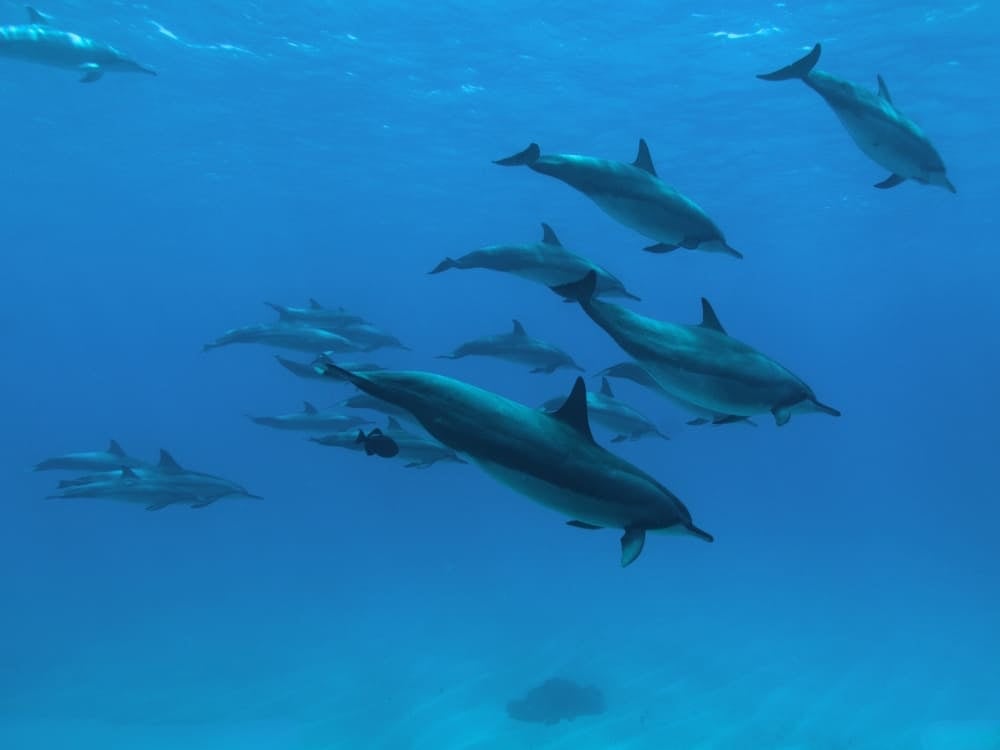
The spinner dolphins of Fernando de Noronha gather in Baía dos Golfinhos to rest after feeding offshore at night.
Between 1991 and 2015, researchers from Projeto Golfinho Rotador recorded them entering the bay on 94% of days, in groups ranging from 2 to 2,719 animals, an average of 284 a day. UNESCO and the IUCN describe it as the highest known population of resident dolphins in the world.
Because swimming and boats are strictly prohibited inside Baía dos Golfinhos, visitors can observe the dolphins early in the morning from the clifftop lookout at Mirante dos Golfinhos.
Sharks
The most common sharks in Fernando de Noronha are nurse sharks, lemon sharks, and Caribbean reef sharks. Since the surrounding waters serve as crucial nursery grounds for juveniles, sightings are a regular highlight for both snorkelers and scuba divers.
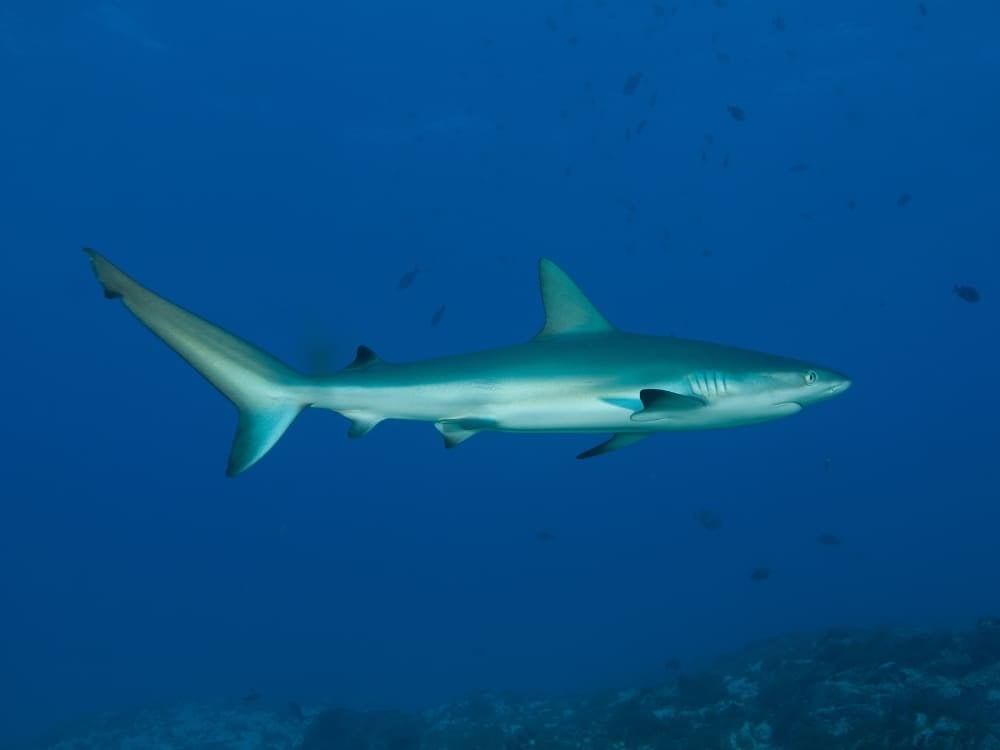
Attacks on humans are rare, but it is important to remember that these are wild animals. Sharks tend not to bother anyone unless they are disturbed. Therefore, during diving expeditions, keep your distance and follow your instructor’s guidelines.
Sea turtles
The sea turtles in Fernando de Noronha belong to two species. Green turtles (Chelonia mydas) come ashore to nest from December to June or July, mainly on Praia do Leão. The 2024/25 season set a record, with more than 766 nests, the highest count since monitoring began in 1994.
Hawksbill turtles (Eretmochelys imbricata) don’t nest here; juveniles feed on the reefs, making snorkel sightings common. Listed as Critically Endangered by the IUCN after an 80%+ decline over three generations, they receive strict protection.
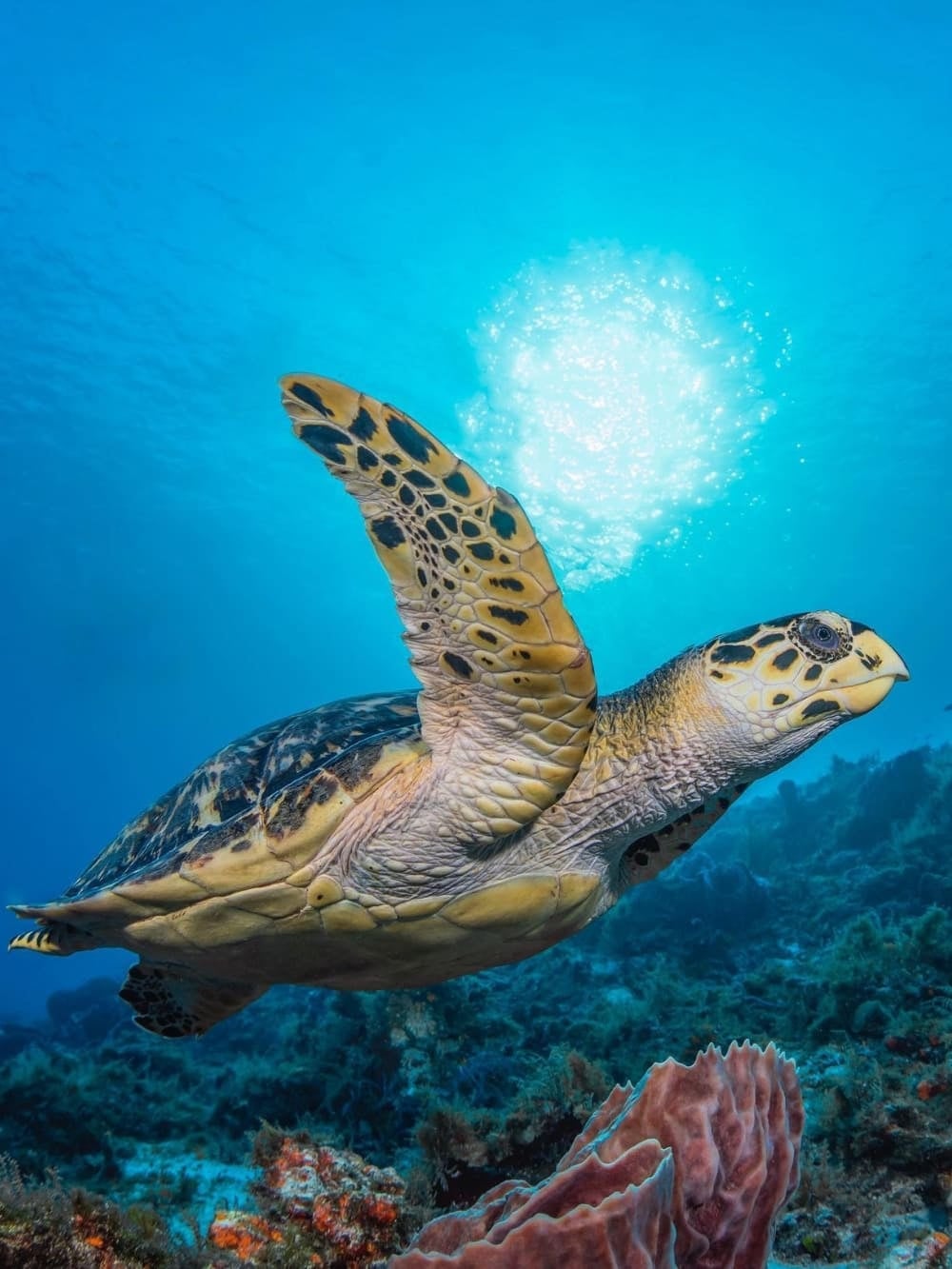
Furthermore, Leão Beach is the primary nesting site for green sea turtles, but it is closed at night and has restricted access from 5 PM onwards.
9. Shipwrecks and coral reefs
Below the surface, the district administration counts 169 reef fish species and 11 coral species. Noronha’s reefs also hide some of Brazil’s best-known wreck dives.
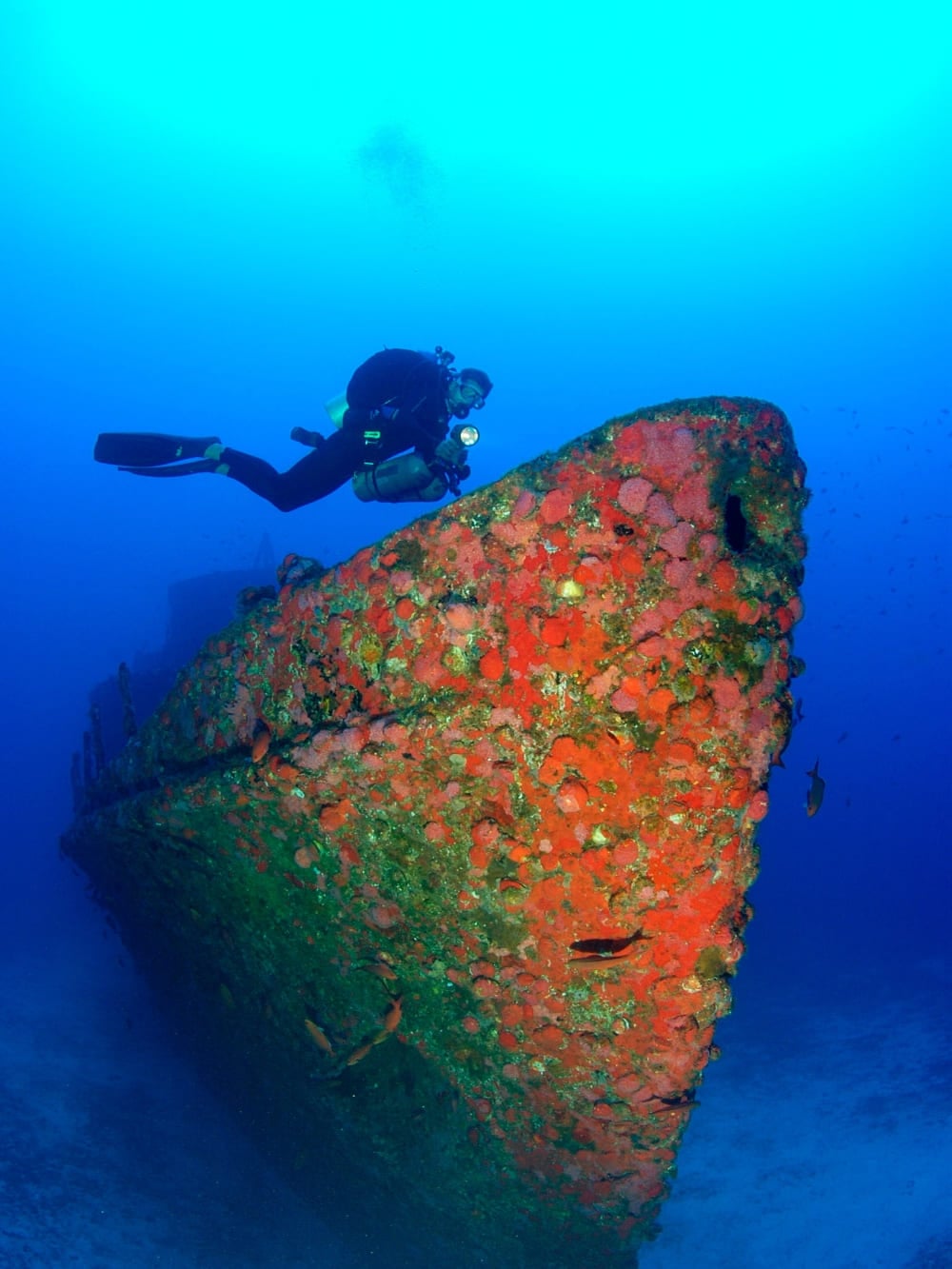
The most famous is the Corveta Ipiranga V-17, a Brazilian Navy corvette that struck the submerged Cabeço da Sapata rock in October 1983 and sank in about eight hours, with no deaths. It now rests upright at 55–62 meters, a technical dive reserved for specially trained divers.
Much closer to the surface, two Greek ships lie side by side in Baía de Santo Antônio: the Eleni Stathatos, which ran aground in 1929, and the Maria Stathatos, which burned in port in 1937, both in 1 to 8 meters of water.
👉 Read more: Best Diving Spots in Fernando de Noronha
10. Plastic-free island in transition to clean energy
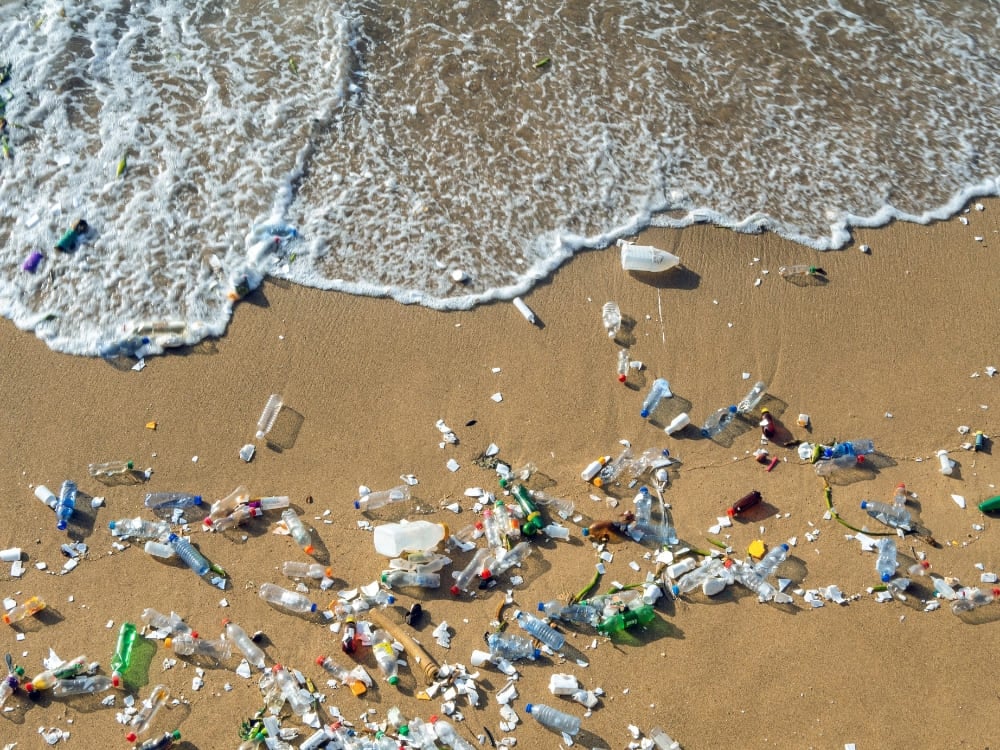
In December 2018, the district administration signed the Noronha Plástico Zero decree, which took effect in April 2019. It bans the sale and use of single-use plastics on the island, including straws, cups, plates, cutlery, plastic bags, styrofoam food containers, and plastic bottles under 500 ml.
Energy is the harder problem. Most of the island’s electricity still comes from the Tubarão thermal power plant, which burns diesel and biodiesel, while the Noronha I and II solar plants supply around 10%.
However, that is starting to change: the Noronha Verde project, led by the power company Neoenergia, combines 22 MWp of solar panels with a 49 MWh battery system. Its first panels have been feeding the grid in testing since May 2026, with full operation planned for 2027 and a goal of 100% renewable electricity.
Ready to visit Fernando de Noronha? Plan your vacation with PlanetaEXO!
Now that you know these 10 Fernando de Noronha facts, it’s time to see the island up close!
PlanetaEXO is an ecotourism platform specializing in scuba diving in Brazil. By working with the best local operators and following sustainable protocols, our talented team helps you with hassle-free vacation planning and tailor-made experiences. Contact us now!
Keep reading
October 14, 2026
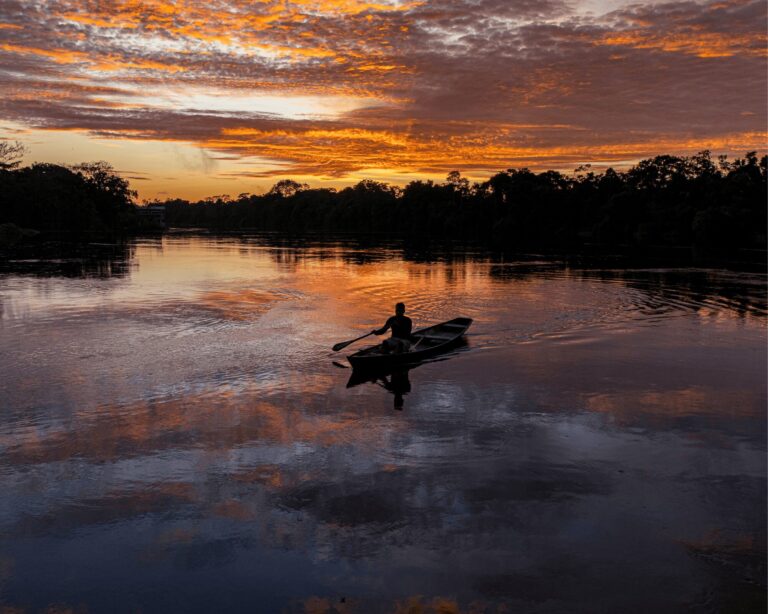
10 Tips to Make the Most of Your Amazon Tour From Manaus, Brazil
Booked an Amazon tour from Manaus in Brazil? See 10 tips to enjoy your experience, including what to eat, what to do, how to be safe, and what to avoid!
October 1, 2026
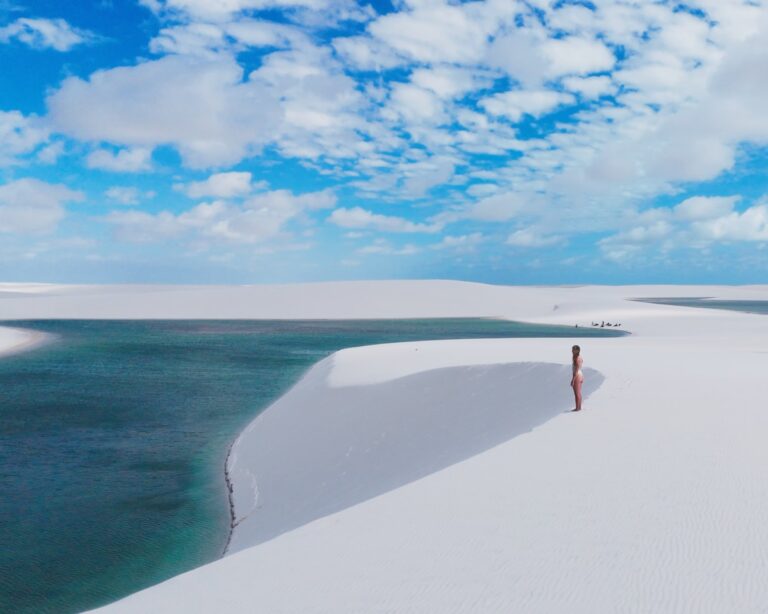
PlanetaEXO’s new mini-doc showcases ecotourism in Lençóis Maranhenses
In “Lençóis Maranhenses: Far From The Crowds, Close To What Matters”, PlanetaEXO’s mini-doc shows how ecotourism is changing life for local communities.
September 30, 2026
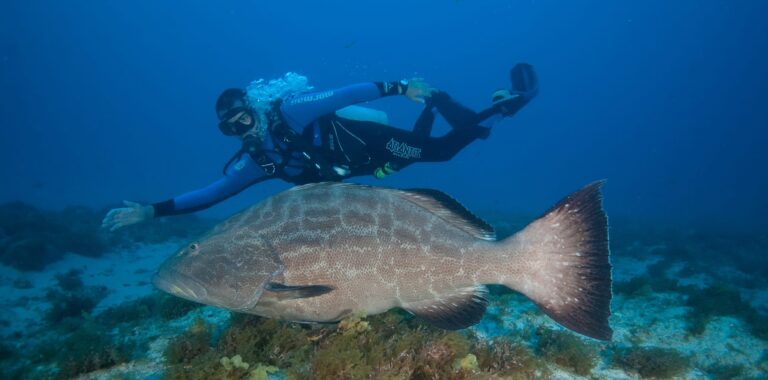
Best Dive Sites in Fernando de Noronha: 21 Spots by Depth and Level
The 21 best dive sites in Fernando de Noronha, with depth, seaside, and level for each, from 8 m beginner reefs to the 62 m Corveta Ipiranga wreck.