
Planning your Pantanal trip? From location to wildlife and ecological relevance, discover 10 incredible facts about this natural paradise in the heart of Brazil!
The largest wetland on the planet, the Pantanal is a fascinating biome that many people consider the beating heart of South America due to the abundant fauna and flora, as well as environmental importance.
This beautiful place is so important, it has its own day. Pantanal Day is celebrated on November 12th, in honor of environmentalist Francisco Anselmo Gomes de Barros, who bravely fought against installing alcohol and sugar plants in the Paraguay River basin, in 2005.
Knowing the history of this biome is a good starting point for honoring those who took action to protect it. That’s why PlanetaEXO, an ecotourism platform specializing in Pantanal tours, has put together a list with 10 facts about the Pantanal. Check it out!
1 – Where is the Pantanal: territory as big as three European countries
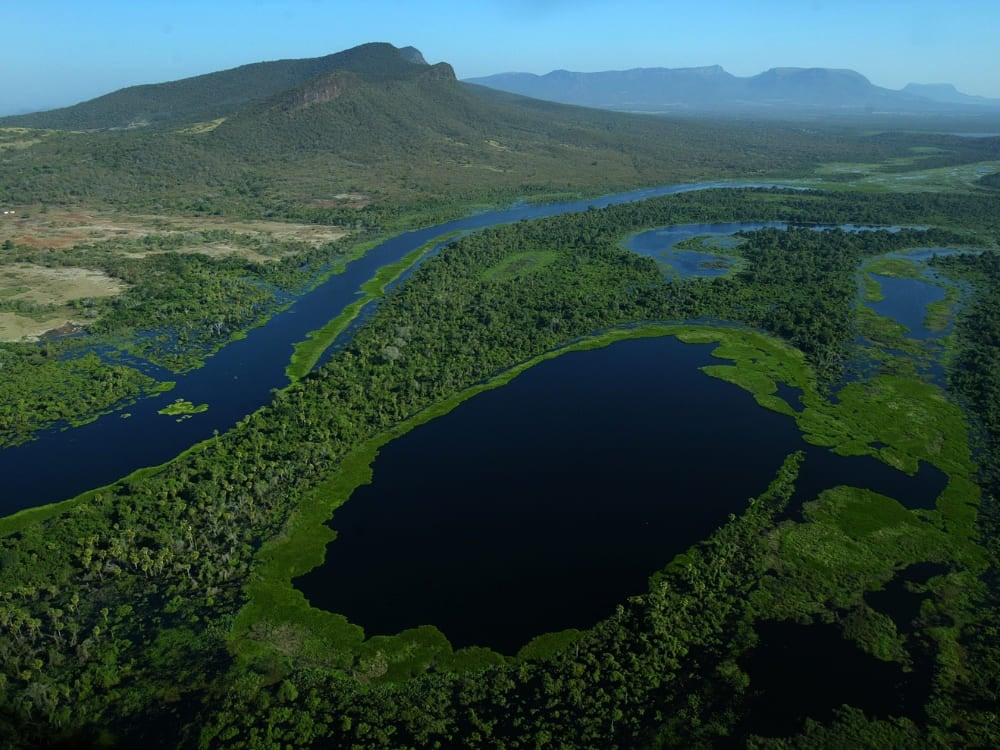
The Pantanal is mostly located in Brazil, more precisely in the states of Mato Grosso and Mato Grosso do Sul, extending itself across parts of Paraguay and Bolivia.
Between North and South Pantanal, the area spans over 210,000 km², representing 1.76% of Brazilian territory. This area is so big it can fit Hungary (93,000 km²), Serbia (77,000 km²) and Switzerland (41,000 km²) combined!
👉 Read more: How to get to the Pantanal, Brazil
2 – Home of jaguars
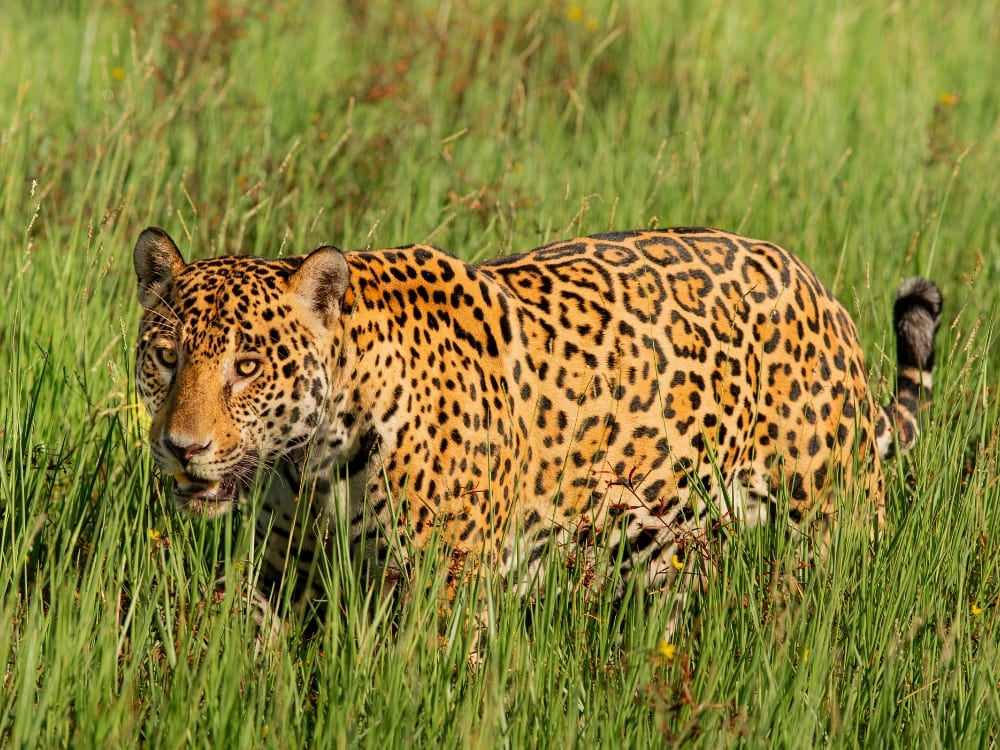
The largest feline in the Americas is frequently seen in the Pantanal — especially in the North side, near the Cuiabá River.
In the past, jaguars were found in the southwestern United States and in central Argentina. Nowadays, after habitat loss and mass hunting, they’re primarily spotted in Brazilian lands.
Pantanal safaris allow for indescribable experiences of jaguar sightings, where these beautiful predators can be seen resting, swimming, and searching for prey.
👉 Read more: Where is the best place to see jaguars in the Pantanal?
3 – Wildlife hotspot
Boasting one of the highest concentrations of animals in South America, the Pantanal fauna consists of 1,500 different species, including 650 types of birds, 325 fish, 159 mammals, 98 reptiles, and 40 amphibians.
This diversity is directly connected to the climate, especially when it comes to seasonal floodings. Many vertebrates join the Pantanal wetlands during the dry season for the abundant food caused by the excess water, while migratory animals arrive during the wet season looking for a safe place to mate and breed.
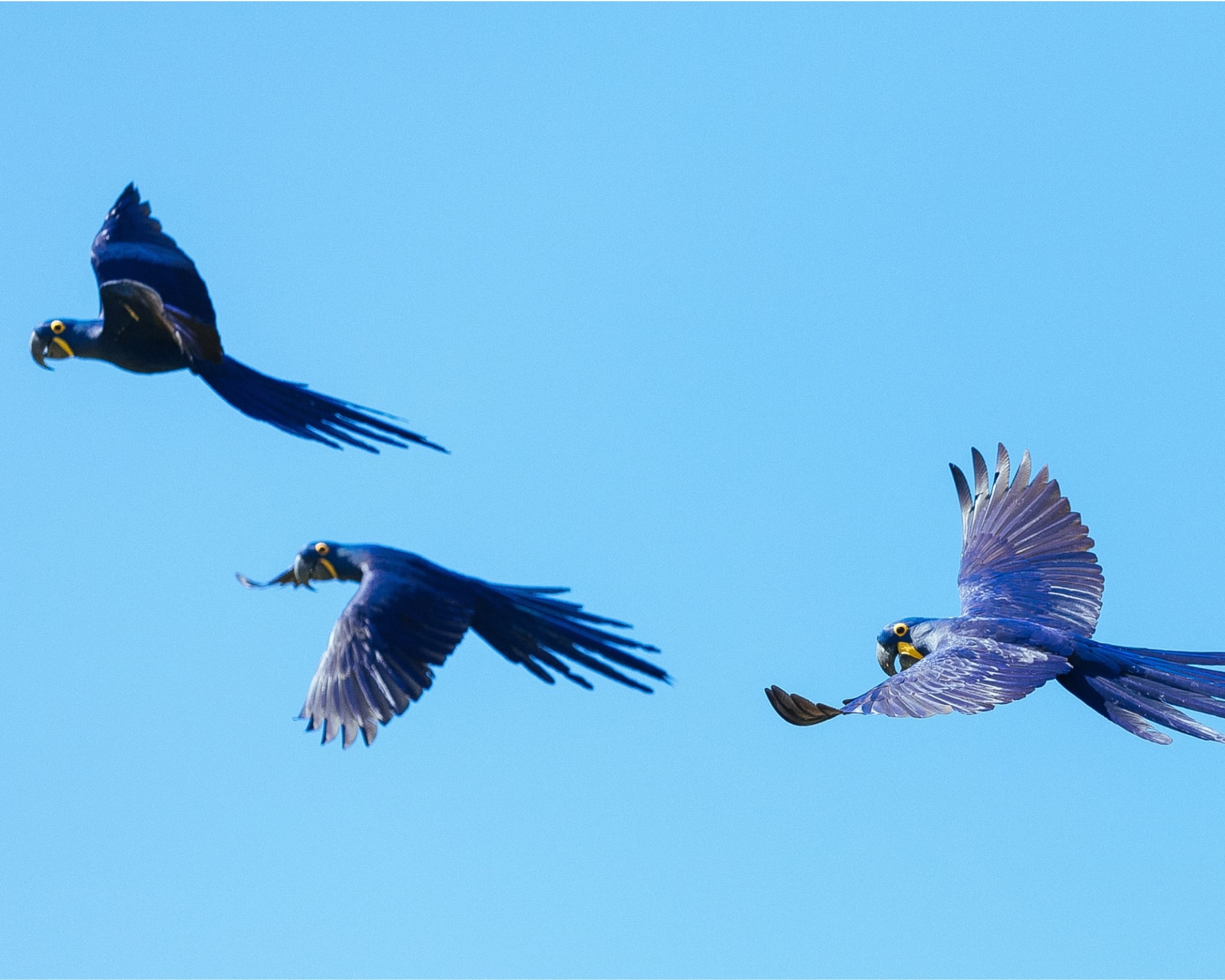
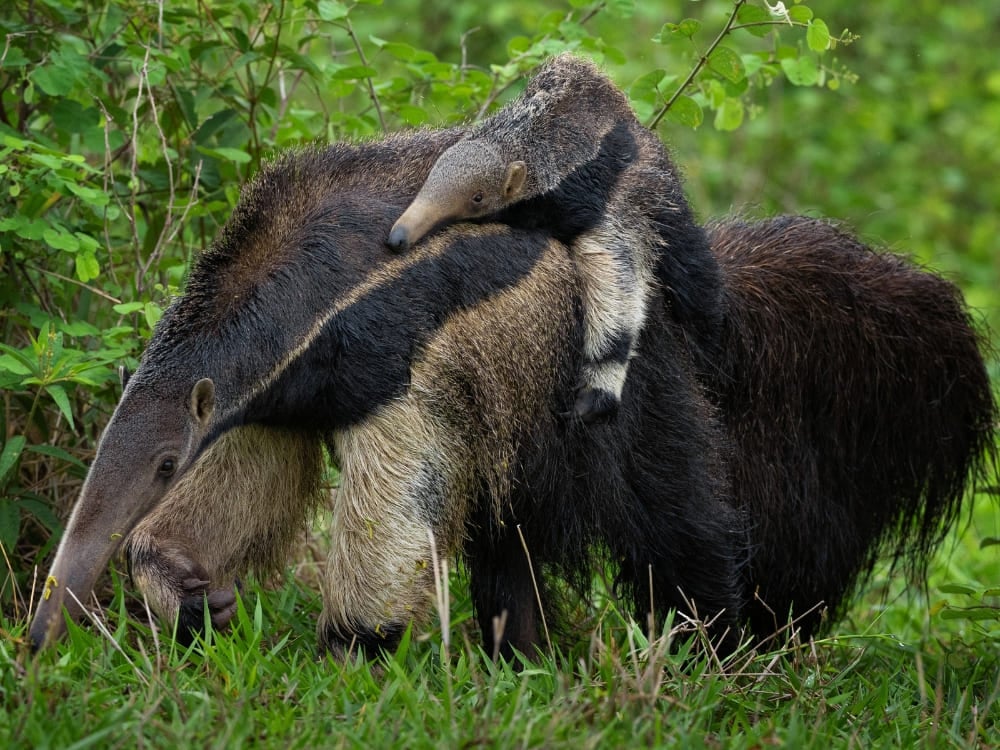
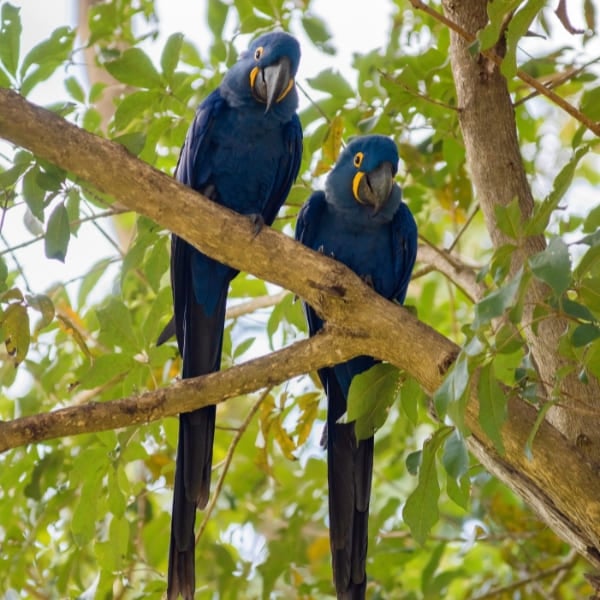
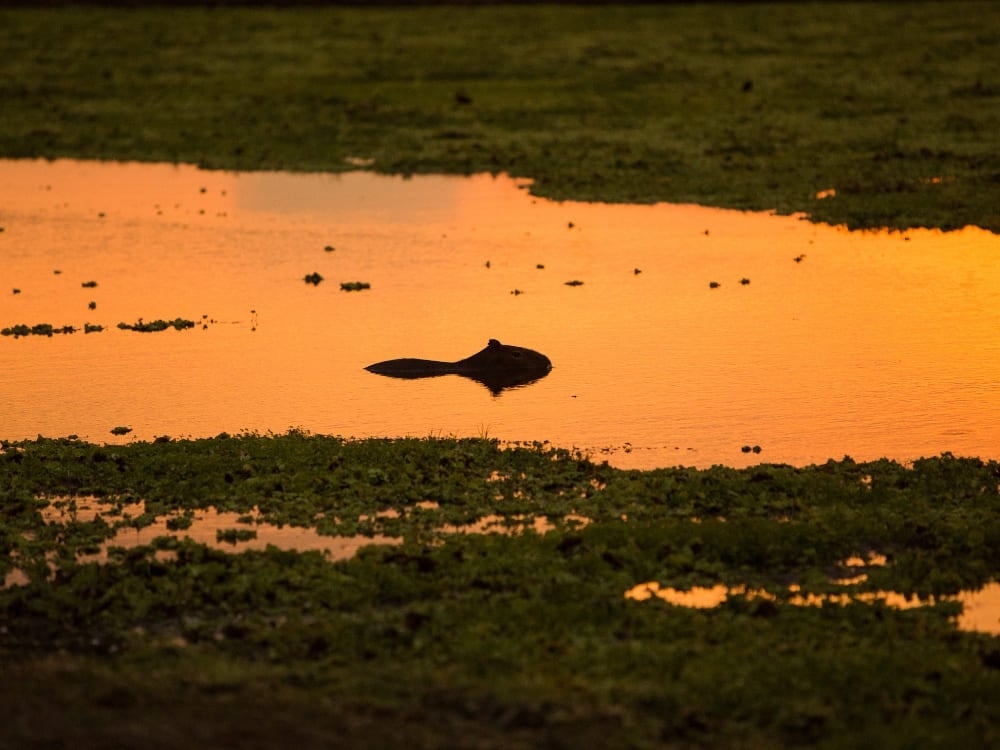
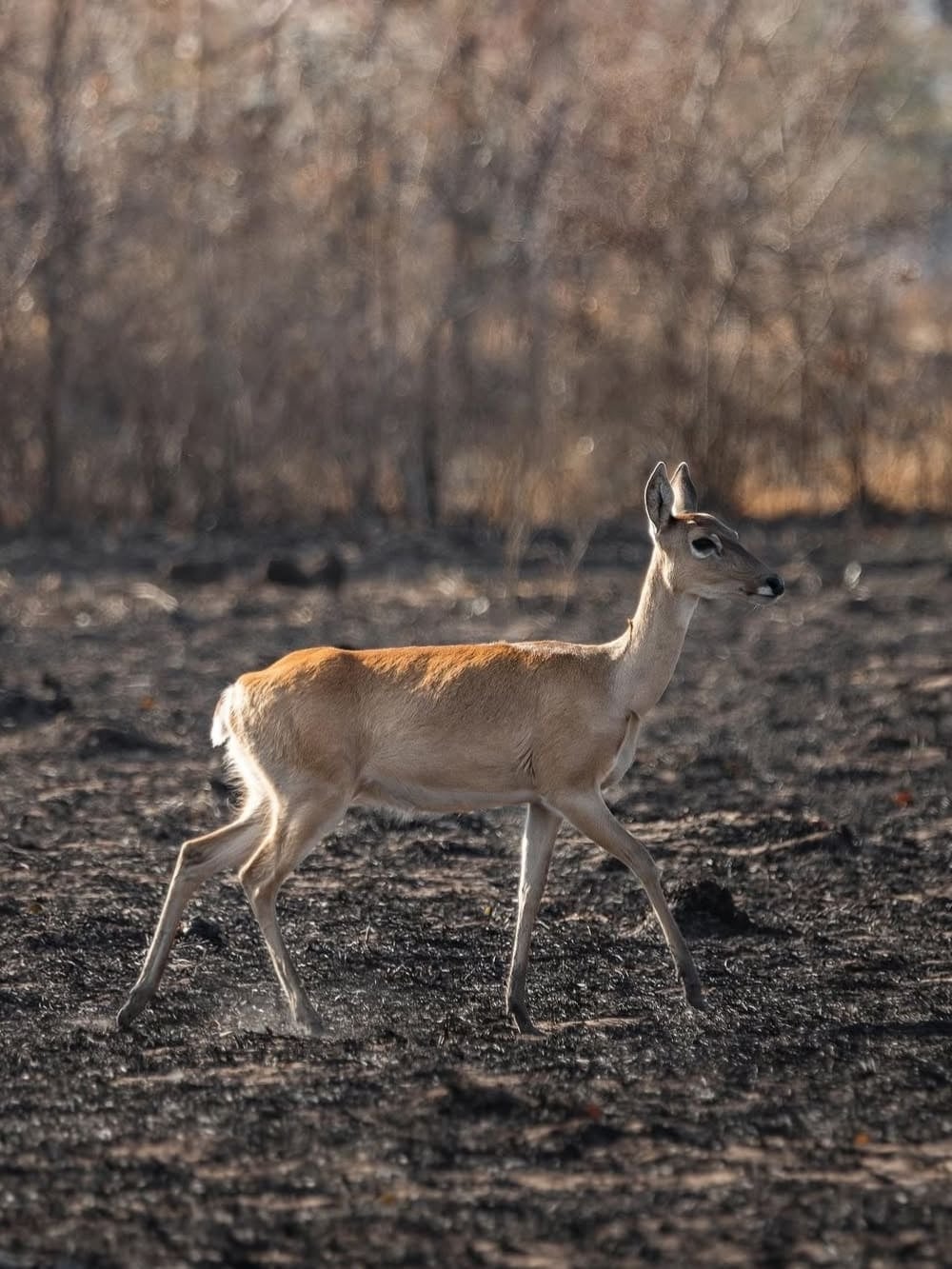
Besides the jaguars, some of the most celebrated Pantanal animals are giant anteaters, capybaras, blue (hyacinth) macaws, giant otters, brocket deer, yellow anacondas, and jabiru storks.
No wonder this is one of the best places for wildlife tours in Brazil!

4 – Only 5% of the Pantanal in Brazil is protected
Sadly, the next Pantanal fact is not as exciting. Only 5% of its total area is protected by conservation units, which consist of:
- Meeting of Waters State Park
- Guirá State Park
- Taiamã Ecological Station
- Rio Negro Pantanal State Park
- Acurizal Private Natural Heritage Reserve
- Private Natural Heritage Reserve Sesc Pantanal
- Pantanal Matogrossense National Park (recognized by UNESCO as a World Heritage site in 2000)
95% of the Pantanal is under private ownership, mostly for cattle grazing. In November 2024, areas affected by deforestation were estimated at 146,150 km².
5 – Tropical climate
One of the main facts about the Pantanal is the tropical climate. The biome has two very well-defined seasons: winter (April to September), marked by drought and high temperatures, and summer (October to March), with regular rainfall and warm weather.
Throughout the year, the average temperature varies from 20º C to 30º C, although thermal sensation gives the impression of even more heat.
In general, travelers prefer to book Pantanal trips during the dry season due to better conditions for outdoor activities, such as wildlife watching, photo safaris, hiking, horseback riding, etc.
👉 Read more: When is the best time to visit the Pantanal?
6 – Hundreds of rivers form the Pantanal basin
The river basin of Alto Paraguai, in the south of Mato Grosso, is formed by 180 rivers. This very same basin supplies the Pantanal.
The Paraguay River is the longest, ranging 2,695 km. Its tributaries are just as impressive: São Lourenço (670 km), Cuiabá (650 km), Aquidauna (565 km), Miranda (490 km), Taquari (480 km), and Coxim, (280 km).
During the wet season (December to March), the soil quickly soaks up all the rainwater and floods into the lakes and rivers. Due to the low slope of the plain, the rivers get so full that scientists estimate the water takes over four months to cross the entire biome!
7 – The kidneys of South America
“If the Amazon Rainforest is seen as the lungs of the Earth, then we can say the Pantanal are the kidneys of South America”, says Cássio Bernardino, Project Coordinator of WWF-Brazil.
The biome is essential for this region’s ecosystem, as it works to filter water, control and regulate floods, and ensure water flows arrive properly in Mato Grosso, Mato Grosso do Sul, Bolivia, Paraguay, and Argentina.
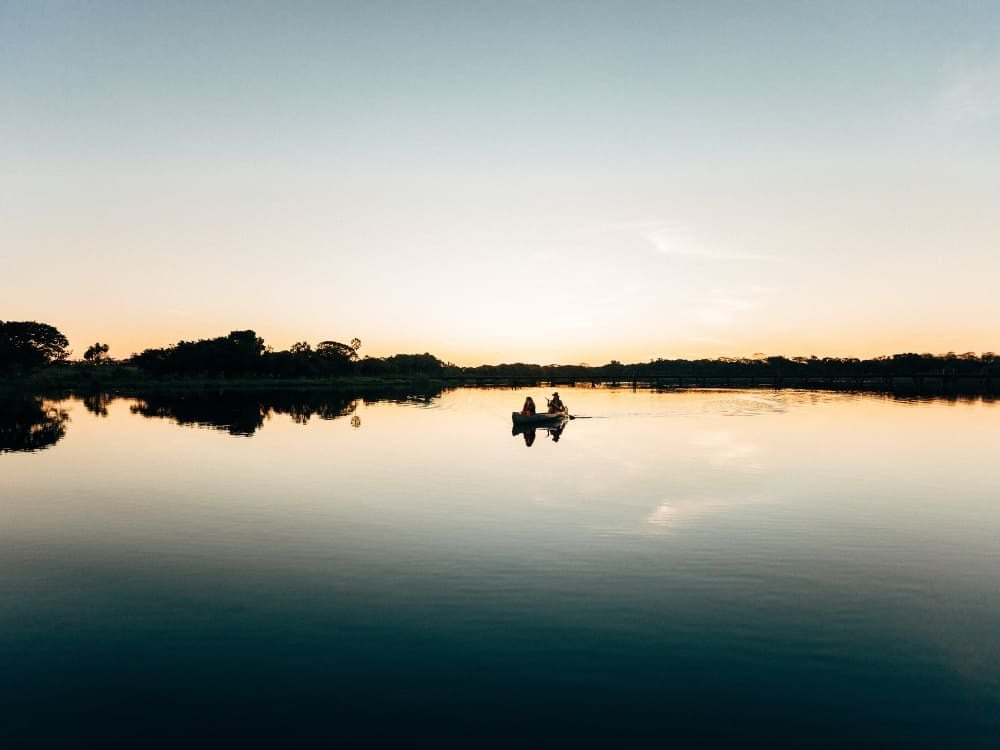
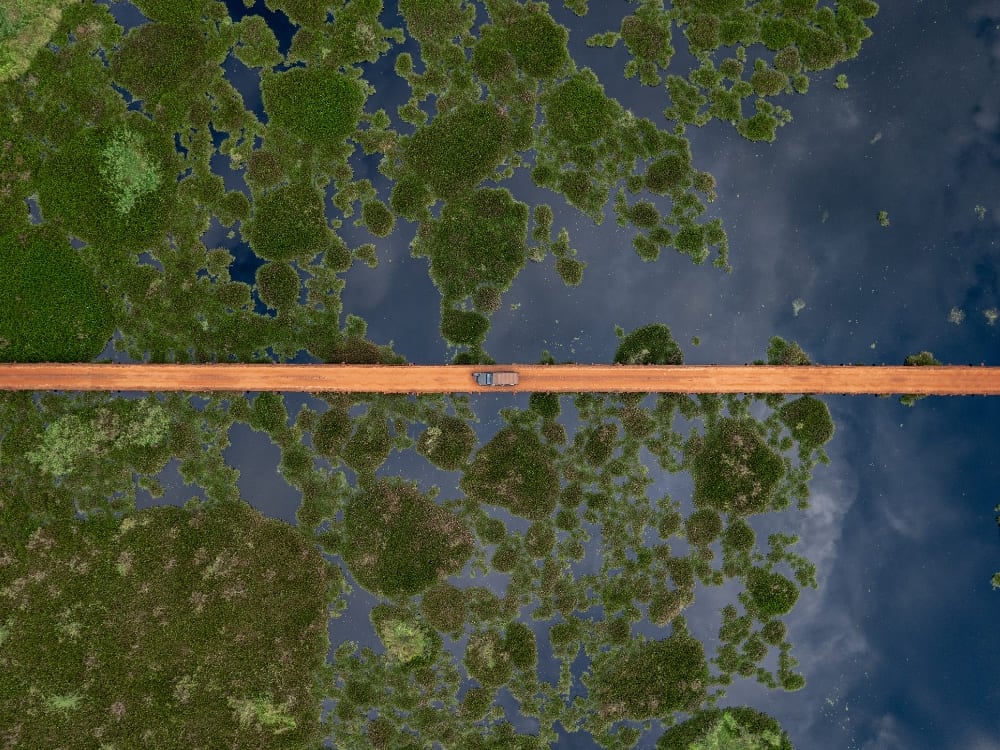
In the summer, 180 million liters of water reach the Pantanal Plain. This accumulation forms the flooded areas, including swamps, marshes, lakes and bays connecting the rivers.
8 – Indigenous groups and Pantaneiros, the local communities of the Pantanal
Over 40,000 indigenous people of different ethnicities live in these lands, mostly from Terena, Guató, Bororo, Kadiwéu, Guaranis Kaiowá and Guaranis Ñandeva groups. Despite their differences, all of them show deep respect for nature and are incredibly important for safeguarding the Pantanal ecosystem and its traditional customs.
Additionally, riverside communities live the true Pantaneiro life. The most well-known are three neighboring villages on the border of Mato Grosso and Mato Grosso do Sul — Barra de São Lourenço, Serra do Amolar and Binega.
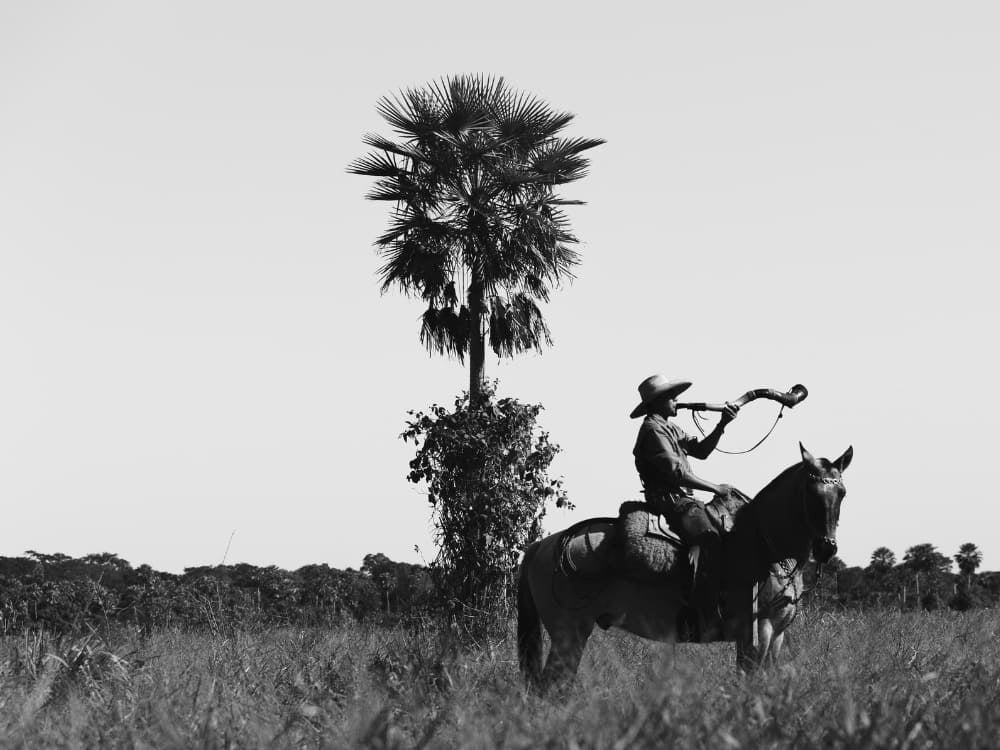
Thirty-six families have called the Pantanal’s largest conservation area their home for several decades now, working in silent collaboration with the biome. Nature provides for them, and they do their best to ensure its safety.
That’s why environmental awareness goes beyond simply trying to save natural resources. The destruction of nature also affects people — some more directly than others. Deforestation and fires have been causing irreversible damage to indigenous groups and Pantaneiros in their backyards, shattering their primary sources of income and overall quality of life.
On the bright side, Pantanal trips that follow sustainable practices are a powerful way to care for the environment and local communities. In addition, deforestation has dropped 75% between August 2024 and April 2025. The numbers are encouraging, but there’s still a long way to go.
👉 Read more: 5 Pantanal Conservation Projects Making a Real Impact
9 – Fires, deforestation and other environmental challenges
One of the most concerning environmental issues in the Pantanal wetlands is fire. In 2024, specifically between January 1st and June 30th, 3,538 fire outbreaks were detected in the biome — a 2,018% increase compared to the same period in 2023.
Although fire is a part of the Pantanal’s natural dynamic, as its own resources can control and put out the fires fairly easily, current official numbers show a deep imbalance in the ecosystem, mostly due to the dry weather caused by climate change.
Deforestation is also a known factor for a wider fire spread. As native vegetation is often replaced by cattle grazing, the consequences are appalling: drier soil, poor river supply, higher temperatures, infrequent rainfall and animal death.
10 – Conservation efforts
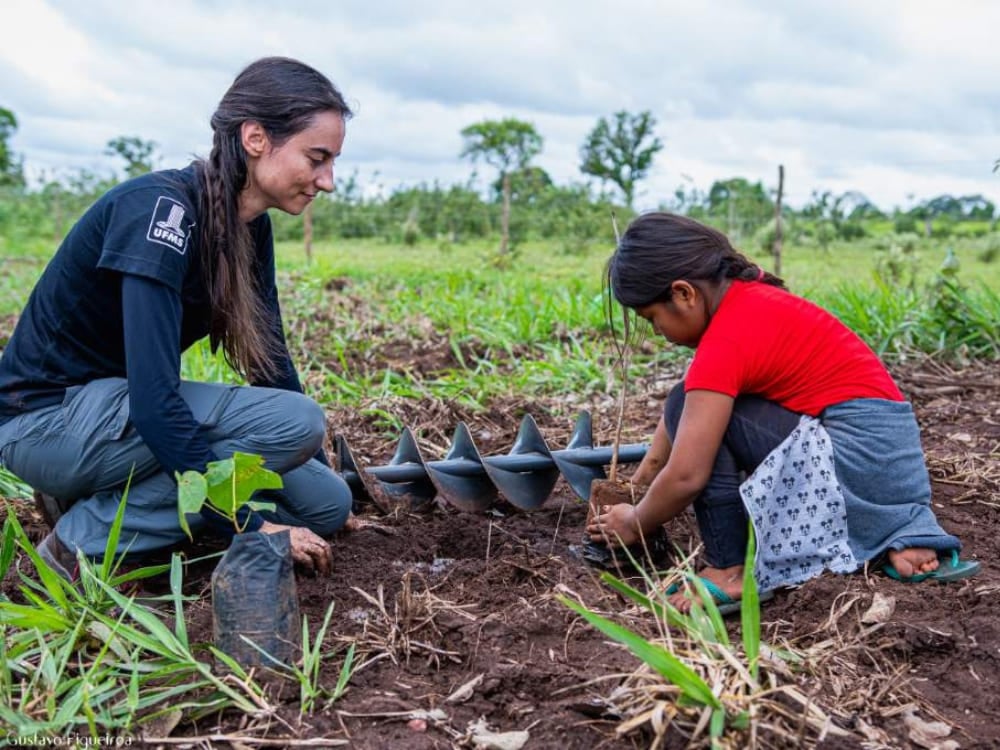
Fortunately, there are many conservation efforts to protect the Pantanal. State and federal initiatives aim for the preservation and restoration of the biome, such as Action to Prevent and Control Deforestation and Fires in the Pantanal (PPPantanal).
Non-profits are also a great asset. Project Arara Azul (Hyacinth Macaw Project), for example, focuses on the protection of the hyacinth macaw since the early 90s, while Onçafari has different branches centered in science, education and social services, but the ecotourism efforts are the focal point.
The goal is to make jaguars, maned wolves and other native animals familiar with the presence of vehicles and humans, which boosts touristic activities — as seen in the Luxury Jaguar Safari.
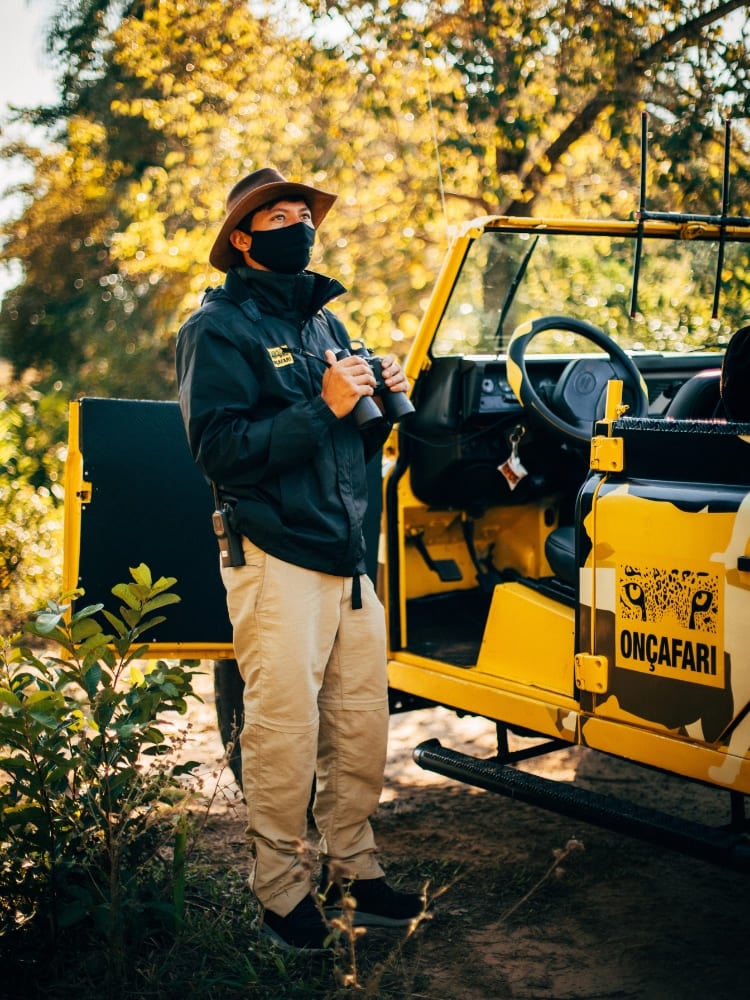

In fact, ecotourism shows great results for the Pantanal’s conservation. Sustainable travel practices are great methods to collect funds for environmental causes, raise awareness on the importance of the biome and create job opportunities for local communities.
👉 Read more: 3 Ways Sustainable Tourism in the Pantanal Protects Wildlife
Book your Pantanal safari with PlanetaEXO
Looking forward to seeing this incredibly gorgeous destination with your own eyes after discovering these 10 facts about the Pantanal? As an expert in Pantanal tours, PlanetaEXO partners with the best local operators to offer unforgettable experiences for all nature lovers out there.
Can’t wait to watch jaguars in their natural habitat, explore the wetlands, catch a glimpse of the local day-to-day life and support conservation projects? Contact us and book your Pantanal trip now!
Keep reading
October 14, 2026
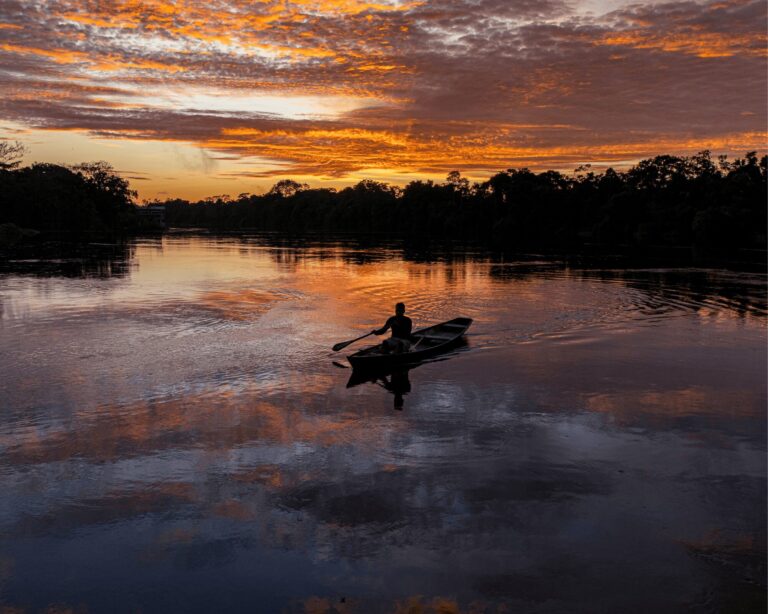
10 Tips to Make the Most of Your Amazon Tour From Manaus, Brazil
Booked an Amazon tour from Manaus in Brazil? See 10 tips to enjoy your experience, including what to eat, what to do, how to be safe, and what to avoid!
October 1, 2026
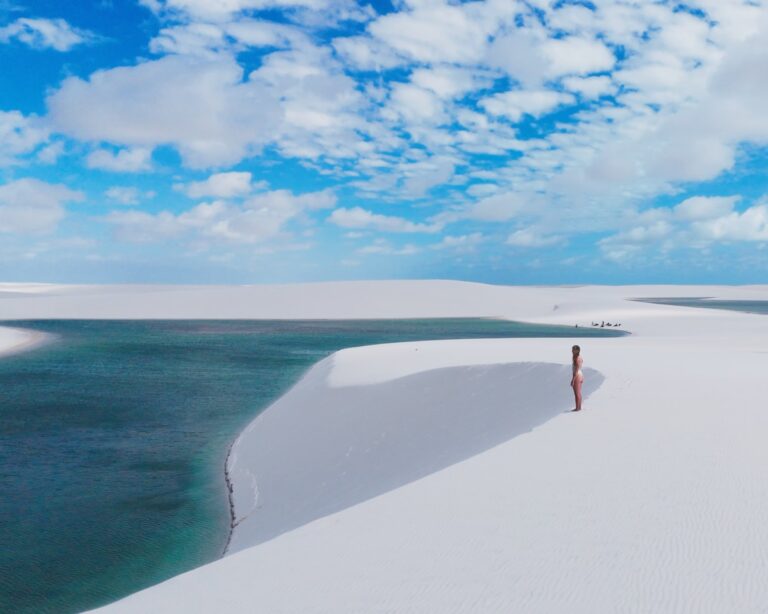
PlanetaEXO’s new mini-doc showcases ecotourism in Lençóis Maranhenses
In “Lençóis Maranhenses: Far From The Crowds, Close To What Matters”, PlanetaEXO’s mini-doc shows how ecotourism is changing life for local communities.
September 30, 2026
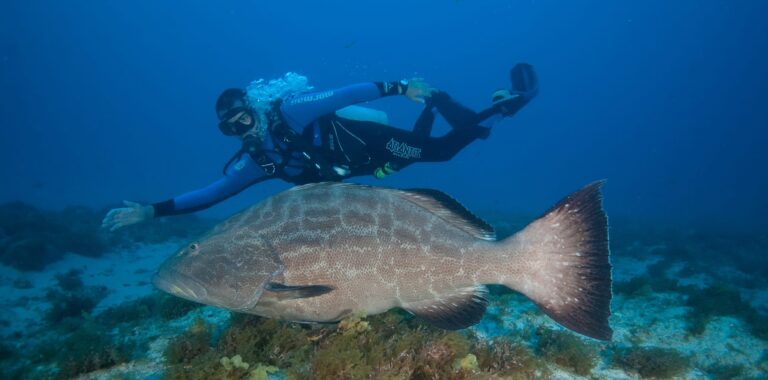
Best Dive Sites in Fernando de Noronha: 21 Spots by Depth and Level
The 21 best dive sites in Fernando de Noronha, with depth, seaside, and level for each, from 8 m beginner reefs to the 62 m Corveta Ipiranga wreck.