
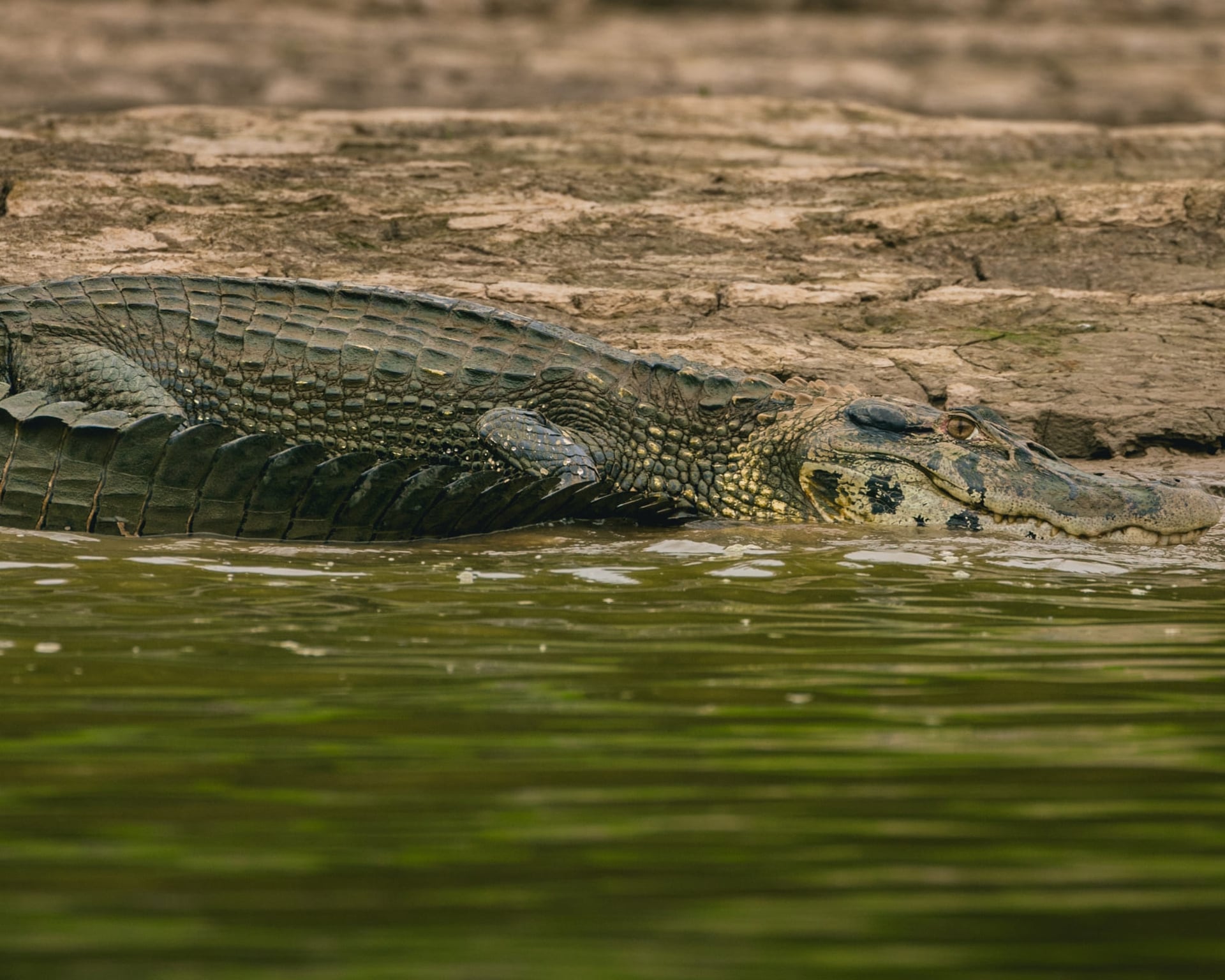
Is the Amazon Rainforest dangerous? Learn what actually poses risks and how experienced professionals can help you have a safe, enjoyable travel experience
The largest tropical forest on Earth covers 5.5 million km², with 60% of it sitting inside Brazil. The sheer scale can be scary, but reality paints a different picture. If you are wondering if it is safe to visit the Amazon Rainforest, the answer is yes, as long as you have experienced professionals by your side.
Licensed guides, local operators, and jungle lodges run the same rivers and the same trails hundreds of times a year. That repetition is exactly what turns wild country into a planned trip.
Contrary to what movies might suggest, the real dangers of the Amazon are far less cinematic. High temperatures, mosquito bites, and discomfort while engaging in forest activities are the most common issues—all of which are avoidable with the right information and assistance.
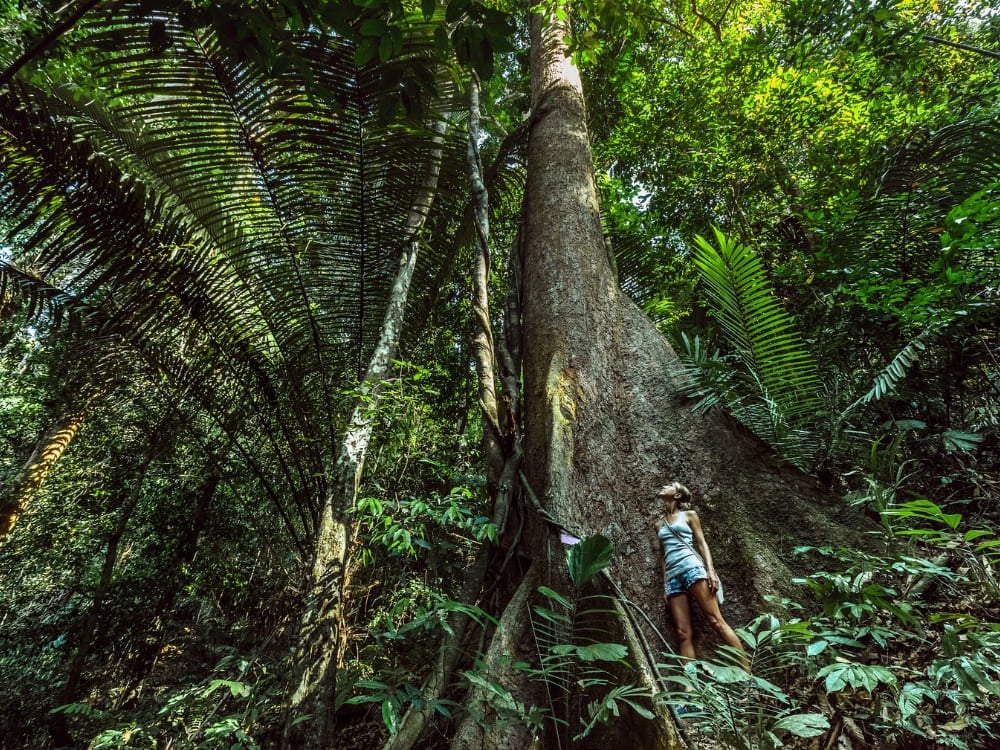
PlanetaEXO, an ecotourism platform specializing in Amazon Rainforest tours in Brazil, has put together this guide to every real risk in the jungle and how it gets managed on the ground. Check it out below!
Is the Amazon Rainforest dangerous? What the risk actually looks like
In the sense most people mean it—predators hunting humans, a wilderness that swallows people whole—the Amazon Rainforest is not dangerous.
The risks that do exist are ordinary, measurable, and ranked in an order that surprises almost everyone: heat, insect-borne disease, waterborne infection, small injuries in places far from a hospital, and the same petty crime you would watch out for in any large city. Wild animals come last, and by a wide margin.
The reason an organized trip is safe is structural. You travel on fixed routes with fixed schedules and a guide who is professionally responsible for the group. Boats carry life jackets, while lodges carry first-aid kits, and someone always knows where you are and when you are due back.
It is safe to travel the Amazon Rainforest when you travel properly, backed by professionals who care for your safety and enjoyment.
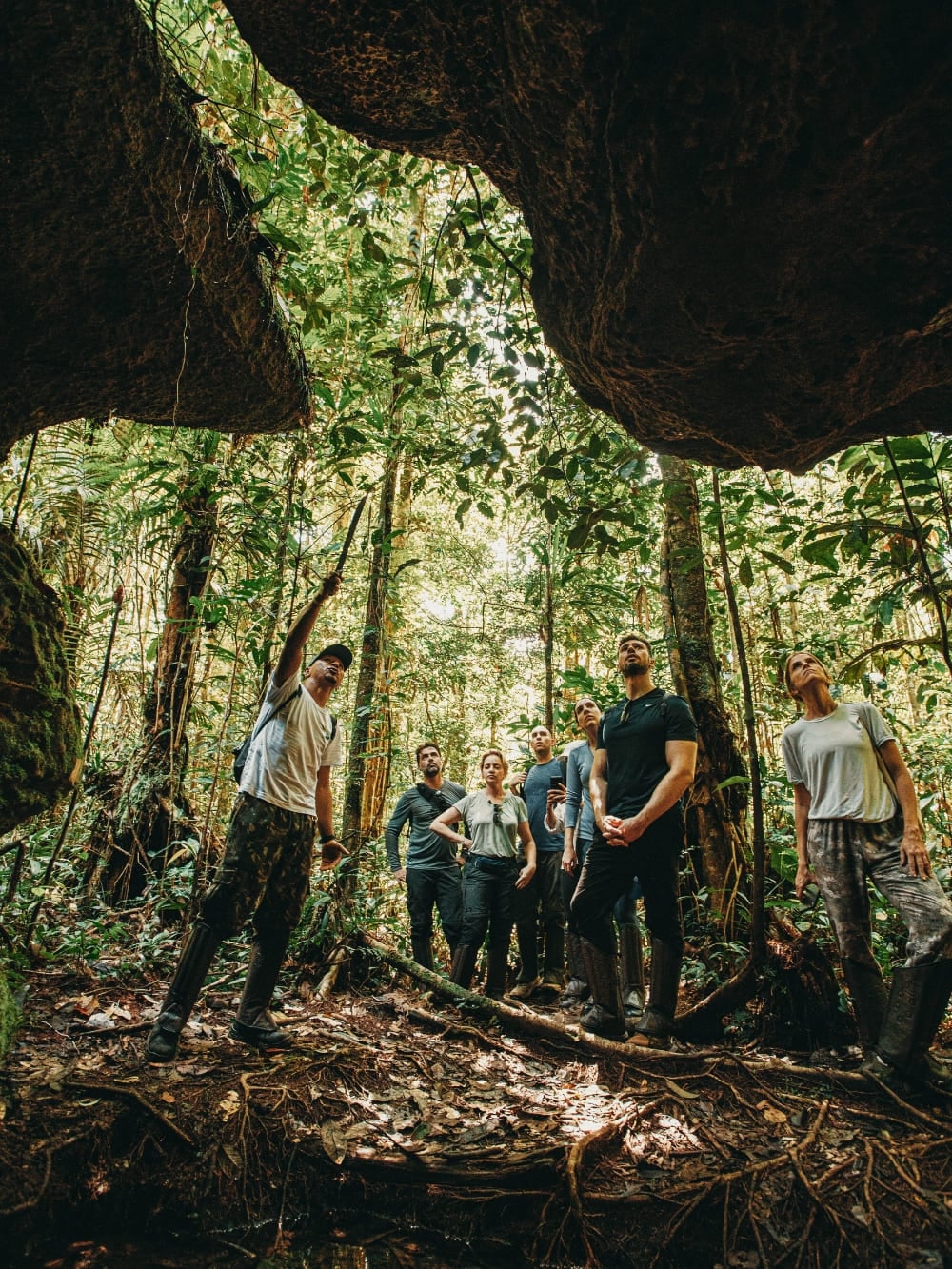
Manaus, the gateway city to the forest
Nearly every Amazon trip in Brazil begins in Manaus, a city of more than 2 million residents and the gateway airport (MAO) for the entire region.
Day to day, the risk in Manaus is opportunistic theft rather than violence, and it responds to the same habits that work in São Paulo, Lisbon, or Mexico City.
To stay safe in Manaus, use the same common sense you would in other busy cities. Keep your phone out of sight on the street, use Uber and 99 instead of hailing cars, avoid walking alone at night in empty areas, split your cash and cards between two places, and carry a copy of your passport while the original stays in the hotel safe.
Book your tours before you arrive with a reliable operator you have checked, rather than from someone approaching you at the port or the airport.
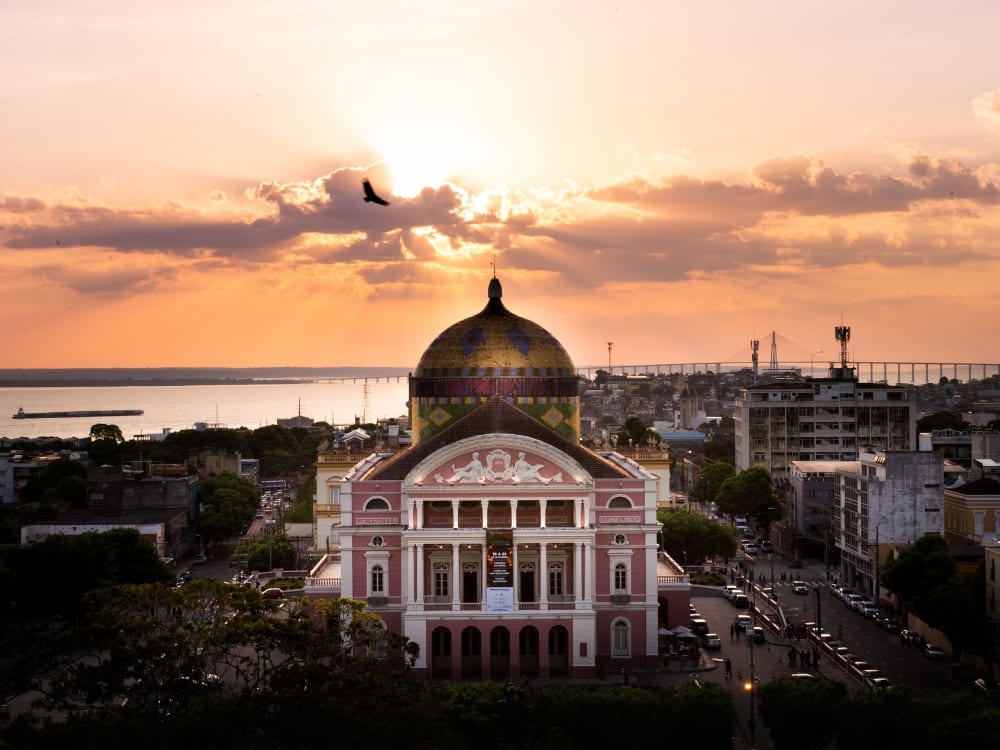
👉 Read more: Is Manaus Safe? A Guide for Travelers Heading to the Amazon, Brazil
Dangerous animals in the Amazon Rainforest (and why you probably won’t meet one)
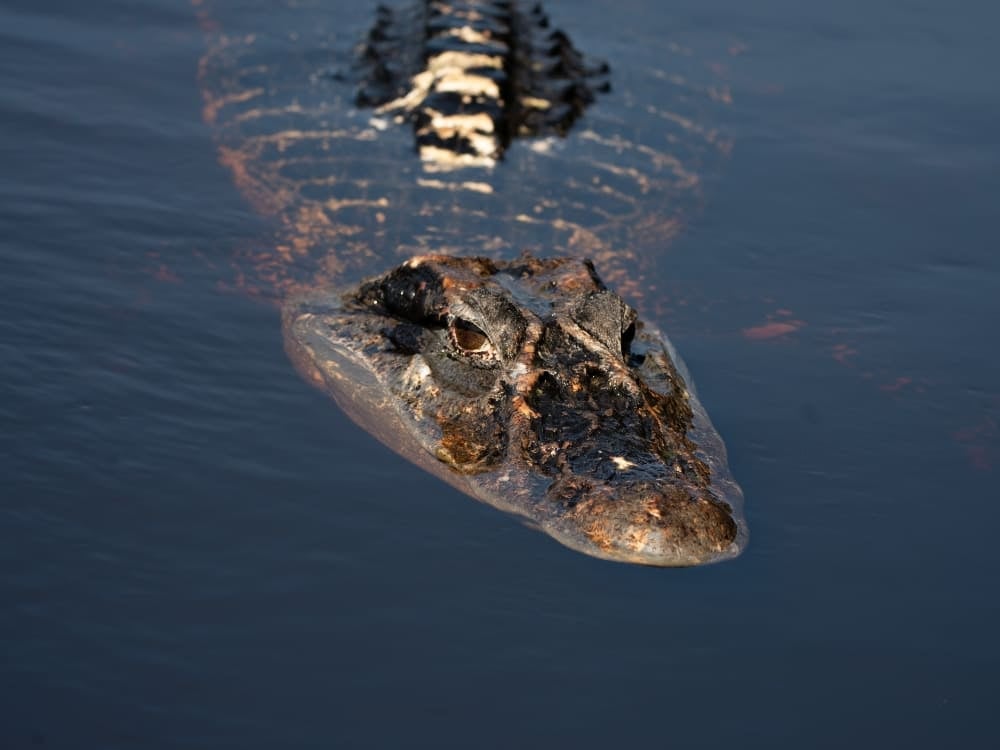
The list of dangerous animals in the Amazon Rainforest is genuine: jaguars, anacondas, black caimans, lanceheads, bushmasters, and electric eels. The list of travelers hurt by them is very short.
Because the jungle is immense, its fauna scattered, secretive, and mostly active at night, dense foliage conceals almost everything. On the majority of excursions, a guide’s main challenge is locating wildlife for visitors rather than fending it off. Spotting these creatures is the objective, not a safety concern.
The one wildlife risk with real numbers behind it sits at ground level. Between 2010 and 2020, Amazonas state recorded 16,868 snakebites, most caused by Bothrops (lanceheads) and then Lachesis (bushmasters).
Although snakebites are significant in the Amazon region, most cases involve rural or indigenous residents working barefoot in the forest, which means it does not fall on visitors walking marked trails in closed boots alongside a guide.
Insects are the animals that will actually shape your trip. Mosquitoes can carry diseases like dengue or Zika, while ants, wasps, bees, and spiders cause stings, painful reactions, and the occasional allergic emergency. This is where your prevention effort belongs:
- Use repellent with 30% DEET or 20%+ picaridin on exposed skin, reapplied every 4 to 6 hours, as the CDC advises for tropical travel.
- Treat clothing with permethrin—it keeps working through multiple washes. Never put permethrin on skin.
- Wear long sleeves and long pants on trails, especially at dawn and dusk, when biting activity peaks.
- Keep windows and doors closed at night. Most Amazon jungle lodges are screened, and many supply mosquito nets over the beds.
- Shake out and check your boots before you put them on every single morning, as scorpions and spiders like dark, warm spaces.
- Skip perfume and strongly scented products, which attract insects, and leave neon clothing at home.


👉 Read more: 15 Amazon Animals: Unravel the Wildlife in Brazil
Heat and humidity: the risk almost everyone underestimates
Manaus averages a maximum of 32°C across the year and 81% relative humidity, with September the hottest month at an average high near 34°C, according to INMET’s 1991–2020 climate normals.
The temperature alone is manageable, but the humidity is what can make the Amazon Rainforest dangerous: high humidity limits sweat evaporation—your body’s primary mechanism for cooling down—making standard physical exertion far more draining than back home. As a result, staying cool requires extra effort.
Heat exhaustion is more common on Amazon trips than any animal encounter. Some warning signs are headache, nausea, dizziness, weakness, irritability, heavy sweating, and reduced urine output.
Notify your guide immediately if you notice any symptoms—addressing them early requires only brief rest in the shade, whereas ignoring them can lead to heatstroke, a critical medical condition in remote jungle environments.
- Drink around 1 liter per hour while walking in the heat. Do not wait until you feel thirsty.
- Carry rehydration salts, since water alone does not replace what you lose sweating for several hours.
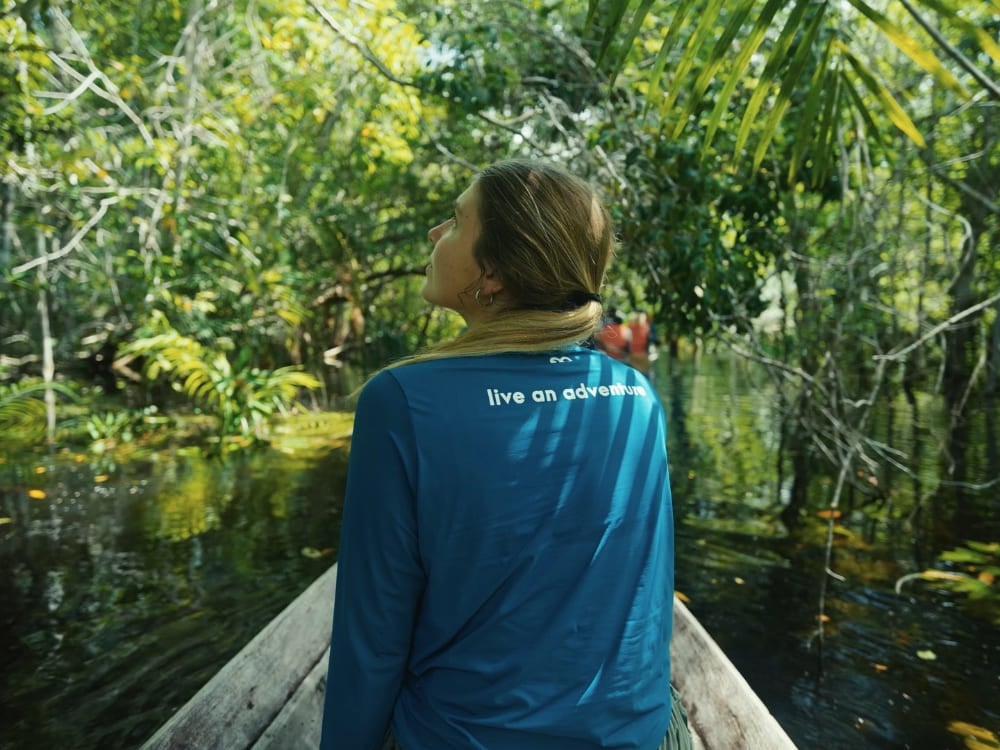
- Wear light-colored, quick-dry long sleeves rather than a tank top. Covering skin is cooler than exposing it, doubling it as insect and sun protection.
- Use SPF 30+ sunscreen and a wide-brimmed hat (biodegradable formulas are better in the river).
- Accept the schedule. Excursions begin at first light and pause during the early afternoon to avoid peak temperatures rather than to lengthen the itinerary.
👉 Read more: When is the Best Time to Visit the Amazon Rainforest in Brazil
The yellow fever vaccine for Brazil and the other shots the Amazon calls for
While it is not a requirement for foreigners to be vaccinated to enter the country, the yellow fever vaccine for Brazil is strongly recommended for anyone traveling to Amazonas and the wider Amazon region.
To allow sufficient time for immunity to build, receive the vaccination no less than 10 days prior to arriving in a high-risk region. Per the WHO’s updated 2014 International Certificate of Vaccination guidelines, a single dose provides lifelong protection.
Manaus’s municipal health department also asks travelers to be current on measles protection and notes that the yellow fever and measles vaccines cannot be given on the same day—they need roughly a 30-day interval between them.
That single detail is why you plan vaccines 6 to 8 weeks out, not the week before departure. Beyond those two, a travel doctor will normally review hepatitis A and B, tetanus and diphtheria, typhoid, and rabies, depending on your itinerary.
Food and water: what to eat and what to leave alone
Inside the jungle lodges and on Amazon river cruises, eat and drink what you are served without anxiety.
Operators hosting international travelers filter or bottle their drinking water and buy from licensed suppliers. Most lodges provide potable water for refills, so a reusable bottle is worth the space in your bag.
Never drink untreated water from a river, stream, or igarapé, however clear it looks. Forest water carries parasites and bacteria that a healthy-looking surface tells you nothing about. Manaus’s health department advises bottled water in the city too, along with washing your hands with soap several times a day.
In the city, eat where there is turnover and a visible license. Street food is part of the experience and worth having—just choose the stall with a queue of locals and food coming off the grill in front of you.
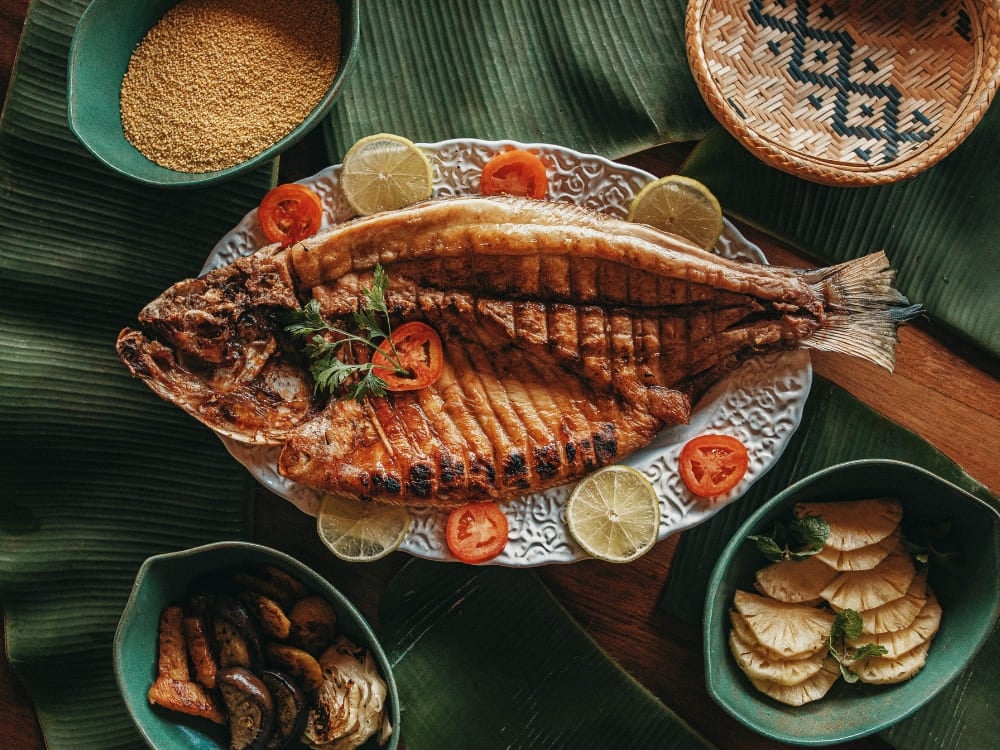
👉 Read more: Amazonian Food – 7 Typical Dishes to Try in the Brazilian Amazon
Injuries, illness, and what happens when something goes wrong
Most medical events in the forest are small. Blisters, insect stings, a scraped shin, an upset stomach, an ankle rolled on a wet root.
Lodges and guides carry first-aid kits and handle these on the spot. You should still bring your own supply of any personal medication in its original packaging, plus painkillers, antihistamines, anti-diarrheals, blister plasters, and rehydration salts. Pharmacies are a boat ride away, which can take hours.
For minor issues, guides and lodges provide on-site first aid. For severe cases, operators follow strict protocols to transfer patients to Manaus. As outlined by municipal health authorities, the city has emergency units across five zones, including specialized centers like the Fundação de Medicina Tropical for animal bites.
Brazil’s public health system is free at the point of use, including for foreign visitors, under the constitutional principle of universal access—though a public emergency room is a fallback, not a plan.
The plan is insurance, and the fine print matters more than the price. Buy a policy that explicitly covers medical evacuation from remote areas and names the activities on your itinerary—trekking, kayaking, boat travel, camping, etc.
Standard policies routinely exclude both remote-area evacuation and adventure activities, which is precisely the combination an Amazon trip consists of. Check that repatriation is included, and carry the policy number somewhere you can reach it without a phone signal.
👉 Read more: 10 Amazon Rainforest Travel Tips to Make the Most of your Adventure
Is it safe to swim in the Amazon River?
In the right stretch, at the right time, with your guide’s approval, yes, it is safe to swim in the Amazon River. In fact, swimming is a normal part of most itineraries.
The Rio Negro is the classic swimming water of the region precisely because its dark, acidic, tannin-stained water carries far fewer mosquitoes and parasites than the sediment-heavy white water of the Solimões. Some stretches are excellent, but others not so much, and the difference is not something you can read from the bank.
What makes a stretch unsafe is almost never a fish, but current, depth, submerged branches, and mud holes you cannot see through dark water.
Brazilian fire-service guidance for river bathing is direct: do not go deeper than knee height where the current is strong. If a current takes you, swim diagonally toward the bank rather than fighting it head-on.
Aquatic animals also deserve attention, though the dangers are far less severe than commonly imagined. Despite the reputation of piranhas, these fish rarely attack humans—though they can become somewhat more aggressive when protecting their eggs. Eels pose a greater risk of incapacitating their victims than of delivering electric shocks, while caimans only appear at night.
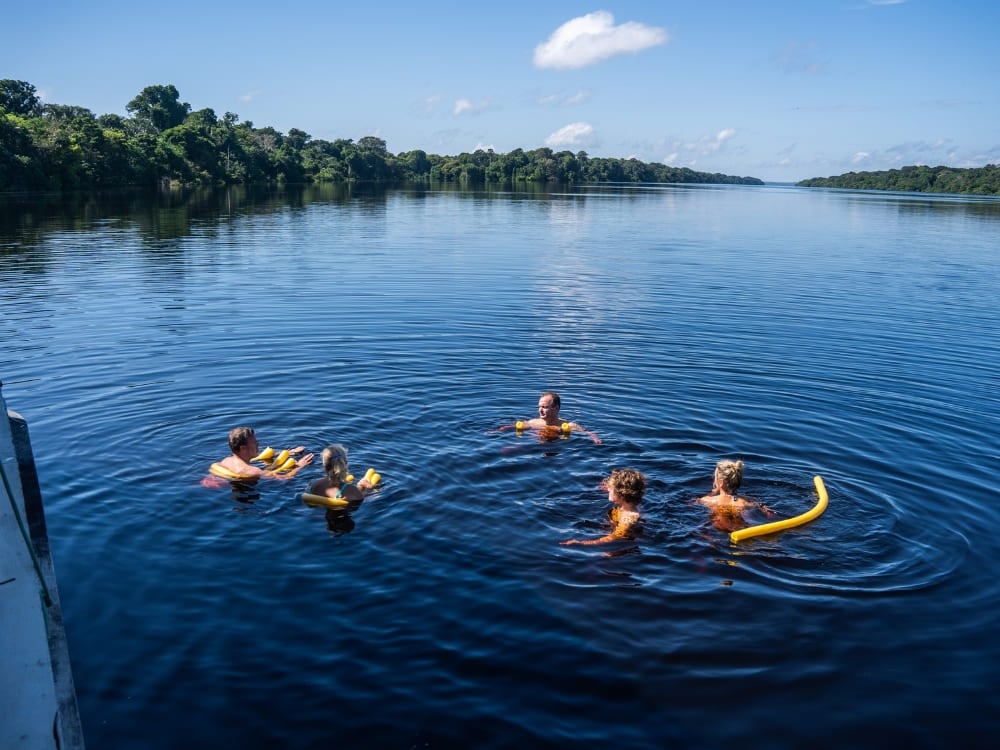
Here are some rules that keep river swimming uneventful:
- Always follow your guide’s directions on where and when to swim, and never enter the water alone.
- Stay out of the water at night, dawn and dusk, when caimans move close to the banks.
- Do not swim with open wounds or after drinking alcohol.
- Wear the life jacket on the boat. Brazilian Navy-certified jackets are standard on licensed operations, and most incidents involve people who were not wearing one.
- Watch the children in the water constantly, even in calm-looking shallows.
👉 Read more: How to Get to the Amazon Rainforest in Brazil?
Visiting local communities: respect is the safety rule
Riverside ribeirinho and Indigenous communities are part of many Amazon itineraries, and a number of them welcome visitors into their homes for genuinely good exchanges—food, crafts, and the working knowledge of a place they have lived in for generations.
Community-based tourism is of great importance to the Amazon region, providing financial and social support to local families while also fostering numerous environmental conservation efforts.
Isolated peoples are an entirely separate matter, for which tourism is deliberately kept away from them. FUNAI, Brazil’s Indigenous affairs agency, has 115 documented records of isolated Indigenous groups, with 29 officially confirmed—all located within the Amazon, representing the world’s largest isolated population.
Brazil enforces a strict non-contact stance, meaning tour leaders and operators always steer itineraries far away from these protected areas. This is not only a legal boundary but a lethal one: isolated groups have no immunity to diseases that a visitor would barely notice carrying.
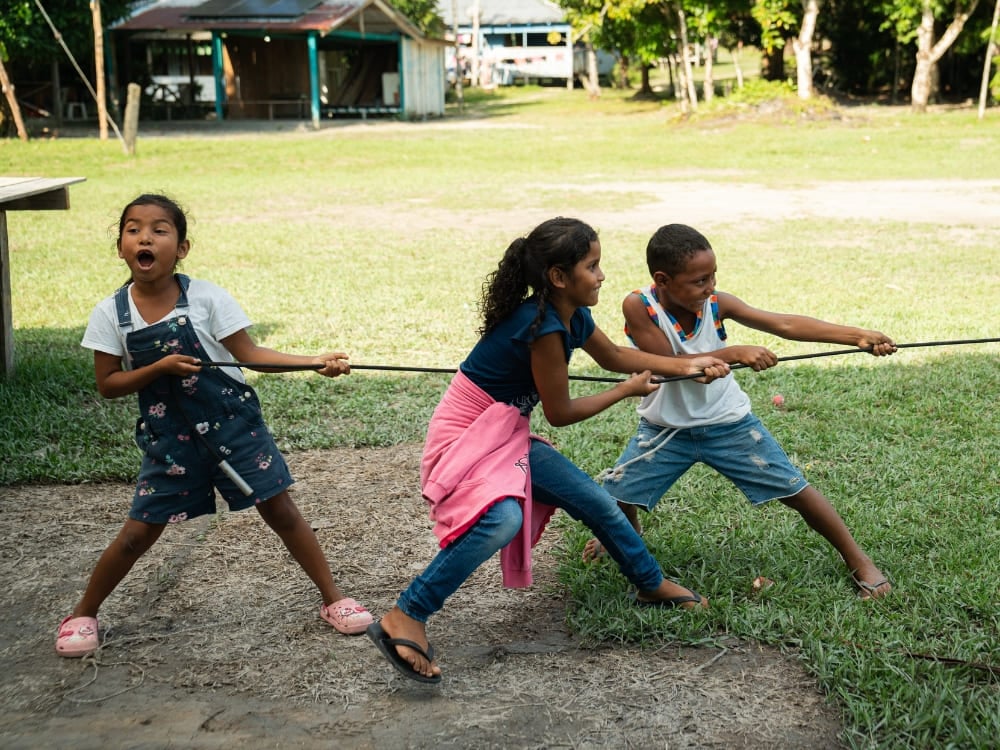
For communities open to visitors, local etiquette doubles as the primary safety guideline:
- Always request permission prior to taking photos, particularly of children.
- Avoid distributing candy, money, or presents independently. Your guide can advise on appropriate items to prevent unforeseen issues following your departure.
- Respect host boundaries by taking cues from local families on where to walk or sit.
- When you are unsure about anything at all, ask your guide first. That single habit prevents most of the awkwardness and all of the offense.
👉 Read more: Tourism That Keeps the Amazon Alive
Know your limits and be honest
Amazonian expeditions require varying levels of endurance. Paddling through flooded forests is vastly different from full-day jungle trekking or spending the night in a hammock at a remote outpost. Constant heat and humidity further compound the effort, making even light activity demanding at 32°C.
If you are not comfortable with something, say so before it starts. Guides plan alternatives as a matter of routine, and a group that knows one member is sitting out the long hike is a group that stays together and on schedule.
Respecting the limits of your own body and mind is one of the most effective ways to avoid an unpleasant situation entirely. The riskiest person on any trip is the one who does not want to look weak, as someone pushing past their limit is how a manageable day turns into an evacuation.
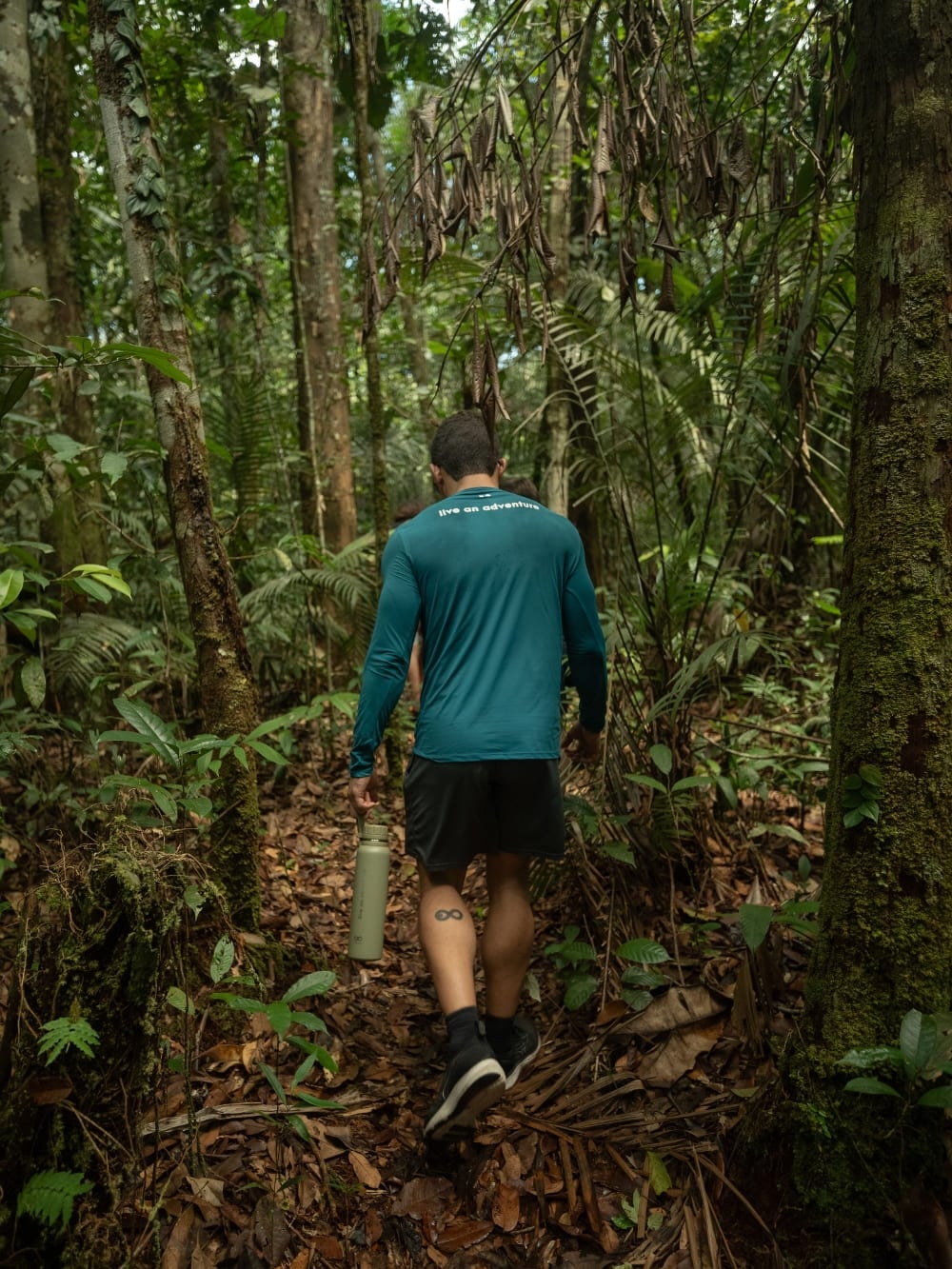
Always follow your guide
How to stay safe in the Amazon Rainforest comes down to a single habit: do what your guide tells you and tell them what you are experiencing. Qualified professionals read this forest at a level no visitor can match after a week or a month.
They know which plants sting, which stretch of river is safe, what a change in the sound of the canopy means, and how to deliver first aid hours from a hospital. That knowledge only protects you if you use it.
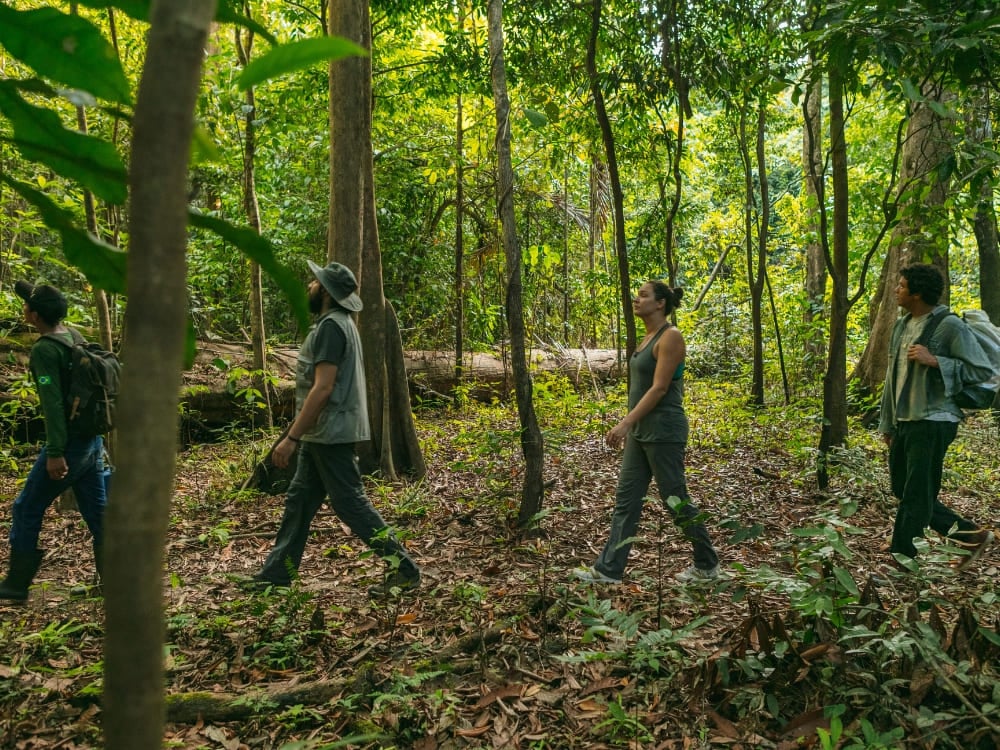
- Stay with the group and on the trail. Never walk into the forest alone, not even a short distance from the lodge.
- Ask before touching any animal, plant, or fruit. Many are harmless, several are not, and they are hard to tell apart.
- Declare medications, allergies, medical conditions, and phobias when booking your trip.
- Keep to the timings. Dawn departures and dusk returns are safety decisions about heat, wildlife, and light, not scheduling preferences.
- Ask questions. Guides expect them, and a group that understands why a rule exists follows it much more reliably.
Safe trips to the Amazon with PlanetaEXO
Now that you know that it is safe to visit the Amazon Rainforest when you travel with experts and respect what nature tells you, it’s time to book your trip!
PlanetaEXO is an ecotourism platform specializing in Amazon jungle tours, working alongside the best local operators, lodges, and guides in the region—the same professionals who make this forest a safe place to travel. Our team handles all the planning and logistics, so all you have to do is enjoy yourself. Contact us now!
Keep reading
October 14, 2026
10 Tips to Make the Most of Your Amazon Tour From Manaus, Brazil
Booked an Amazon tour from Manaus in Brazil? See 10 tips to enjoy your experience, including what to eat, what to do, how to be safe, and what to avoid!
October 1, 2026
PlanetaEXO’s new mini-doc showcases ecotourism in Lençóis Maranhenses
In “Lençóis Maranhenses: Far From The Crowds, Close To What Matters”, PlanetaEXO’s mini-doc shows how ecotourism is changing life for local communities.
September 30, 2026
Best Dive Sites in Fernando de Noronha: 21 Spots by Depth and Level
The 21 best dive sites in Fernando de Noronha, with depth, seaside, and level for each, from 8 m beginner reefs to the 62 m Corveta Ipiranga wreck.