


We did the Jaguar Safari and were absolutely thrilled with the whole experience. From the first contact to the end of the trip, everything was very well organized. Communication with Elisama was easy and reliable, and we always received quick responses to our questions. The entire trip was very well planned and perfectly organized. We were picked up directly at the airport and taken to our accommodation. The accommodation in Porto Jofre was also very nice and fit perfectly with the experience. Our guide Jo was with us throughout the safari, took great care of us, and shared lots of interesting information about the wildlife and the area. The absolute highlight, of course, were the jaguars: Within just two days, we saw 10 different jaguars. It was an incredible and truly unforgettable experience. We would definitely book the safari with Planeta Exo again and can highly recommend the company and the entire team!
Photography Tours in Brazil
Small-group and private Brazil photography tours led by photographer guides: track jaguars in the Pantanal, spot birds and river dolphins in the Amazon, and visit the dunes of Lençóis Maranhenses, all planned around the light and your dates.
6 trips found
See jaguars in the wild from the deck of a private boat in Porto Jofre, the world’s top spot for jaguar watching. A 4-day, 3-night safari from Cuiabá into Brazil’s Northern Pantanal.
Price from $2,150
Don’t miss the chance to spot animals in their natural habitat. Join the best wildlife watching experience with the Pantanal Wildlife Tour from Cuiabá!
Price from $1,200
Sail the Preguiças River to Atins, then ride 4x4s to the rainwater lagoons of Canto do Atins and Ponta do Mangue. Short walks, no dune crossing.
Price from $700
A small-ship Amazon expedition cruise: 3 to 5 guided excursions a day, en-suite cabins for 12 to 16 guests, and the Meeting of Waters.
Price from $2,500
A luxury Amazon river cruise from Manaus, Brazil. All-inclusive: nature tours, round-trip transfer and full board aboard a solar-powered small ship.
Price from $2,900
Birdwatching in the Amazon Rainforest on dedicated trails, staying at Cristalino Lodge: 600+ species, expert guides, canoeing and 50 m towers.
Price from $2,700
What photographers say
4.9 out of 5 · 29 reviews

Both the company and our guide did an incredible job making our trip to the Pantanal unforgettable and seamless. Would definitely book with them again for another excursion. Our guide Carlos was incredible.
Our safari Wildlife tour was absolutely great! Our driver and guide picked us up at the agreed time at our Airbnb. Our guide Igor was the very best. He taught us so many things. He listened to us and helped us see the animals we were interested in. Igor was always ready to help and explained to us many things about the Pantanal we didn't know. The drivers and other guides as well as the personnel from the Piuval Pousada Lodge were very helpful and friendly. So were the servers. The food was good. We enjoyed the great selection of salads and vegetables. The property itself was very clean and it was a pleasure walking around and observe the animals. Overall, it had been an experience of a lifetime. We also understand now what made the tour so expensive. From what Igor told us it was because of the density of the animals at the lodge. Even though we didn't see a jaguar, others had, we were warned to be careful because they were roaming around. Thank you for arranging our trip with Igor as our guide. Thanks for answering all our questions so faithfully. It was indeed a great experience.
We had an excellent trip into the Pantanal. Surprisingly we had a couple of days of unseasonably cold weather but we still saw plenty of the wildlife. The accommodation was good and good food. Elisama was excellent in corresponding with us and a couple of other Planetexo people too. Rapid informative responses to our requests. Our guide, Julio, was also excellent. He was very knowledgeable about the wildlife and generally the area in the Pantanal. I highly recommend him if you want a good guide who speaks English as well. Overall a very well organized trip. Thanks.
Amazing service
I was very impressed with the staff. Wonderful, helpful people who made our trip very special. The guide especially is one of the people I most enjoyed meeting in my life. Many lessons that I will take with me forever. My daughter, Clara, loved him too. Thank you very much.
The guide was AWESOME!! Knowledge and care throughout the experience.
Unforgettable experience, super attentive and helpful staff with everyone and especially the children; the guide is incredible and has a lot of knowledge! We will recommend and return! Thanks!
Congratulations to the entire team. It was an unforgettable vacation. Special congratulations to our guide, who made everything very interesting, instructive and fantastic!
You are to be congratulated!!! Unforgettable experience!!!
Brazil photography tours: jaguars, birds, or landscapes?
A Brazil photography tour is really a choice of subject, and most photographers come for one of three: wildlife, rainforest life, or raw landscape. The country holds the planet’s largest tropical wetland and its largest rainforest, so the material is exceptional. What turns that into images is access and timing, which is why every trip here runs with photographer guides who know where the animals are, when the light works, and how to get the boat or vehicle into the right position. These are small-group or fully private departures built around shooting, not coach tours with a camera stop.
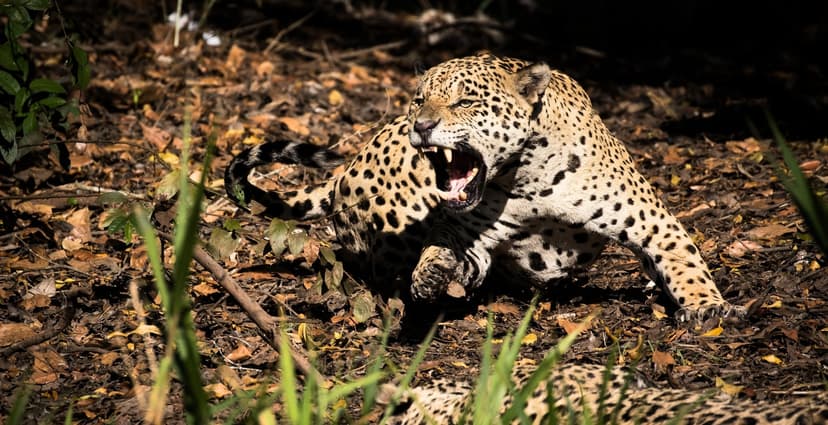
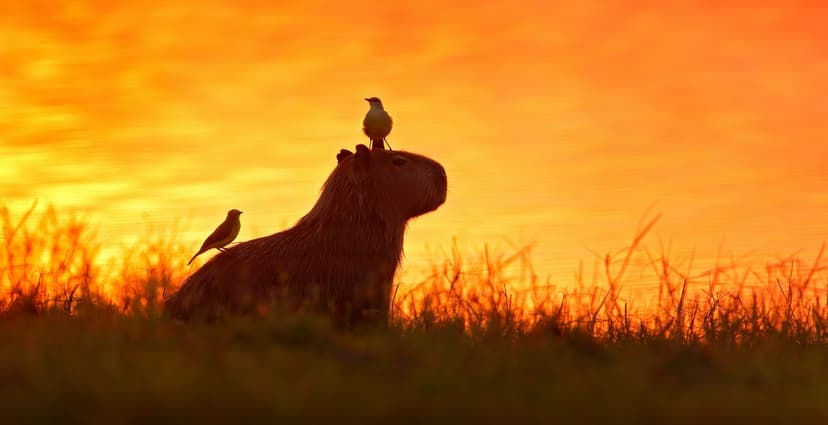
Wildlife is the headline, and the Pantanal is where it peaks. Our Pantanal Jaguar Photography Tour is a 6-day trip out of Cuiabá to Porto Jofre, in the Meeting of Waters State Park, which holds the highest density of wild jaguars on Earth. You photograph from boats on 5 full days plus 2 half-days, with guides who are working wildlife photographers, not just spotters. Beyond the jaguar, you frame giant otters, caimans, capybaras, and the hyacinth macaw. The dry season (July to October) concentrates animals on the shrinking rivers and is the window every serious wildlife photographer wants.
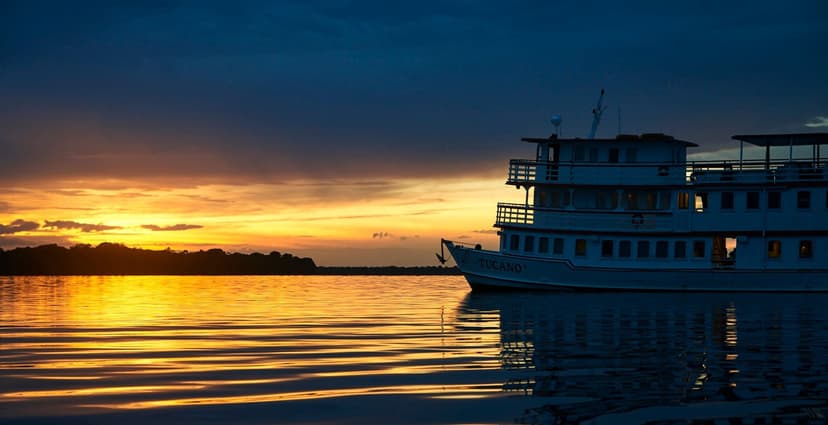
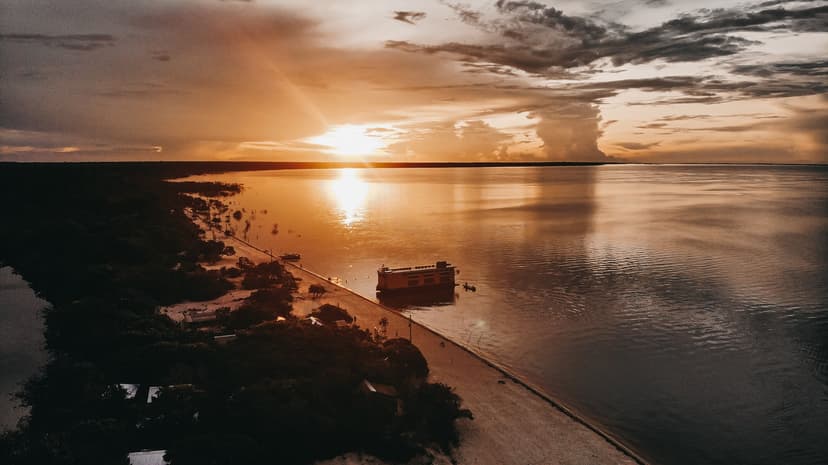
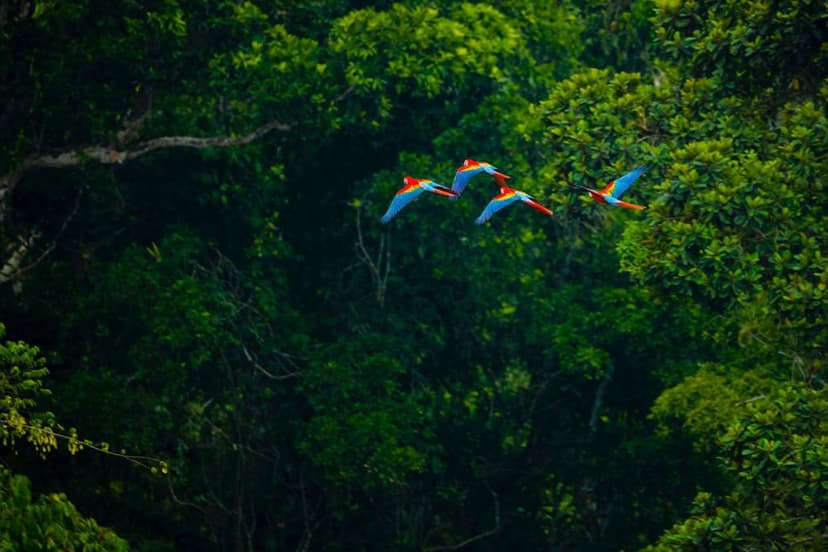
The Amazon is the other wildlife story, shot mostly at dawn and dusk from the water. On the dark mirror of the Rio Negro, you work golden-hour light on flooded forests, photograph pink river dolphins, and fill memory cards with toucans, macaws, and herons on sunrise boat trips. For landscape photographers, Brazil delivers two of South America’s strangest backdrops: Lençóis Maranhenses, a desert-like national park where thousands of rainwater lagoons sit between white dunes (fullest from June to September), and Fernando de Noronha, a volcanic archipelago with 21 islands.
So how does a trip come together? We plan it privately or in a small group, match the itinerary to your subject and your gear, and shape each day around the light, which usually means early starts and late finishes when the wildlife is active. The package covers the experience (lodges, photographer guides, boats or vehicles, and transfers from the gateway city such as Cuiabá or Manaus) but not international flights.


