
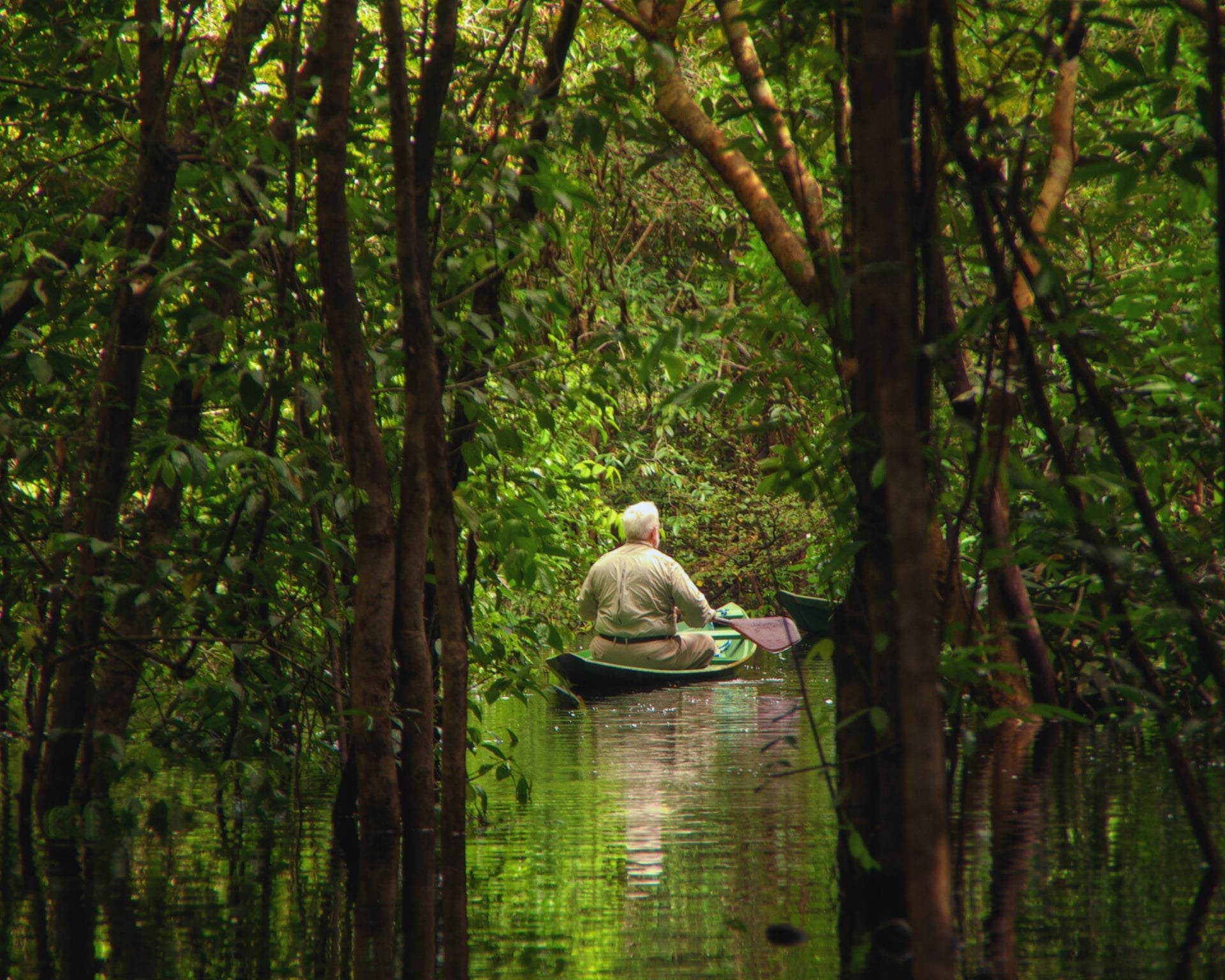
Discover how to prepare for your Amazon Rainforest trip with practical tips, local insights, and sustainable travel advice
Planning a trip to the Amazon in Brazil is no ordinary travel experience. With its immense size, rich biodiversity, and complex logistics, this magnificent place might challenge even the most seasoned travelers.
This is a destination where preparation matters, both for your safety and for the well-being of the environment and local communities. When you follow certain Amazon Rainforest travel tips, you know exactly what to expect and can make your vacation even better.
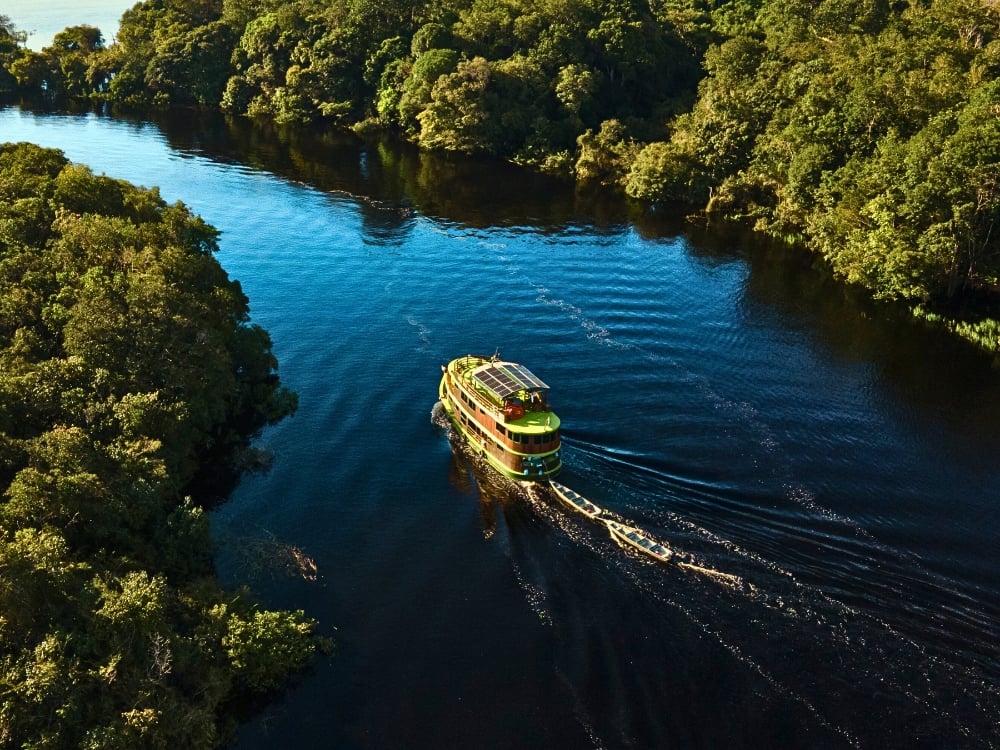
PlanetaEXO knows everything about this subject. As experts in Amazon tours in Brazil, our team works with the best local operators to ensure a smooth trip for everyone. See our recommendations below!
1) Understand the seasons and expect rain
The Amazon has two main seasons: the wet season (December to May) and the dry season (June to November). Each offers a different experience.
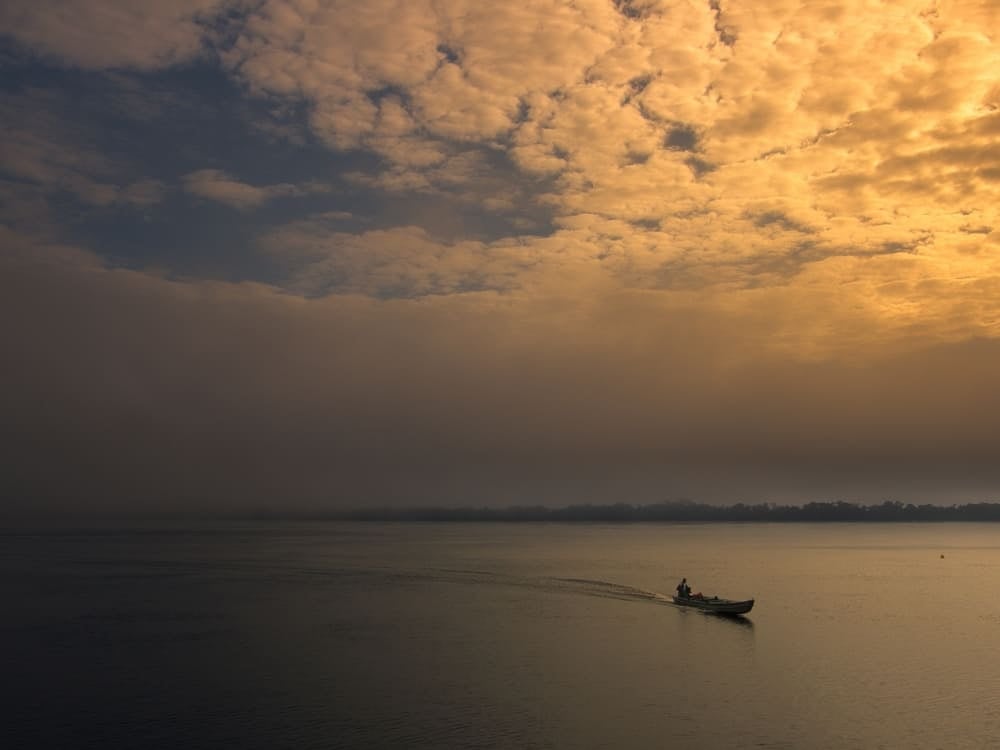
During the wet season, river levels rise significantly, creating a temporary ecosystem where the flooded forest is only accessible by boat.
In the dry season, receding waters reveal beaches, trails become more passable, and it’s easier to spot land animals.
Still, don’t let the term “dry season” fool you. Rainfall volume is significantly high all year round—it is a rainforest after all—which means rainstorms can make sudden appearances. This doesn’t negatively affect your trip at all, but it’s important to be aware.
👉 Read more: When is the Best Time to Visit the Amazon Rainforest in Brazil
2) Travel light, but smart
You don’t need much, but what you bring matters. Overpacking makes travel heavier and harder to manage, while underpacking can make your experience uncomfortable. Aim for balance—what you carry should serve the journey, not complicate it.
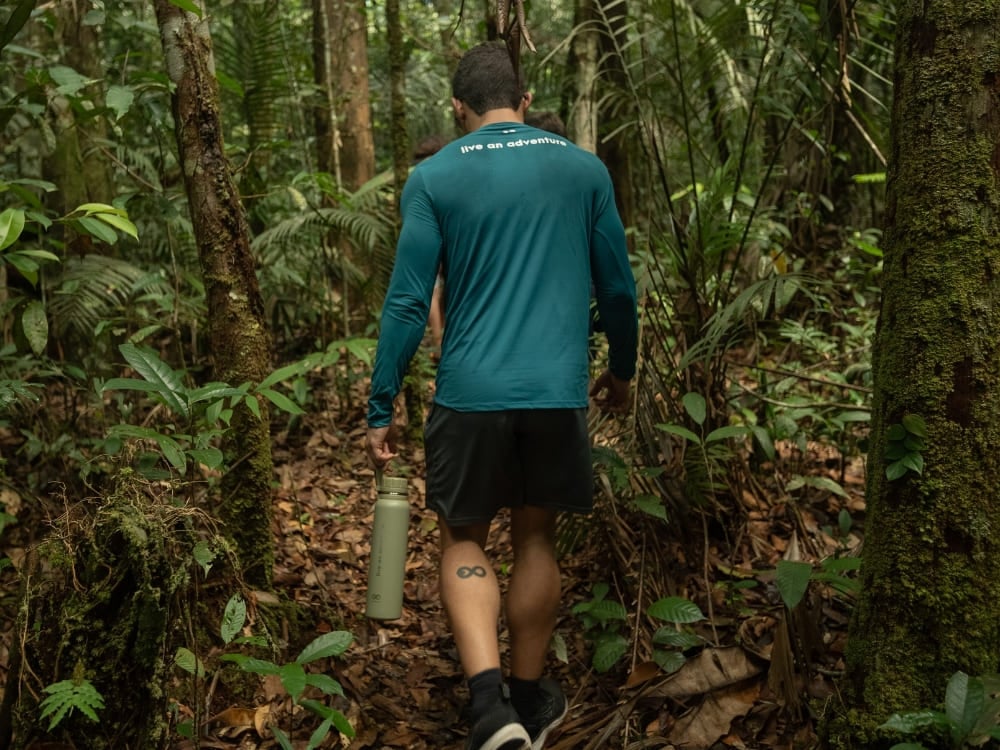
Check out a list of what you should pack to make the most of your Amazon travel experience:
- Lightweight, breathable clothes: t-shirts, shorts, pants, long-sleeved shirts (preferably with UV protection), windbreakers, hats or caps, and swimwear.
- Comfy shoes: sneakers, flip-flops, sturdy hiking boots.
- Equipment: raincoat, flashlight, personal reusable water bottle.
- Travel essentials: documents, medication, sunscreen (SPF 30 or higher), insect repellent, sunglasses, and power bank (phones, cameras, laptops, tablets).
- While larger cities like Manaus or Belém have ATMs and card-friendly establishments, much of the forest region still operates in a cash economy, especially in remote communities and local markets. Bring enough cash (Brazilian real) to cover meals, souvenirs, entrance fees, etc.—store it safely and divide it between bags.
Another essential item to pack is a universal power adapter, as power outlets vary depending on the location. The voltage in the Amazon area is 127 V. Be careful with your devices!
3) Protect your electronic devices from humidity
Humidity in the Amazon ranges from 77% to 88% throughout the year, which can harm your electronics even when there’s no rain, as the humid air can condense inside lenses and devices.
To protect phones, cameras, laptops, and tablets, keep them in Ziploc or waterproof bags when you’re not using them.
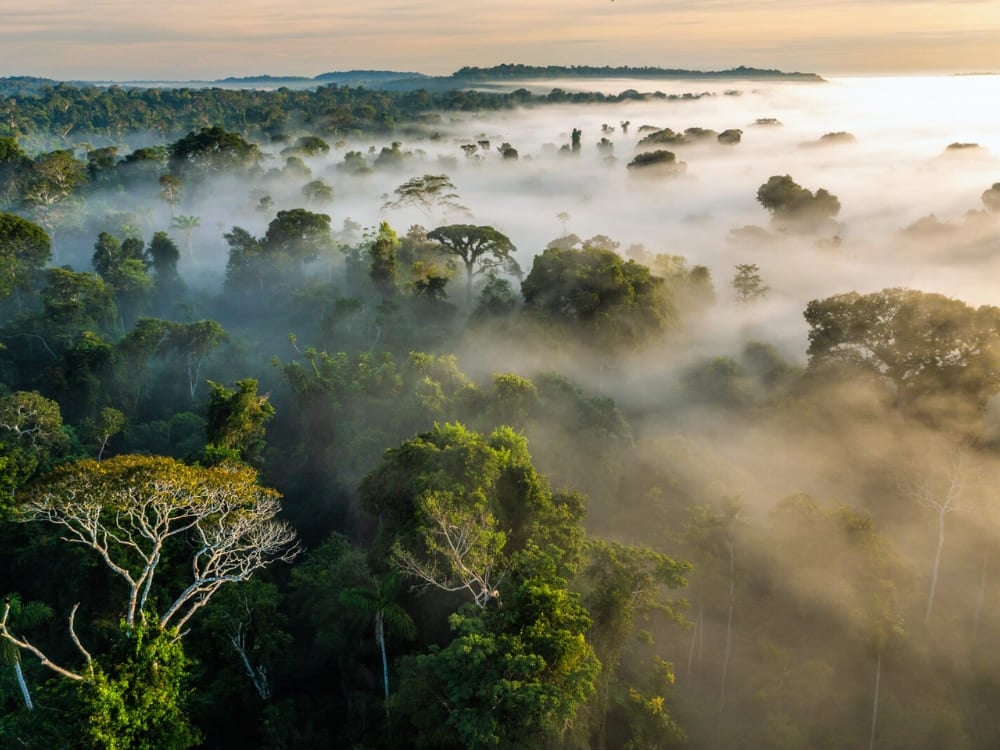
4) Keep up with the time zone in the Amazon Rainforest
The time zone in Manaus and the surrounding areas is UTC-4.
Amazon Time (AMT) is 1 hour ahead of Eastern Standard Time and 2 hours ahead of Central Standard Time (-4 hours in comparison to Coordinated Universal Time).
Pay attention to these differences so you don’t get confused when traveling!
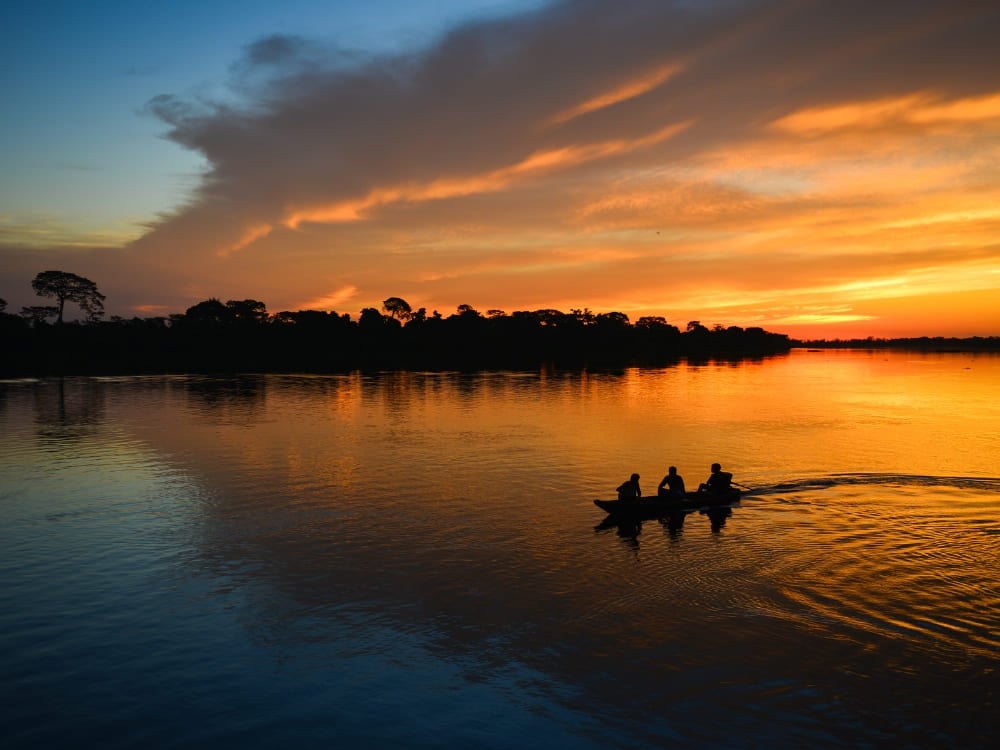
👉 Read more: How to get to the Amazon Rainforest in Brazil?
5) Health first: vaccines and general precautions
Medical preparation is a basic Amazon Rainforest travel tip, and it begins before you arrive at your destination. Vaccinations are strongly recommended, particularly for hepatitis A and B, diphtheria, tetanus, polio, and measles. Depending on the region and season, your doctor may advise malaria prevention as well.
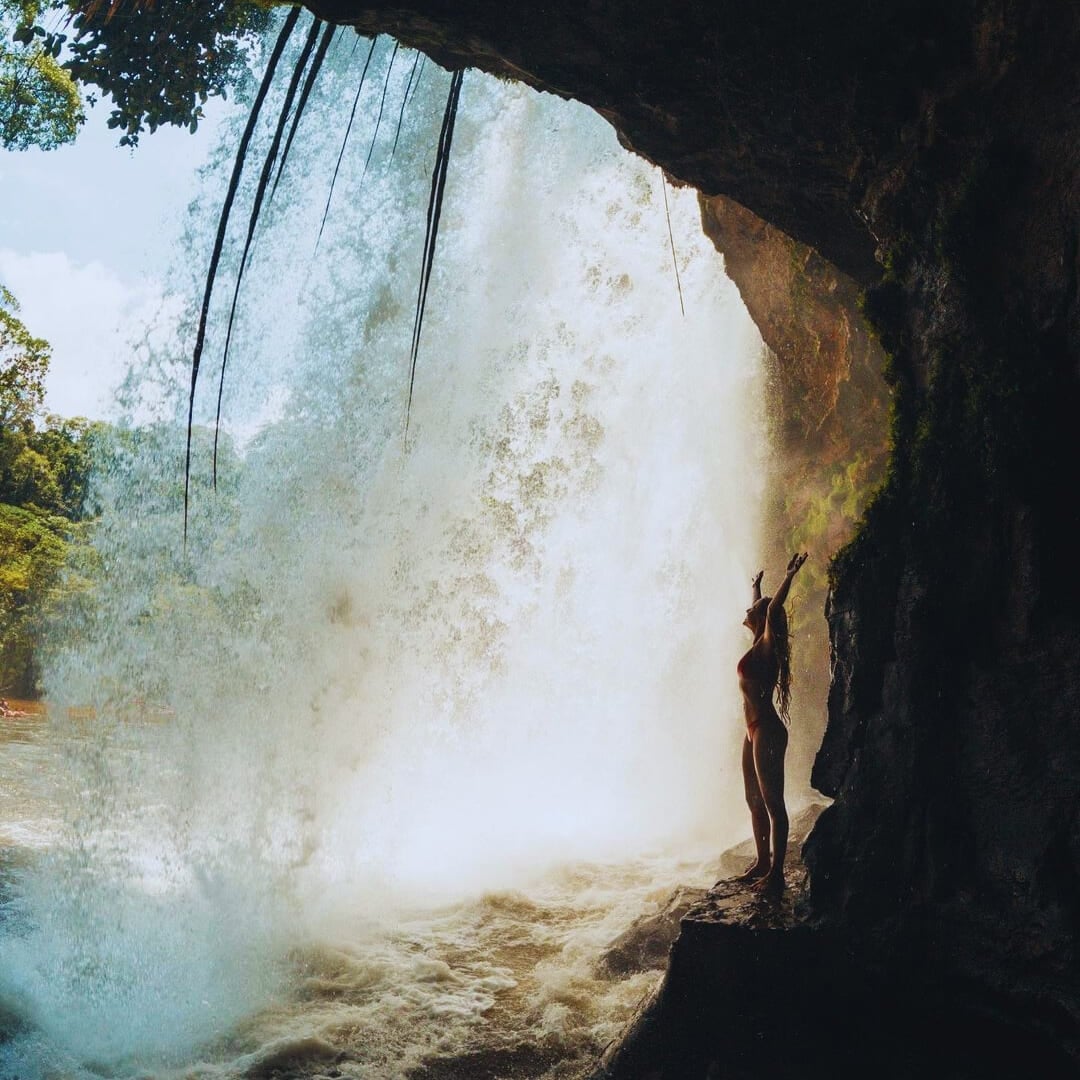
Yellow fever vaccines are not obligatory like in other South American countries, but they are highly advised—especially if you’re also traveling to the Amazon in Peru, Colombia, Ecuador, and Bolivia.
Check the United States government traveler’s health guide and Brazil’s official recommendations for international tourists. If necessary, consult a travel clinic at least a few weeks before your trip.
Once in the rainforest, simple habits make a big difference:
- Hydration is essential in the heat and humidity. Carry a reusable water bottle and drink regularly.
- Pack a small medical kit with essentials, including medication for headaches or stomach discomfort, allergy relief, and plasters or Band-Aids for minor injuries.
- Apply your sunscreen first, wait 15 minutes for it to absorb, and then apply high-DEET insect repellent on top. If you do it the other way around, the sunscreen can dilute the repellent or even trap insects against your skin.
- Before putting your shoes on in the morning, give them a vigorous shake and a peek inside. Spiders, scorpions, and the occasional small frog love the dark, damp “cave” of a hiking boot.
6) Walk with a local guide
Tourists might wonder if the Amazon Rainforest is dangerous. As this is a wild environment, the jungle can hold its dangers, but only for travelers exploring the biome on their own.
That’s why following a qualified local guide is crucial. They know where to step, when to stay quiet, and what not to touch. Safety comes first, but respecting instructions also allows for a deeper immersion and the conservation of nature.
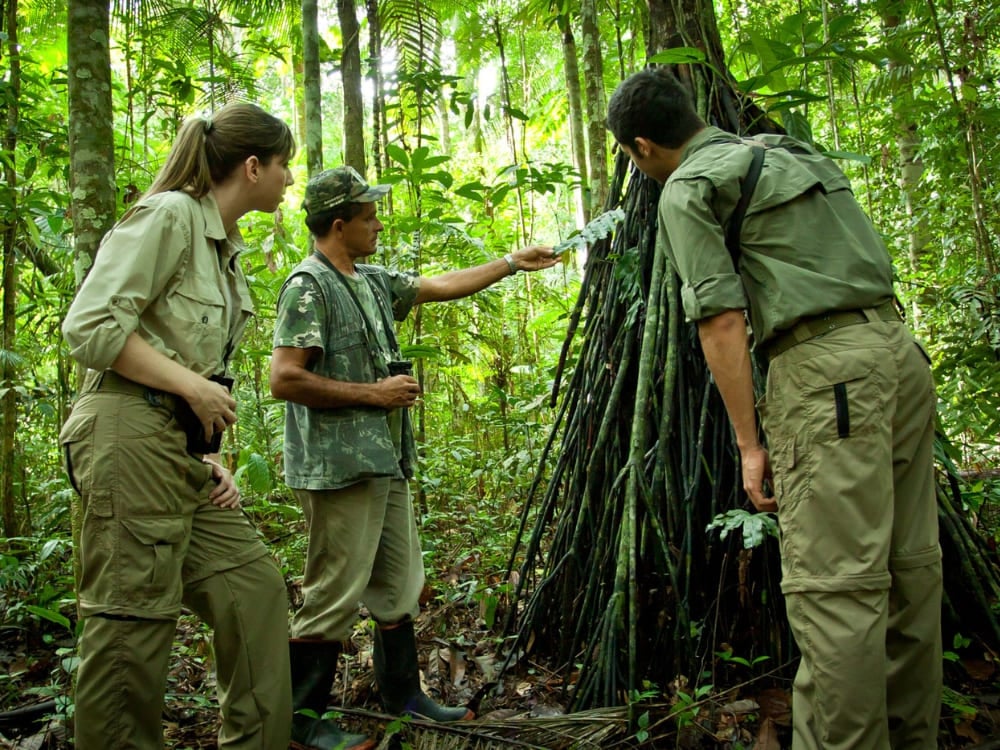
Hiking through the forest with someone who knows the terrain inside out transforms the experience. You’ll learn to spot hidden insects, medicinal plants, camouflaged frogs, and animal tracks you’d never notice on your own, as well as act correctly so as not to disrupt the balance of the ecosystem.
7) Keep quiet and don’t interfere when you spot an animal
Though the Pantanal is considered the best place in Brazil for wildlife watching, the Amazon fauna is also incredibly rich, being a fundamental part of one of the most complex ecosystems on Earth.
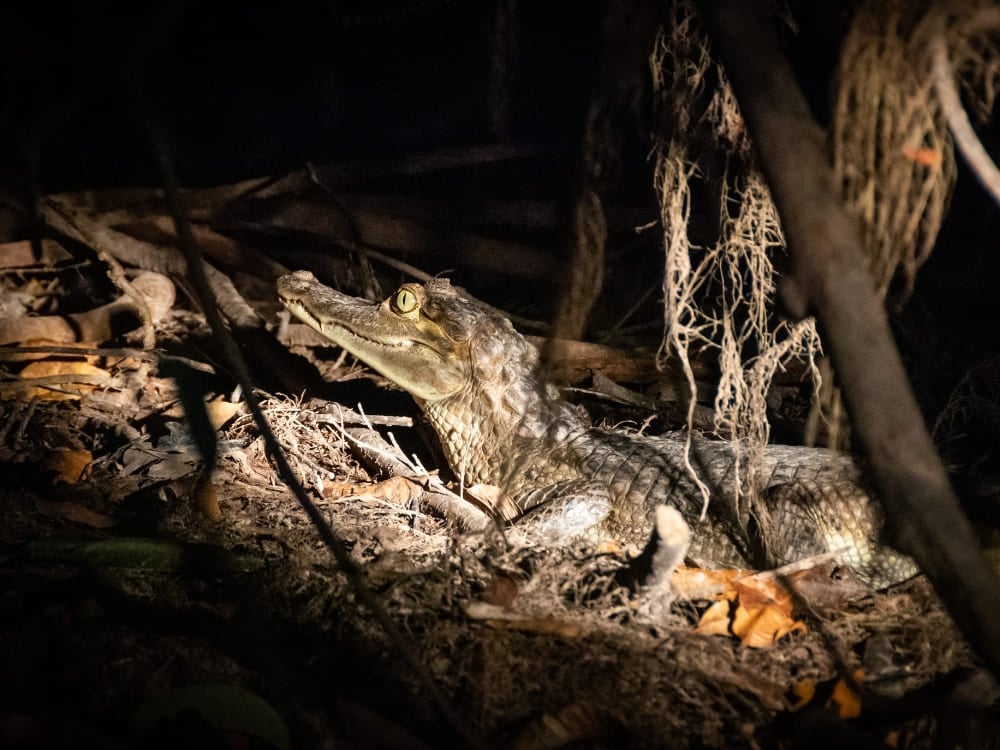
Whether it’s a sloth in the canopy, a caiman along the riverbanks, or a line of leafcutter ants crossing your path, all of this forms a finely balanced environment. Touching, feeding, or approaching animals disrupts that balance, altering natural behaviors and potentially putting both you and the animal at risk.
Real respect means keeping your distance, moving quietly, and resisting the urge to interact. These are moments of connection with nature as they truly are: wild, unpredictable, and best left undisturbed.
8) Stay in lodges that care for nature
One of the most important Amazon travel tips involves where you stay. Choosing lodges that prioritize sustainability ensures your visit supports both the environment and the community.
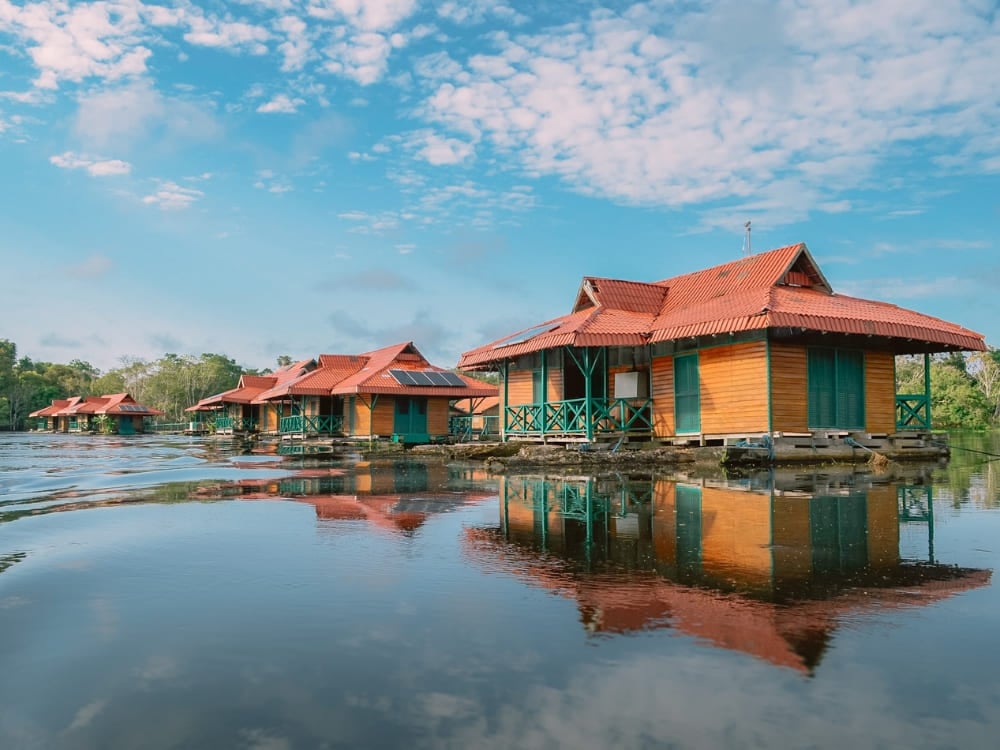
Look for accommodations powered by solar energy, with waste management systems and fair hiring practices. Many ecolodges reinvest part of their profits into conservation and education projects, which helps to support local families.
When you stay in jungle hotels where your trip makes a difference, you contribute directly to the preservation of the forest and the quality of life of those who call it home, making your trip truly meaningful.
👉 Read more: Best Amazon Jungle Lodges in Brazil
9) Stay in a “black water” region to avoid bugs
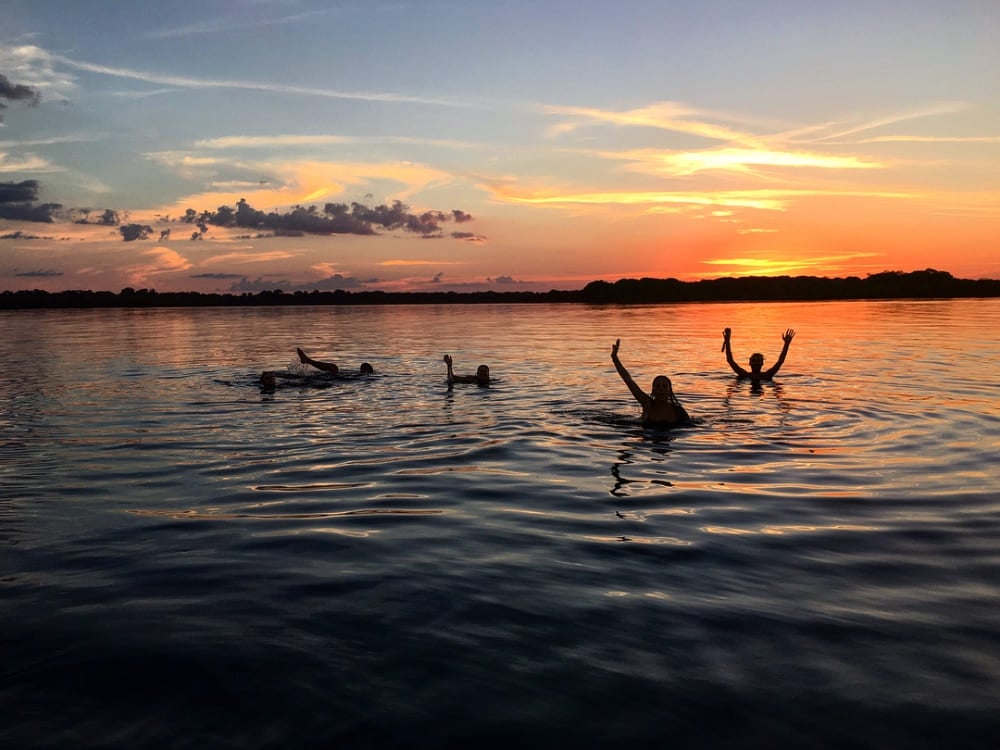
Here’s an Amazon travel tip you don’t see everywhere: if you are particularly mosquito-prone, look for lodges on “black water” rivers (like the Negro River).
The high acidity from decomposing organic matter prevents mosquito larvae from developing, making these areas significantly less buggy than “white water” regions (like the Solimões).
👉 Read more: Best Amazon River Cruises in Brazil
10) Respect local communities
The Amazon is home to countless people, including Indigenous and riverside communities who have lived there for generations. Respecting their traditions and way of life is essential.
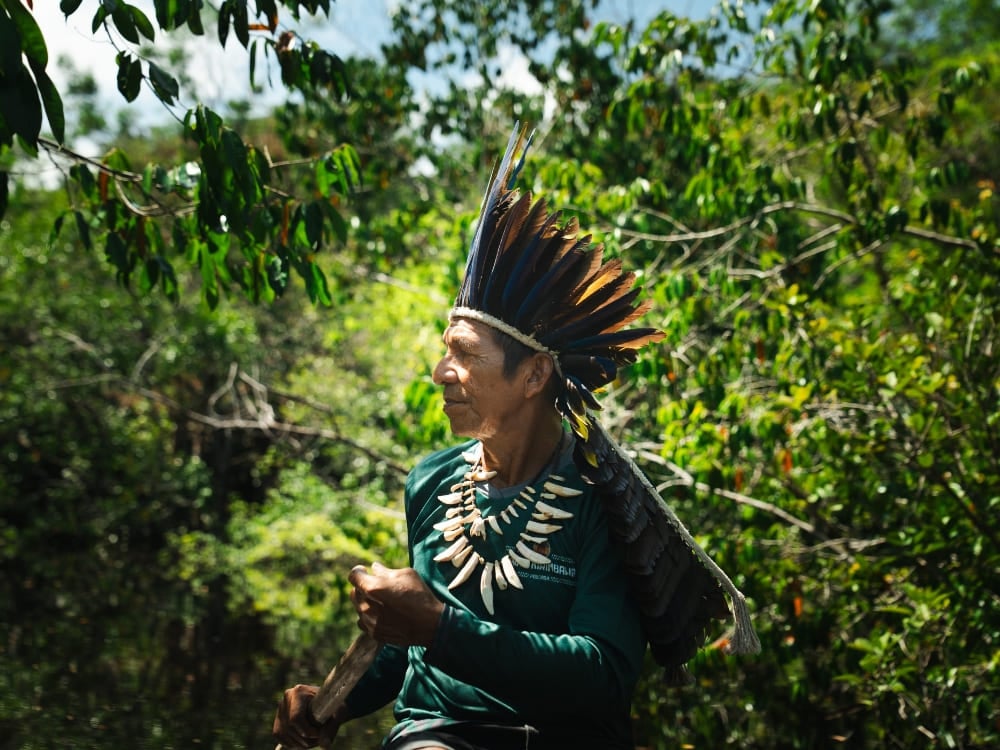
Always ask before taking photos, avoid offering gifts without context, and be open to learning from their stories. Many members of these groups are guides, hosts, and stewards of conservation projects who work every day to ensure the forest’s well-being.
When you travel responsibly, you support community-based tourism that protects culture, creates jobs, and strengthens local pride. Do your part and contribute to a better future.
Here’s your last Amazon Rainforest travel tip: book your experience with PlanetaEXO
PlanetaEXO is an ecotourism platform that works with the best local operators and specializes in Amazon Rainforest tours in Brazil.
When you travel with us, you’re making sure your vacation causes a positive impact on small businesses, native communities, and our planet. Let’s live an adventure together. Contact us now!
Keep reading
October 14, 2026
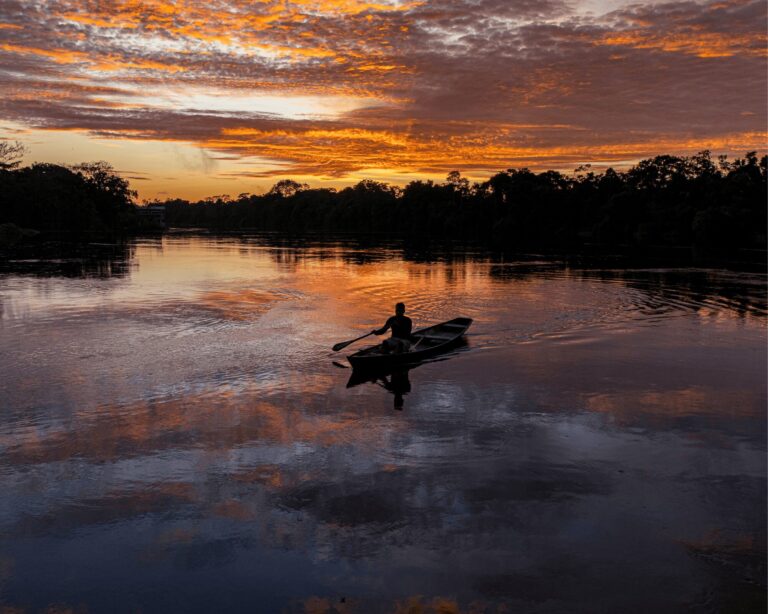
10 Tips to Make the Most of Your Amazon Tour From Manaus, Brazil
Booked an Amazon tour from Manaus in Brazil? See 10 tips to enjoy your experience, including what to eat, what to do, how to be safe, and what to avoid!
October 1, 2026
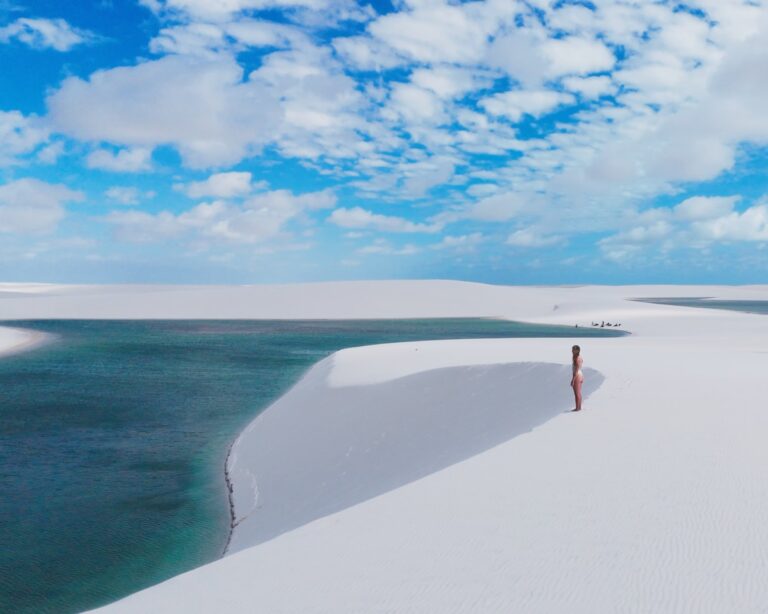
PlanetaEXO’s new mini-doc showcases ecotourism in Lençóis Maranhenses
In “Lençóis Maranhenses: Far From The Crowds, Close To What Matters”, PlanetaEXO’s mini-doc shows how ecotourism is changing life for local communities.
September 30, 2026
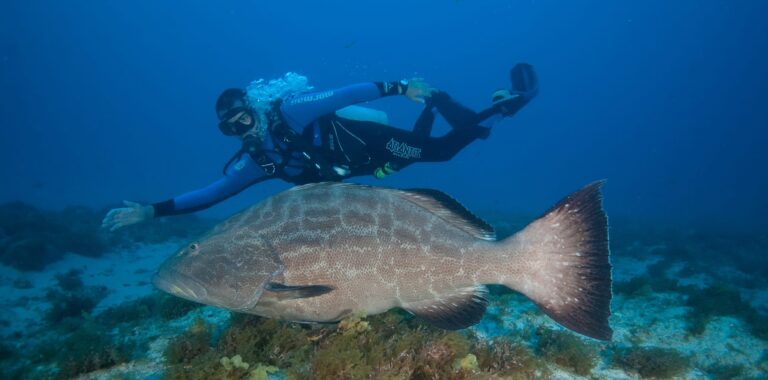
Best Dive Sites in Fernando de Noronha: 21 Spots by Depth and Level
The 21 best dive sites in Fernando de Noronha, with depth, seaside, and level for each, from 8 m beginner reefs to the 62 m Corveta Ipiranga wreck.