
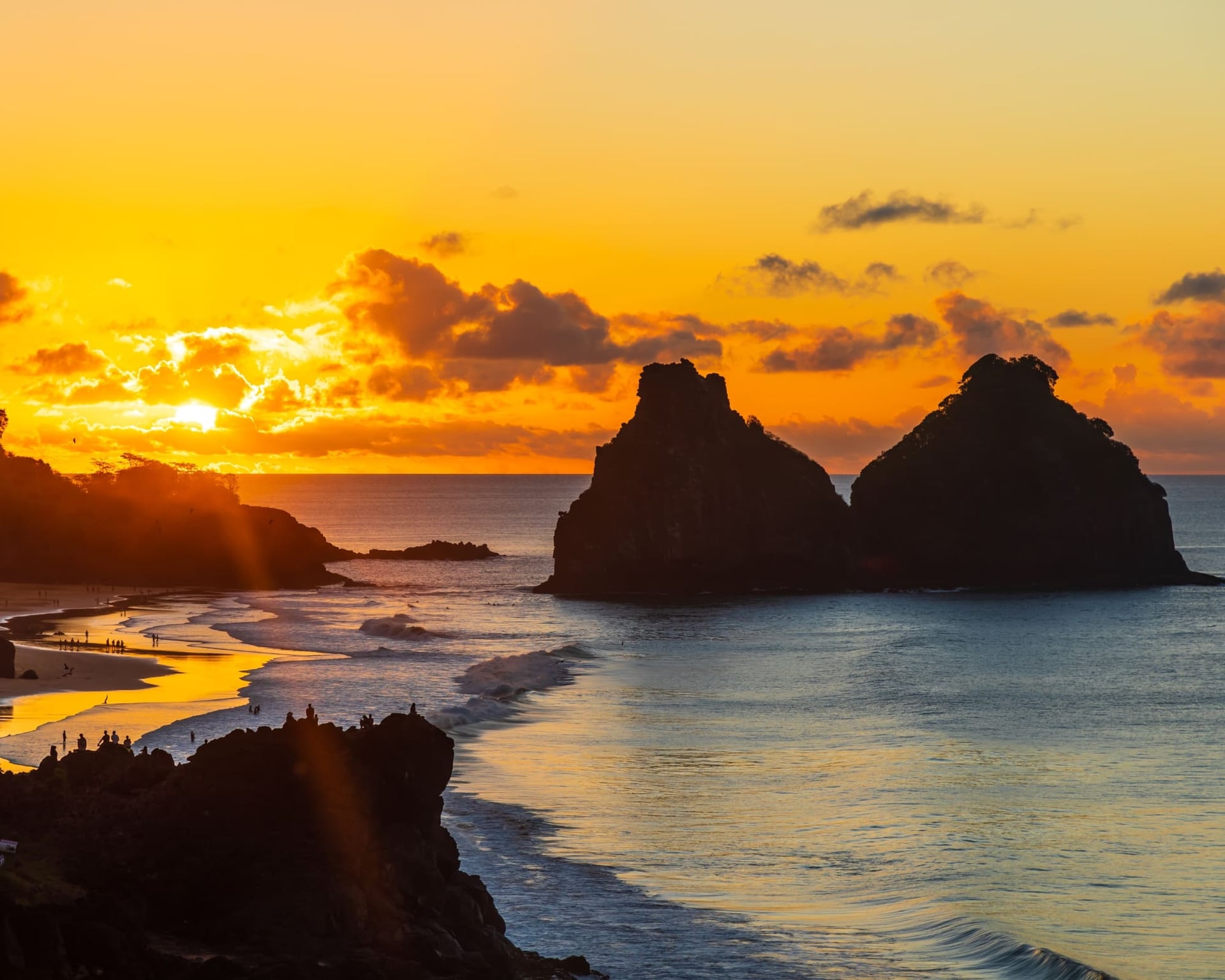
Discover how each season reveals a different side of Brazil’s natural wonders and start planning your trip!
Brazil is an immense country where nature sets the rhythm of life. From the flooded forests of the Amazon to the crystal-clear lagoons of Lençóis Maranhenses and the coral reefs of Abrolhos, every season paints a new face of the landscape.
When it comes to authentic experiences in nature, the best time to visit Brazil depends on what you want to experience: lush vegetation, wildlife encounters, or sunny adventures by the sea. Across its tropical and subtropical climates, the country offers unforgettable moments all year long.
PlanetaEXO, an ecotourism platform specialized in adventure tours in Brazil that works with the best local operators, has put together a comprehensive guide to help you choose the perfect destination for you. Learn more below!
What is the weather like in Brazil?
Brazil is a continental nation, covering a staggering area of 8.516 million km², which means this is a country with great climatic diversity. In general, the climate is warm in almost the entire territory, but thermometers obviously vary according to the seasons.
However, in some regions (especially in the North, Central-West, and Northeast), it’s warm even during the winter, when Southern and Southeastern states are facing cold temperatures.
It’s also important to point out that the seasons in the Southern Hemisphere are opposite to those in the Northern Hemisphere. When it’s winter in Europe or North America, it’s summer in Brazil (and vice versa).
January, February and March
High season in Brazilian borders due to recess, Carnival (mid-February) and the summer. It’s a time of tropical exuberance, but also intense rainfall in certain regions.
One of the best times to travel to Brazil if you’re looking forward to water-related activities and lush vegetation!
Chapada Diamantina (rainy season)
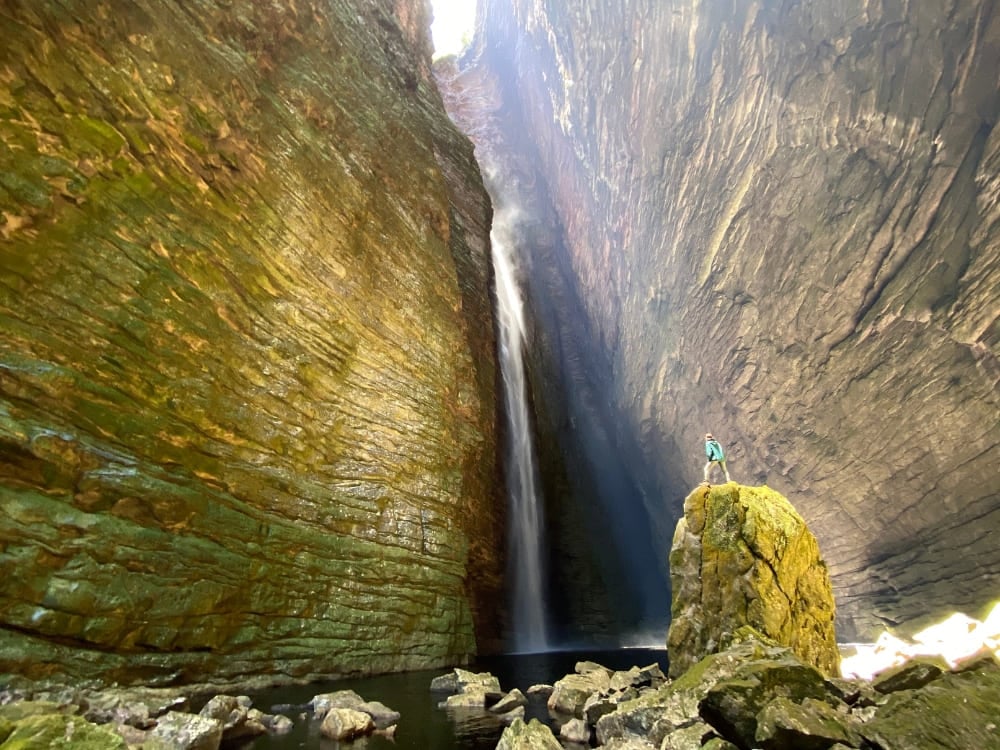
Summer rains bring Chapada Diamantina’s waterfalls to their maximum volume, making them stronger and fuller. Fumaça, Cachoeirão and Buração are fantastic at this time of year.
Visiting the underground natural pools of Poço Azul and Poço Encantado is also a wonderful experience, particularly due to the rays of sunlight that penetrate the caves and reflect directly on the crystal-clear waters.
Summer rains occur in the morning or at night, making some trails slippery or altogether unassessable in Vale do Pati, but it’s still possible to hike as the weather gets particularly bright when the storms cease. That’s when the vegetation becomes more vibrant, while the waterfalls get even fuller. You’ll have plenty of chances to have fun, explore the area, and take incredible pictures!
👉 Read more: When is the best time to Visit Chapada Diamantina?
Amazon Rainforest (rainy season)
Although it’s summer in Brazil, the so-called Amazonian winter takes place from October to March. It has nothing to do with temperature, but with the increased intensity and volume of rainfall.
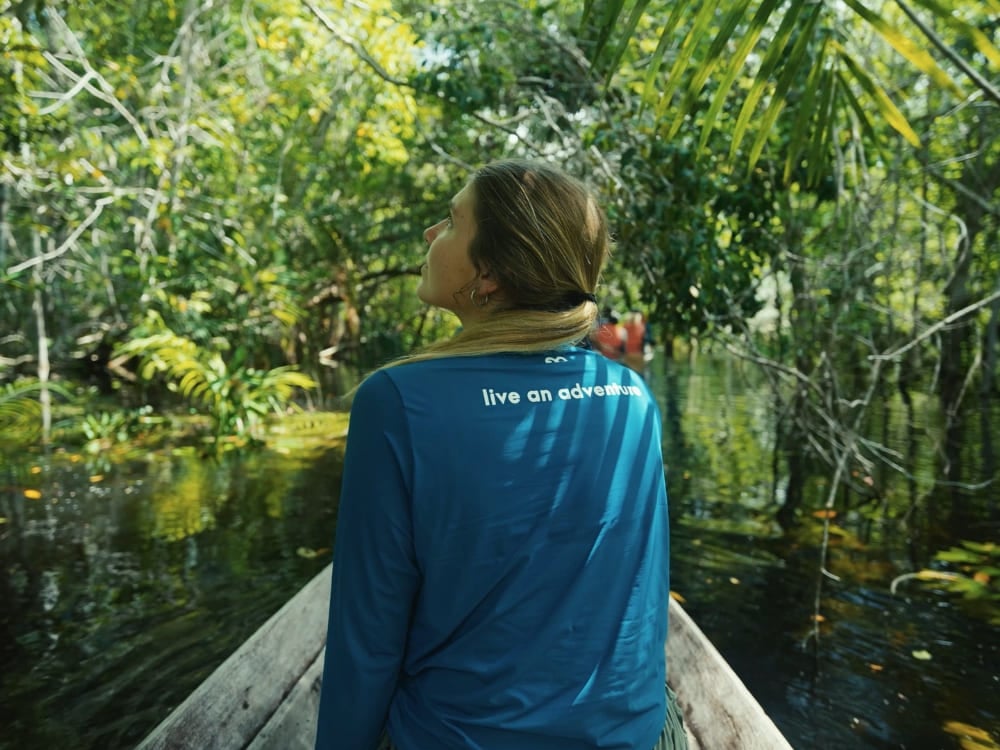
The Amazon rainy season is marked by high river levels and flooding in some areas of the forest — known as igapós, when the water rises to 10–15 meters and it’s possible to swim and canoe in between treetops.
This is also a good time for Amazon river cruises and wildlife watching — terrestrial animals, like monkeys and sloths, tend to climb the trees to avoid the floods, making it easier to see them. Birds and Amazon pink dolphins are also usually spotted.
👉 Read more: When is the best time to visit the Amazon Rainforest in Brazil
Fernando de Noronha
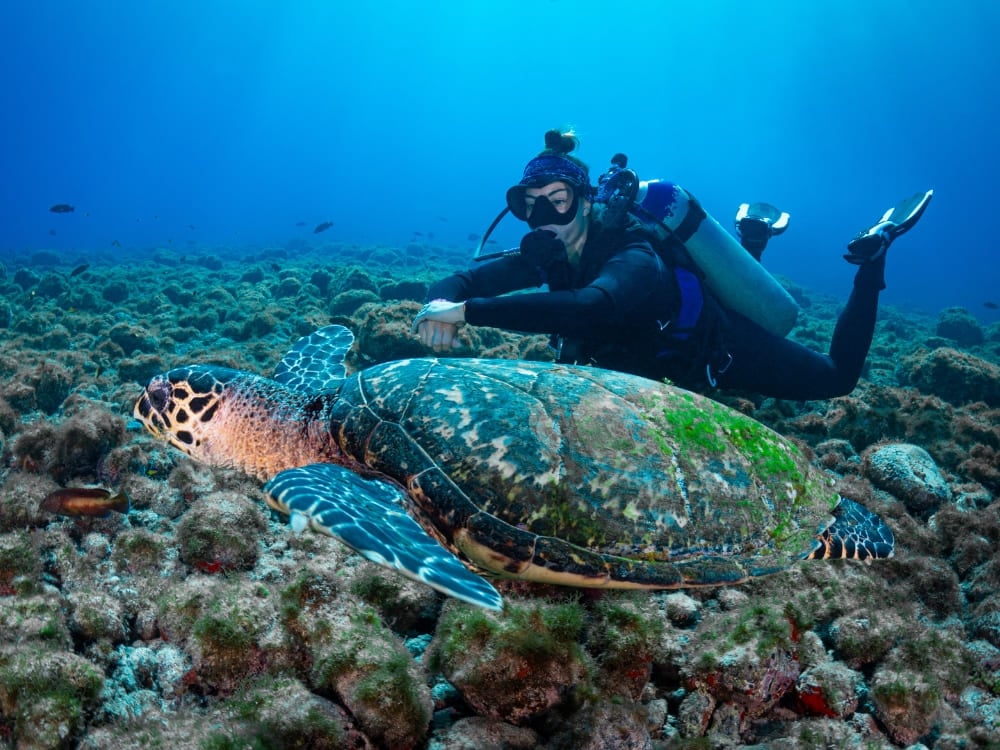
The best time of year to go to Brazil for diving in Fernando de Noronha is during the archipelago’s dry season, which features stable weather, minimal rainfall and excellent diving conditions in some parts of the island.
January and February are the months of the inner sea, when swells and strong waves hit the coast. It’s great for surfers, but divers might have to adjust their plans and focus along the outer sea for calmer waters and better visibility.
👉 Read more: When is the Best Time to Dive in Fernando de Noronha, Brazil?
Mount Roraima
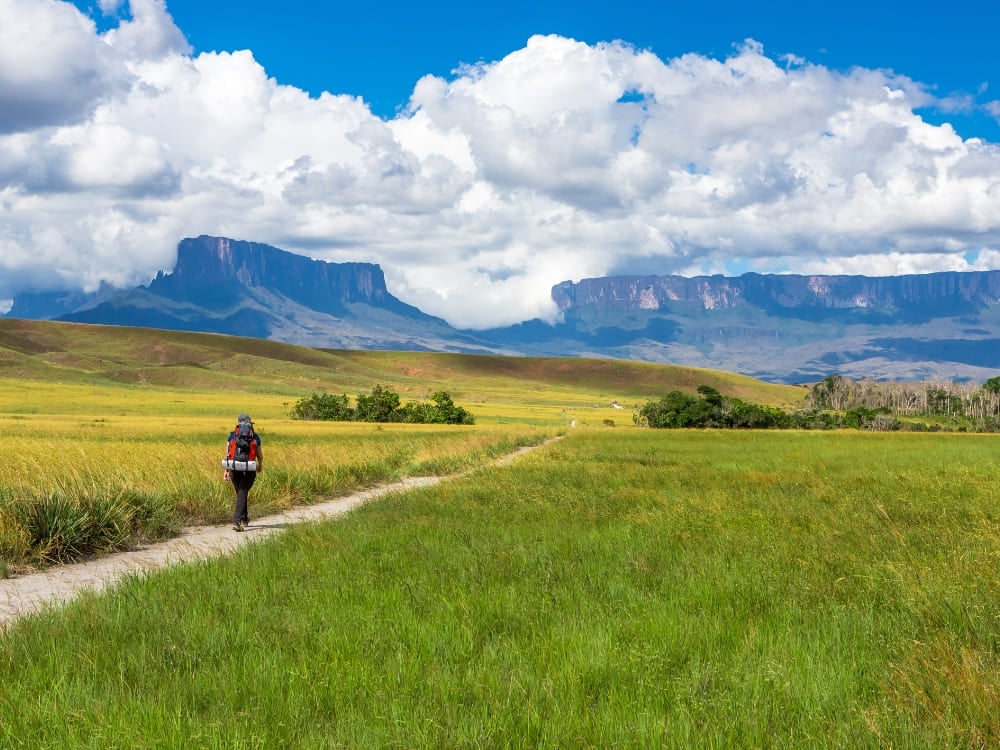
Influenced by the Venezuelan climate, the weather on Mount Roraima is quite unpredictable, but the dry season — October to March, with emphasis on the first trimester of the year — is considered an excellent period for trekking.
Less rainy and foggy, the trails and the views from the mountaintop become clearer, but the temperature changes are still fairly dramatic: 20–25°C (68–77°F) at the base to 10–15°C (50–59°F) during the day, dropping to 5°C (41°F) or even 0°C (32°F) at night.
April, May and June
Autumn in Brazil means milder temperatures and clearer skies. It’s when waterfalls are at their peak, lagoons form in the northeast, and trails become ideal for hiking.
Cerrado (Jalapão and Chapada dos Veadeiros)
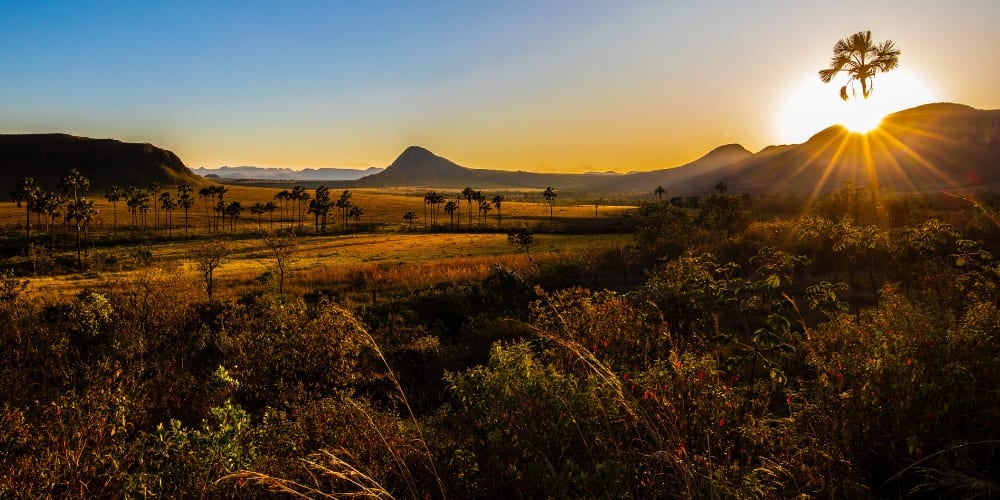
The Cerrado is the second-largest biome in Brazil, spanning 25% of the country’s territory in ten different states. Known as the Brazilian savannah, it features incredibly rich fauna and flora, as well as jaw-dropping views.
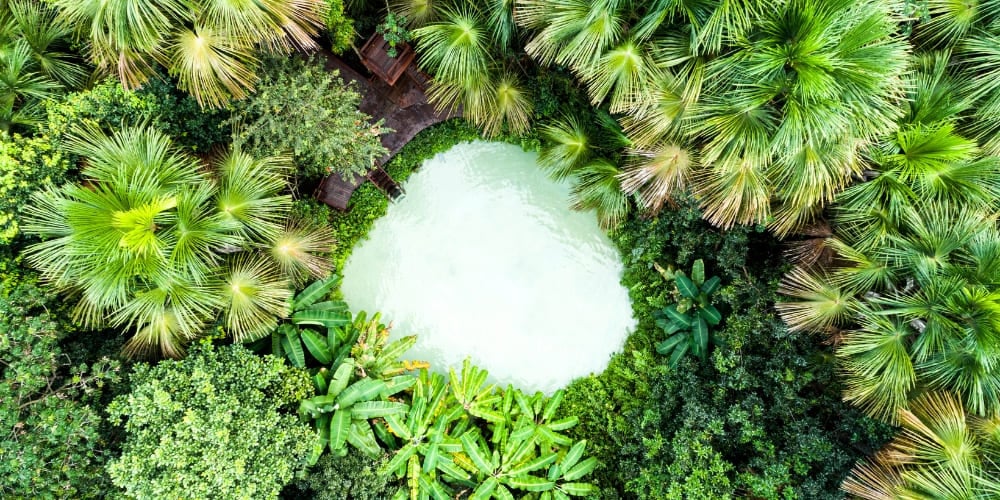
From April onward, the dry season begins. The sky clears, the roads become easier, and fervedouros (natural spring pools) turn transparent blue.
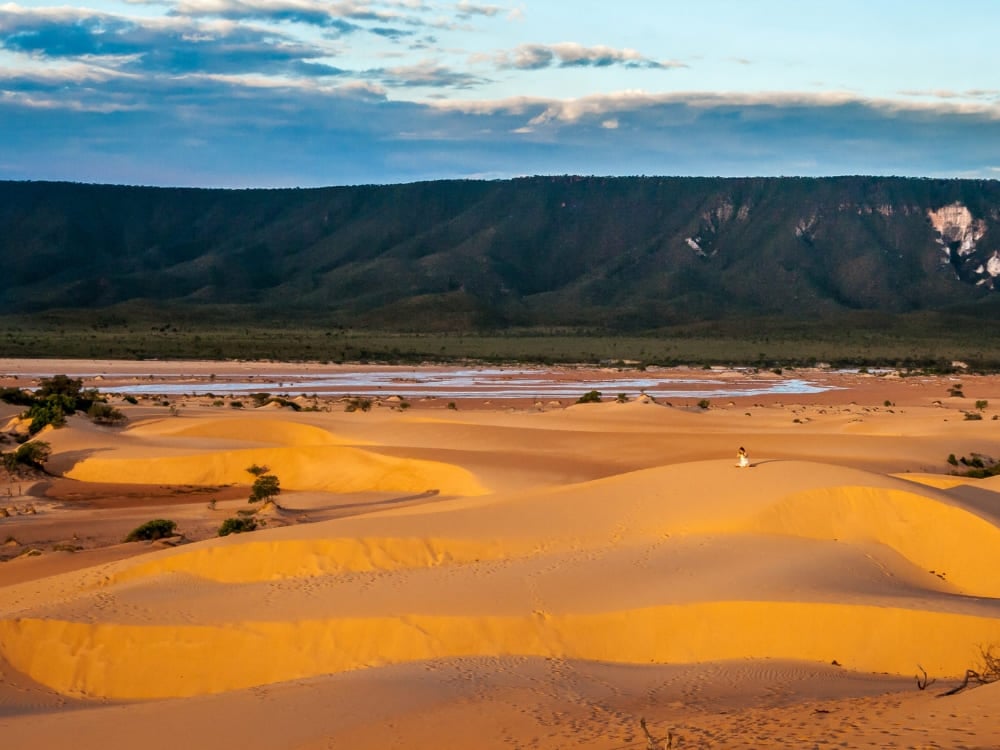
In Jalapão, dunes and waterfalls shine under the golden light of breathtaking sunsets. This time of the year is ideal for the 6-day Jalapão Trekking Immersion, featuring the best adventure itinerary with rafting, bathing in waterfalls, swimming in natural pools, and, of course, trekking through the national park.
Trekking in Chapada dos Veadeiros, and exploring waterfalls and water springs is also an excellent option in this season, which displays rich wildlife, minimal rain, and jaw-dropping views.
Lençóis Maranhenses
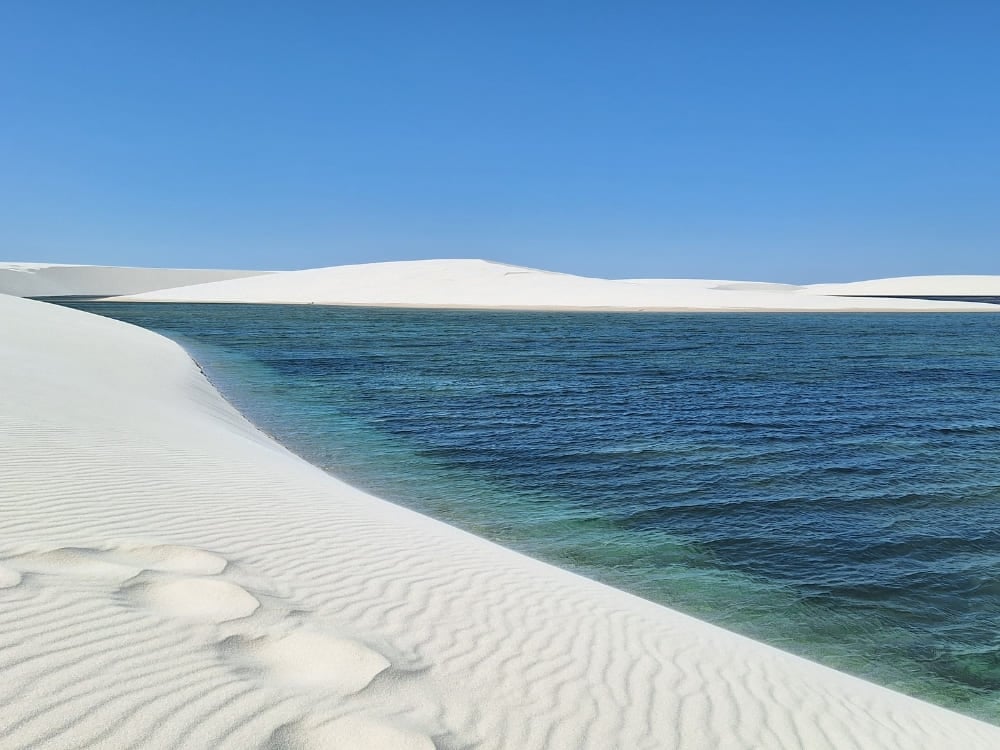
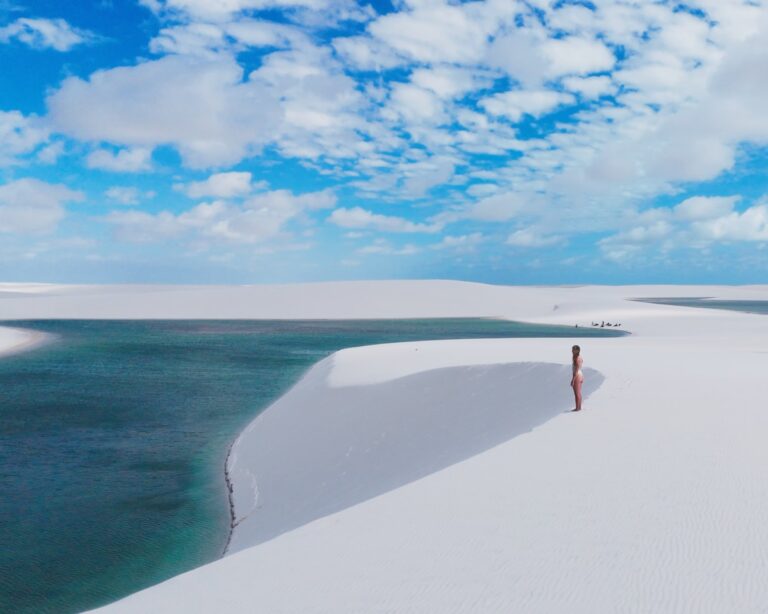
The peak of Lençóis Maranhenses, when the lagoons are at their fullest after the rainy season and the weather is considerably stable.
Offering wonderful conditions for swimming and trekking, this period is highlighted by the gorgeous contrast of turquoise lagoons against white sand and a daily change of scenery that reminds everyone why this is one of Brazil’s most surreal destinations.
The weather is still warm, but nothing like the heat of the summer. High humidity and moderate chances of rain help to cool things down and keep the lagoons appropriate for swimming.
Autumn also precedes the high season in Lençóis, making it a great time for travelers looking for quieter experiences and less crowded places.
👉 Read more: When is the best time to visit Lençóis Maranhenses?
Pico da Neblina
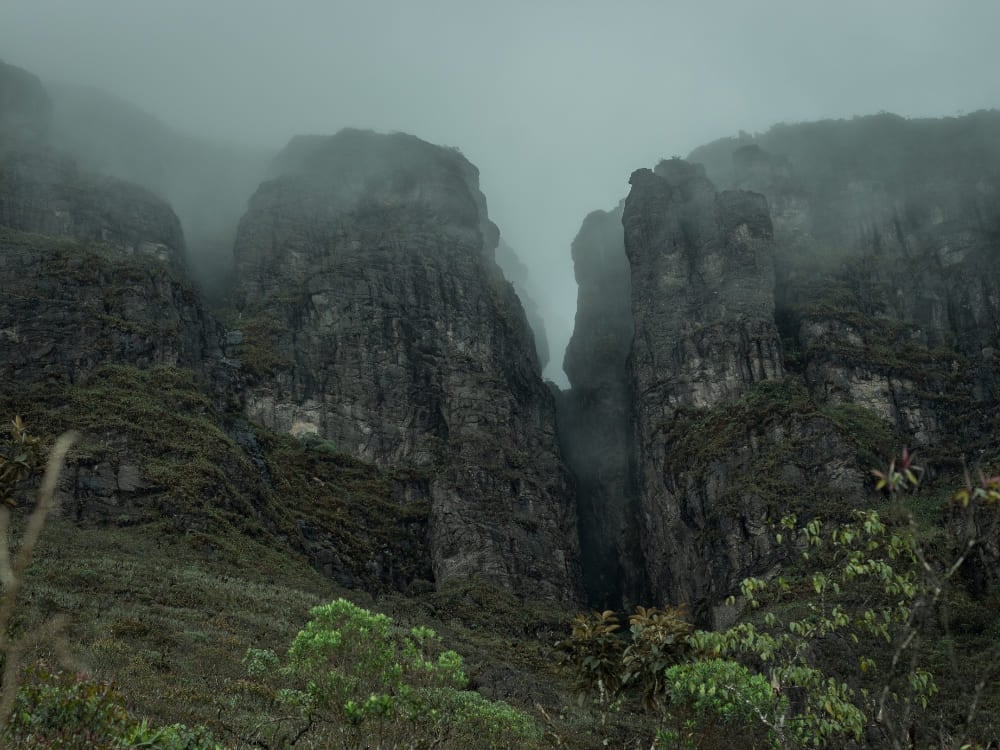
Hidden in the northeast of the Amazon Rainforest, Pico da Neblina is cold between April and June, but the window for expeditions opens up due to the decrease in rainfall.
Humidity is still high, but the visibility becomes clear, which helps to facilitate the demanding treks and the overall safety of the experience.
For travelers thirsting for high adventure and total isolation!
July, August and September
Winter is the best time to visit Brazil if you’re looking for wildlife watching, hiking and even diving or swimming.
The conditions for these activities are appropriate mostly due to the low rainfall, and depending on the region, it’s not even cold!
Pantanal (dry season)
The dry season in the Pantanal is perfect for wildlife safaris. As the water level shrinks, it’s easier to spot animals. The clear skies and very little rain are also ideal for photographic tours, horseback riding and hiking.
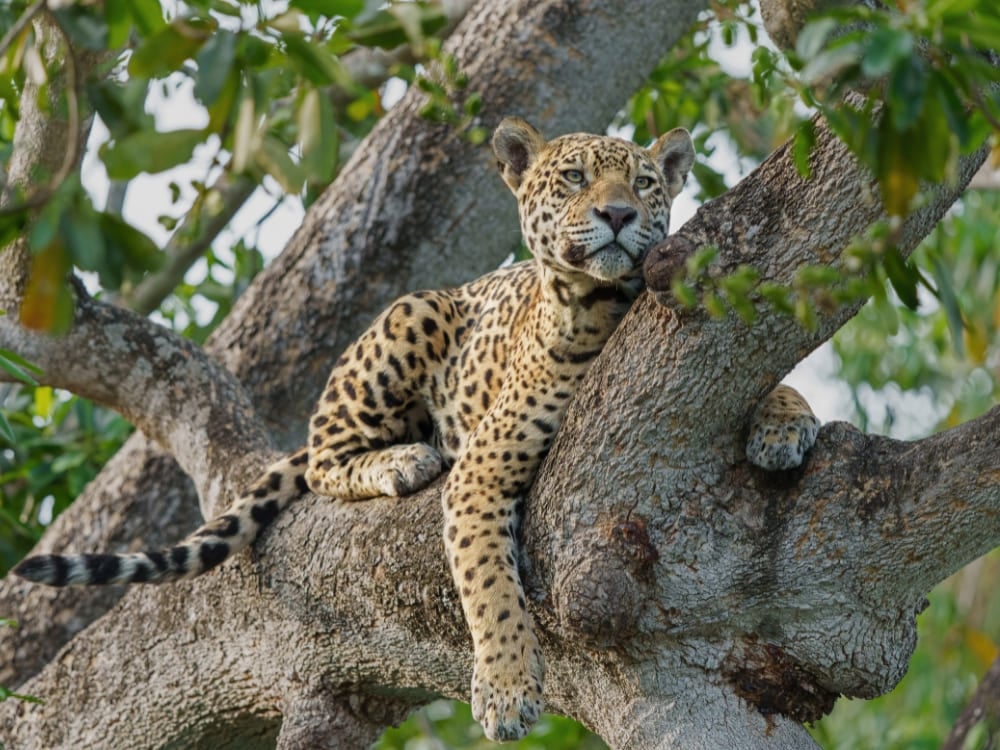
The drought exposes the riverbanks and attracts jaguars in the North Pantanal, who leave their hiding places in the woods to search for food. Wonderful opportunity to see these gorgeous creatures!
👉 Read more:
Amazon Rainforest (dry season)
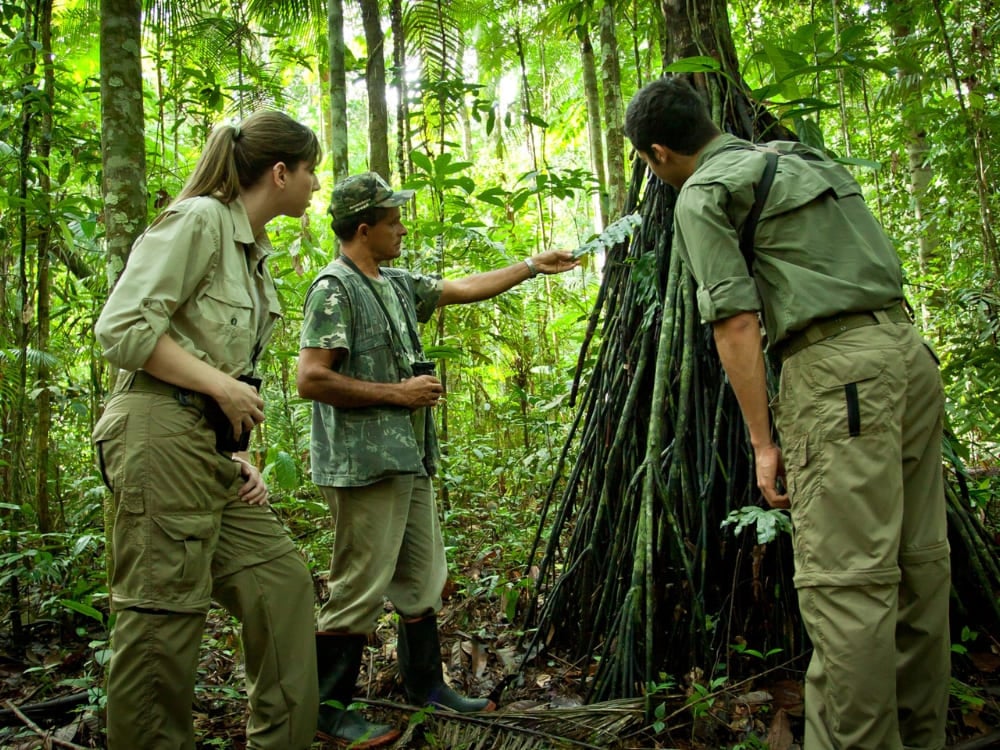
The Amazon dry season makes the weather warmer. It still rains, but the volume is lower. Some flooded areas start to drain, unblocking hiking trails that were submerged before. Naturally, this is a great time for hiking.
Some beaches reappear in Alter do Chão and Anavilhanas National Park, and it’s easier to see caimans and Amazon pink dolphins as the rivers lower.
Despite that, river cruises are still very much viable and a fantastic experience during this period.
Jalapão
Jalapão is an all-year-round destination, but the dry season is particularly recommended for travelers due to lower chances of rainfall.
Access to the dirt roads is much better without the mud from all the rain, while the fervedouros maintain the perfect temperature for swimming.
The weather is fairly dry, but the sunsets are mesmerizing at this time of year, making the golden dunes shine even brighter.
Chapada Diamantina (dry season)
Chapada Diamantina appears on the list again. Though it’s a good destination for the rainy season, it’s also incredible for trekking during the dry season, as the lower volume of rain opens up the trails and keep the soil appropriate for exploring.
In Vale do Pati, the climate is favorable for admiring the national park from the viewpoints, joining guided hikes, and exploring caves and caverns.
Despite the drier weather, the waterfalls remain unmissable, especially the iconic Fumacinha, one of the best known in the region.
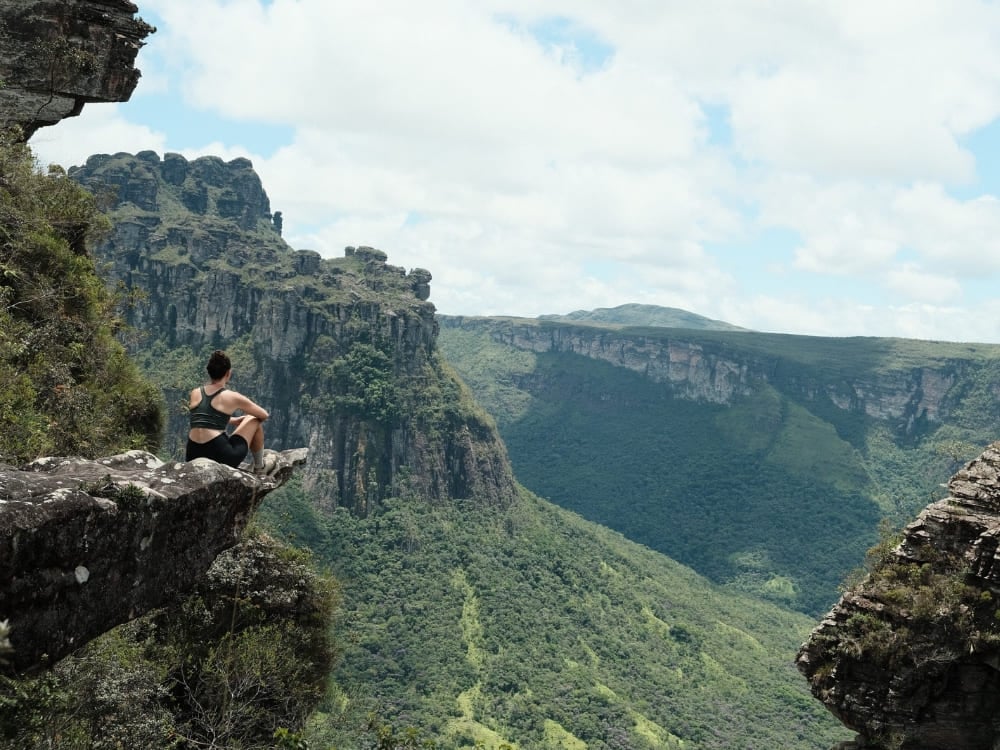
👉 Learn more about this adventure: 6-day Ultimate Chapada Diamantina Hike
October, November and December
Spring and early summer in Brazil bring warmer weather and transitions between dry and rainy periods.
Abrolhos
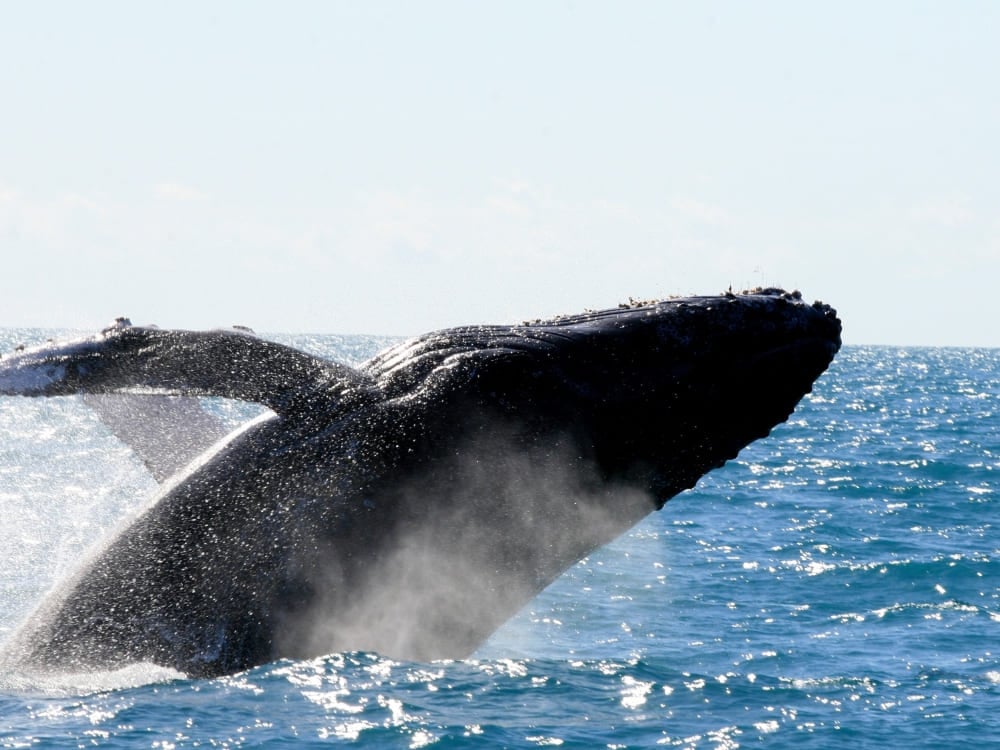
This is the best time to go to Brazil if you want to see the marine life flourishing. Abrolhos is home to the largest coral reef in the South Atlantic and one of the greatest places on Earth to see humpback whales.
These gentle giants breach the surface near Bahia’s coast to mate and breed, exposing themselves to the eyes of tourists that travel thousands of kilometers just to see them.
From November onward, calm seas create great conditions for diving, revealing coral reefs, turtles, and colorful fish.
Pantanal (rainy season)
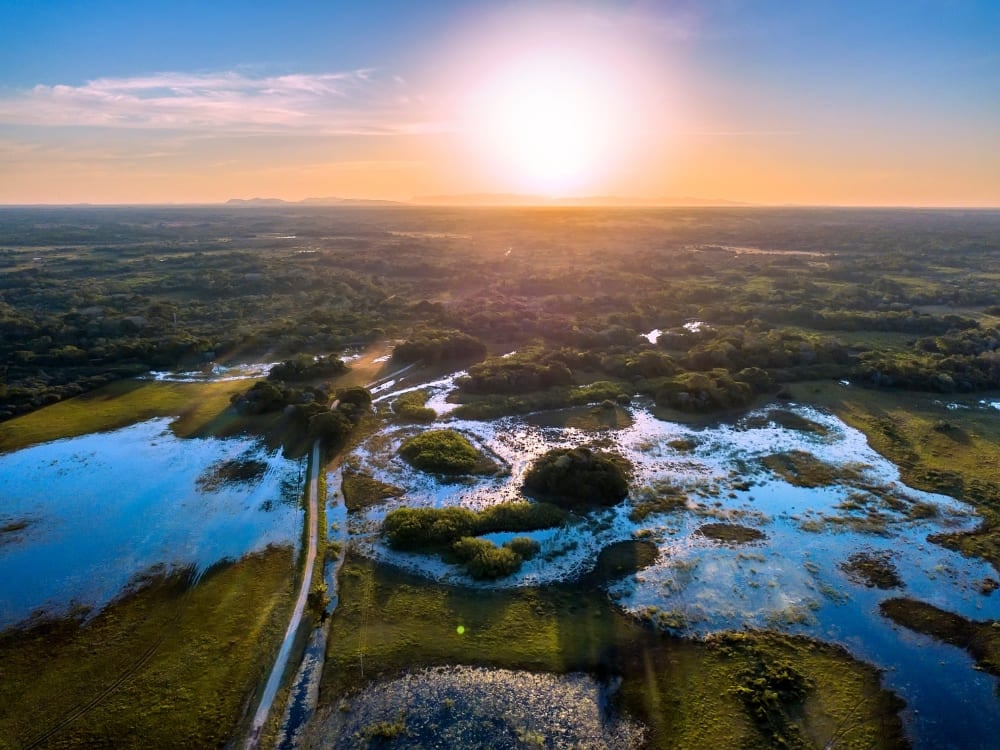
From November to December, the Pantanal becomer lusher and greener in the rainy season. Birdwatchers thrive during this time, as flocks or jabiru storks and macaws are frequently spotted. Mammals, however, tend to hide.
Starting in November, the rain starts to fall and the dry earth quickly absorbs the water. By December, the rivers flood and the wetlands begin to form, creating beautiful natural water mirror landscapes until March.
Besides birdwatching and contemplating the view, activities also include boat rides, canoeing and photo safaris.
The best time to visit Brazil is whenever you want!
Brazil offers incredible experiences regardless of the season. Whether you want to spend days trekking through the forest, admire the wildlife or relax in natural pools or sandy beaches, this magnificent place has something for everyone.
PlanetaEXO is an ecotourism platform specialized in Adventure Tours in Brazil from North to South. By partnering with the best local operators, we help you live the vacation of your dreams while supporting community-based travel and preserving the environment. Contact us now!
Keep reading
October 14, 2026
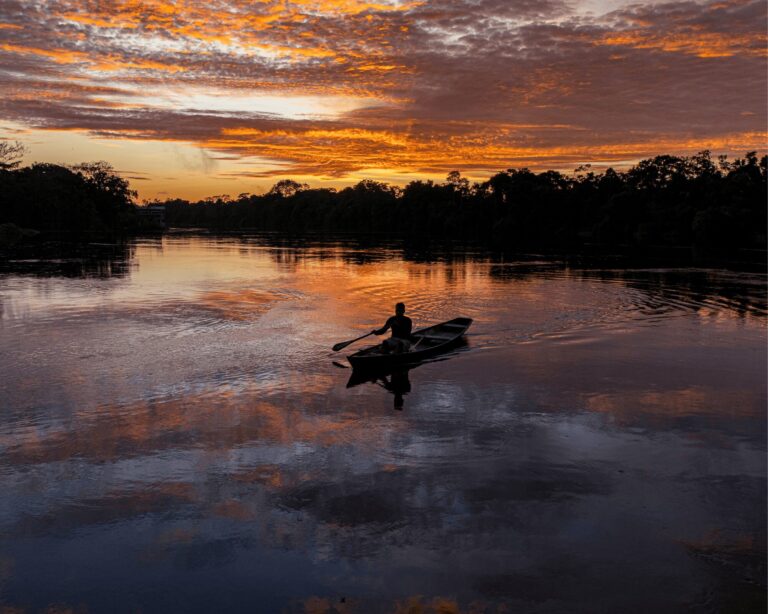
10 Tips to Make the Most of Your Amazon Tour From Manaus, Brazil
Booked an Amazon tour from Manaus in Brazil? See 10 tips to enjoy your experience, including what to eat, what to do, how to be safe, and what to avoid!
October 1, 2026
PlanetaEXO’s new mini-doc showcases ecotourism in Lençóis Maranhenses
In “Lençóis Maranhenses: Far From The Crowds, Close To What Matters”, PlanetaEXO’s mini-doc shows how ecotourism is changing life for local communities.
September 30, 2026
Best Dive Sites in Fernando de Noronha: 21 Spots by Depth and Level
The 21 best dive sites in Fernando de Noronha, with depth, seaside, and level for each, from 8 m beginner reefs to the 62 m Corveta Ipiranga wreck.