
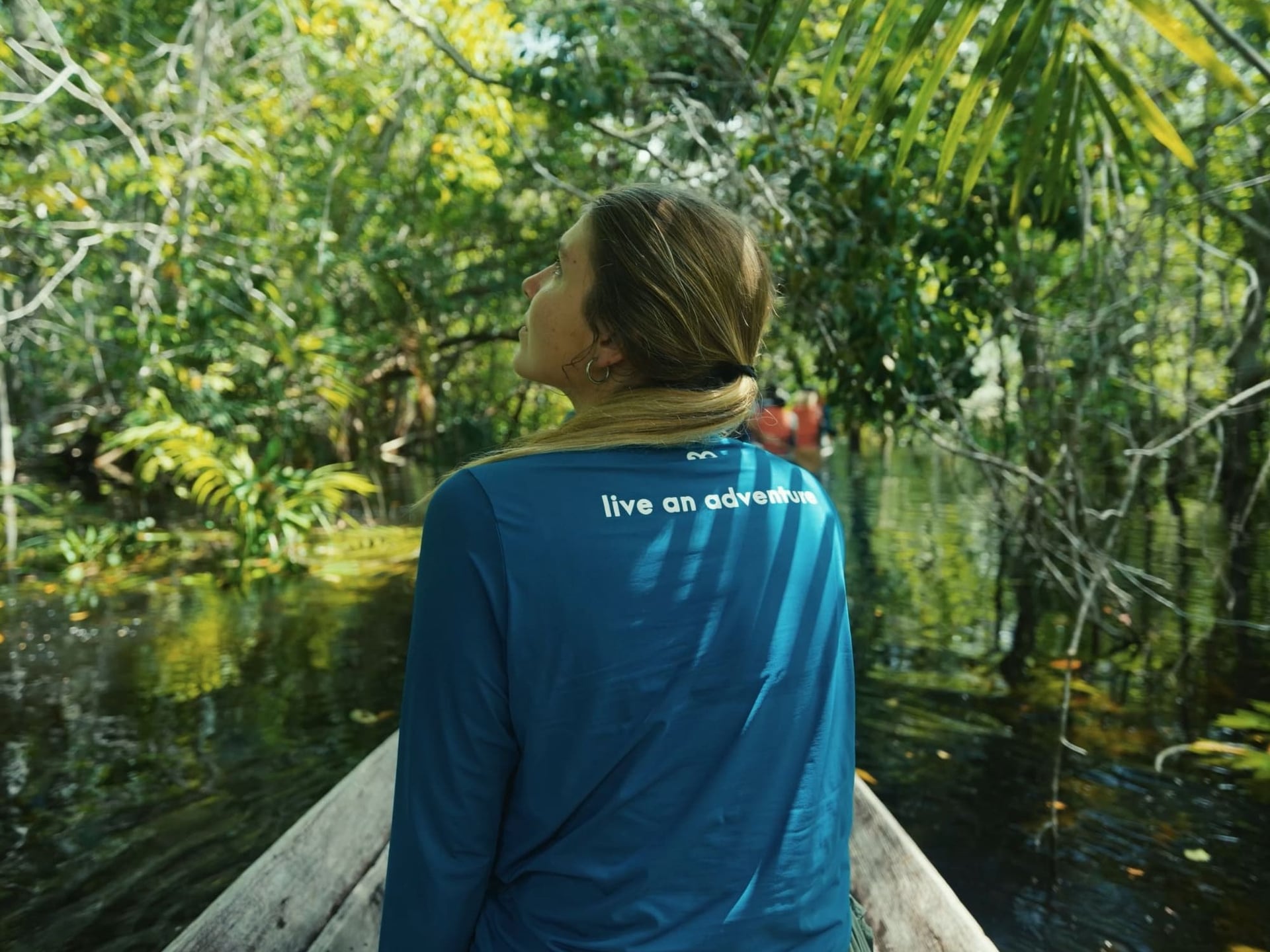
Hiking, canoeing the flooded forest, piranha fishing, night spotting, community visits, and much more. Plus, how your choice of lodge, cruise, or camp decides which ones you get!
The Amazon runs on water. The river gauge in Manaus harbor has been read by hand every single day since 1902, telling a simple story: the Rio Negro rises to its peak between May and July, usually in June, then falls to its low point at the end of October. This information is crucial to the people of the state of Amazonas because the water level dictates a lot of what happens in the region, including tourism.
Therefore, it’s important to understand it before you book your Amazon Rainforest vacation. At high water, you paddle a canoe through the forest, between branches, over ground you would have walked on in October. At low water, white sand beaches appear where the canoe was. Same place, same trip name, completely different days.
PlanetaEXO, an ecotourism platform specializing in Amazon Rainforest tours, has put together this guide to the 7 main activities that fill almost every itinerary in the forest—and to how lodges, cruises, and camps change each one. Check it out below!
Lodge, cruise or camp: where you sleep decides your days
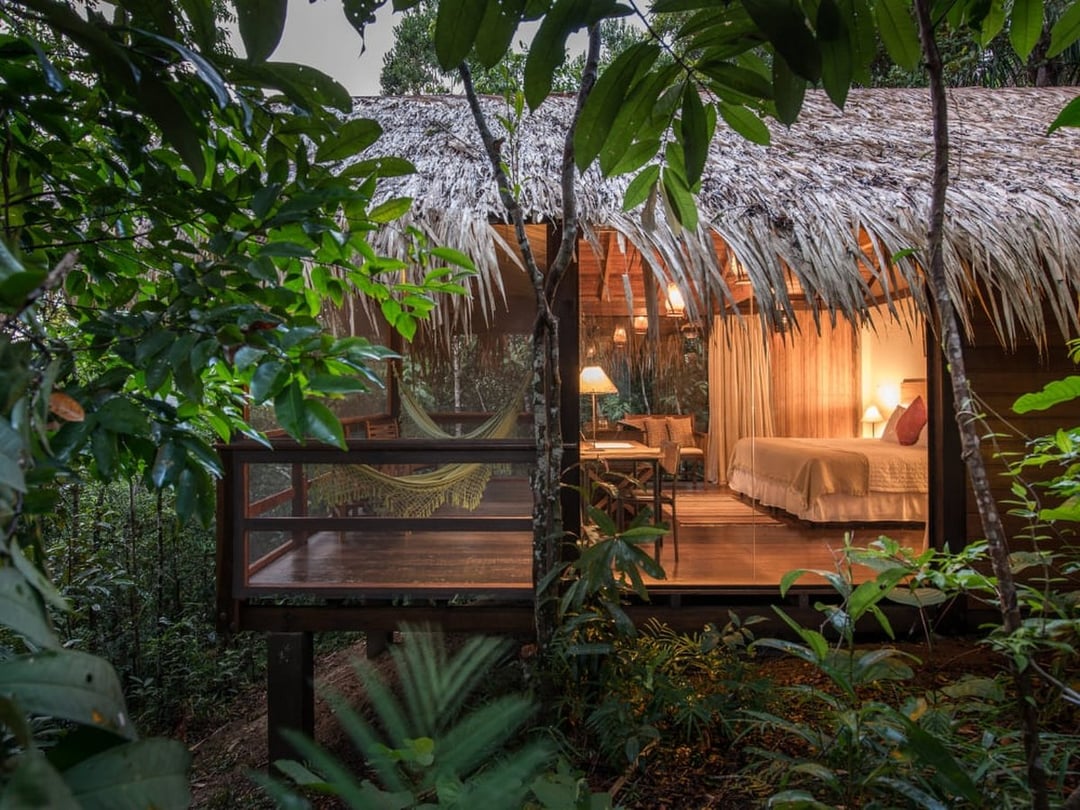

Before any activity, one decision shapes all of them: your base. The three options are not three price tiers of the same Amazon jungle vacation, as they give you different access to the forest.
An Amazon jungle lodge is fixed. You get a bed, a fan or air conditioning, a restaurant, and a radius: everything you do happens within a couple of hours of the dock. For many travelers, that radius is the trade-off, as the good lodges sit inside territory worth staying still in. Anavilhanas Jungle Lodge, for example, faces the Anavilhanas archipelago, a blackwater maze of islands protected as a national park covering 350,469 hectares.
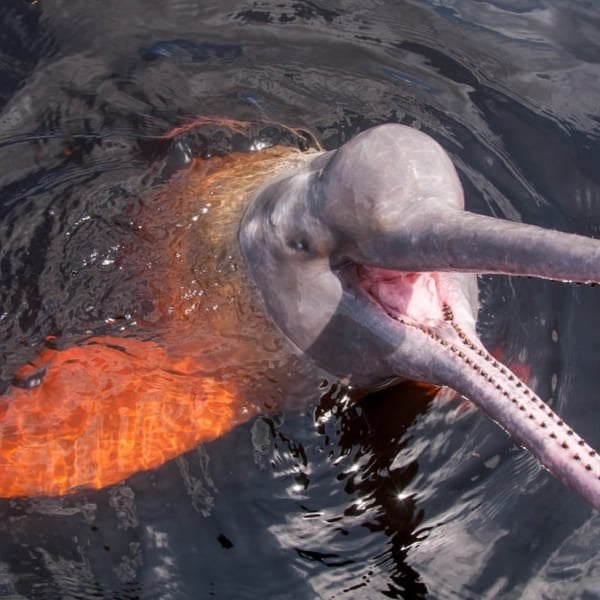
On the other hand, Amazon river cruises are all about reach. The boat moves overnight, so you wake up somewhere new and never repeat a stretch of river. That is how vessels can take in Jaú National Park—one of the largest protected areas in the Amazon and a UNESCO World Heritage site—plus Indigenous communities and dolphin encounters all in one itinerary.
A camp gives up both. On tours that involve jungle survival courses, like the 4-day Amazon Survival Tour, people sleep in hammocks under tarps, with a mosquito net and a guide awake through the night watching for animals.
1. Forest hiking
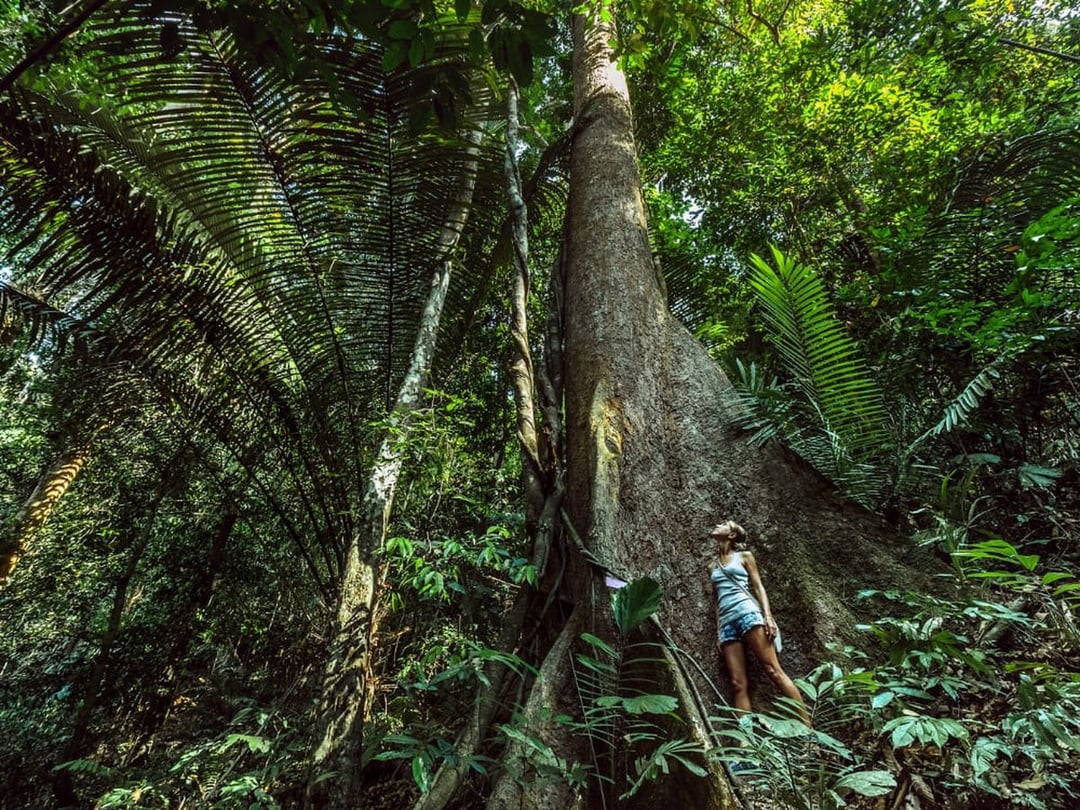
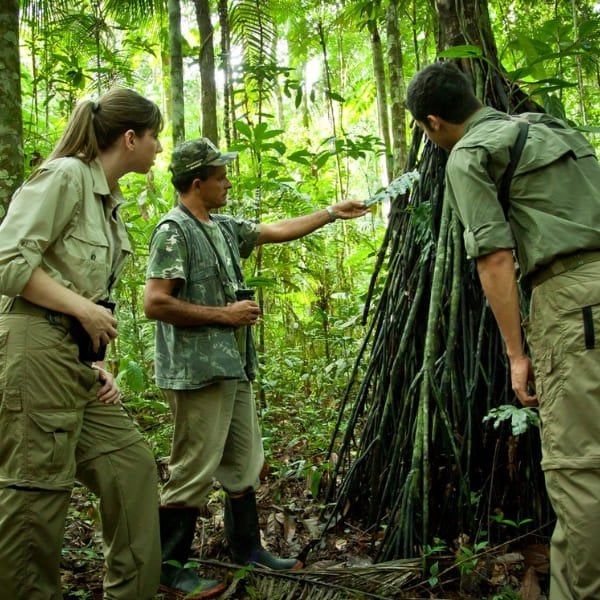
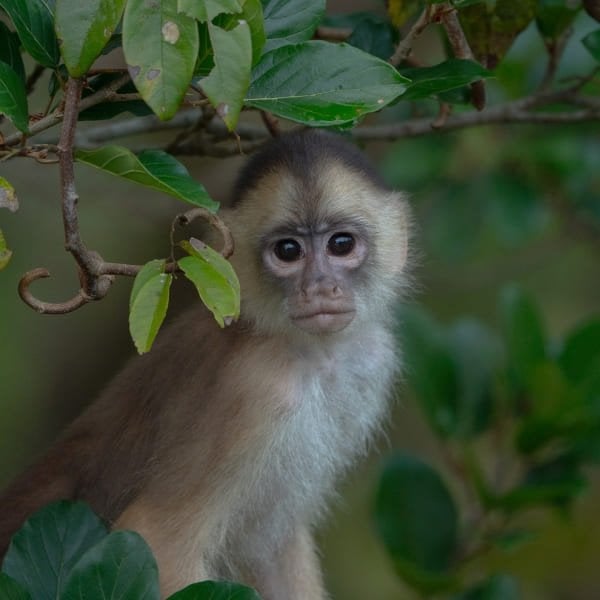
Here is the honest version of an Amazon rainforest hike: you will not see a jaguar. What you will see are trees—and that turns out to be the point once somebody teaches you how to read them.
Across the basin, a 2013 study in Science estimated roughly 16,000 tree species among about 390 billion individual trees and found that just 227 of those species (1.4%) account for half of every tree standing in the Amazon. Diversity that dense is invisible to an untrained eye.
That’s why having a guide by your side is crucial. A trained professional walks the same trail you do and narrates a different world, including which bark brings down a fever, which vine holds drinkable water, which scratch on a trunk was left by a peccary that morning, and which animal belongs to a call you hear among the trees.
Expect heat, stagnant humidity, mud, and a pace closer to a museum than a workout (trails typically run 2 to 3 hours). The forest floor is dark and quiet because nearly all the life is in the canopy above.
2. Canoeing the flooded forest
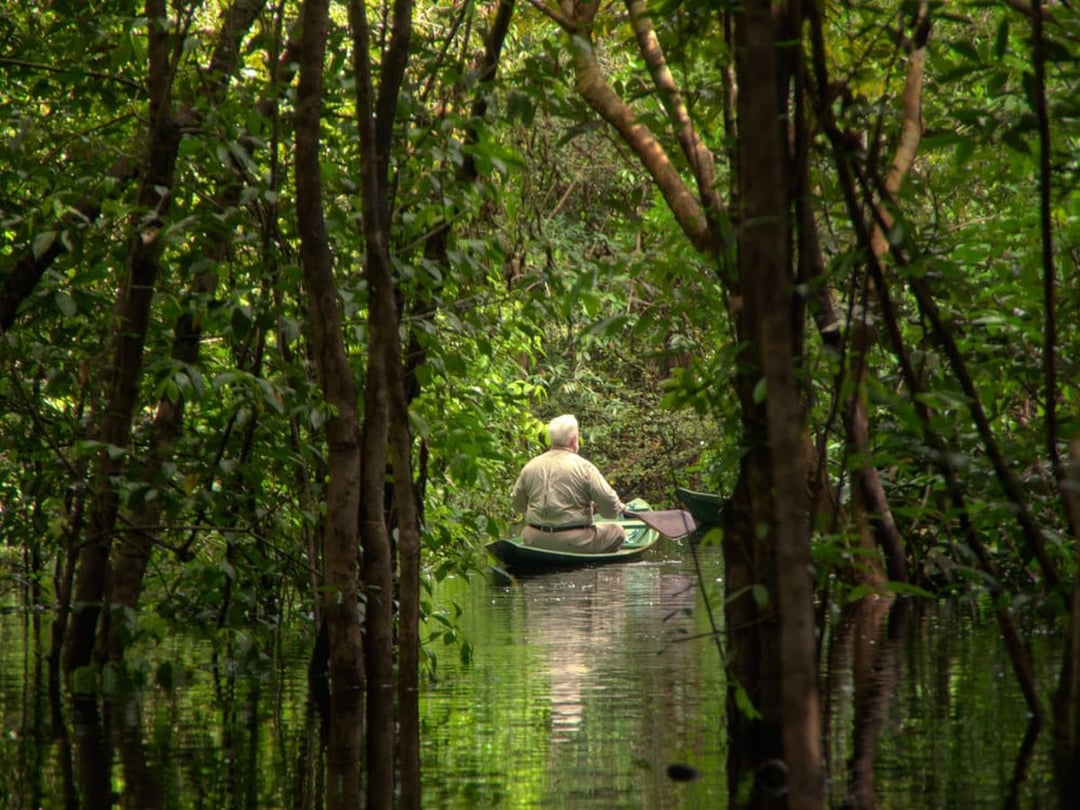
When the Rio Negro rises, it does not just fill its banks, but it crawls into the forest and stays for months. The result is igapó, a blackwater flooded forest stained the color of strong tea by tannins from decaying leaves. Its whitewater counterpart is várzea, flooded instead by the sediment-heavy Solimões River. Both are forests you paddle through rather than past, and the canopy that was 15 meters over your head in October is at eye level in June.
A motorboat cannot go there. The gaps between trunks are too narrow, the water hides submerged branches, and the engine noise would empty the place. Instead, you take a paddle canoe, whose quiet gliding lets you get close to the inhabitants of the area, such as sloths, caimans, squirrel monkeys, and many more.
The best water is the Rio Negro and its side channels known as igarapés, plus the flooded lakes of Anavilhanas and, on the Pará side, the Arapiuns and Tapajós.
One catch worth planning around your Amazon Rainforest vacation: at low water, the igapó is dry land. If paddling under the canopy is your reason for going, travel between roughly May and August.
3. Traditional fishing
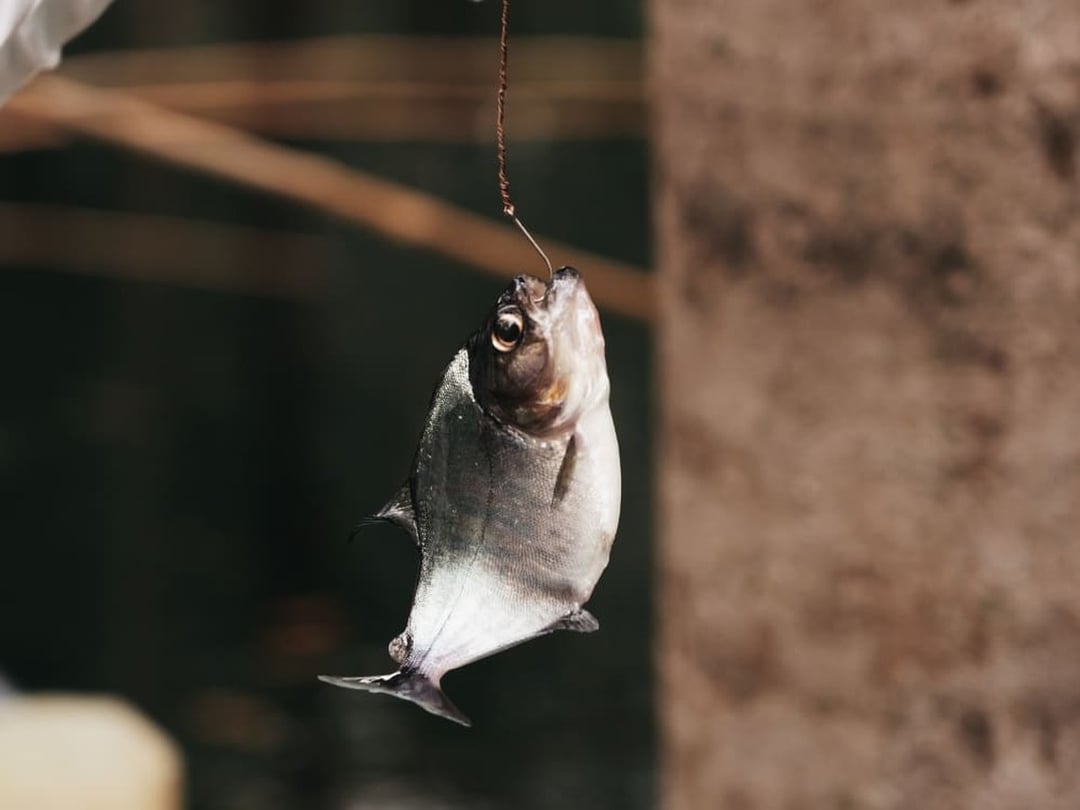
Long before it was an activity, fishing was lunch—and across most of the Amazon, it still is. The basin holds over 2,400 described fish species, while the Rio Negro alone accounts for 1,165 of them, with 156 found nowhere else on Earth. This is the most fish-diverse river system on the planet, and the people living on it have eaten from it for millennia.
Piranha fishing is the version almost every itinerary includes. It’s low-tech on purpose: sticks, lengths of line, hooks, and scraps of meat are all the equipment you need, plus a lot of slapping the water to imitate something in trouble.
Before you get scared, piranhas are not the animal the films sold you. Of the roughly 30 species in South America, most are omnivores and scavengers. In fact, people swim in piranha water every day across the Amazon. It’s important to be mindful, of course, but follow your guide’s instructions and you’ll be just fine.
Other fish you may meet:
Tucunaré (peacock bass), the largest cichlid in the Americas, at up to 99 cm and 12.2 kg.
Aruanã, which reaches 90 cm and jumps clear of the water to take insects off low branches.
Tambaqui, up to 108 cm and 40 kg, which eats fruit and seeds dropped into the flooded forest.
Pirarucu (Arapaima gigas), one of the largest freshwater fish in the world at up to 4.5 meters and 200 kg, is an air-breather that has to surface every few minutes.
Traditional Amazonian fishing does not harm the ecosystem the way mass fishing does. Many local communities manage their own lakes, counting fish, setting quotas, and monitoring the entry of outside boats. This not only helps keep the practice respectful and sustainable but also contributes to these families’ income.
On Amazon Rainforest travel itineraries, you and your guide will fish using handlines, keeping only what will be consumed and returning the rest to the water.
4. Night spotting
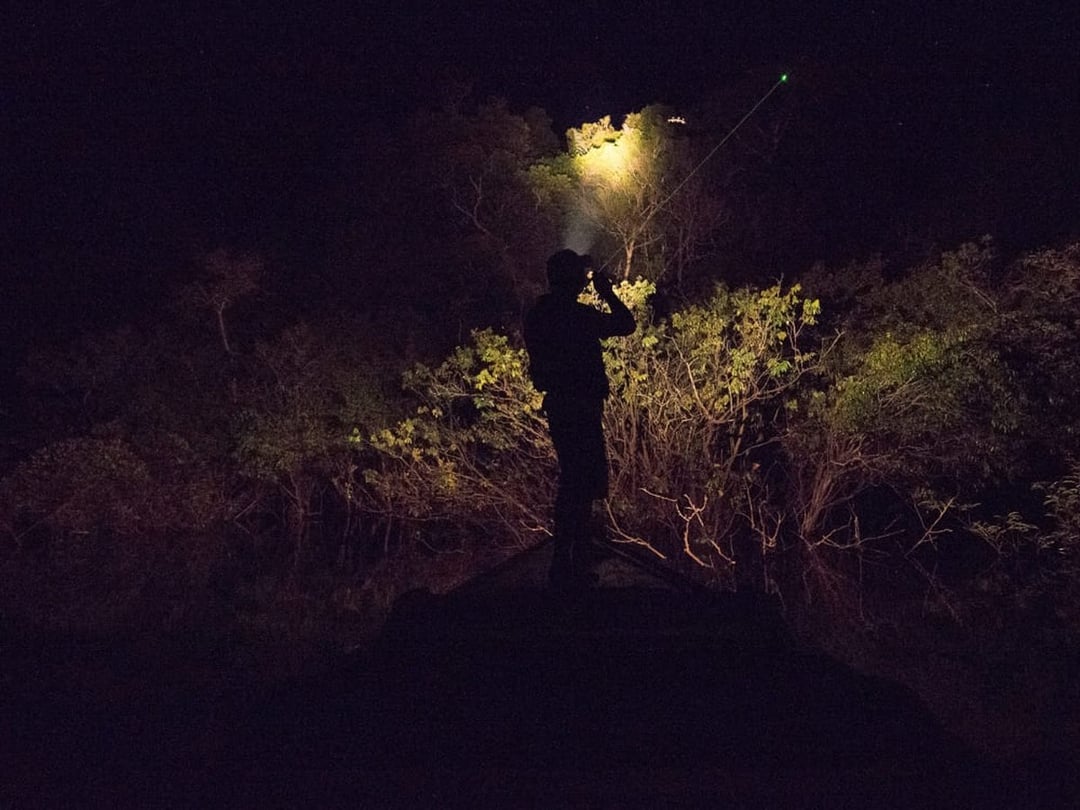
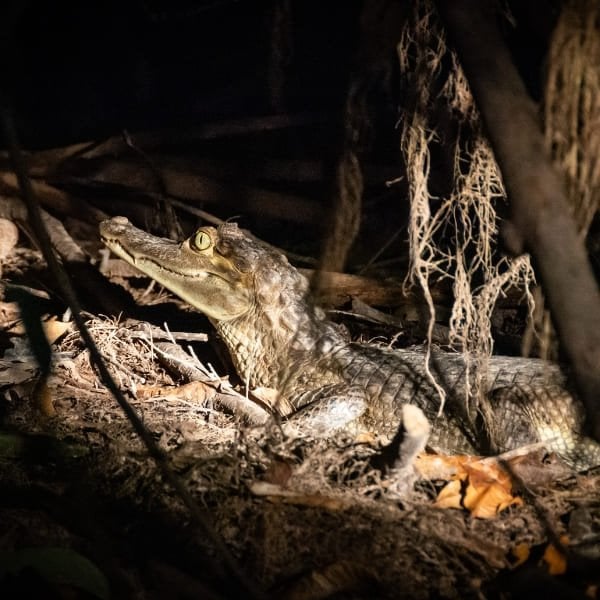
After dinner, you get back in the boat. Someone kills the engine, someone else sweeps a flashlight along the margin, and the bank lights up with pairs of orange coals floating on the water.
That eyeshine is not a trick of the light. Caimans have a tapetum lucidum: a layer of guanine crystals behind the retina that bounces incoming light back through it a second time, doubling the chance each photon is caught. It is why they hunt well in near-total darkness and why they are easy to find at night and nearly impossible to spot by day.
Two eyes wide apart and low in the water mean a big animal; the gap between them scales with the skull, so an experienced guide estimates the length before anything moves. The black caiman is the one to hope for—it’s the largest predator in the Amazon basin, reaching around 5 meters.
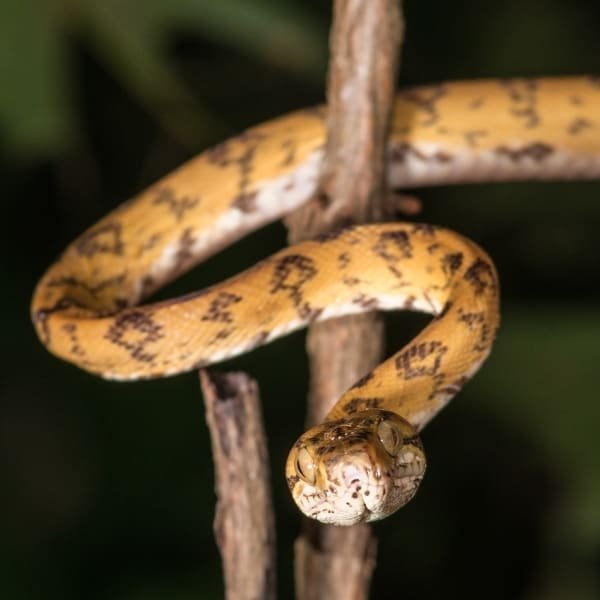
Other animals might make an appearance after dark. Expect tree frogs, fishing bats, boa constrictors, potoos, kingfishers, and, with luck, a night monkey, the only nocturnal monkey in the Americas.
👉 Read more: How to Get to the Amazon Rainforest in Brazil?
5. Survival techniques and jungle camping
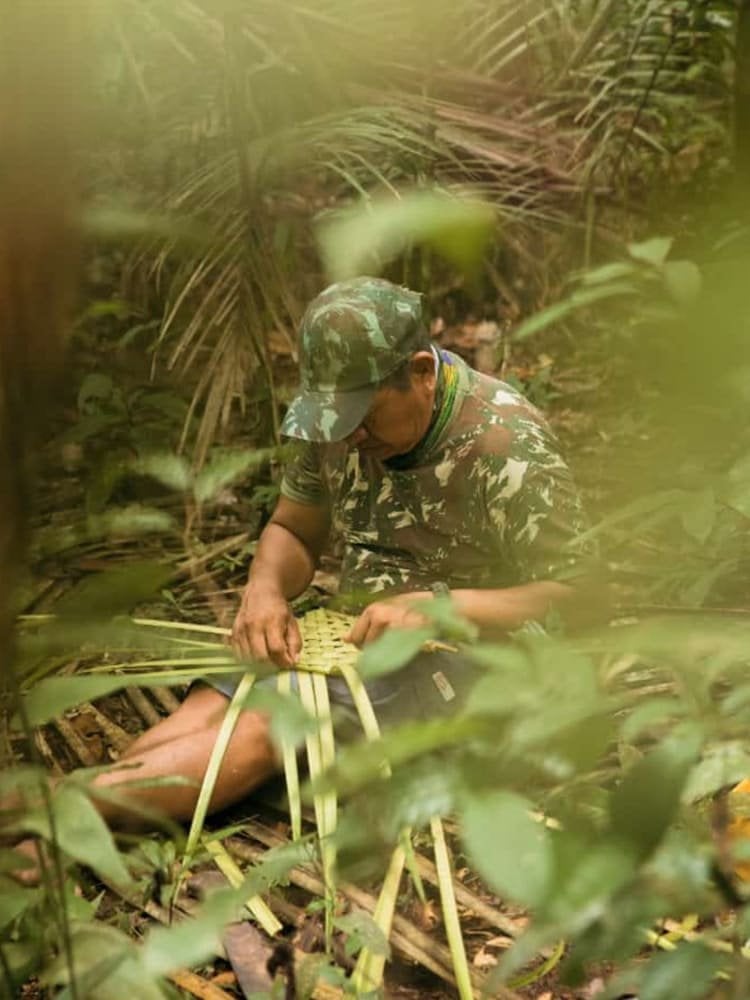
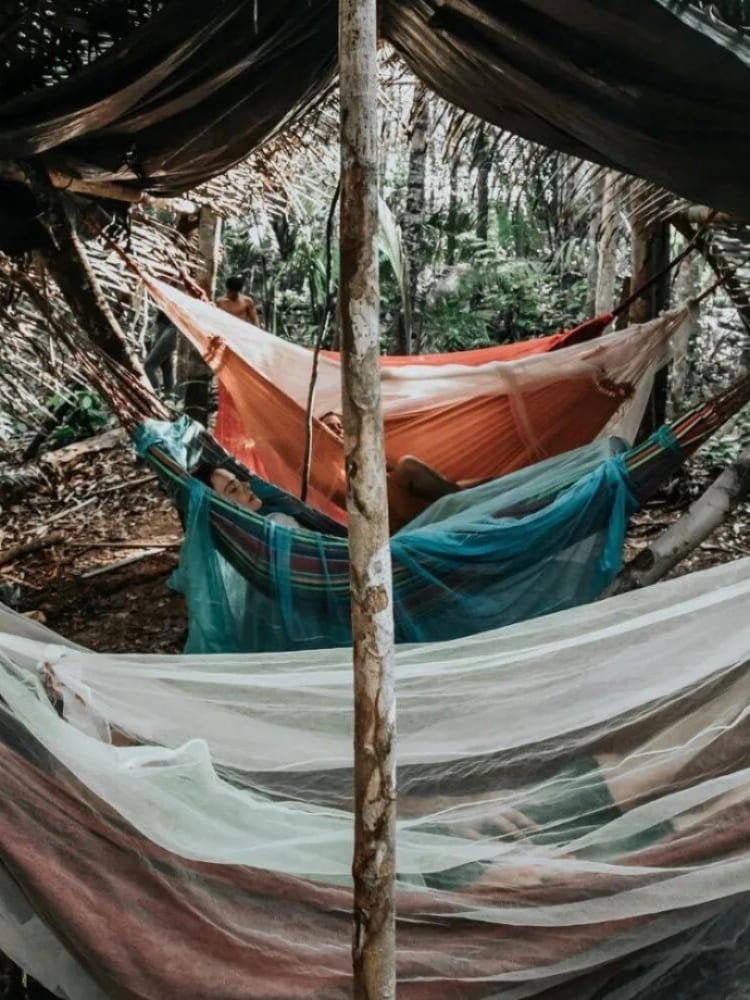
In a survival camp, you carry what you need into the forest, sleep where you stop, and spend the days learning how the people who live there stay alive. The setup is deliberately spare: hammock, mosquito net, a tarp overhead against the rain, a fire for cooking, and a guide awake through the night. Meals are simple and partly caught that day.
A jungle survival course in the Amazon typically covers making fire in wet conditions, building a shelter from what is standing nearby, finding drinkable water in vines and rainwater traps, orientation without a trail, identifying edible and medicinal plants, basic traps and knots, and cooking over an open fire.
You learn all this and much more from expert survival guides who know the forest like the back of their hand. The goal here is to learn to read the forest’s signs , so follow their instructions and don’t leave with any unanswered questions.
Not everyone enjoys an experience like this. Amazon jungle camping is aimed at travelers who want to immerse themselves in the rawest form of nature. If you want to develop survival skills and are fine with heat, insects, not using a proper bathroom, and being totally disconnected from the outside world, then this is the right option for you!
6. Visiting riverside and Indigenous communities
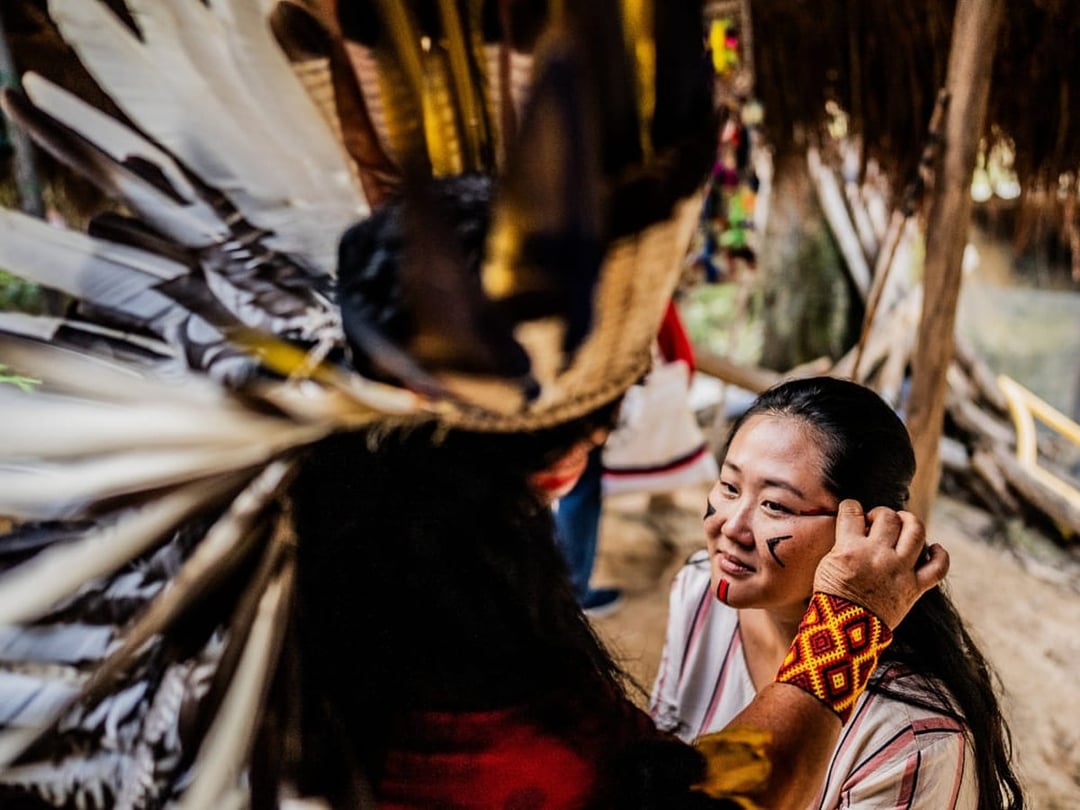

A large proportion of those living in Amazonas reside in Manaus or other urban areas, but the forest is not inhabited solely by animals.
Brazil’s 2022 census counted 1,694,836 Indigenous people across 391 peoples speaking 295 languages—and 867,900 of them, 51.2%, live in the Legal Amazon. Alongside them are the ribeirinhos, the river-dwelling communities whose houses stand on stilts or float outright.
When you book your Amazon Rainforest vacation with respectful operators, visits are arranged in advance, the community sets the tone, and the money lands locally. What you actually do depends on who is hosting.
At São Marcos, near Alter do Chão, the living is made from cassava—you will see the flour mill that produces the farinha eaten with nearly every meal in the region. At Aldeia Atodi, a female-led Indigenous village on the Arapiuns, the guardians walk you through the forest on the theme of medicinal plants.
At Coroca and at Santo Antônio, the day runs through orchards, flour houses, and forest trails with the people who work them. At the Aturiá community on the Rio Negro, the visit is deliberately unhurried: local customs, family histories, seasonal fruit straight from the orchard, and even a football match with the kids.
The deepest version on offer is the Pico da Neblina expedition, where the trek to Brazil’s highest peak at 2,995 meters enters Yanomami territory and is guided at every step by Yanomami leaders.
Beyond the incredibly rich cultural experience, guided tours contribute to the maintenance and development of the communities. Many families derive a significant portion of their livelihood from ecotourism, which benefits not only the people but also the forest, as individuals can earn a living without engaging in practices that are potentially harmful to nature.
If cultural experiences are something you’re interested in, remember: ask before you photograph anyone, buy the craftwork, and take the guide your operator arranged rather than turning up unannounced.
👉 Read more: Ecotourism in the Amazon Rainforest: A Solution to Deforestation
7. River beaches
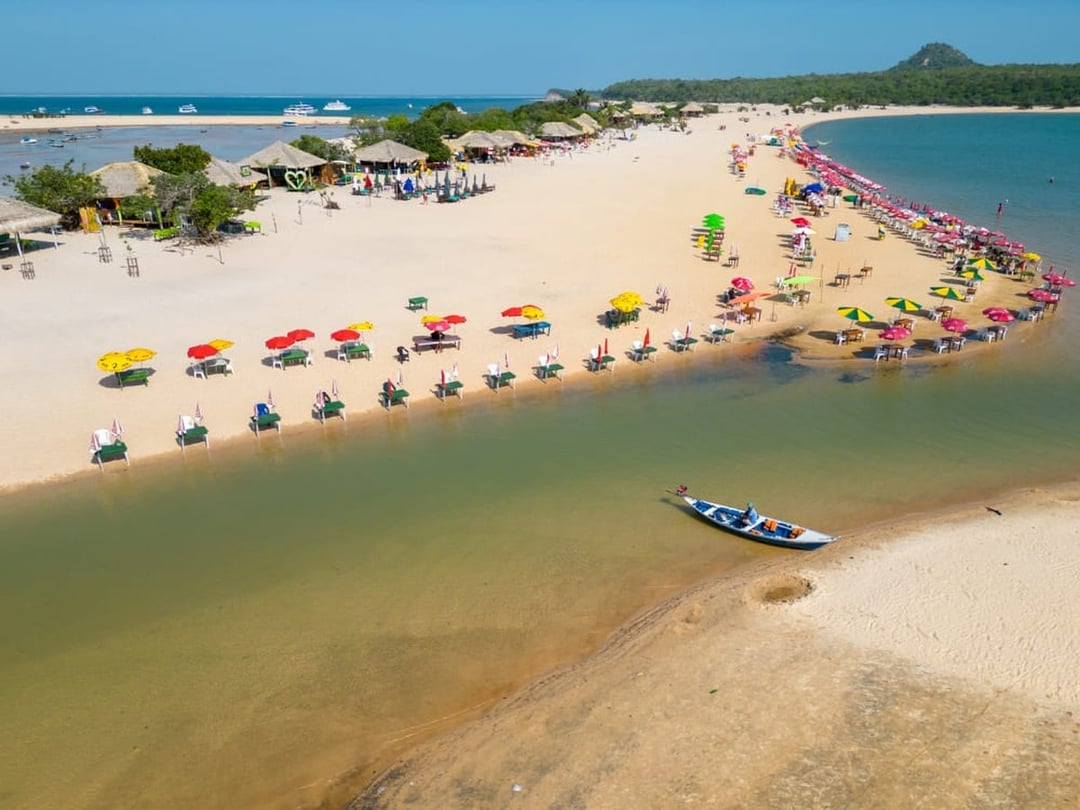
When the water falls, the Amazon hands back something most visitors never expect: beaches. Fine white sand, warm water, no salt, no tide, and no way to get there except by boat.
An Amazon river beach is a sandbank that spends half the year underwater. As the river drops from its June peak toward the end of October’s low, the banks surface one by one, and by the time the level bottoms out, they can stretch for hundreds of meters. Then the floods return and erase them completely. They are seasonal in the strictest sense, which means the beach you swam on last year may not come back in the same shape.
The best time to visit the Amazon Rainforest for beaches is, therefore, the mirror image of the canoeing season—roughly September through December, peaking around the low water. The clearest water is on the blackwater and clearwater rivers: the Tapajós at Alter do Chão, known as the Caribbean of the Amazon, and the Rio Negro around Anavilhanas.
What you do on a river beach is not that different from a traditional beach—with the exception of the lack of ocean, of course. Swim, eat lunch on the sand (don’t litter!), get a tan, or take a nap by the banks. Perfect for a slow-paced, relaxed moment in your Amazon jungle vacation.
Ready to plan your Amazon Rainforest vacation? Start with PlanetaEXO!
Now that you know what actually fills the days in a nature tour on the largest rainforest on Earth, the only real question left is which base gets you the version you want and which month puts the water where you need it to be.
PlanetaEXO is an ecotourism platform specializing in Amazon Rainforest tours. Working alongside the best local operators and guides in the region, our team handles everything from hassle-free vacation planning to tailor-made itineraries for travelers from all over the world. Contact us now!
Keep reading
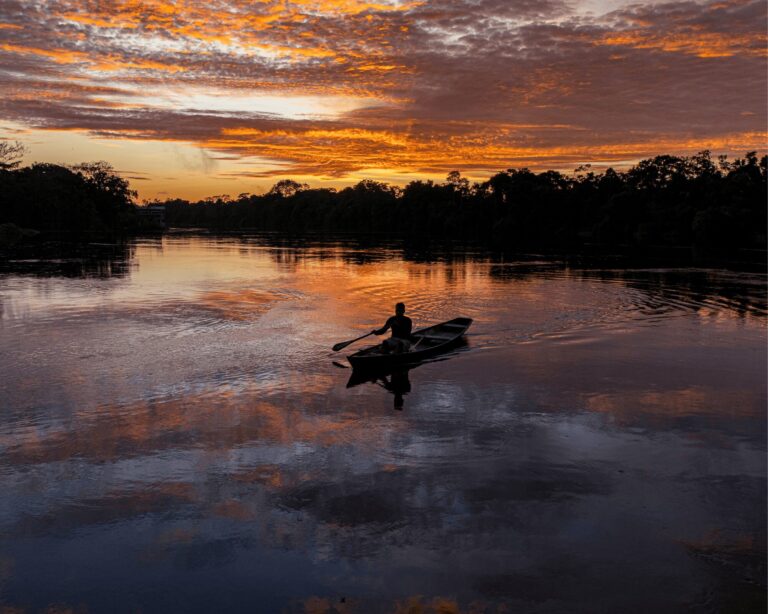
October 14, 2026
10 Tips to Make the Most of Your Amazon Tour From Manaus, Brazil
Booked an Amazon tour from Manaus in Brazil? See 10 tips to enjoy your experience, including what to eat, what to do, how to be safe, and what to avoid!
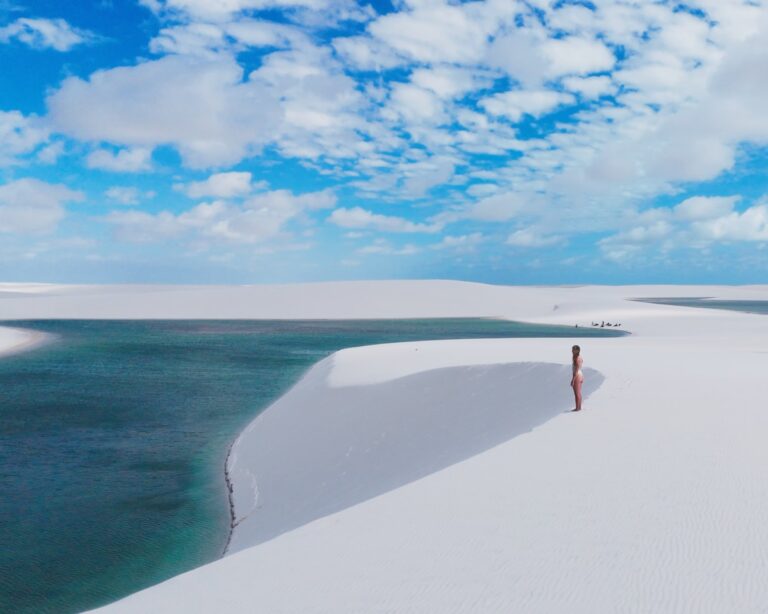
October 1, 2026
PlanetaEXO’s new mini-doc showcases ecotourism in Lençóis Maranhenses
In “Lençóis Maranhenses: Far From The Crowds, Close To What Matters”, PlanetaEXO’s mini-doc shows how ecotourism is changing life for local communities.
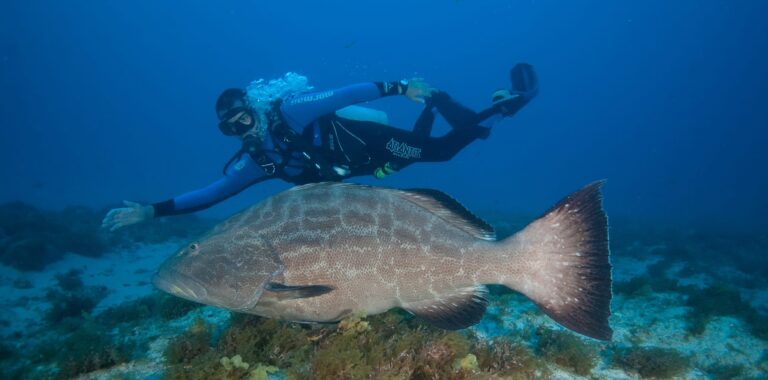
September 30, 2026
Best Dive Sites in Fernando de Noronha: 21 Spots by Depth and Level
The 21 best dive sites in Fernando de Noronha, with depth, seaside, and level for each, from 8 m beginner reefs to the 62 m Corveta Ipiranga wreck.