
Discover the waterfalls that shouldn’t be missed on your trip to Chapada Diamantina National Park!
The waterfalls of Chapada Diamantina are some of the best known and most beloved in Brazil. To reach them, travelers hike along trails that cross mountains, deep valleys, ancient caves, gorgeous vegetation, and breathtaking vistas.
Have you ever thought about finishing a hike by swimming in a natural pool surrounded by cliffs? Or standing at a viewpoint where more than twenty waterfalls cascade at once? In Chapada Diamantina, these aren’t distant dreams—they’re real experiences waiting for you!
If you’re planning an adventure in one of the best trekking destinations in the world, PlanetaEXO, an ecotourism platform specializing in Chapada Diamantina tours, has put together a list of waterfalls you just can’t miss during your trek. Check it out below!
Cachoeirão Waterfall
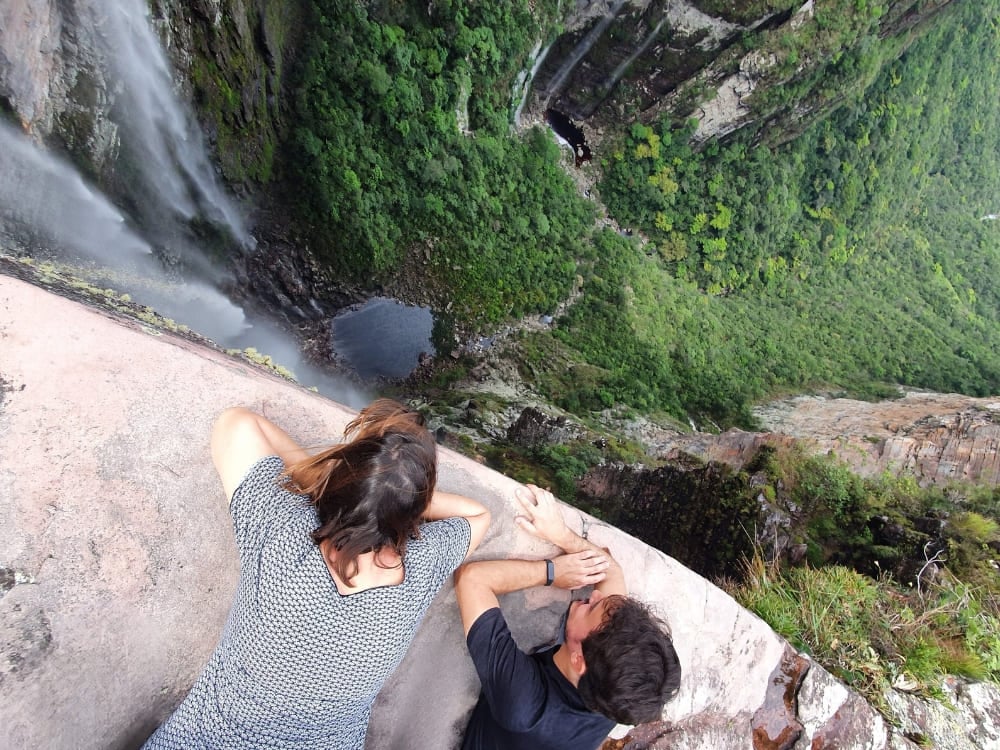
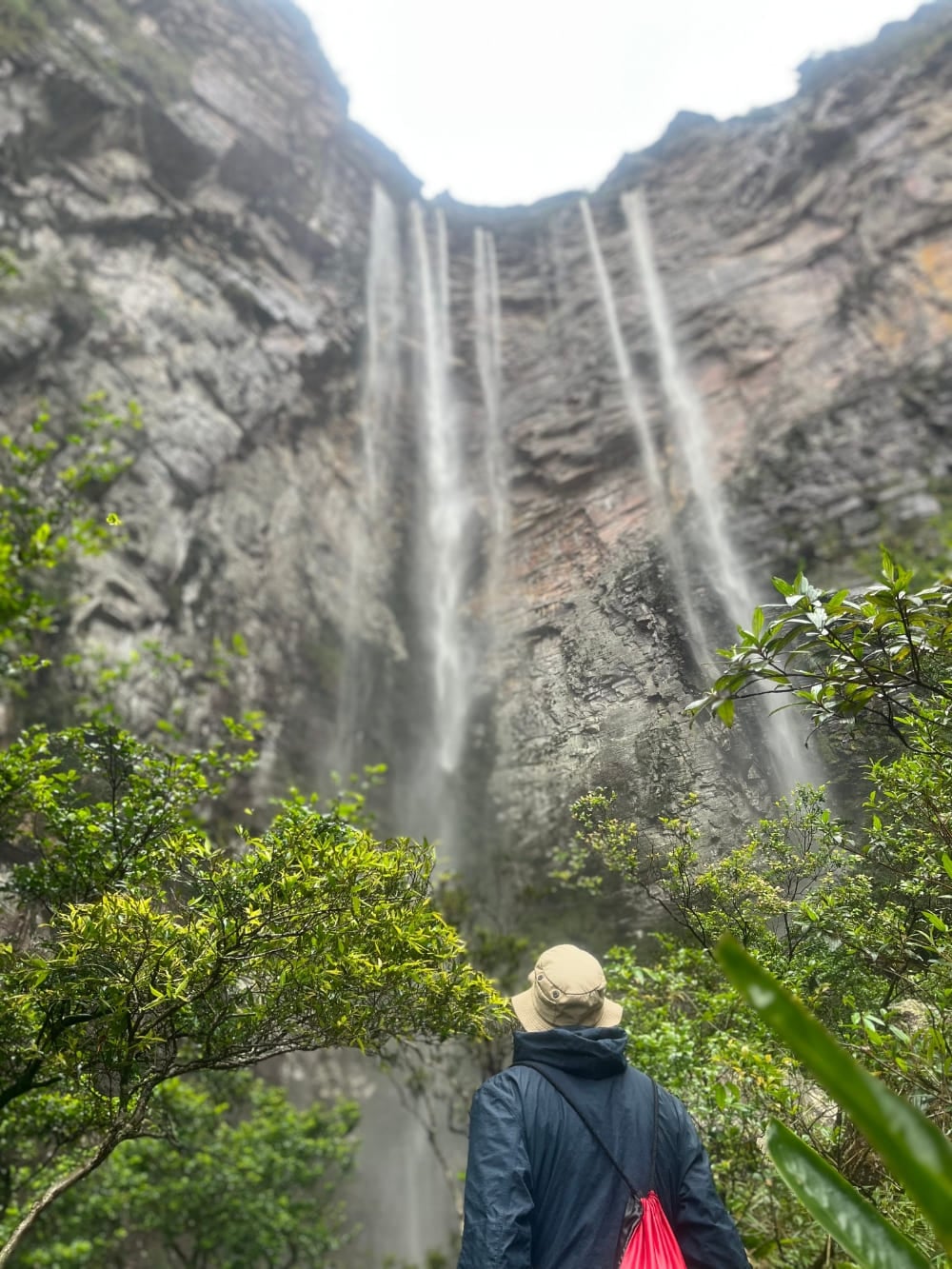
Cachoeirão is one of Chapada’s most iconic sights. During the rainy season, over 20 streams plunge from around 280 meters high, creating a spectacular curtain of water. From above, you’ll see Vale do Pati stretching far into the distance, framed by steep mountains.
From below, the perspective is completely different: pools of dark water reflect the canyon walls while the falls crash down in front of you.
How to get to Cachoeirão?
Cachoeirão lookout
The upper viewpoint is included in the 3-day Chapada trek. To get there, hikers usually start in the village of Guiné entering Vale do Pati through steep mountain trails. The path involves climbs, river crossings, and several hours of trekking before reaching the cliff edge with panoramic views of the valley and the waterfalls.
Cachoeirão base
The base is part of the 5-day Vale do Pati route. This trail is longer and more demanding, leading deep into the canyon. The hike passes through dense vegetation and rocky terrain before arriving at the pools directly beneath the falls, where you can swim and admire the cascades from below.
👉 Read more: How to Get to Chapada Diamantina National Park?
Funil Waterfall
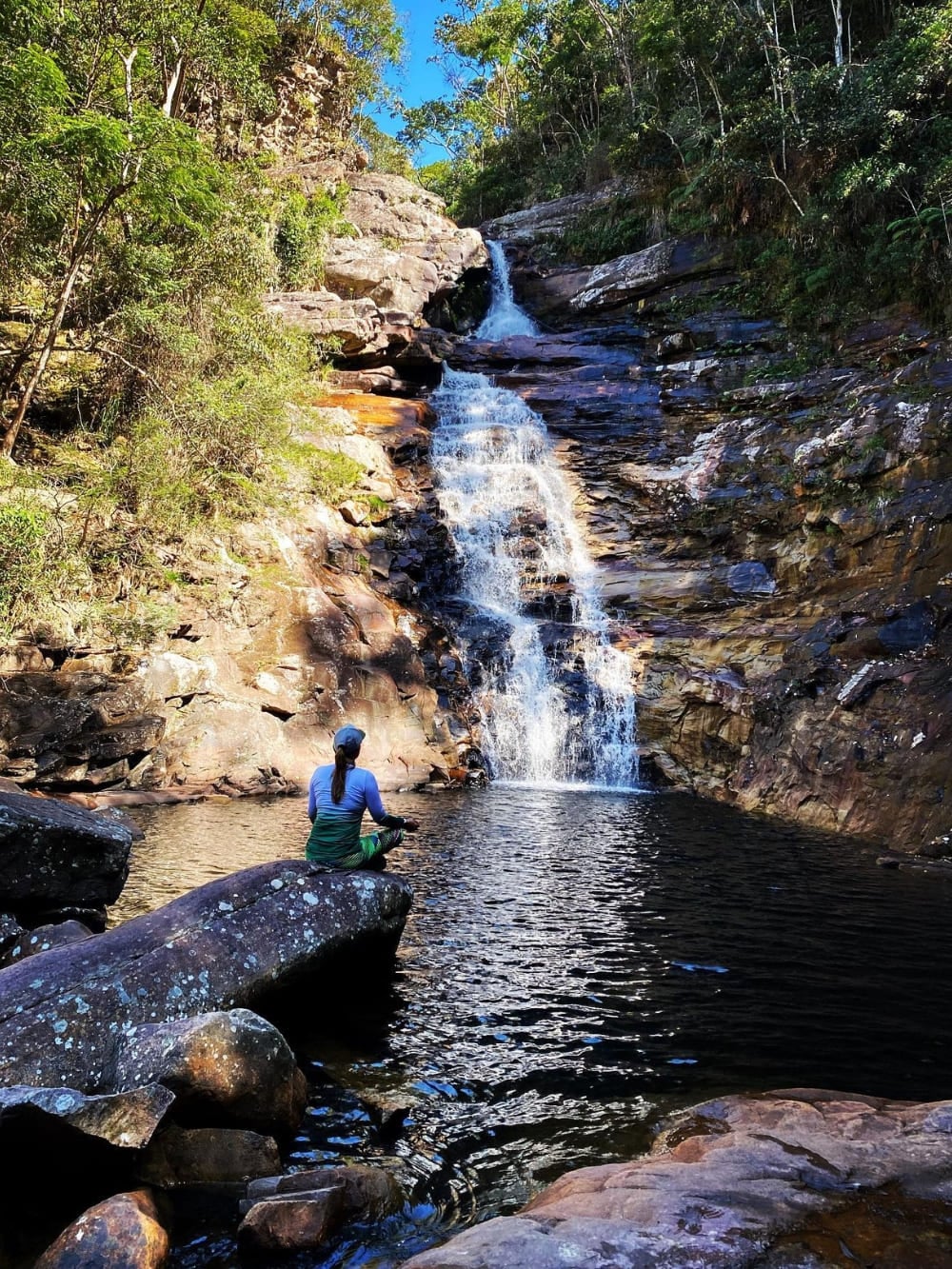
Surely one of the best hidden waterfalls in Brazil, Funil has a drop of around 20 meters, which tumbles into natural pools surrounded by dense greenery, creating a calm retreat in the middle of a stunning valley. Its quiet beauty makes it a highlight for travelers seeking less crowded spots.
How to get to Funil?
Commonly accessible on multi-day treks through Vale do Pati, usually starting from Guiné or Vale do Capão. The trail includes river crossings and forest paths, often combined with stops at Angélica Waterfall.
Buracão Waterfall
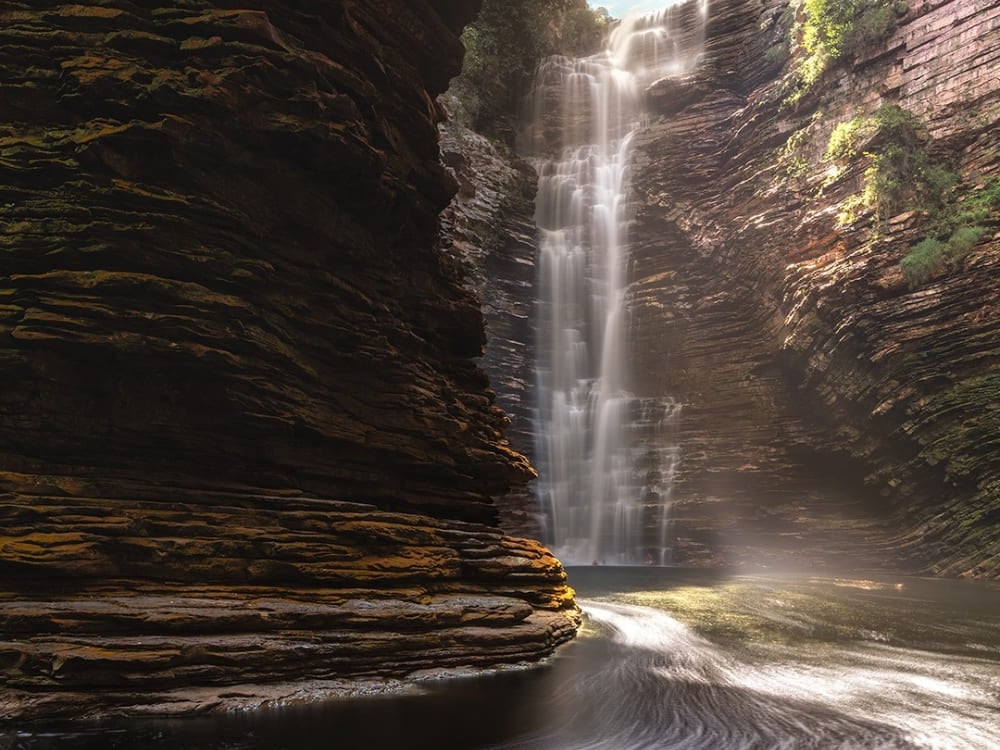
Buracão is often considered the most adventurous waterfall in Chapada Diamantina. Its 85-meter drop is hidden inside a narrow canyon—a “buracão,” which means “big hole” in Portuguese. To reach it, you swim or float through the gorge until you find yourself directly at its base. Not every waterfall lets you feel this close to such raw power!
How to get to Buracão?
Near Ibicoara, Buracão is reached by a 3 km guided hike through forest and rocky trails. Even with its remote access, it’s among the most visited falls.
👉 Explore the adventure: 6-day Ultimate Chapada Diamantina Hike
Fumaça Waterfall
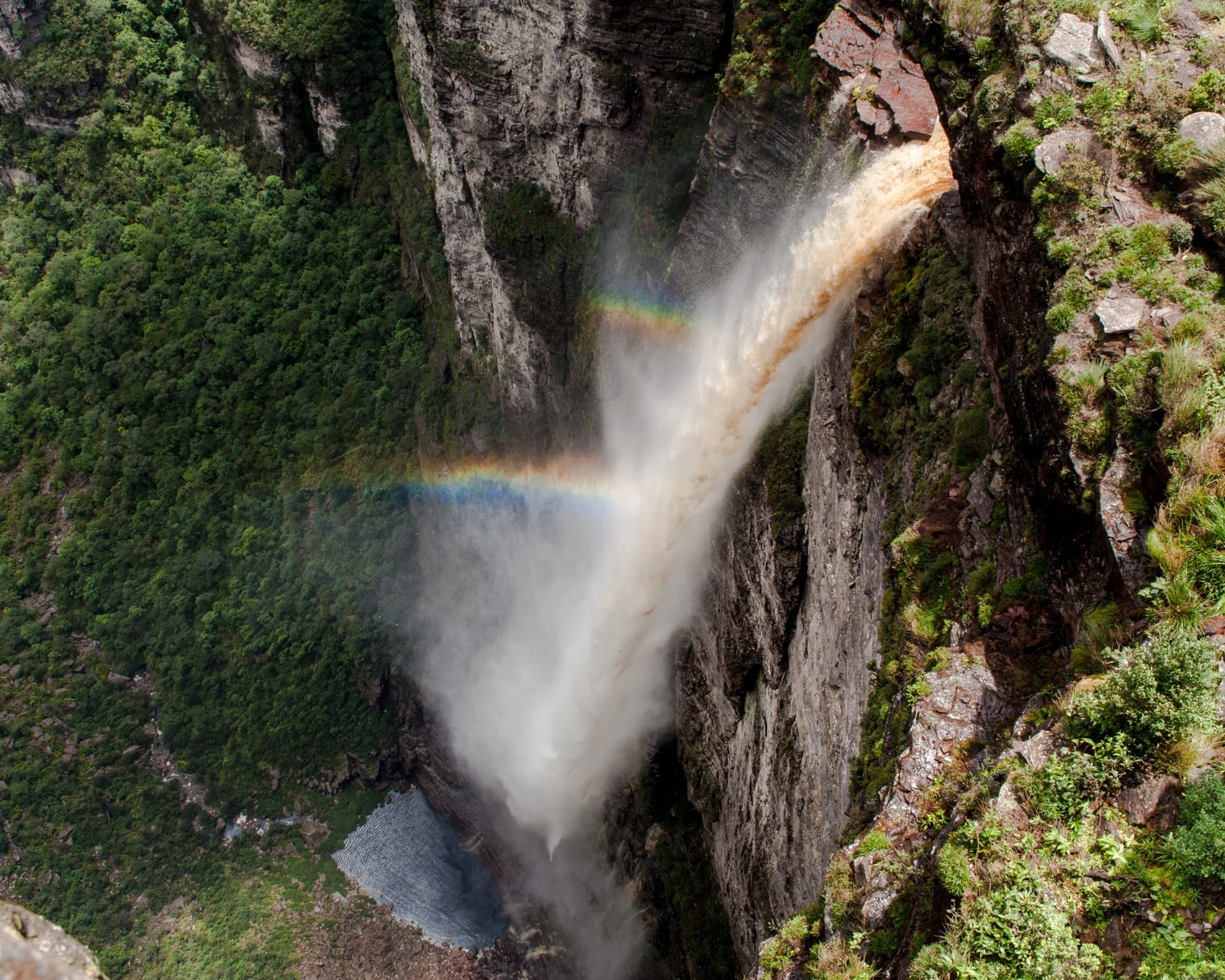
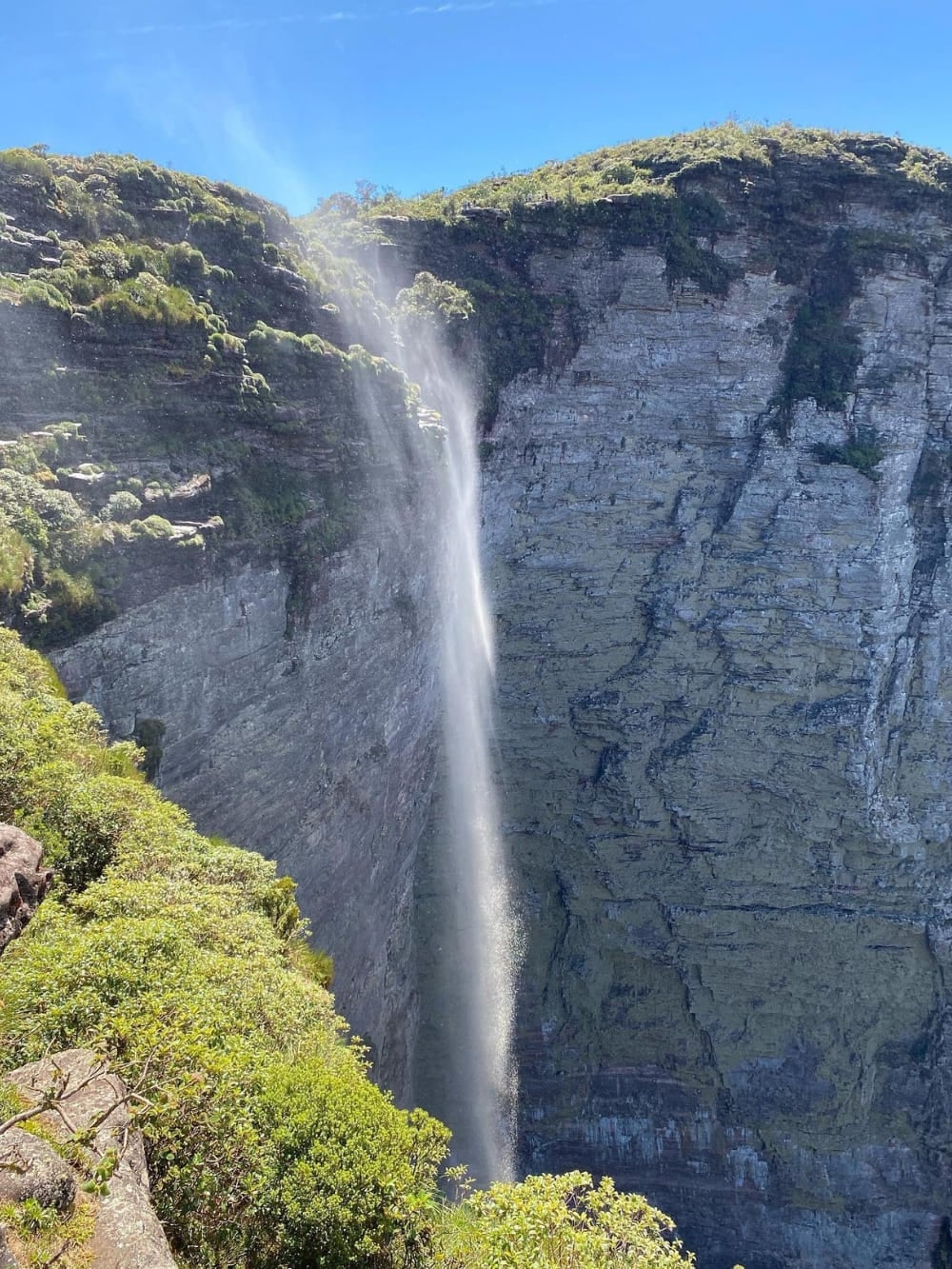
At 340 meters, Chapada Diamantina’s Fumaça Waterfall is the third-highest in Brazil, right after Neblina Waterfall (450 m) in Rio de Janeiro and El Dorado in the state of Amazonas.
Seen from above, the water is so thin it evaporates before touching the ground, creating its smoke-like effect. For those who want a tougher challenge, the hike to the base is demanding but reveals a completely different view.
How to get to Fumaça?
Fumaça Waterfall lookout
The trail starts in Vale do Capão and follows a 6 km path across rocky plateaus and viewpoints until reaching the cliff’s edge. Usually done as a half-day hike, it’s the most popular way to see the waterfall.
Fumaça Waterfall base
Access begins near Lençóis, following the Ribeirão River and steep forested sections before reaching the base. Lasting 3 to 4 days, the trek is wild and challenging. Considering the trail with steep climbs, technical sections, and isolated campsites, excellent physical fitness and the assistance of a professional guide are necessary.
👉 Explore the adventure: 7-day Chapada Diamantina Trip
Mosquito Waterfall
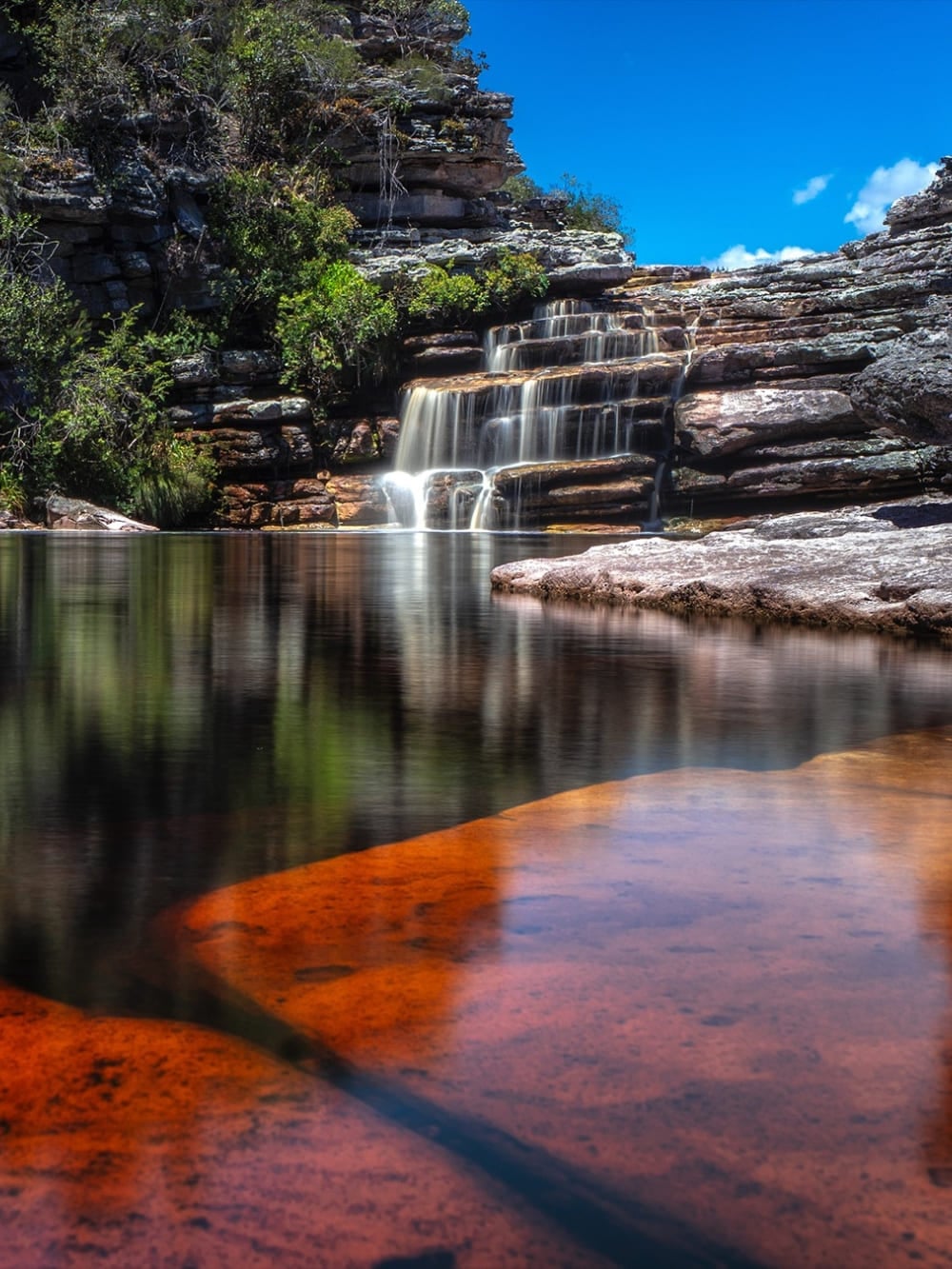
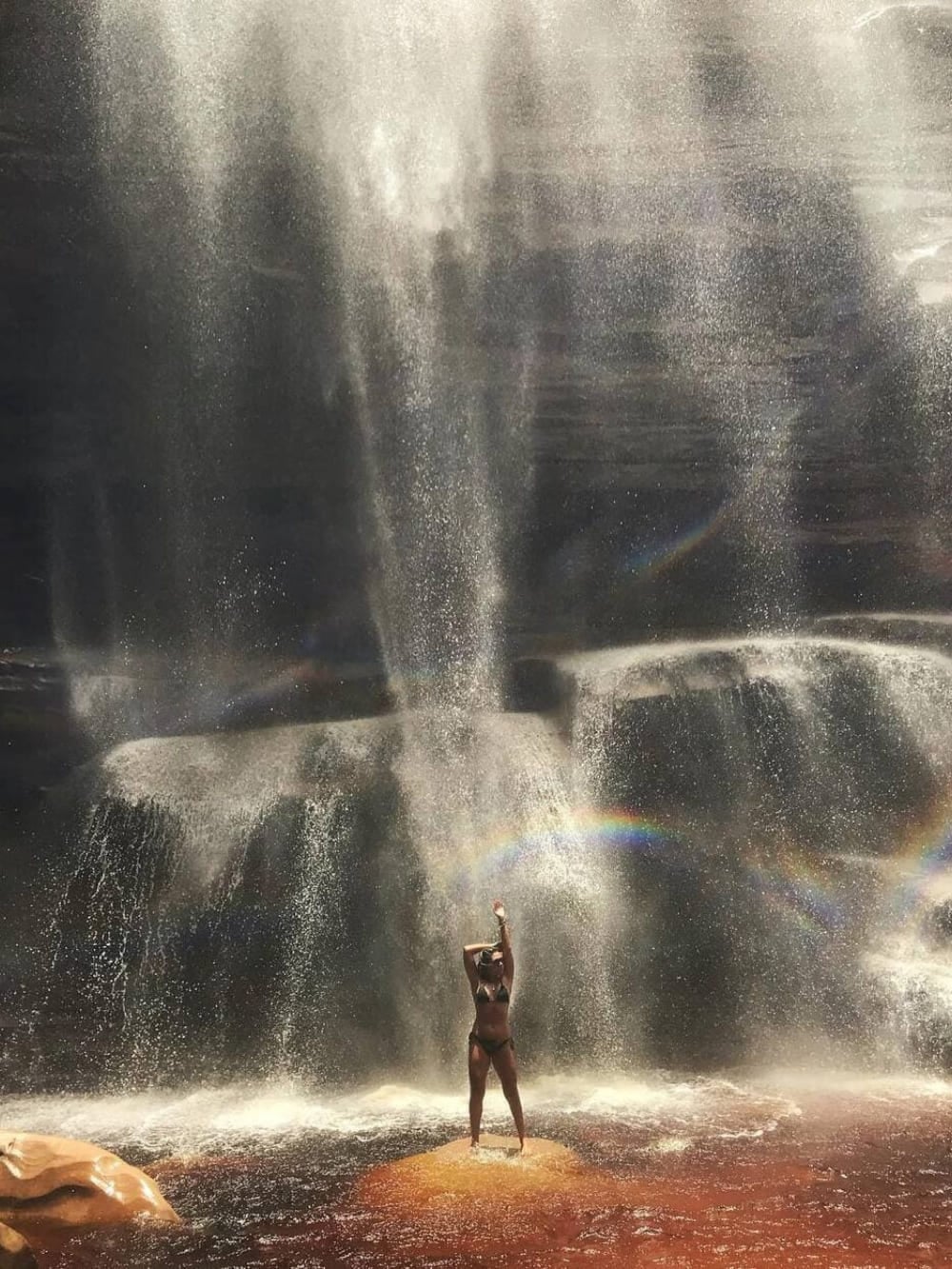
Mosquito is one of the most inviting waterfalls in the entire Chapada Diamantina National Park. The 60-meter cascade drops into a wide pool that is perfect for swimming. The name originates from the region’s mining past, when miners used to call small diamonds found in the water “mosquitoes.”
How to get to Mosquito?
Located about 40 minutes from Lençóis, access is straightforward: a drive along a dirt road followed by a short descent on a marked trail (around 20 minutes). Local guides are recommended, especially during the rainy season when the path can be slippery.
Samuel Waterfall
Samuel is also one of the tallest waterfalls in Chapada Diamantina, with a drop of around 100 meters. Hidden in a forested area near Andaraí, it offers a spectacular fall surrounded by lush vegetation and rocky walls.
Although not as famous as Fumaça or Buracão, Samuel is a rewarding stop for those seeking impressive scenery in a quieter, less-visited spot.
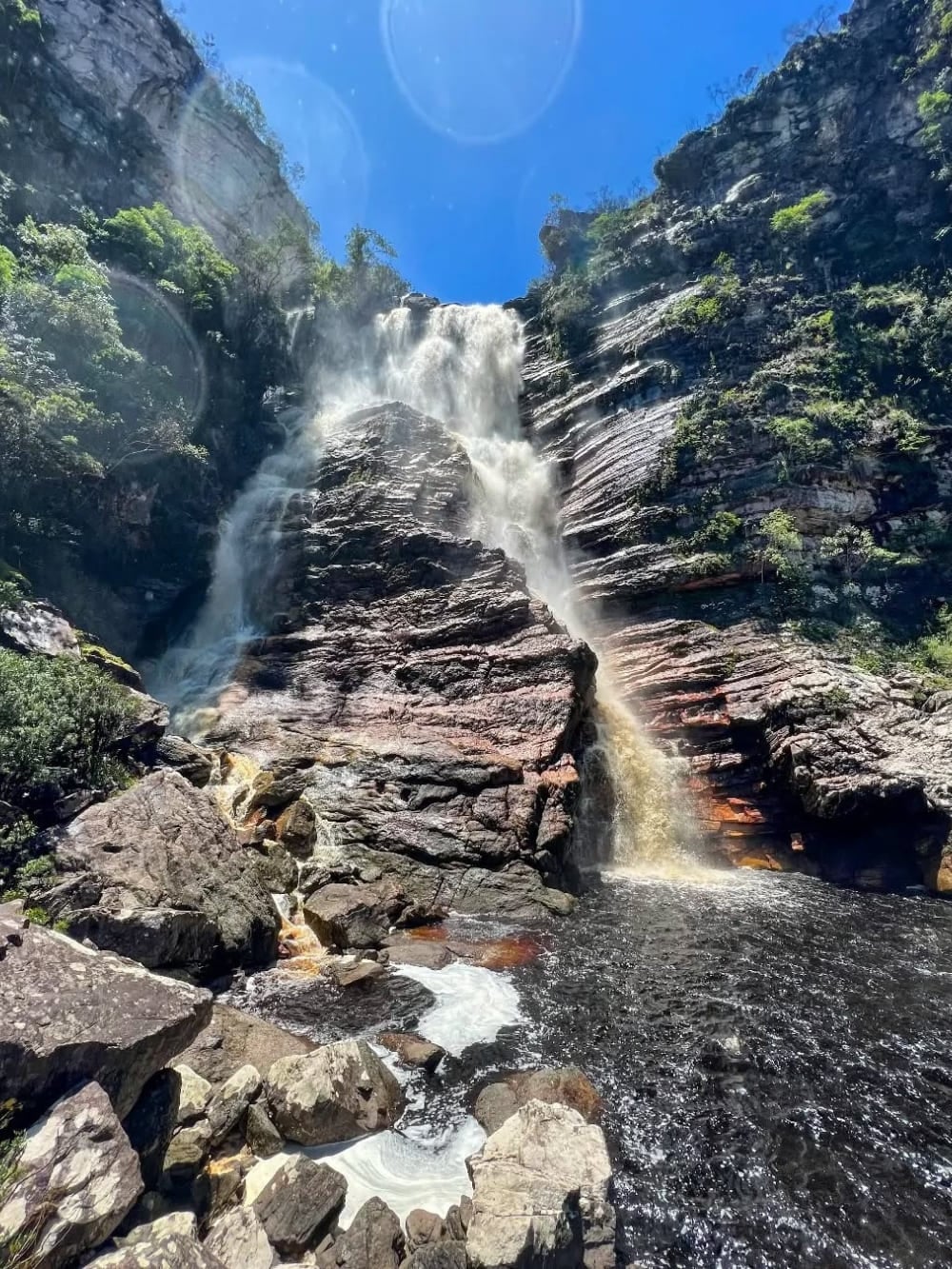
How to get to Samuel?
Reach Samuel Waterfall via the old mining roads near the Roncador region. The trek is long and demanding: 18 km round-trip (around 3 hours each way through dense forest, river crossings, and light rock scrambling).
Fumacinha Waterfall
Fumacinha is one of Chapada’s most remote and dramatic waterfalls, with a vertical drop of around 100 meters inside a narrow canyon. The setting is wild and imposing: towering rock walls, a dark cave at the base, and the constant roar of water make it a truly unforgettable sight for those who can endure the long journey.
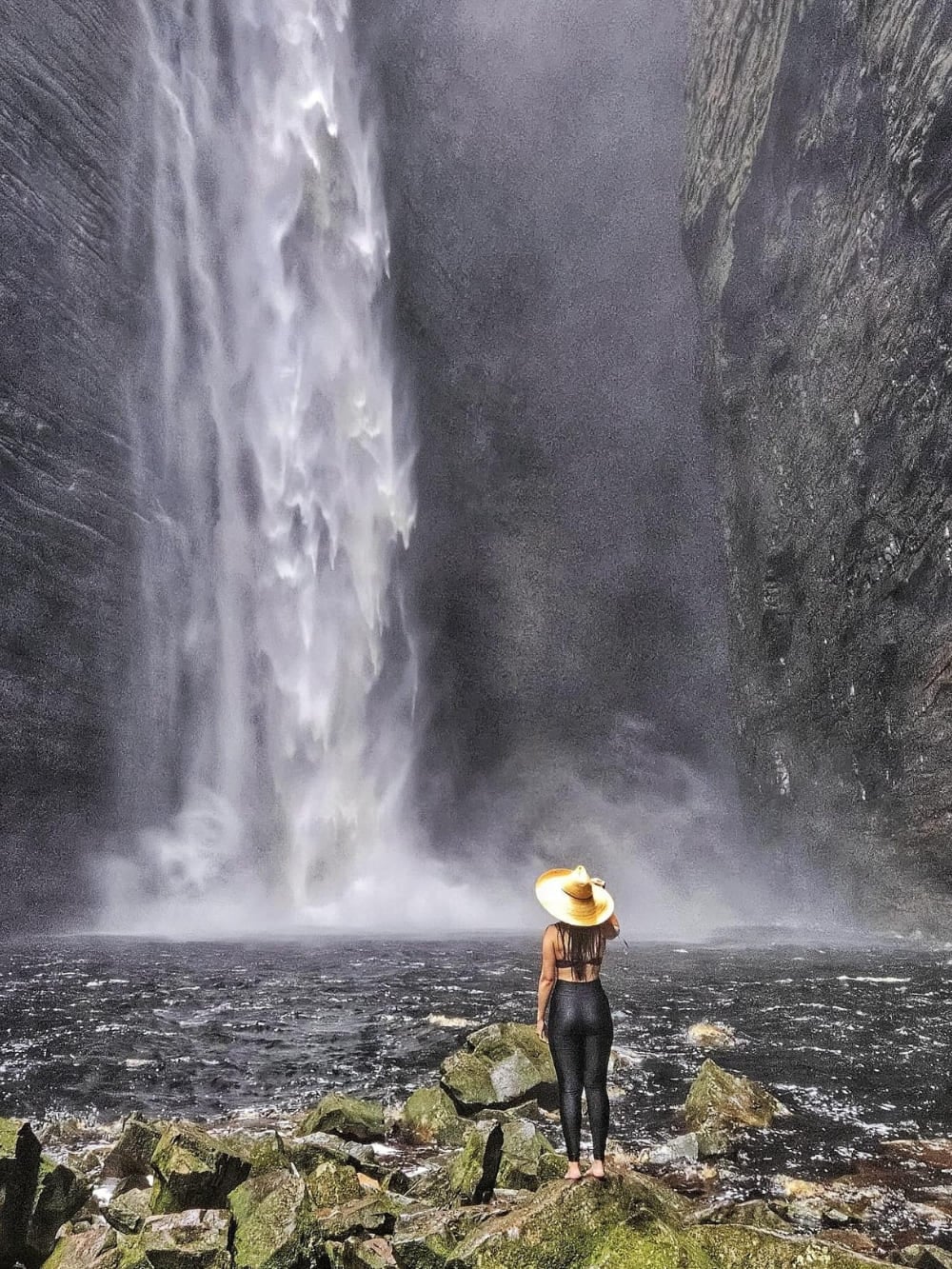
How to get to Fumacinha?
Near Ibicoara, Fumacinha is reached by a challenging 18 km round-trip trek featuring river crossings, boulders, and forest sections. Due to its difficulty, hiring a local guide is highly recommended. One of the best waterfall hikes in Brazil for adventurers who love a challenge!
Herculano Waterfall
Herculano is far from the main tourist routes, making it a true off-the-beaten-path destination. With rugged 100-meter-high cliffs and a large pool at its base, it’s the kind of place where you can enjoy the wilderness in peace.
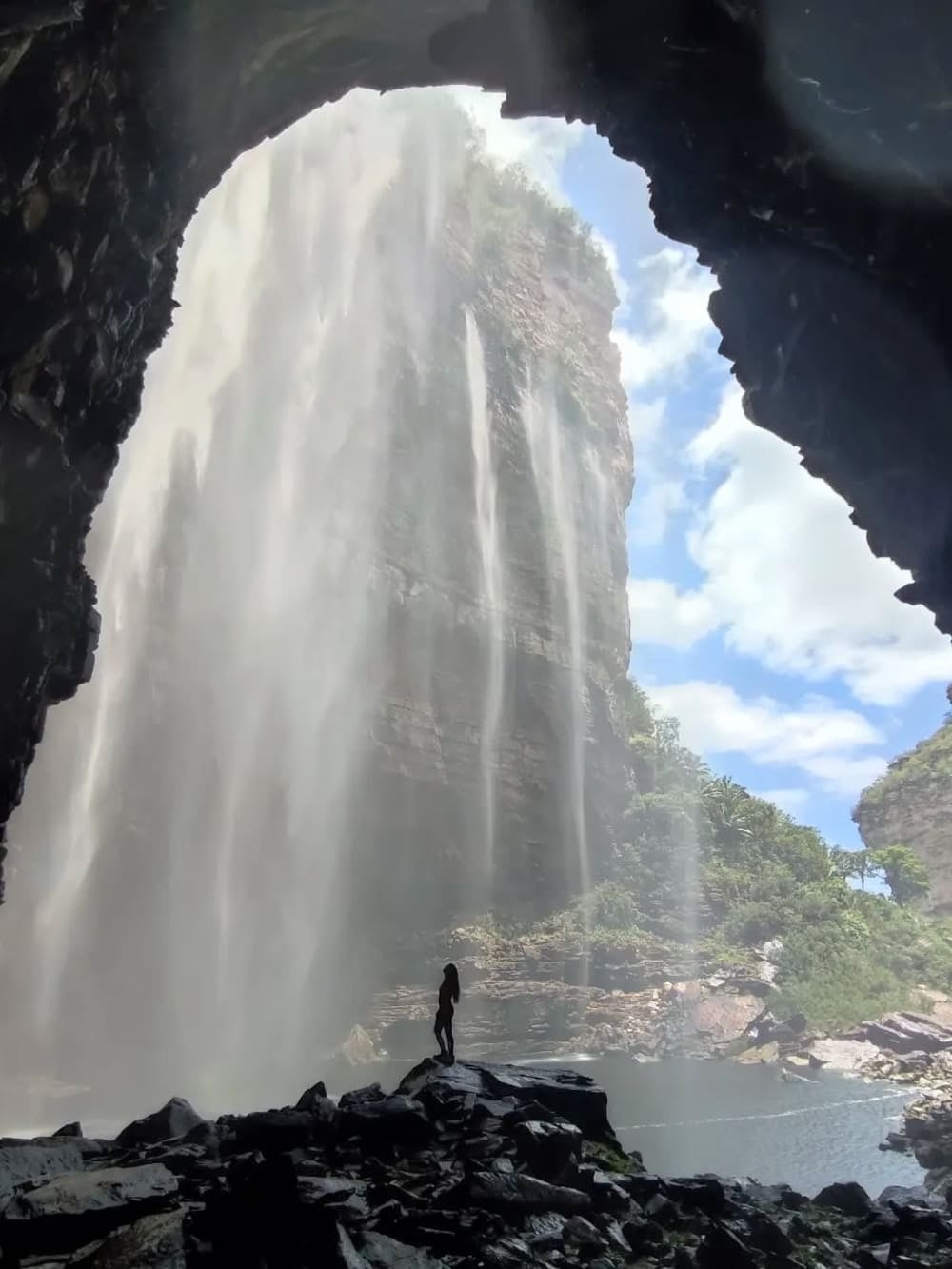
How to get to Herculano?
Located near Andaraí, Herculano requires a guided hike through little-marked forest trails and river crossings. The route isn’t signposted, which is why hiring a professional is so important. The trek is moderate in length but remote, adding to the feeling of isolation and exclusivity.
Encantada Waterfall
One of the most spectacular waterfalls in Chapada Diamantina, Encantada has an impressive drop of around 230 meters. The water plunges into a deep canyon, often creating rainbows when the sunlight hits the mist.
Its remote location means it’s far less visited than other waterfalls, but for those who make the journey, the view is absolutely breathtaking, especially during the rainy season, when the water flow is the strongest.
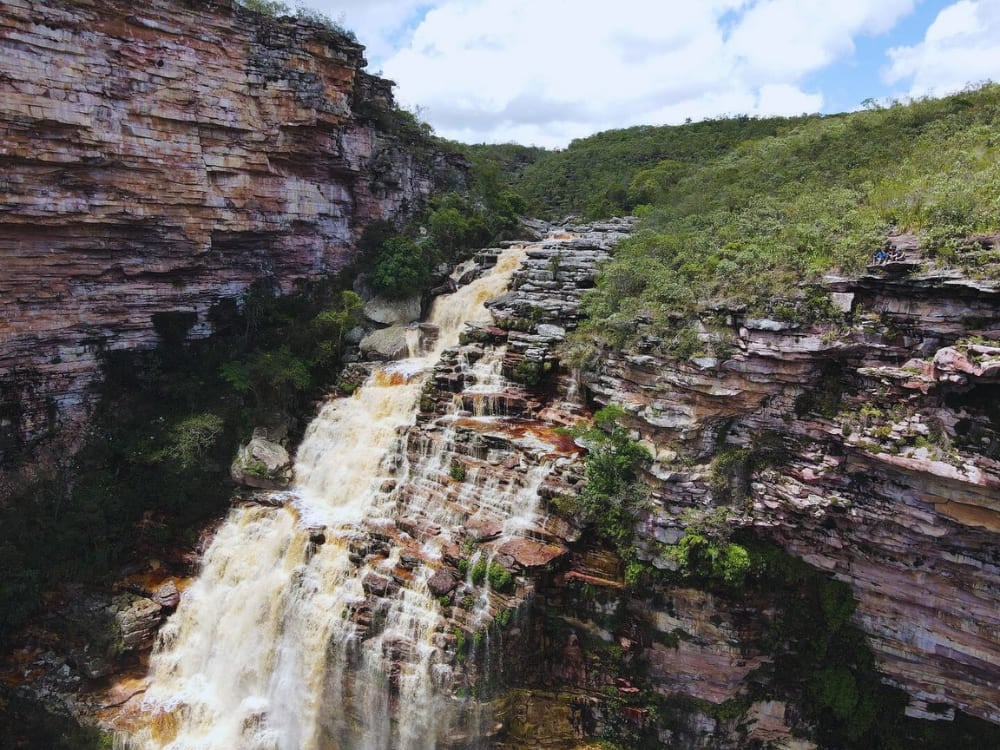
How to get to Encantada?
Located near Itaetê, access requires a guided hike through forested trails and rocky terrain. The trek can take several hours and is considered moderately difficult, but the reward is one of the most impressive views in the entire national park.
Sossego Waterfall
True to its name, Sossego (“tranquility”) is a peaceful 20-meter waterfall that forms a natural pool surrounded by boulders. The trail itself is part of the adventure, passing smaller cascades and rocky sections before reaching the final fall. Many hikers also stop at Ribeirão do Meio, known for its natural waterslide, on the way back. It’s one of the best waterfall trails in the area!
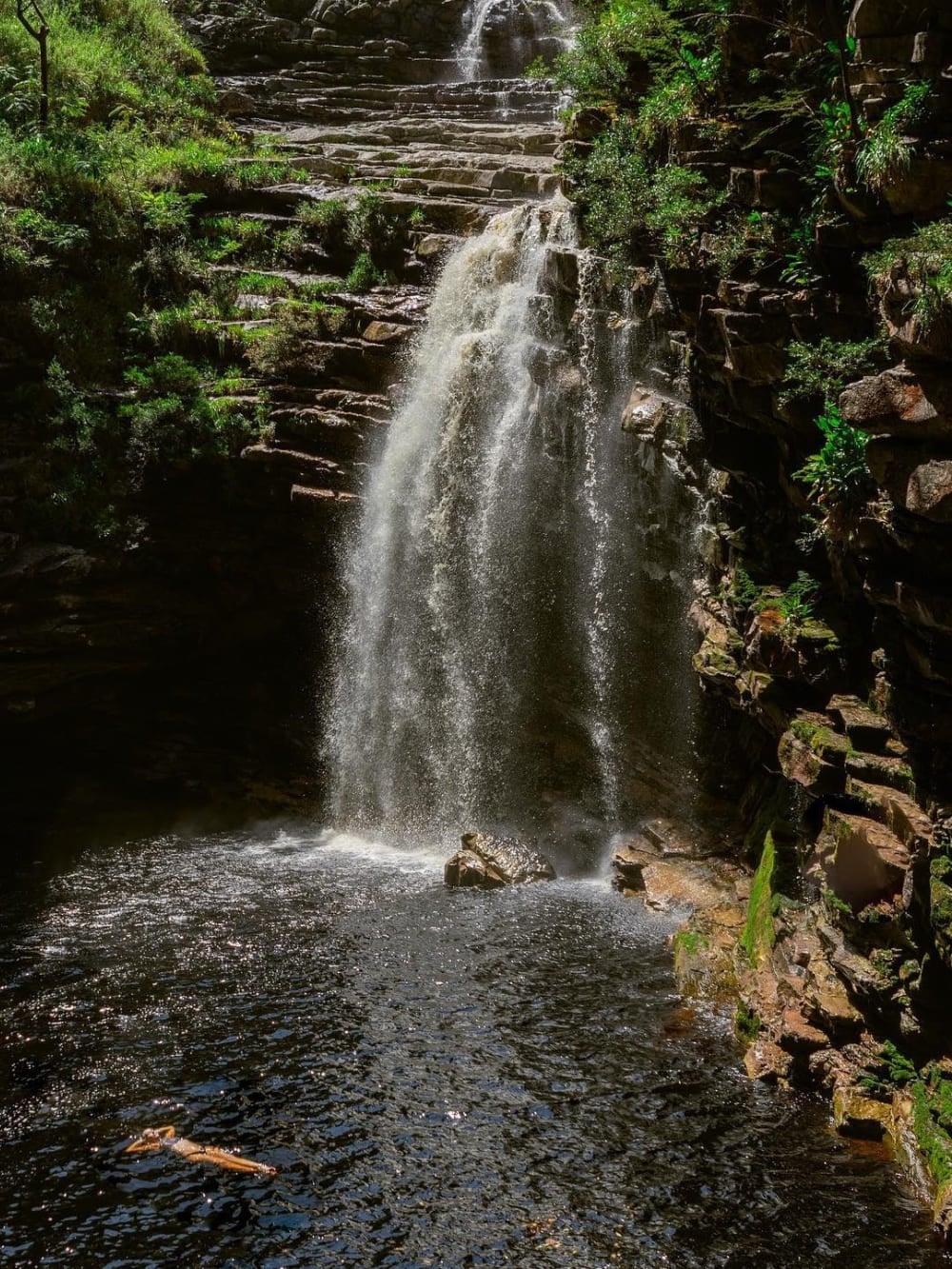
How to get to Sossego?
From Lençóis, it’s a 7 km hike (around 3 hours each way) along the Ribeirão River, with stretches over rocks and stream crossings. Trekking with a local guide is advised!
Mixila Waterfall
With a dramatic drop of about 80 meters inside a narrow canyon, Mixila is a waterfall for true explorers. Getting to it is an adventure in itself: the path includes stretches of river trekking and, in some cases, light rappelling. Its remote location and low visitation keep the atmosphere wild and pristine.
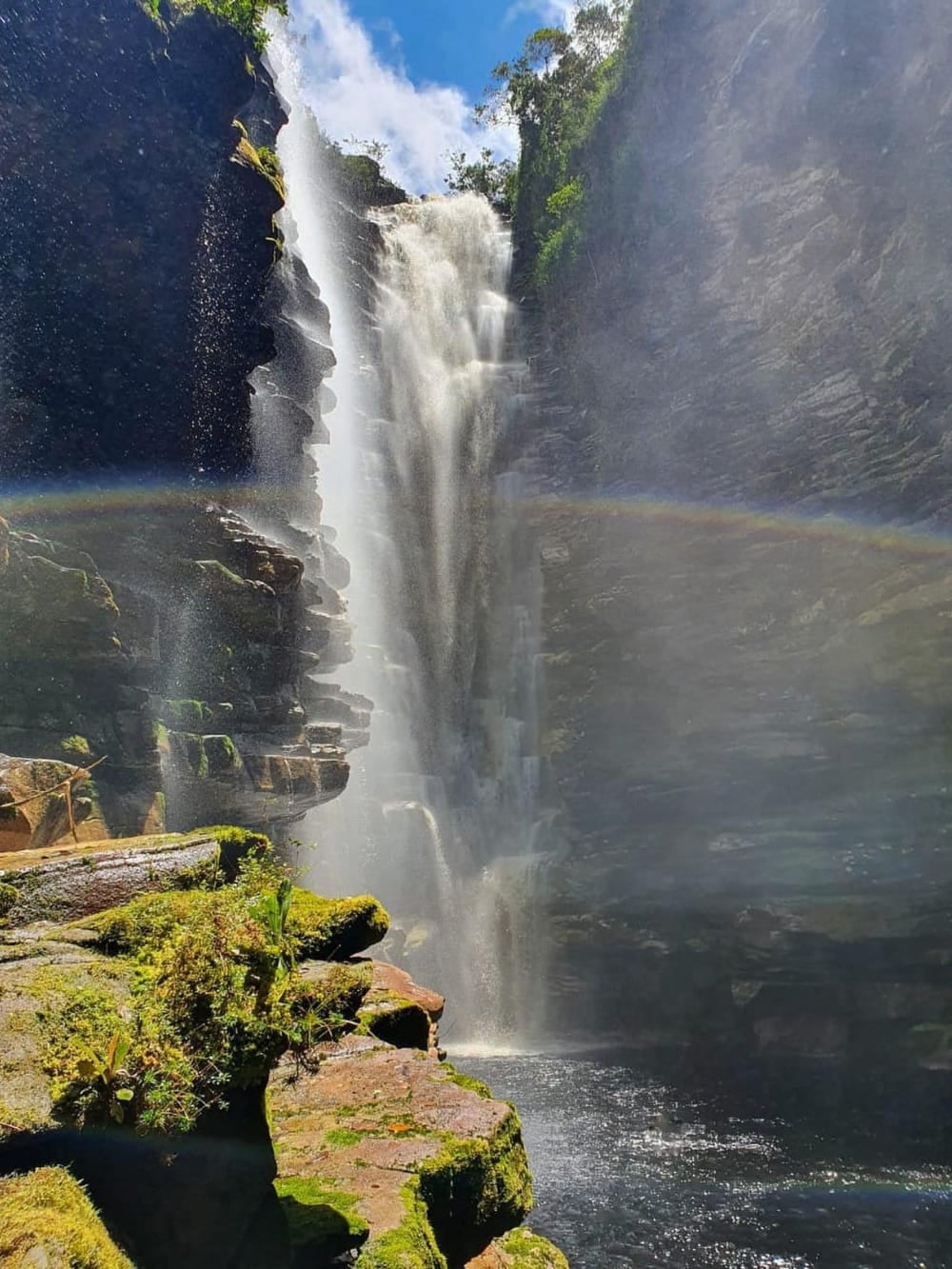
How to get to Mixila?
From Lençóis, Mixila is reached on a full-day or two-day guided hike, following the Capivari River. The route includes smaller falls such as Capivari and Poção along the way. Due to its technical sections and river crossings, going with a guide is strongly recommended.
Swimming in the Waterfalls
If you’re wondering whether you can swim in the waterfalls, the answer is a definite yes—but it depends.
Many waterfalls featured in this article have natural pools suitable for swimming, though some are best appreciated only from viewpoints or due to difficult access. To ensure a smooth, safe trekking experience, stick to our suggestions:
- Buracão: swim or float through the canyon and reach the pool at its base.
- Mosquito: a large natural pool ideal for a refreshing dip.
- Sossego: a calm basin surrounded by rocks; great for a break.
- Mixila: deep pools along the canyon for adventurous swimmers.
- Cachoeirão (from below): pools at the base of the canyon, though access requires a longer trek.
- Fumacinha: natural pool inside the canyon, though the water is usually very cold.
- Herculano: large, deep pool at the base, perfect for a swim.
- Samuel: a pool formed by its tall drop, suitable for swimming after the hike.
- Funil: beautiful cascades with a large pool at the base, ideal for swimming.
- Encantada: requires a rigorous, technically demanding canyon trek.
Better appreciated from viewpoints:
- Cachoeirão lookout: panoramic viewpoint only.
- Fumaça lookout: famous for its “smoke effect,” no pool access.
Keep in mind: be cautious with slippery rocks and strong currents, and follow your guide’s recommendations to ensure your safety!
Why is the Water Dark?
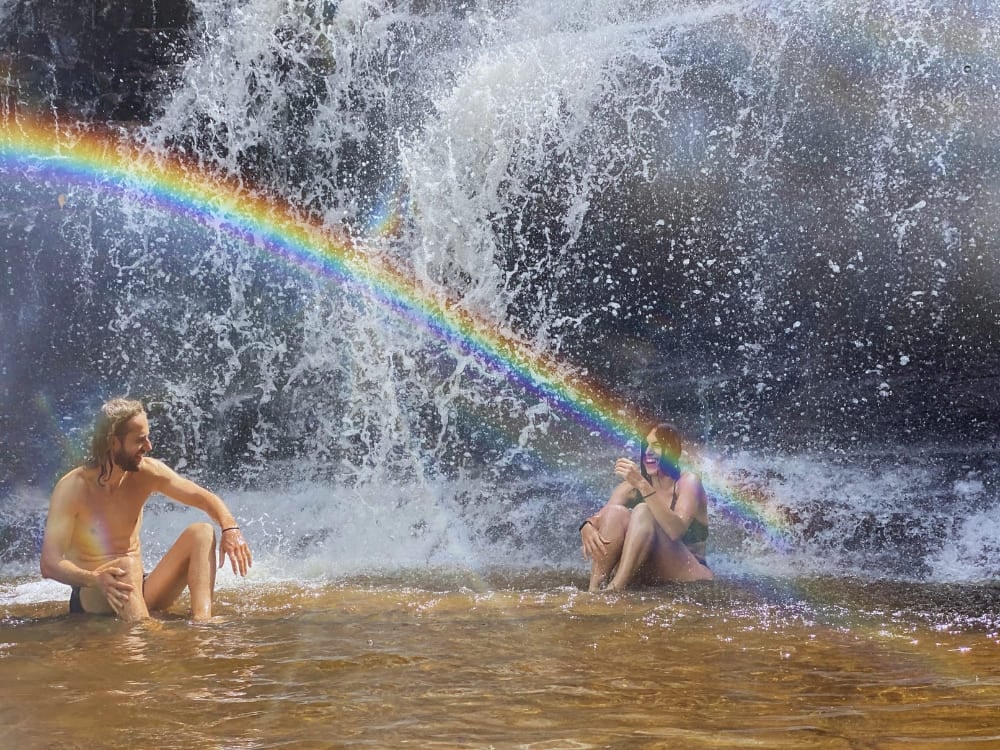
The dark, tea-colored waters of Chapada Diamantina come from tannins released by leaves and organic matter along the rivers. It’s a natural feature, not pollution, which means the water is totally safe for swimming.
Depending on the depth and light, the water can appear golden, amber, or almost black, giving the pools a mysterious beauty. The sandy rock formations in the region act as natural filters, keeping it clear of impurities.
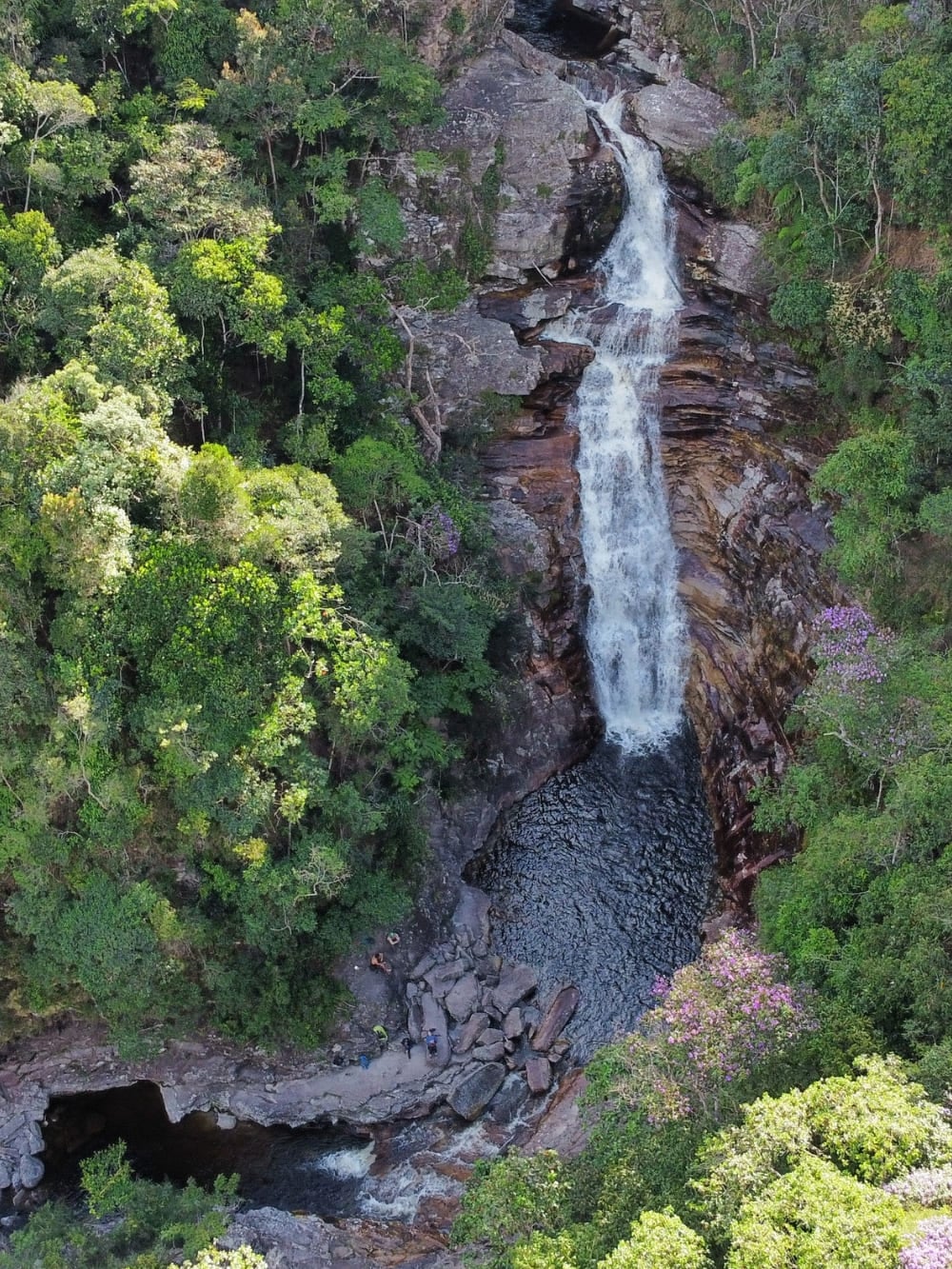
👉 Read more: 10 Travel Tips for Chapada Diamantina
Are the Waterfalls in Chapada Diamantina Cold? When is the Best Time to Visit?
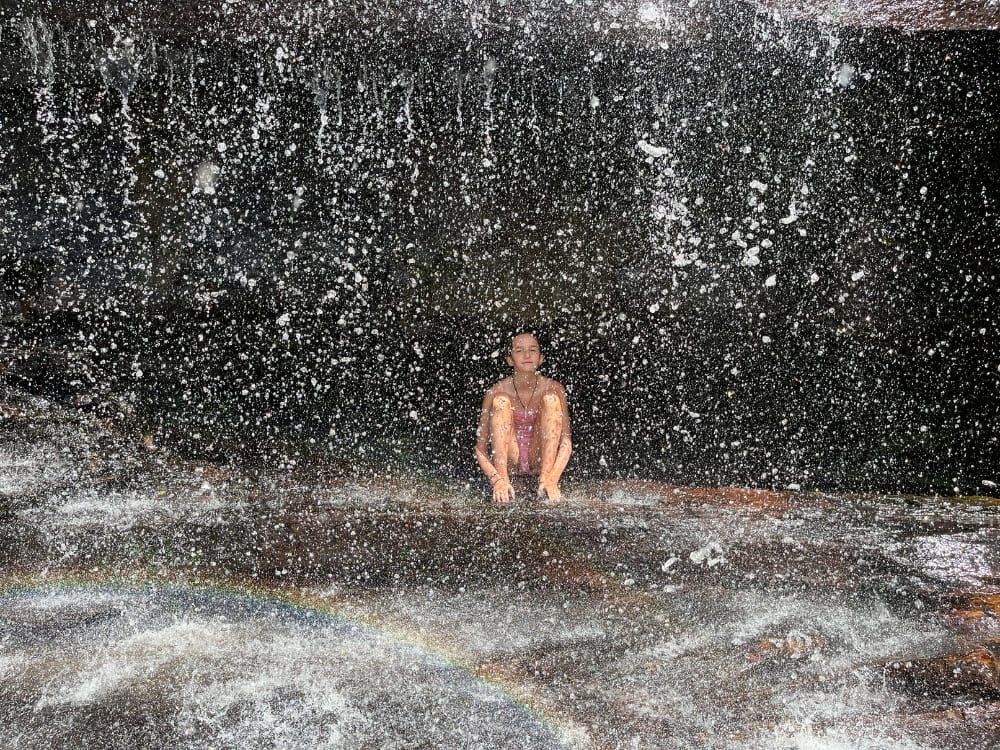
Since the rivers are mountain-fed, most waterfalls stay cold year-round. After a long hike in the sun, a refreshing dip becomes part of the adventure!
- Dry Season (May–September): easier trails, but some waterfalls lose volume.
- Rainy Season (November–March): waterfalls are powerful and photogenic, but trails can be slippery.
- Post-Dry (April–May & September–October): offers the best balance; good water flow and accessible hikes.
👉 Read more: When is the best time to visit Chapada Diamantina?
Visit the Best Waterfall Hikes of Chapada Diamantina with PlanetaEXO
At PlanetaEXO, an ecotourism platform specializing in Chapada Diamantina tours, our adventures go beyond sightseeing. By traveling with us, you support responsible tourism that protects nature and empowers local communities.
Our local operators not only know the trails, but they also share stories, traditions, and knowledge to show you just how rich the national park actually is. Contact us now!
Keep reading
August 14, 2026
Best Lagoons in Lençóis Maranhenses: Brazil’s Desert With a Thousand Lakes
The 5 best lagoons in Lençóis Maranhenses: where each one is, how deep it gets, and when it fills in Brazil’s desert with a thousand lakes.

August 11, 2026
8 Best Places to Visit in Brazil for Nature and Adventure
Eight of the best places to visit in Brazil, from the Pantanal’s jaguars to the dunes of Lençóis Maranhenses. Season, access, and what each one is like.
August 7, 2026
The 5 Best Hikes in Chapada Diamantina: Trails, Waterfalls and Distances
The 5 best hikes in Chapada Diamantina, with location, distance, difficulty and waterfalls: Fumacinha, Fumaça, Vale do Pati, Sossego and Encantada.