Mount Roraima Tours in Brazil
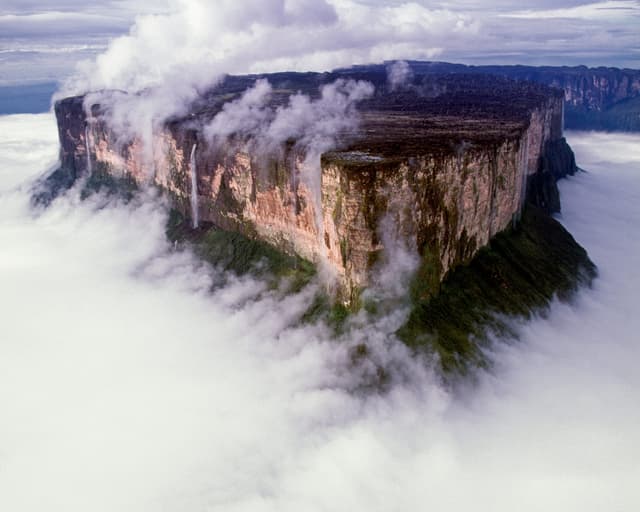
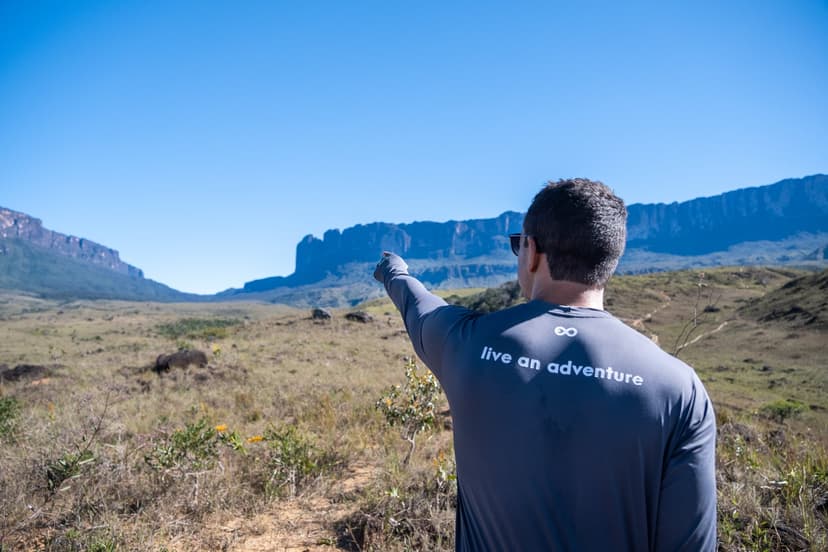
Trek to the summit of the Lost World. Mount Roraima is a 2,800 m tepui at the Brazil, Venezuela, and Guyana border. Our 8- and 10-day expeditions take you up the cliffs to a plateau of crystal valleys, natural pools, and landscapes found nowhere else.
2 trips found
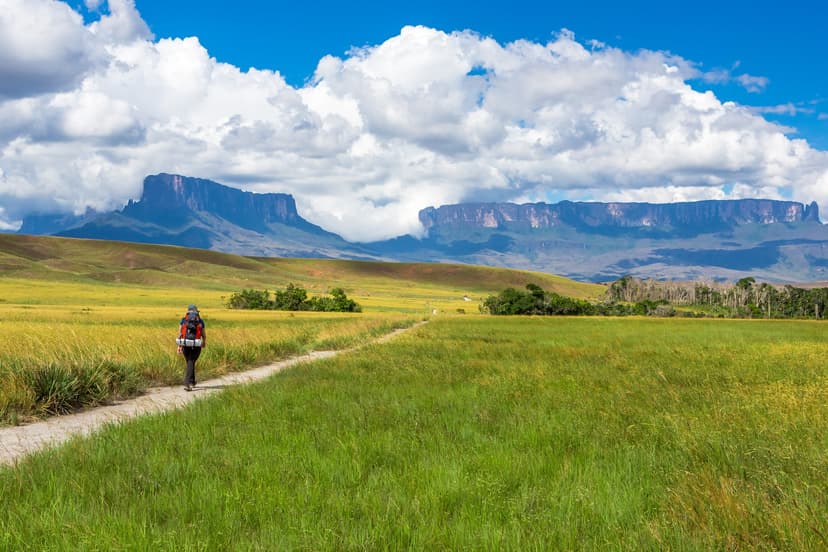
An 8-day Mount Roraima trek from Boa Vista: 3 nights on the summit, natural jacuzzis, the Valley of Crystals and the triple border point.
from $ 1,350
A 10-day Mount Roraima hike from Boa Vista: five nights camping on the tepui, Lake Gladys, Maverick Rock, and the triple border point.
from $ 1,550
Mount Roraima tour reviews
Travelers from around the world trust PlanetaEXO and our local partners to guide them up the tepui. See what they say about our Mount Roraima expeditions!
What you need to know about Mount Roraima tours in Brazil
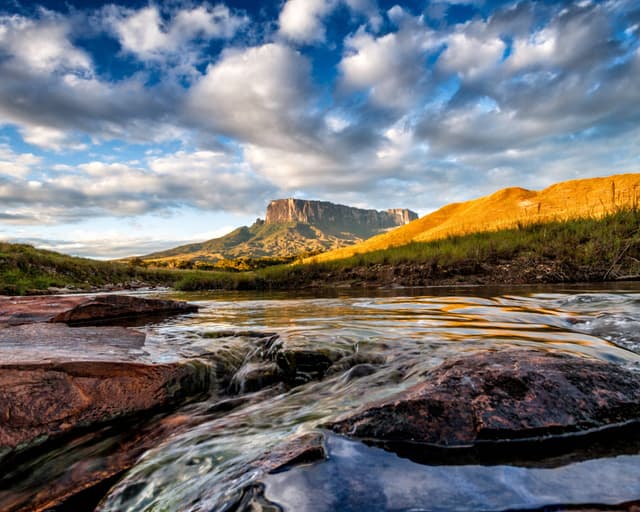
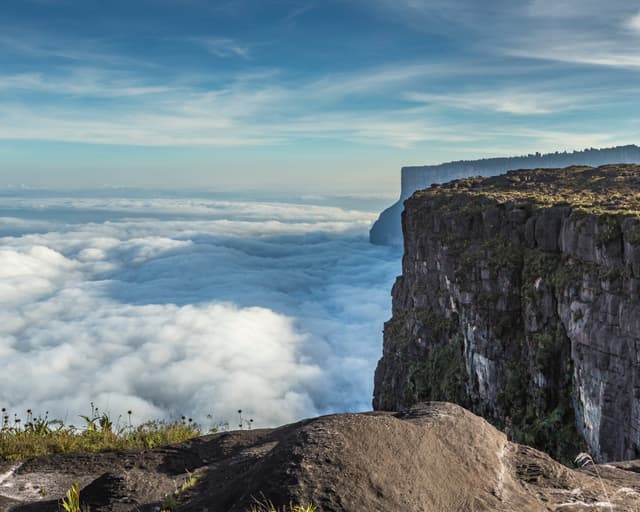
Mount Roraima is the highest of the tepuis—the flat-topped table mountains of the Gran Sabana—rising about 2,800 m where Brazil, Venezuela, and Guyana meet. Its sheer cliffs and cloud-wrapped plateau inspired Sir Arthur Conan Doyle’s The Lost World in 1912, and the summit still looks the part.
Mount Roraima National Park and the Brazilian side
The mountain sits on a triple border, and each country protects its own share. On the Brazilian side, Mount Roraima National Park covers roughly 116,000 hectares in the municipality of Uiramutã, in the far north of Roraima, Brazil, and is managed by ICMBio. On the Venezuelan side, the tepui falls inside Canaima National Park, a UNESCO World Heritage site.
That split matters when you plan. The Brazilian park protects the mountain’s eastern flank, but there is no trail to the summit from that side—the only established route up is Venezuelan, starting from the Indigenous village of Paraitepuy. Most travelers still begin in Brazil, flying into Boa Vista and crossing the border from there.
Mount Roraima treks (8 to 10 days)
Reaching the summit takes a demanding multi-day trek. Most expeditions run 8 to 10 days (the minimum is around 6), which buys you 3 to 5 nights on the plateau instead of a rushed climb up and straight back down. The full route covers about 90 km, crossing rivers and open savanna before the wall of the tepui.
The ascent follows La Rampa, a natural ledge angling up the cliff face. There is no technical climbing and no ropes, but the day is long and steep. Indigenous Pemón guides and porters handle the logistics, carry the main loads, and cook every meal on the mountain.
The Lost World plateau: Valley of Crystals & Lake Gladys
On top, cross black sandstone shaped into towers and arches; quartz fields known as the Valley of Crystals; clear natural pools travelers call the jacuzzis; the Guardians of the Mountain; rock formations, and the La Ventana viewpoint. Plants grow up here that exist nowhere else on Earth.
Longer Roraima tours also reach the Valley of the Lost World, the still water of Lake Gladys, and the triple-border marker where Brazil, Venezuela, and Guyana meet.
Who these Mount Roraima tours are for
Mount Roraima treks suit travelers who are comfortable walking all day with a daypack, sleeping in a tent, and handling cold, wet weather—plateau temperatures sit between 5 and 12°C year-round.
No technical climbing skills are required for the ascent. While Mount Roraima treks demand solid physical fitness to handle consecutive long days, the summit rewards fit, adventurous trekkers with a landscape found nowhere else on Earth.