
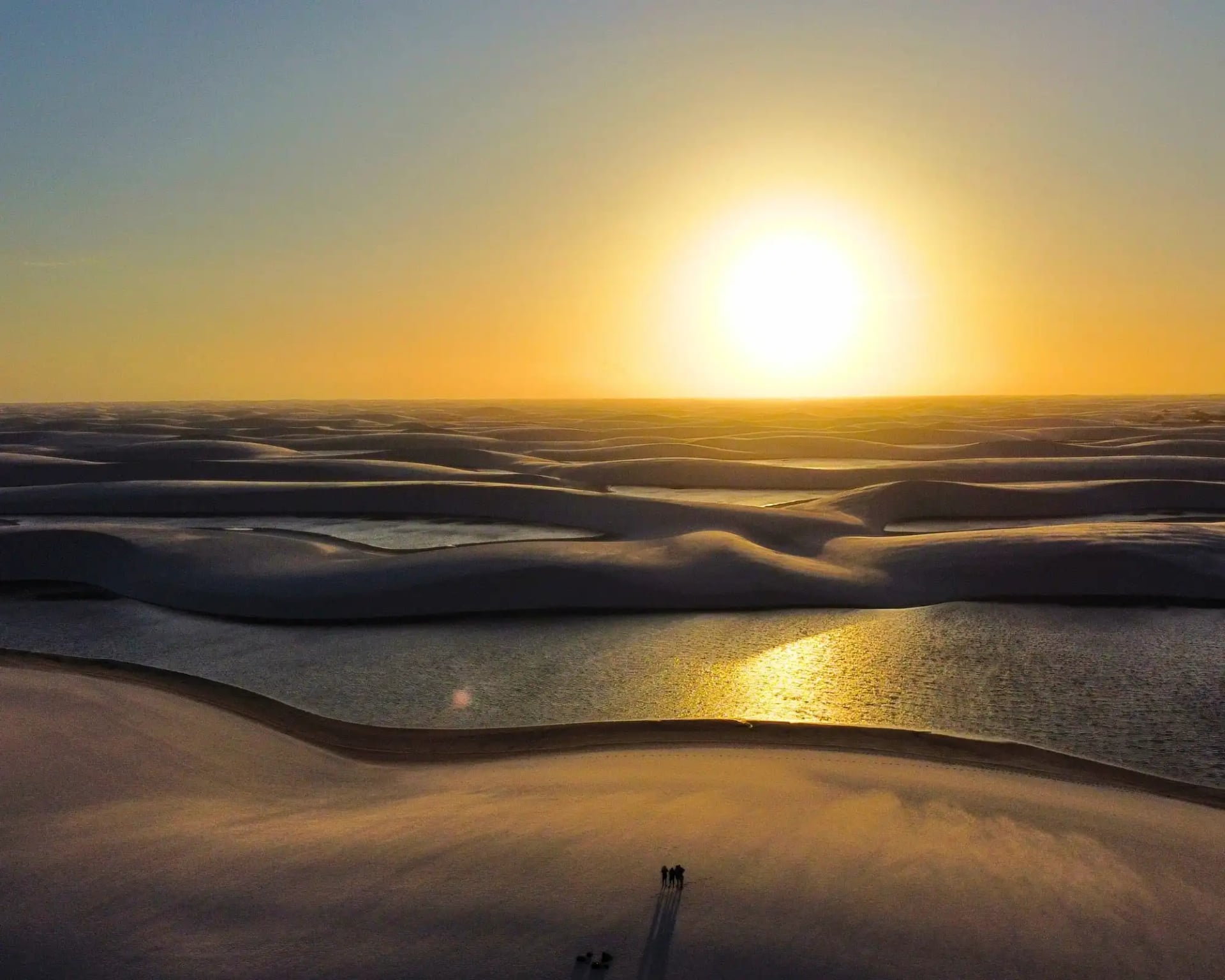
National parks are important to protect nature, but they also offer amazing ecotourism experiences that can attend to travelers’ every adventure need
Essential for the preservation of ecosystems of great ecological relevance and scenic beauty, Brazil’s seventy-five national parks are also important assets for scientific research, environmental education, and non-exploitative ways to connect with nature—which directly affects ecotourism.
While Tijuca (Rio de Janeiro) and Iguazu (Paraná) parks are the country’s most visited—attracting 4.6 and 2 million visitors every year, respectively—there are other incredible national parks in Brazil that offer terrific experiences for travelers who can’t get enough of outdoor activities.
If you’re a nature aficionado, then you should definitely explore Brazilian national parks! PlanetaEXO, an ecotourism platform specializing in adventure tours in Brazil, has put together a list of remarkable off-the-beaten-path destinations. Check it out below!
1 – Chapada Diamantina National Park (BA)
Chapada Diamantina National Park (total area: 152,000 ha), in the state of Bahia, is one of Brazil’s main destinations for adventure travel. With gorgeous waterfalls (Fumacinha, Buracão, Sossego, Mixila, etc.), natural wells, lookouts, canyons, and diverse vegetation, it’s the perfect place for a full immersion in nature.
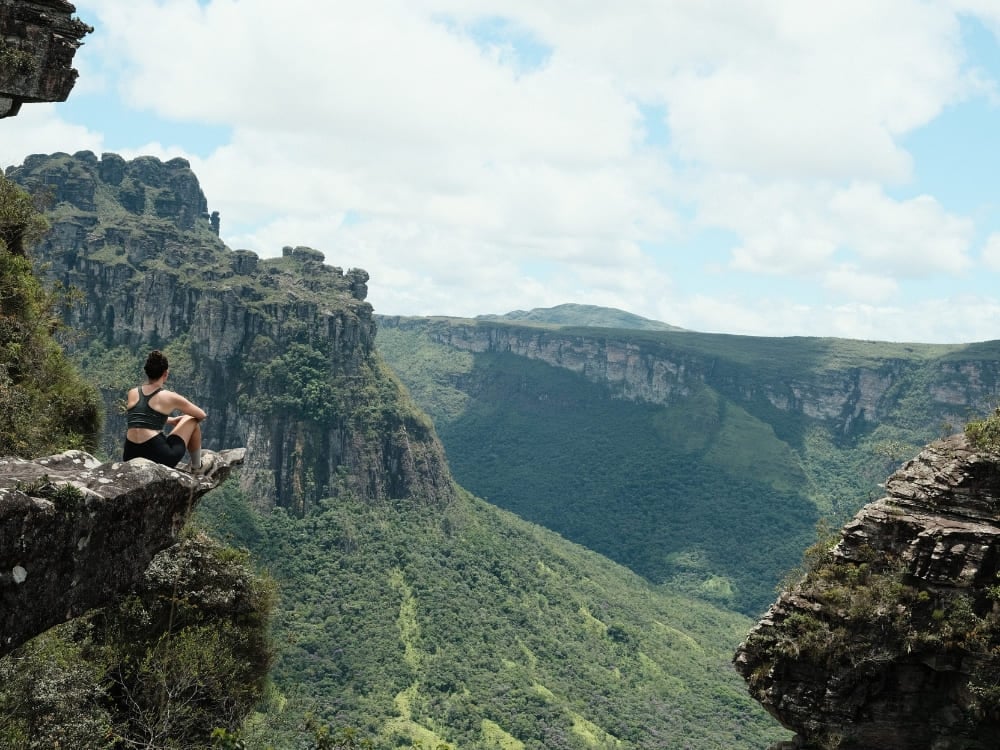
Vale do Pati is considered the best hike in Brazil by many hikers due to its amazing trekking routes that cross rivers, caves, mountains, and ancient rock formations.
Another unmissable experience is swimming in Poço Azul, an underground lake with crystal-clear waters that gain a beautiful blue tint when the sunlight cuts through the cave cracks.
Why visit?
Hike through Vale do Pati’s incomparable beauty, explore hidden caves, cool off in dozens of waterfalls, and live unforgettable moments in mesmerizing underground lakes.
2 – Lençóis Maranhenses National Park (MA)
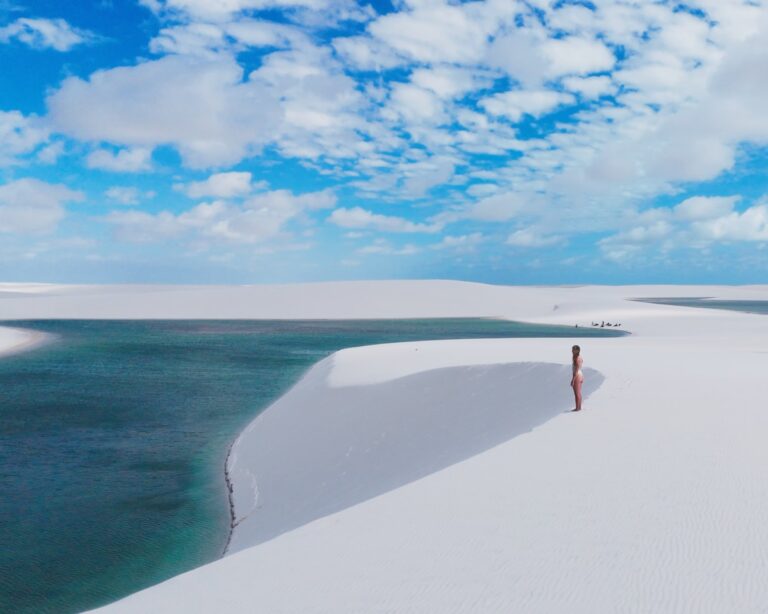
Surely one of the most jaw-dropping national parks in Brazil, Lençóis Maranhenses (total area: 155,000 ha), in the state of Maranhão, stands out for the gorgeous white sand dunes and rainwater lagoons sharing the same space. Rivers, mangroves, and beaches also inhabit this gorgeous desert-like scenario.
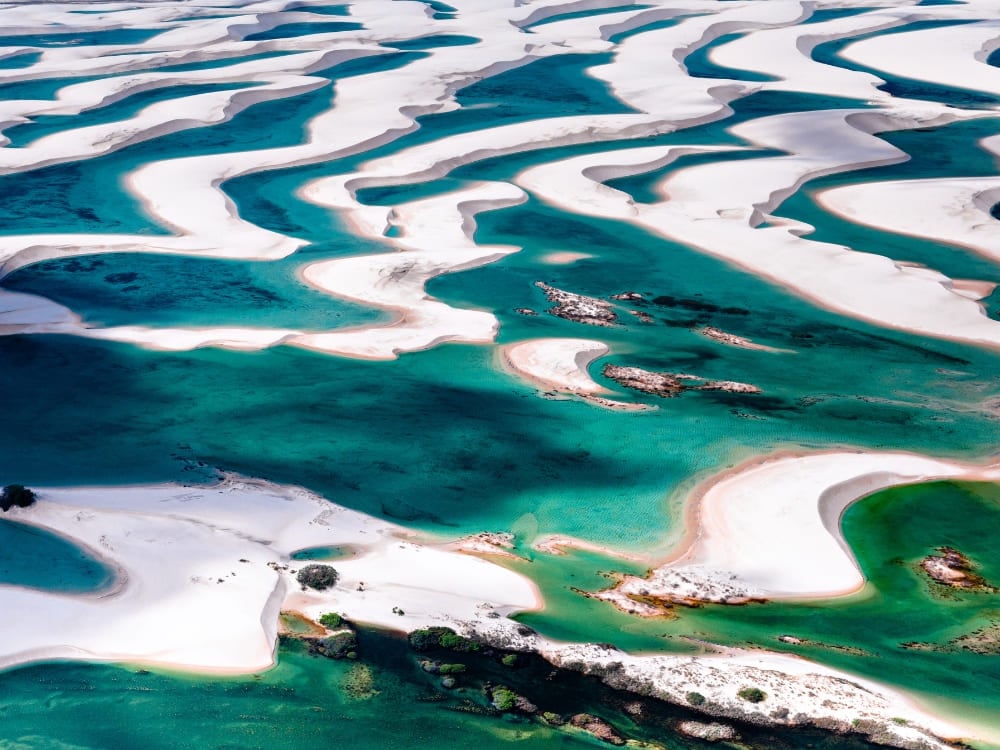
The park’s otherworldly beauty is recognized internationally. In July 2024, UNESCO (United Nations Educational, Scientific and Cultural Organization) nominated Lençóis Maranhenses as a World Heritage Site.
Why visit?
Lençóis Maranhenses is the largest sand dune field in South America, offering over 36,000 lagoons that appear and disappear according to the rainfall volume.
It’s the perfect vacation option for travelers looking for peaceful experiences and splendid natural scenarios.
3 – Fernando de Noronha Marine National Park (PE)
Located off Brazil’s northeastern coast, Fernando de Noronha Marine National Park (total area: 11,000 ha) protects a cluster of twenty-one islands in the state of Pernambuco.
Although one of the most desired travel destinations in Brazil, Fernando de Noronha limits the number of travelers to ensure its conservation. According to federal and state laws, only 11,000 people per month are allowed on the island (including locals, workers, and tourists).
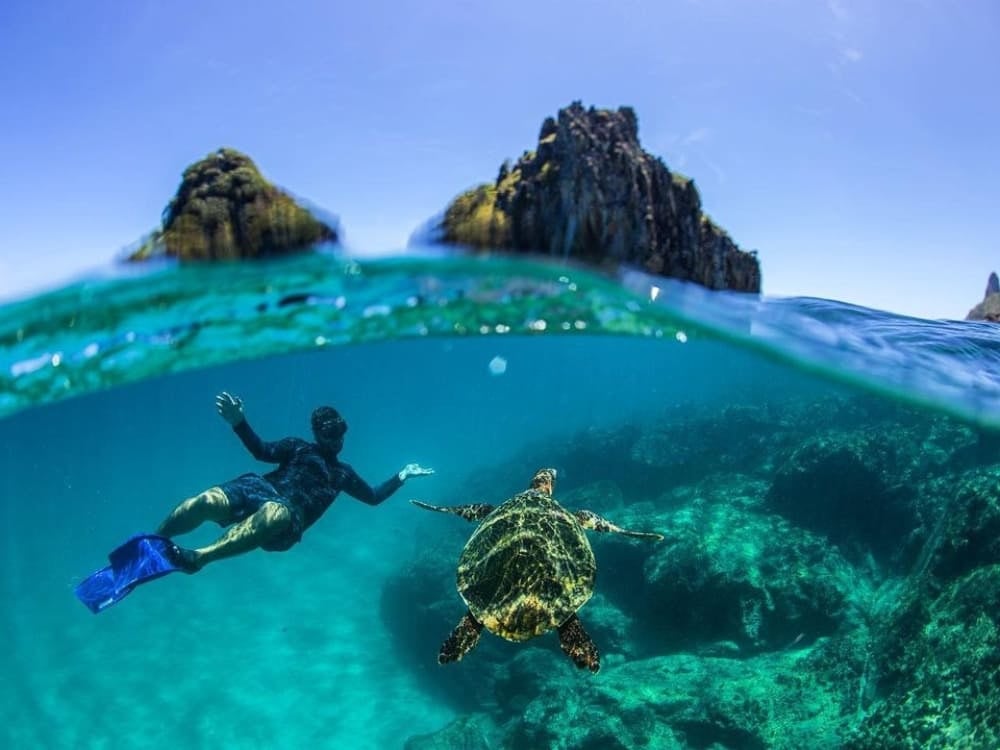
That is one of the reasons why the park is so beautiful and well-preserved. With vibrant coral reefs and rich marine life, it’s an amazing place for scuba diving and spotting dolphins, turtles, and various species of fish.
Noronha’s unspoiled beaches are a sight to behold. Baía do Sancho, in particular, is the main attraction and was even nominated the best beach in the world by TripAdvisor’s users in 2023.
Why visit?
Fernando de Noronha’s pristine beaches are perfect for tanning, relaxing, and engaging in aquatic activities, like swimming, snorkeling, canoeing, and water bike riding.
In addition, The Tamar Project, an organization that protects various species of sea turtles, is based on the island and welcomes visitors all year round.
4 – Pantanal Matogrossense National Park (MT/MS)
As part of the largest wetland on the planet, Pantanal Matogrossense National Park (135,000 ha) is divided between two states—Mato Grosso and Mato Grosso do Sul.
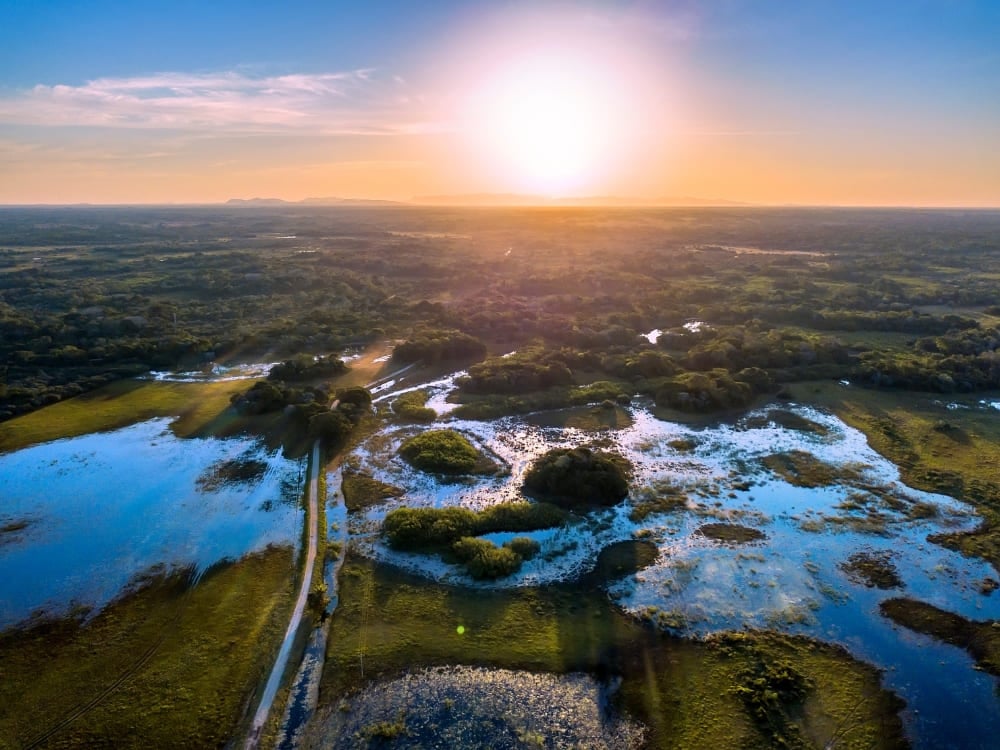
Home to three major Brazilian biomes (Cerrado, Atlantic Forest, and the Amazon Rainforest), the Pantanal’s flora and fauna play a huge role in balancing South America’s ecosystem.
This is the best national park in Brazil for travelers who love wildlife watching, with over 650 bird species, 120 mammals, and 50 reptiles.
Why visit?
Incredible animals roam around the Pantanal, such as capybaras, caimans, jabiru storks, and jaguars. Photo safaris and night spotlighting are perfect activities to observe the wildlife.
👉 Read more: Where is the Best Place to See Jaguars in the Pantanal?
5 – Chapada dos Veadeiros National Park (GO)
Situated in northeast Goiás, Chapada dos Veadeiros National Park (total area: 240,000 ha) features lush vegetation, hundreds of water springs, waterfalls, lookouts, dozens of hiking trails of different levels of difficulty, and ancient rock formations.
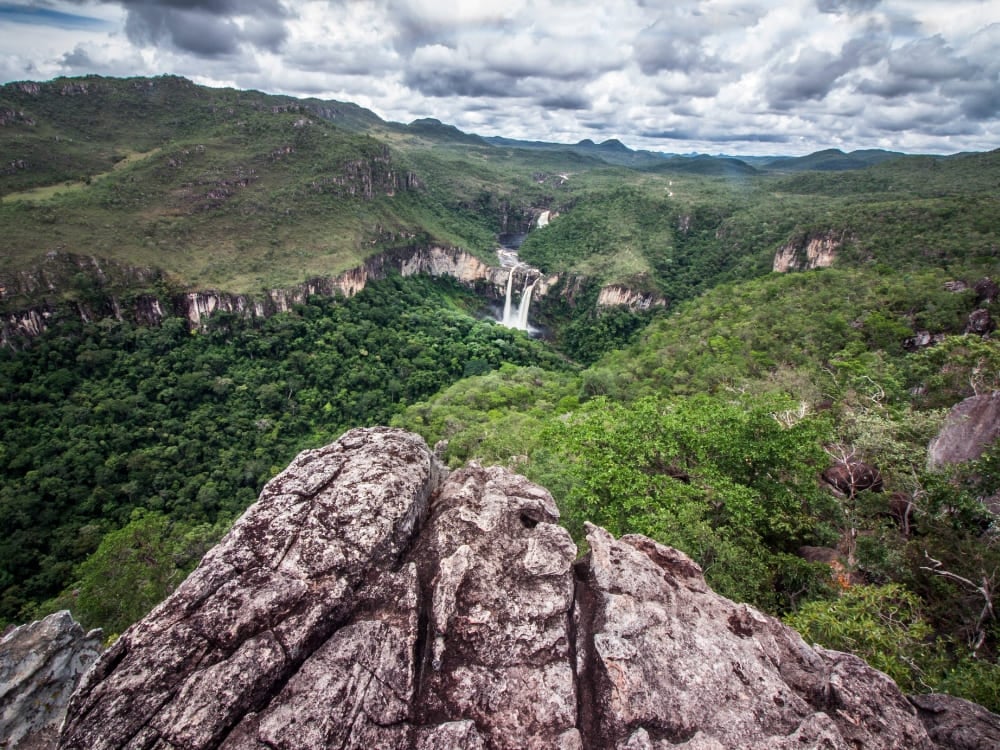
Scientists claim these rocks are over a billion years old, back when the Earth was formed by continental crusts spread across oceans—millions of years before Pangaea. Over time, natural phenomena crystallized the sand of the sea and the beaches, creating beautiful quartz crystals.
Why visit?
Chapada dos Veadeiros’ enchanting atmosphere attracts trekkers and spiritual travelers who seek a closer connection with nature and the crystals’ supposed healing powers.
With over 2,000 cataloged waterfalls, it’s a wonderful destination for swimming, taking pictures, or simply relaxing by the water.
6 – Serra dos Órgãos National Park (RJ)
Serra dos Órgãos National Park (total area: 20,000 ha) guards the mountain range of Rio de Janeiro across four different towns: Petrópolis, Teresópolis, Magé, and Guapimirim.
The park is great if you like wildlife watching—there are 462 species of birds, 105 mammals, 103 amphibians, and 83 reptiles—but it’s even better for trekking.
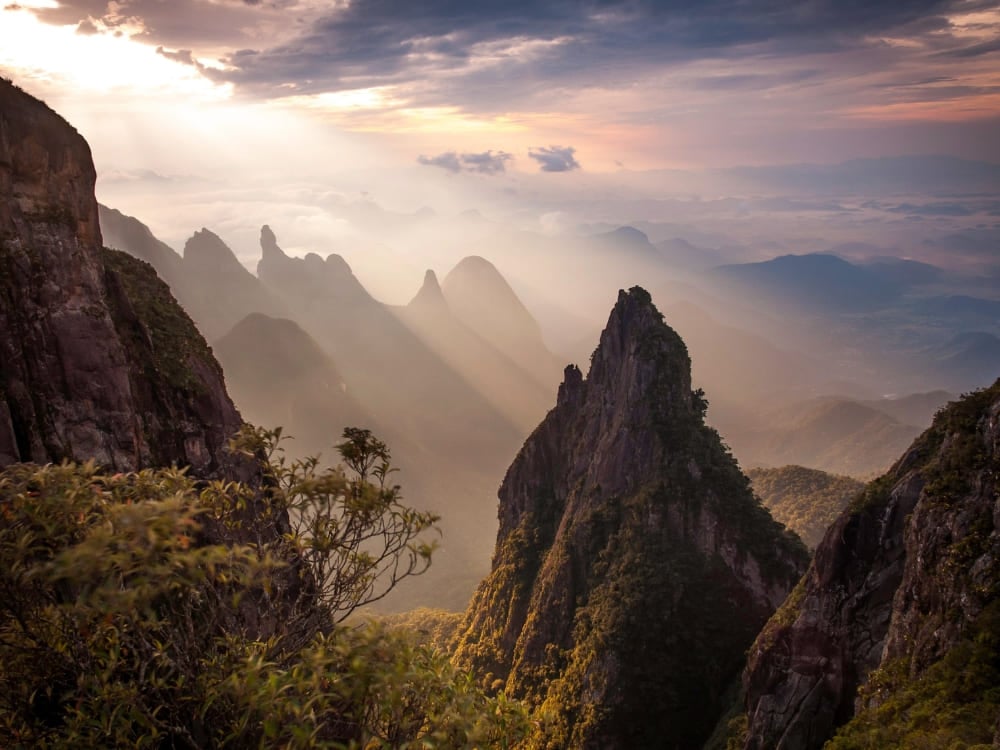
Beautiful natural scenarios adorn 200 km of trails, including the trek to the almighty Finger of God, a mountain that reaches almost 1,700 meters above sea level.
Why visit?
Serra dos Órgãos is mostly recommended for people with good physicality that enjoy challenging hiking trails and mountain climbing. It’s a demanding experience, but the beauty of this Brazilian national park is more than worth it.
👉 Read more: When is the Best Time to Visit Brazil?
7 – Serra da Capivara National Park (PI)
Curious travelers who love history can’t miss the chance to go to Serra da Capivara National Park (total area: 130,000 ha) in the state of Piauí. A UNESCO World Heritage Site since 1991, this mesmerizing place is a real treasure for science and ancient human civilization enthusiasts.
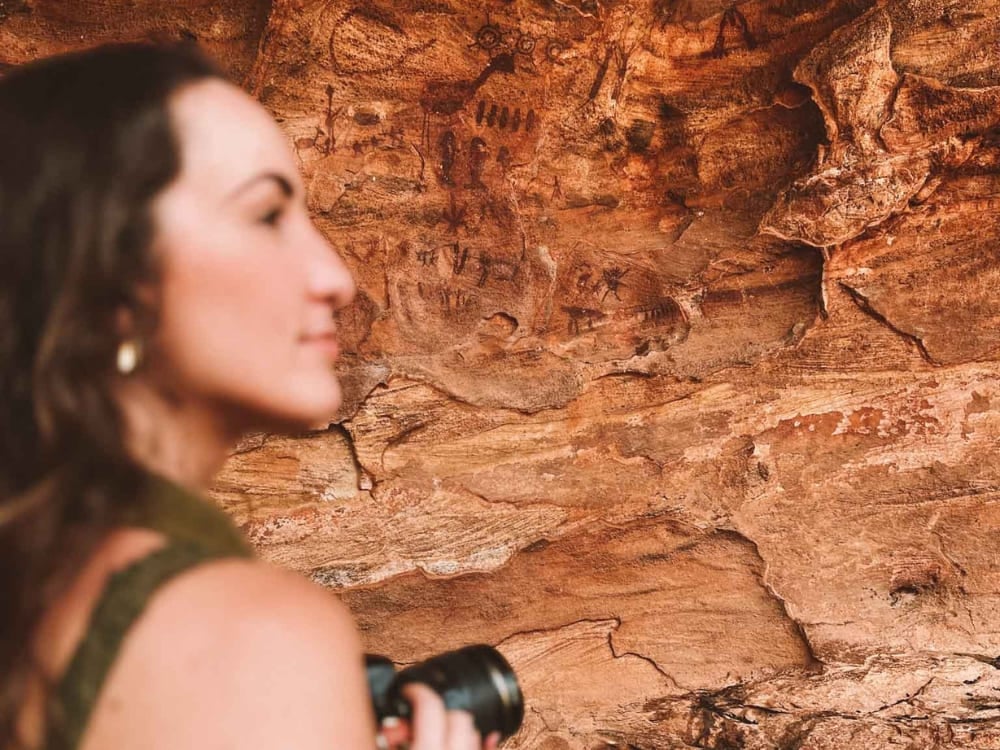
Among rocky cliffs and deep canyons, you’ll find 400 archaeological sites—some of them are over 10,000 years old—with fascinating cave paintings and engravings made by the first humans in South America.
Licensed guides are required to accompany the groups in Serra da Capivara. This ensures the park’s preservation and allows for custom tours and engaging lessons about this amazing environment and its past.
Why visit?
Serra da Capivara is surely one of the greatest national parks in Brazil to get in touch with human history. Not only is the park the largest cave painting site in the world, but it also displays gorgeous views of ancient canyons, dense vegetation, and infinite blue sky.
8 – Mount Roraima National Park (RR)
On the triple border of Brazil, Venezuela, and Guyana, Mount Roraima National Park (total area: 117,600 ha), in the state of Roraima, is excellent for hiking, wild camping, and mountain climbing. The very top of the mountain reaches nearly 2,900 meters above sea level!
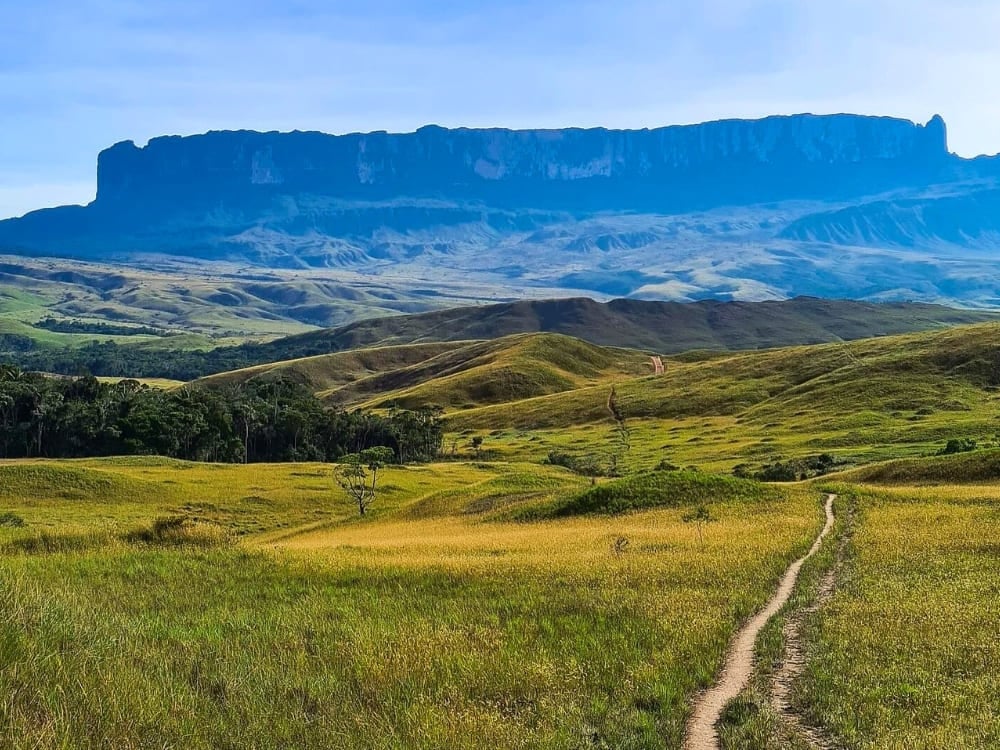
Mount Roraima is located mostly on Venezuelan territory, so it’s common for travelers to also roam around Canaima National Park (total area: 3,000,000 ha) in Bolívar. That’s where you’ll find the Valley of Crystals, an impressive natural quartz formation.
You can also swim in the rivers (Orinoco, Essequibo, Amazon) and natural pools, observe the rich fauna and flora, and join wonderful, yet demanding, trekking tours.
Why visit?
Mount Roraima is one of Earth’s oldest geological formations, dating back nearly 2 billion years. Shrouded in mystery and beautiful views, it captivates visitors with its towering cliffs and mesmerizing ecosystems, offering an awe-inspiring glimpse into Mother Nature’s wonders.
👉 Read more: 10 Travel Tips for Mount Roraima to make the most of your trip
9 – Jaú National Park (AM)
The largest in the state of Amazonas, Jaú National Park (total area: 2,272,00 ha) protects a good portion of the Amazon Rainforest and its river basin, both immeasurably valuable to the planet’s ecosystem.
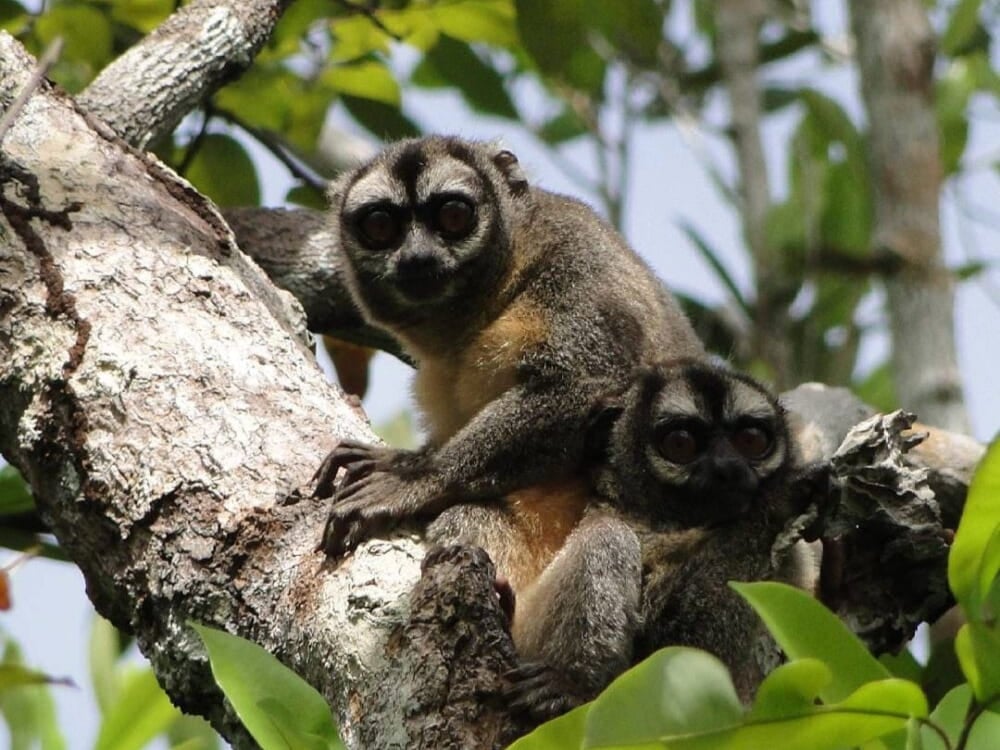
Travelers can hike in the jungle, spot wild animals, go on boat rides, fish for piranhas and other local species, and visit freshwater beaches.
Weather conditions dictate itineraries in the Amazon. It’s important to pay attention to both the wet and dry seasons so you know when the best time to visit is.
Why visit?
Tourists dive deep into the heart of the Amazon when visiting Jaú, which holds exceptional experiences in nature that will surely be engraved in their minds and hearts for a very long time.
Beyond the natural wonders, archeological treasures are nestled in the park’s facilities. Petroglyphs from the Neolithic era located near the Jaú River banks are major elements to understand human history in South America.
10 – Anavilhanas National Park (AM)
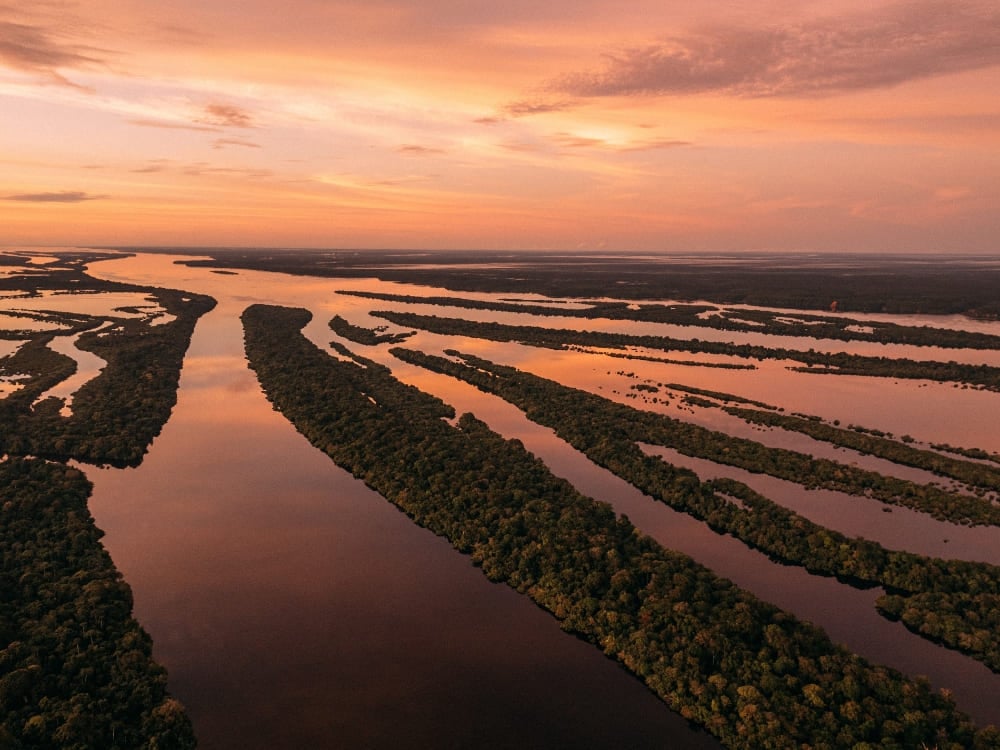
Anavilhanas (total area: 350,000 ha) is always included on lists of the best national parks in Brazil for protecting over 400 islands in the Negro River. It’s the second-largest river archipelago in the world, only after Mariuá, also in Amazonas.
Tourists have a blast when it comes to adventure. Wildlife watching, interacting with Amazon pink dolphins, forest trekking, aquatic trails, and visiting freshwater beaches are must-have experiences in Anavilhanas.
Why visit?
The contrast of the white sand of the islands with the dark waters of the Negro River creates beautiful views, capable of charming travelers of any age. There are hundreds of river beaches, but some are completely unmissable: Orla, Aracari, Bararoá, Iluminado, Sobrado, and Camaleão.
Rich biodiversity, immersion in the forest, and engaging with local communities to learn about Amazonian culture are other reasons to visit Anavilhanas.
👉 Read more: 15 Amazon Animals – Unravel the Wildlife in Brazil
11 – Abrolhos Marine National Park (BA)
Abrolhos Marine National Park (total area: 88.000 ha), a cluster of islands in the state of Bahia, was established in 1983, but this is the same place English naturalist Charles Darwin fell in love with in 1832, during his 5-year voyage around the world to collect data about biological evolution.
The book The Beagle Record: Selections From the Original Pictorial Records and Written Accounts of the Voyage of the H.M.S. Beagle (1979), published by his great-grandson, Richard Keynes, mentions Darwin’s fascination with Abrolhos’ green vegetation, abundant bird species, and coral reefs.
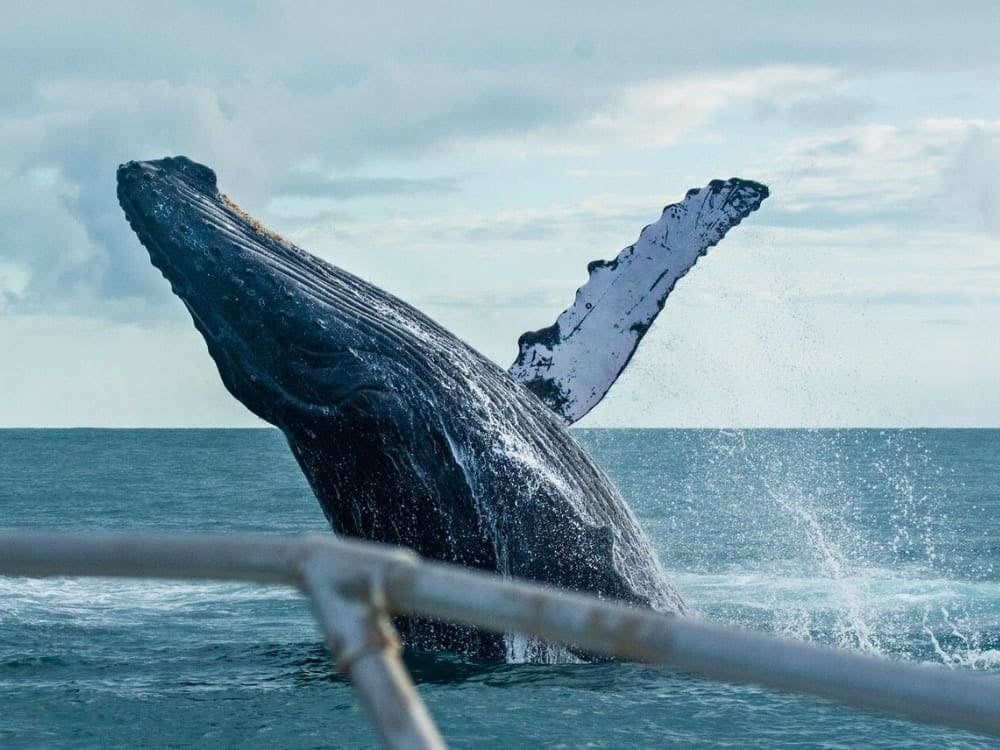
The park is essential to preserve the richest marine biodiversity of the South Atlantic, home to sea turtles, seabirds, Mussismilia braziliensis corals, and humpback whales.
A great destination for divers and marine life admirers, Abrolhos’ activities include hiking, stand-up paddling, snorkeling, and scuba diving.
Why visit?
Abrolhos’ beautiful mix of colors—green for the trees, blue for the sea, white for the sand, and every color under the rainbow for the coral reefs—can make anyone breathless and dreading the moment of leaving this paradise.
Wildlife enthusiasts are in for a treat with humpback whale watching. From July to November, the archipelago becomes a prime location for whale watching, as these magnificent creatures migrate to the area to breed and nurse their young.
Ready to visit the national parks in Brazil? Plan your vacation with PlanetaEXO!
Now all you have to do is choose your favorite Brazilian national park—or more than one!—to start planning your next trip.
Whether you’re drawn to forest treks, gorgeous beaches and waterfalls, or mountain climbing, PlanetaEXO, an ecotourism platform specializing in adventure tours in Brazil, works with the best local operators to ensure an unforgettable adventure for travelers from all over the world. Contact us now!
Keep reading
October 26, 2026
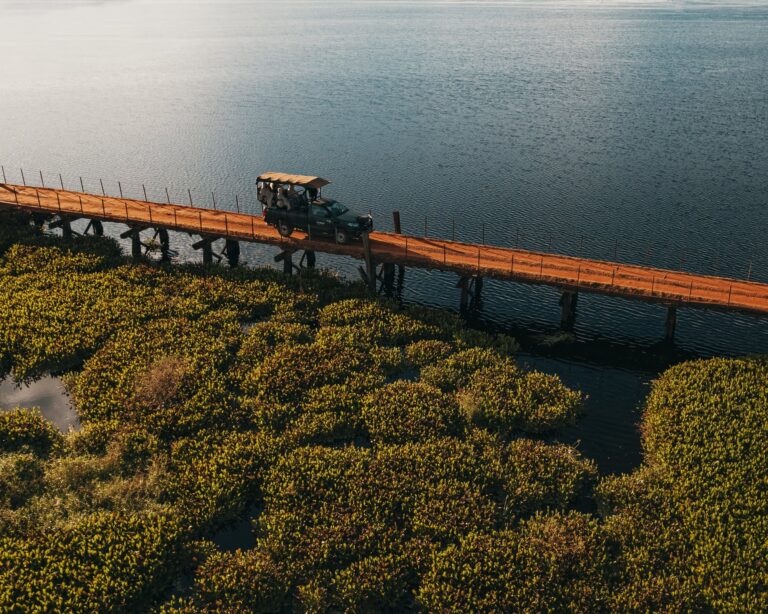
Solo Safari in the Pantanal: Andrea’s Trip to Caiman Ecological Refuge
An Australian biologist’s 5 solo days at Caiman in Brazil’s South Pantanal: a day with Onçafari’s jaguars, hyacinth macaw nests, and honest advice.
October 14, 2026
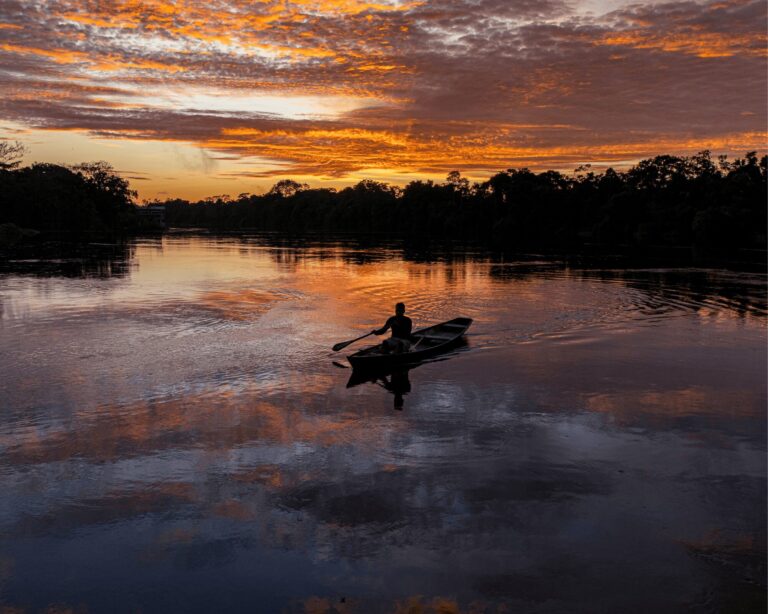
10 Tips to Make the Most of Your Amazon Tour From Manaus, Brazil
Booked an Amazon tour from Manaus in Brazil? See 10 tips to enjoy your experience, including what to eat, what to do, how to be safe, and what to avoid!
October 1, 2026
PlanetaEXO’s new mini-doc showcases ecotourism in Lençóis Maranhenses
In “Lençóis Maranhenses: Far From The Crowds, Close To What Matters”, PlanetaEXO’s mini-doc shows how ecotourism is changing life for local communities.