
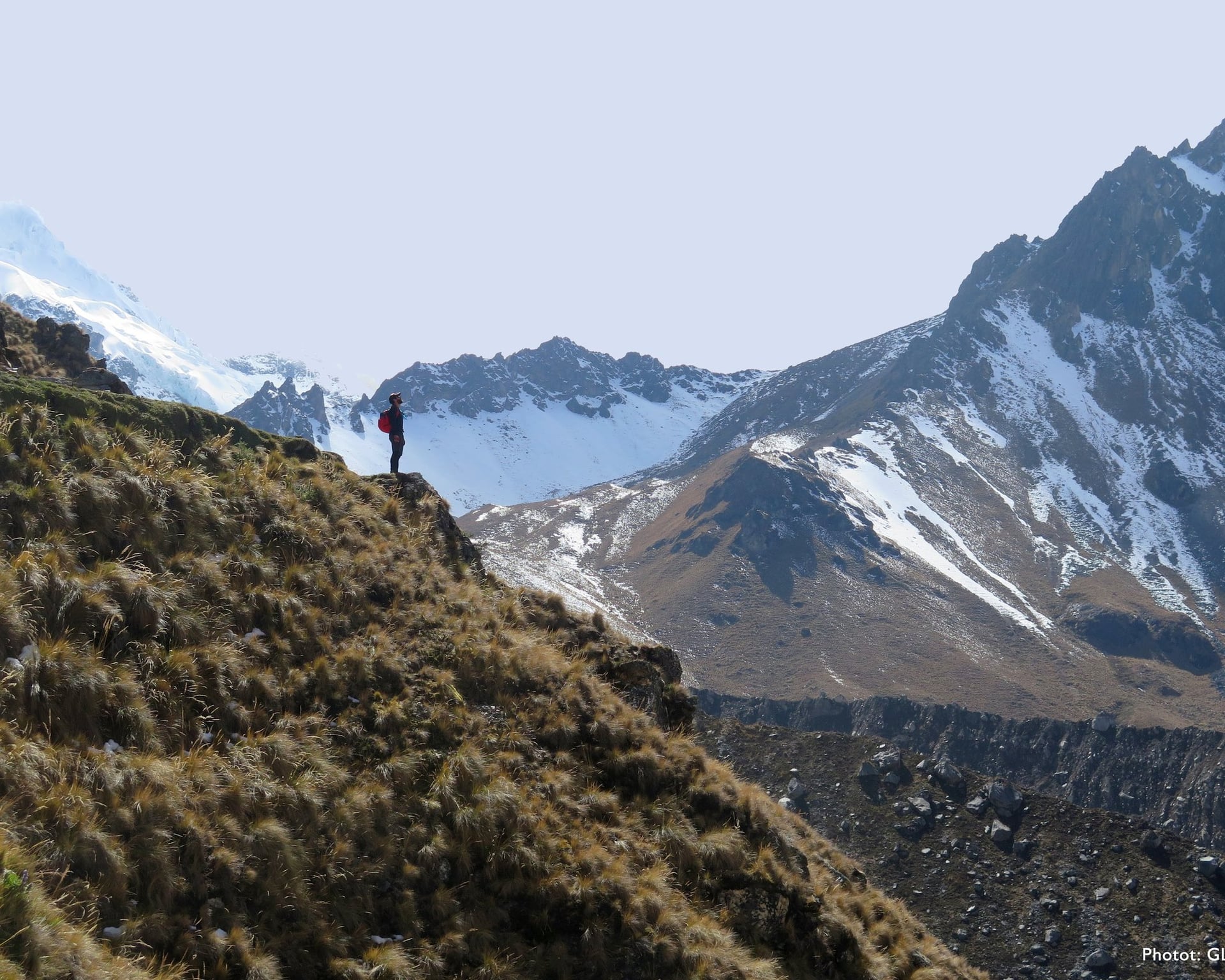
Everything you need to plan the Salkantay Trail: where it starts, what you see each day, when to go, where you sleep, and how it compares to the Inca Trail
Few treks in South America pack as much into a single route as the Salkantay Trail, in Peru. In about five days, it climbs from the farmland around Mollepata over a pass of about 4,600 meters beneath the glaciers of Salkantay Mountain and then drops into cloud forest all the way to Aguas Calientes, at the foot of Machu Picchu.
It is also the best-known way to walk to Machu Picchu without the daily permit cap of the classic Inca Trail. Want to know how hard it is, when to go, and where you actually sleep along the way?
PlanetaEXO, an ecotourism platform specializing in Salkantay Trek tours, has put together a travel guide to help you plan your next adventure. Check it out below!

About the Salkantay Trail
The Salkantay Trail is a multi-day hike that circles Salkantay Mountain, crosses the high pass at its base, and ends in the valley below Machu Picchu. Depending on the format and how much of it is done by vehicle, the walking adds up to 60 to 80 kilometers; our classic 5-day route covers about 60 km on foot.
What makes it different is the change of scenery. The first two days are high Andes, including glacial lakes, scree slopes, and snow. By day three, you are among bromeliads, fruit trees, and coffee plants.
The mountain itself matters too. Peru’s Ministry of Culture in Cusco lists Salkantay as an apu, a sacred mountain of regional rank, alongside Ausangate. You will see that respect on the trail, from the offerings left at the pass to the stories your guide tells along the way.

Is the Salkantay trek hard?
Yes. While no technical climbing skills are required, the hike is challenging due to the demanding terrain, high elevation, and long hours on foot. Hikers spend their first night near 3,900 meters and tackle a pass reaching approximately 4,600 meters on the second day. The most strenuous sections include crossing the high pass and ascending toward Llactapata.
Many who complete the trek describe it as both one of the toughest walks they have undertaken and one of the most gratifying. As long as you maintain a good level of fitness, practice walking regularly, and allow ample time to acclimate to the Salkantay trek altitude in Cusco, the experience is entirely manageable.


Where is the Salkantay Trail?
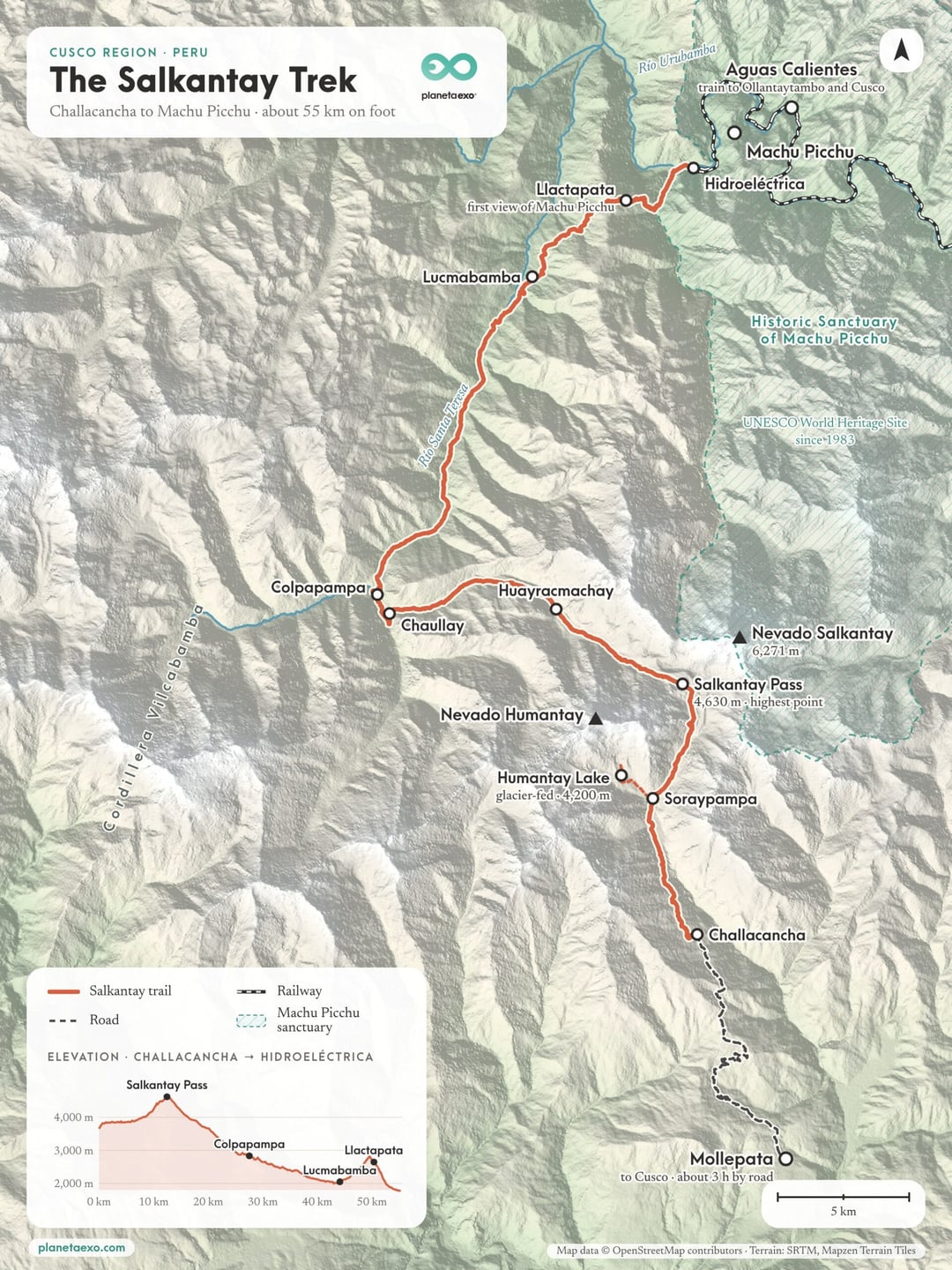
Located in southern Peru’s Cusco region, the Salkantay trek winds through the impressive mountain scenery of the Cordillera Vilcabamba as it heads toward Machu Picchu. Along this route, the glacier of Nevado Humantay feeds the famous Humantay Lake, while the high pass offers sweeping vistas of endless snow-capped peaks.
Most itineraries start near Mollepata and the trailheads of Challacancha and Soraypampa, about 3 hours by road west of Cusco. The last stretch of the route runs inside the Historic Sanctuary of Machu Picchu, a UNESCO World Heritage Site since 1983 (one of Salkantay’s glaciers lies within the sanctuary’s boundary, too).
Expect a control point before Hidroeléctrica, where the trail meets the railway to Aguas Calientes.
How to get to the Salkantay Trail
The journey begins in Cusco, located at approximately 3,400 meters elevation and served by Alejandro Velasco Astete International Airport (CUZ).
Treks typically kick off with an early morning pickup from your hotel in the city between 3 and 6 AM, followed by a scenic 2-hour drive to Mollepata for breakfast. From there, another hour along mountain roads brings you directly to the trailhead.
Because the road is quite winding, some travelers experience motion sickness during the first day’s drive. Scheduled roadwork hours may also influence exact departure times. Booking a guided trek simplifies the logistics, as the tour operator coordinates all transport schedules and manages hotel transfers seamlessly.

Acclimatization before you start
Reaching an elevation of up to 4,600 meters on Salkantay Mountain poses a challenge for travelers. To allow the body to adjust to the altitude in a healthy and gradual way, it is recommended that trekkers spend one to three days in Cusco before beginning the hike.
Our 5-day itineraries ask for at least two full days in Cusco first. If you would rather have that built in, the 8-day Salkantay Trek with the Sacred Valley includes two acclimatization days (Moray, Maras, and Ollantaytambo), and the 7-day lodge-to-lodge trek spends two nights at the first lodge.
When is the best time to walk the Salkantay Trail?
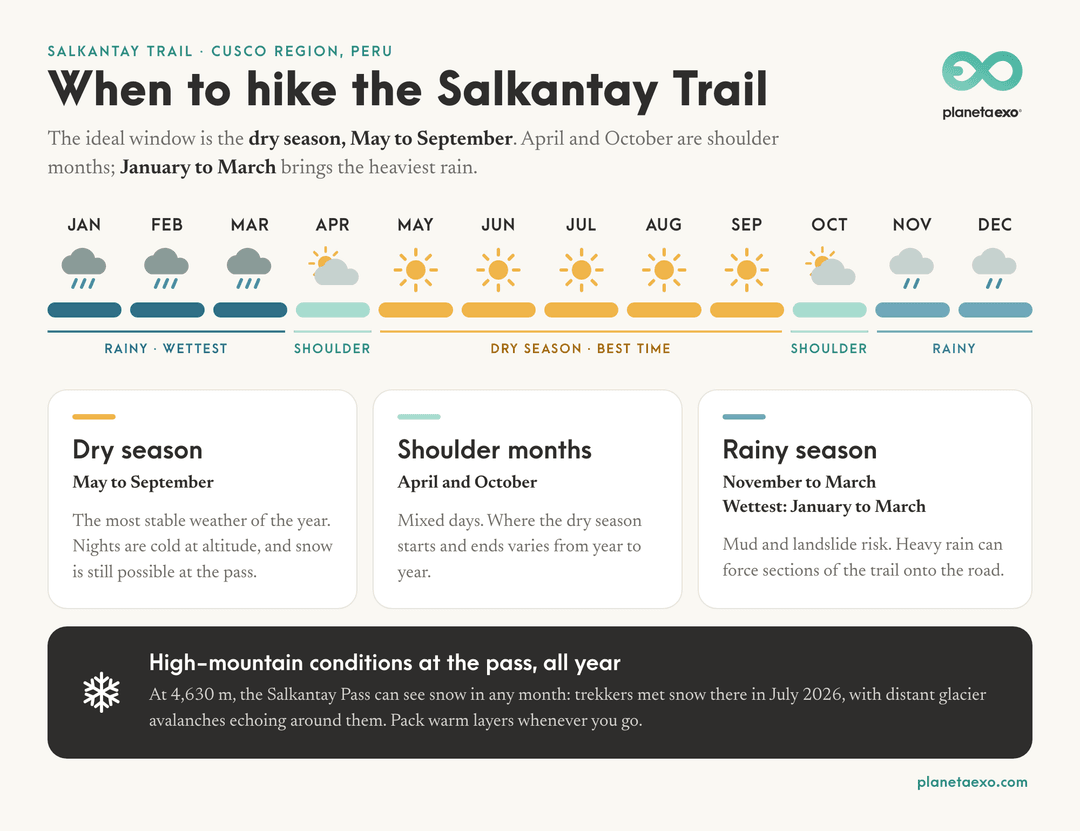
The ideal window for hiking is the dry season (May to September), with April and October serving as transitional shoulder months. Conversely, January, February, and March experience the heaviest rainfall in the Cusco region, which can trigger landslides and force trail detours onto main roads.
Keep in mind that high-mountain conditions persist year-round at the pass. Even in the middle of the dry season, trekkers have encountered snow at the pass (such as in July 2026) along with the echoes of distant glacier avalanches, so carrying warm layers is essential regardless of when you travel.
What to do on the Salkantay Trail
Humantay Lake
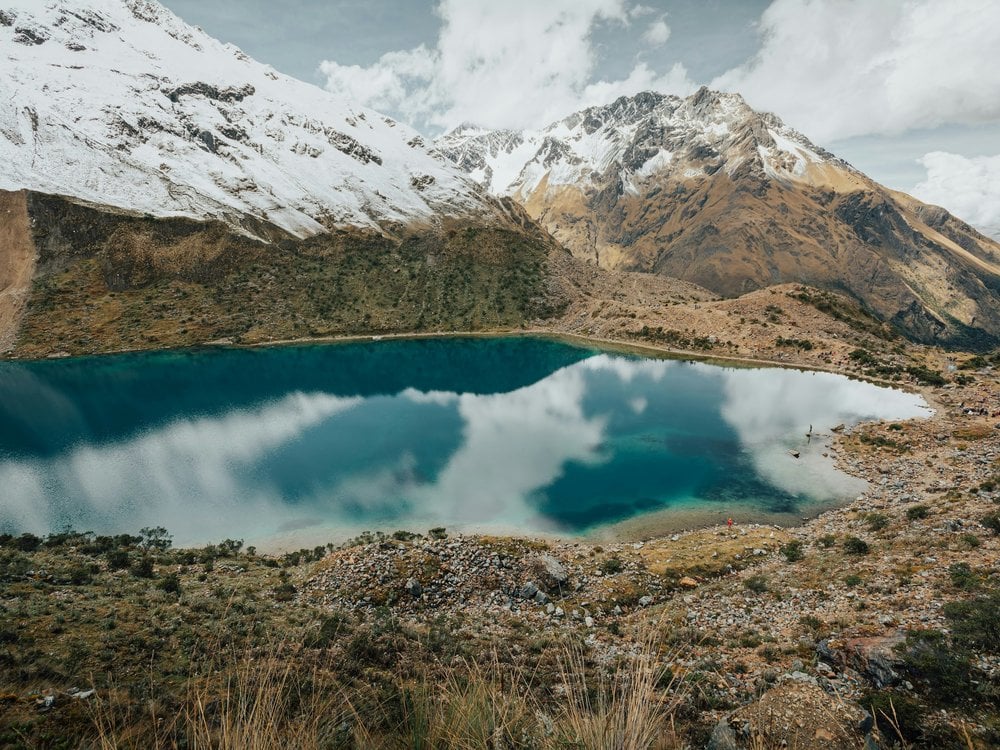
Famous for its striking turquoise color, Lake Humantay is a glacial lake situated at an altitude of 4,200 meters, nestled beneath the ice of the Nevado Humantay mountain. From Soraypampa, the ascent takes between 1 and 1.5 hours.
Due to its beauty, it is one of the most beloved attractions in the region, so expect to encounter other trekkers along its shores.
Salkantay Pass
Salkantay Pass, at an altitude of 4,600 meters, is the highest and most challenging point on the Salkantay Trail, featuring a series of switchbacks below the mountain’s summit, which rises to approximately 6,270 meters.
At the top, there is a sign covered in stickers left by hikers, as well as an apacheta, a cairn (stack of stones) where guides often place a small Andean offering for the mountain.

Inca path and cloud forest
Once past the pass, the trail drops quickly. Look closely and your guide can show you original Inca stone steps and supporting walls along the path. In just a few hours, the chilly air gives way to warm, lush humidity, surrounded by bromeliads and buzzing insects. Make sure to keep bug spray handy in your daypack!
Coffee in Lucmabamba
A hands-on coffee tour at a family-run farm in Lucmabamba is a highlight of nearly all Salkantay routes. Visitors harvest the beans, roast them over an open wood flame, and grind them to brew a fresh cup. Nearby community-led tours, managed by local women specialty coffee producers, also welcome travelers.
Cocalmayo hot springs
A relaxing soak at the Cocalmayo hot springs, located near Santa Teresa, offers a rewarding break after three full days on foot; it is available as an optional detour roughly an hour’s drive from Lucmabamba.
Llactapata
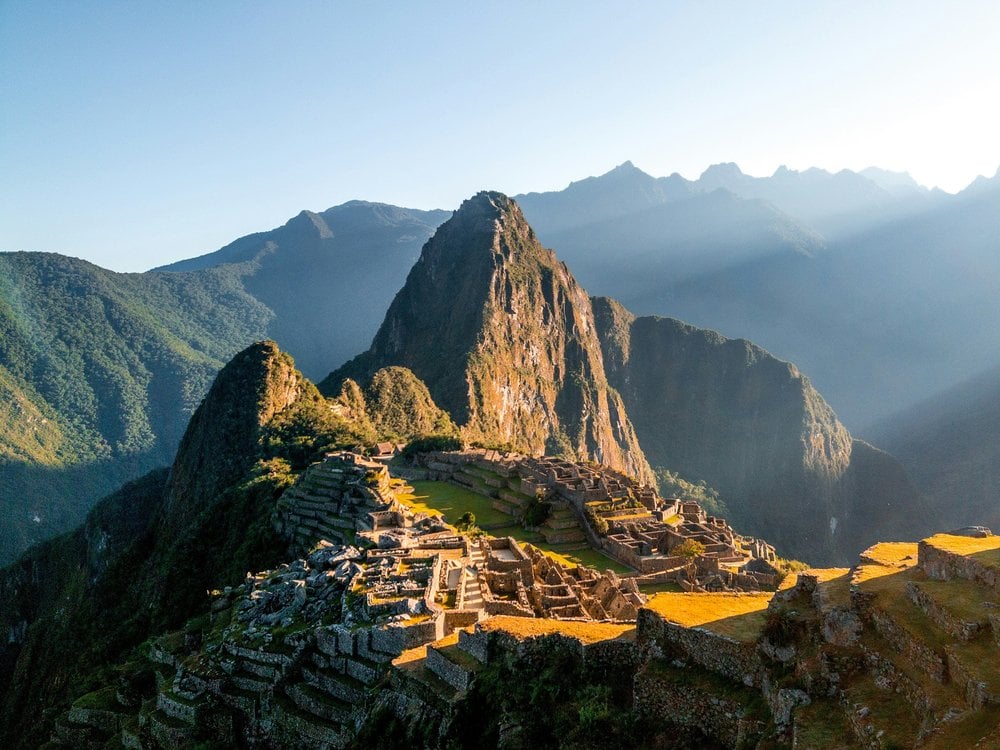
Climbing along an ancient stone path leads to the ruins of Llactapata, perched between 2,700 and 2,800 meters. Standing on this ridge across the Aobamba valley rewards you with a first glimpse of Machu Picchu and Huayna Picchu from afar, offering an unforgettable perspective hours before reaching the citadel.
After taking in the view, the Salkantay Trail descends to Hidroeléctrica, where you can hop on the local train or walk the remaining 10 kilometers beside the tracks to reach the town of Aguas Calientes.


Machu Picchu
Trekkers spend the night in Aguas Calientes and visit Machu Picchu (2,430 meters) with a guide after completing the Salkantay trek.
On PlanetaEXO itineraries, the package includes entrance tickets, bus transfers to the citadel, and guided tours.
Where to stay while trekking the Salkantay Trail
On the classic route, you do not need a tent: there are cabins, huts, and domes at almost every stop. A typical 5-day trek looks like this:
- Night 1, Soraypampa (about 3,900 m): a cabin or a sky-view dome. This is the coldest night of the Salkantay trek, with temperatures that usually drop below 0°C. No showers on most tours.
- Night 2, near Chaullay (about 2,950 m): a real bed and the first hot shower.
- Night 3, Lucmabamba: wooden domes in the forest, warm enough that some hikers skip the sleeping bag.
- Night 4, Aguas Calientes: a hotel at the foot of Machu Picchu.
For more comfort, the lodge-to-lodge Salkantay trek spends 5 nights in 4 mountain lodges between 2,135 and 3,906 meters, each with hot showers, goose-down bedding, and an outdoor hot tub.


Salkantay Trek vs. Inca Trail: Which one is right for you?
Both routes end at Machu Picchu, but they are different trips. Here is how they compare:
| SALKANTAY TREK | INCA TRAIL | |
|---|---|---|
| Permits | No daily permit cap; hikers pay a small entry fee (around 20 soles) for Humantay Lake and the Salkantay area. | Daily permit cap that often sells out months ahead. |
| Altitude | The Salkantay Pass is roughly 400 meters higher. The route is also longer. | Tops out at about 4,200 meters. |
| Inca ruins | The Inca remains come near the end, at Llactapata. | Passes more archaeological sites along the way. |
| Arrival | The Salkantay Trail ends in Aguas Calientes, allowing visitors to explore Machu Picchu (usually the next day). | The only route that enters Machu Picchu through the Sun Gate (Inti Punku). |
| Where you sleep | Cabins and domes, mountain lodges, or camping. | Camping only. |
Want both? The off-the-beaten-path Salkantay route concludes along the initial segment of the Inca Trail, passing the historical sites of Paucarcancha and Patallacta. Alternatively, the 5-Day Ancascocha Trek and Short Inca Trail to Machu Picchu connects a peaceful mountain trail with the condensed Inca Trail experience.


How many days do you need for the Salkantay Trail?
The classic format for the trek is 5 days long, consisting of four days of hiking, with the final day spent at Machu Picchu. There are also 4-day versions that cover part of the route by vehicle, as well as lodge-to-lodge versions of 7 days that include a full day at Humantay Lake and slower stages.
Our Salkantay trips come in 3 days (a short lodge stay with the pass and Humantay Lake, returning to Cusco), 5 days (the classic route or the off-the-beaten-path route), 7 days (lodge to lodge) and 8 days (the classic route with two acclimatization days in the Sacred Valley).


Best Salkantay Trail tours
PlanetaEXO offers various itineraries that allow you to explore the Salkantay Trek in an authentic and sustainable way. See them below:
| TOUR | HIGHLIGHTS | DURATION | STARTING PRICE* |
|---|---|---|---|
| 5-day Salkantay Trek: The Classic Route to Machu Picchu | Humantay Lake, the Salkantay Pass, coffee tour in Lucmabamba, Llactapata, train to Aguas Calientes, guided Machu Picchu; no tents. | 5 days | US$ 690 |
| 8-day Salkantay Trek to Machu Picchu with the Sacred Valley | Two acclimatization days with Moray, Maras, and Ollantaytambo, then the classic route. | 8 days | US$ 1,090 |
| Off the Beaten Path Salkantay Trek: 5 Days to Machu Picchu | South and east faces of Salkantay, Cruzjasa Pass, Paucarcancha, and Patallacta, first section of the Inca Trail; camping. | 5 days | US$ 1,290 |
| 7-Day Luxury Salkantay Trek to Machu Picchu | 4 mountain lodges with hot tubs, Camino Real, a full day for Humantay Lake, Pachamanca lunch, Llactapata. | 7 days | US$ 3,650 |
| 3-Day Salkantay Hike: Lodge Stay and Humantay Lake | 2 nights at a mountain lodge in Soraypampa, the Salkantay Pass round trip, Humantay Lake; returns to Cusco. | 3 days | US$ 595 |
*Starting prices per person as shown on each tour page in November 2026; subject to change. Prices may vary depending on season and availability.
Is the Salkantay Trail worth it?
Yes! Hikers often describe it as both the most stunning trek of their lives and one of the most grueling. For many travelers who choose it over the Inca Trail, choosing Salkantay turns out to be the highlight of their journey.
Beautiful glacier lakes, a high mountain pass at roughly 4,600 meters, vibrant coffee plantations, and an initial distant view of Machu Picchu are all packed into a single route of about five days.

Hiking the Salkantay Trail with PlanetaEXO
Now that you know how the Salkantay Trail works, from the climb to Humantay Lake to the first view of Machu Picchu from Llactapata, it is time to choose your route!
PlanetaEXO is an ecotourism platform specializing in Peru tours. We work with the best local operators in Cusco to organize your entire trekking experience, from hotel pick-up to the guided visit of the citadel. Contact us now!
Keep reading
November 4, 2026
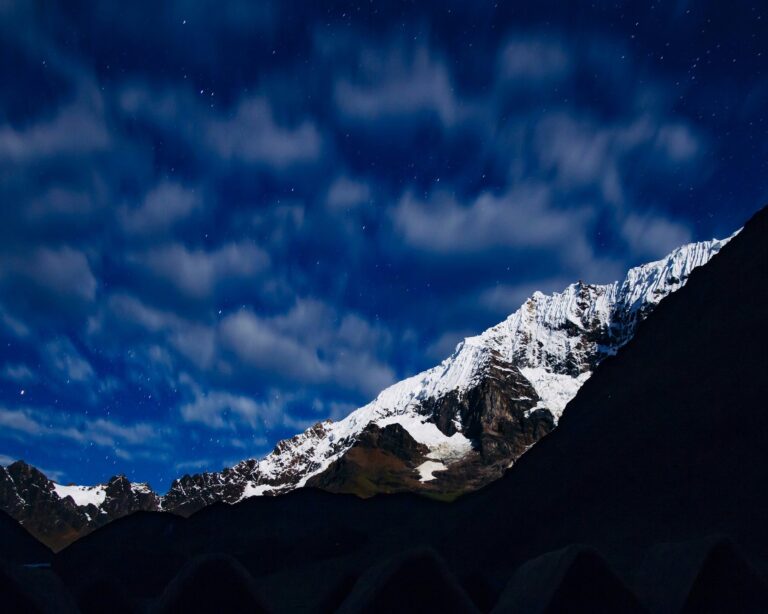
10 Facts About Salkantay Mountain, the Sacred Peak on the Way to Machu Picchu
A sacred Andean apu, South America’s only bear, breathtaking glaciers, and a hidden view of Machu Picchu. Learn 10 facts about Salkantay Mountain!

November 6, 2026
15 Galapagos Islands Animals and Where to See Them
Discover the most fascinating facts about the animals in Galapagos, from giant tortoises to whale sharks, and where you can spot them during your trip!
November 5, 2026
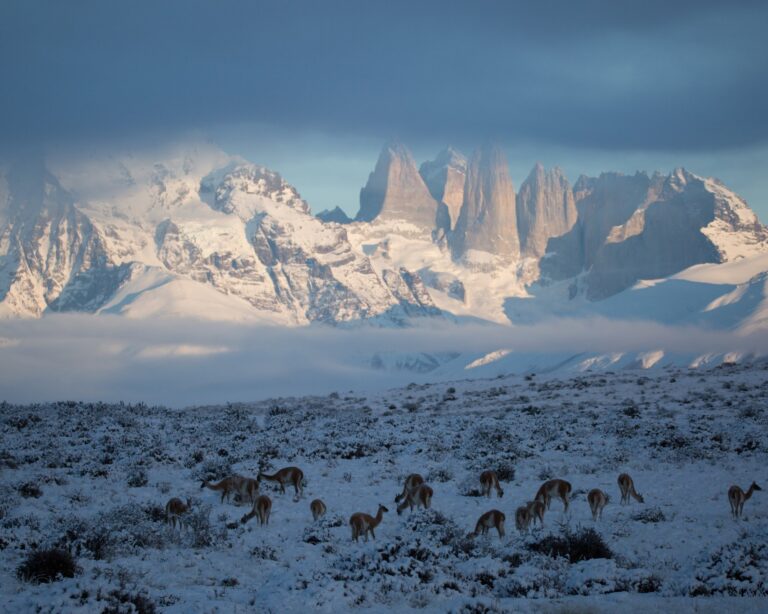
Best Time to Visit Patagonia: Torres del Paine Month by Month
The best time to visit Torres del Paine in Chilean Patagonia, month by month, with daylight, temperatures, wind, and park rules for the W and O treks.