
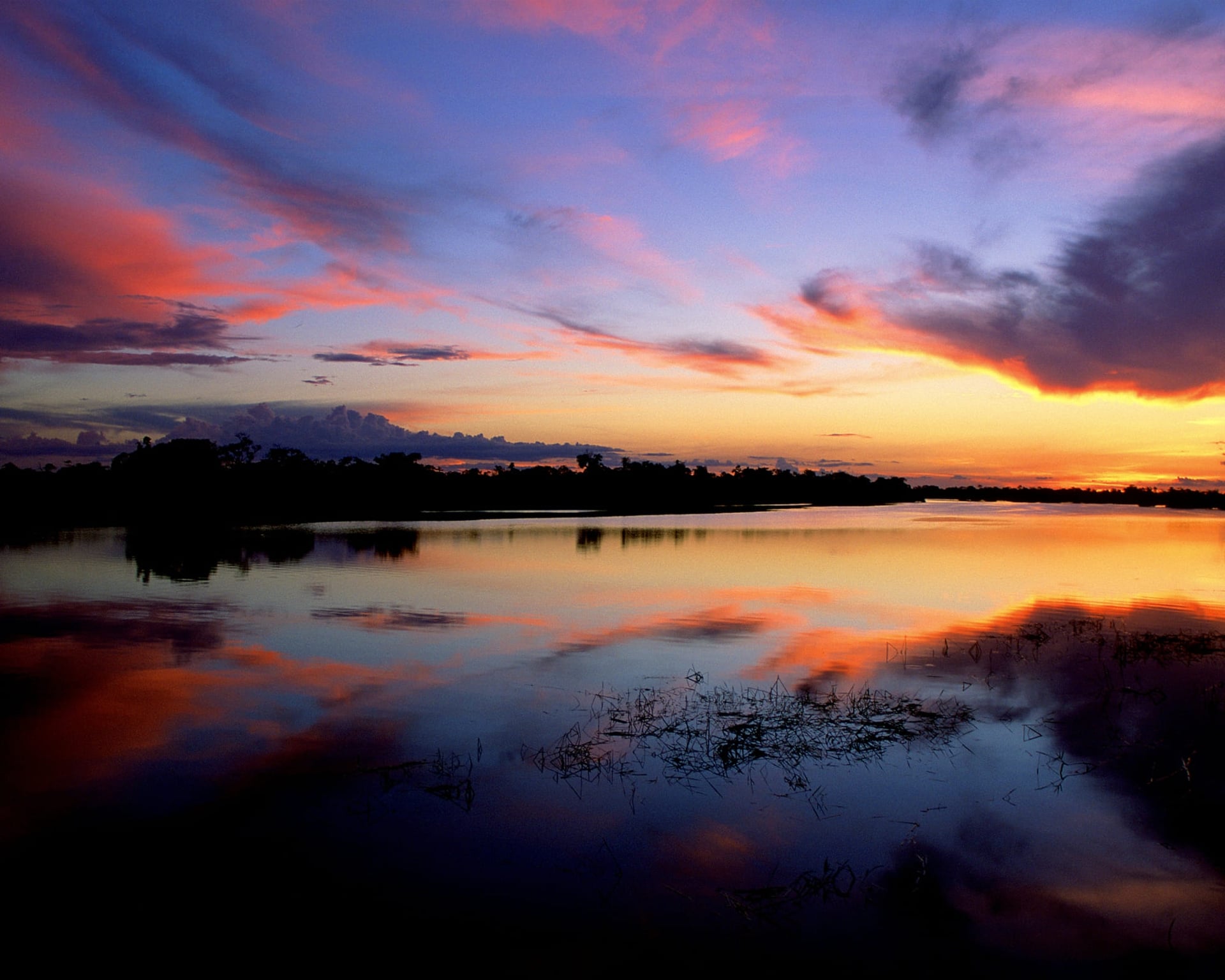
Discover Jaú National Park in Brazil, one of the largest protected areas of the Amazon, including its locations, history, culture, wildlife, and much more!
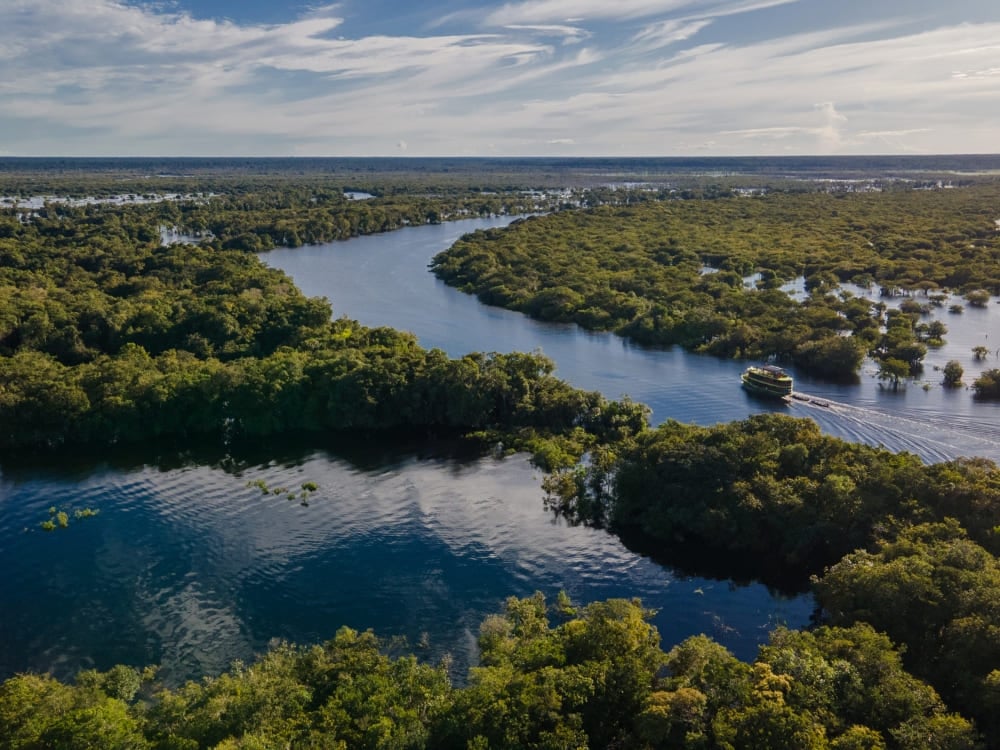
Jaú National Park covers an impressive area of 2.27 million hectares in the middle of the Amazon Rainforest, protecting the entire basin of the Jaú River, a blackwater tributary of the Rio Negro.
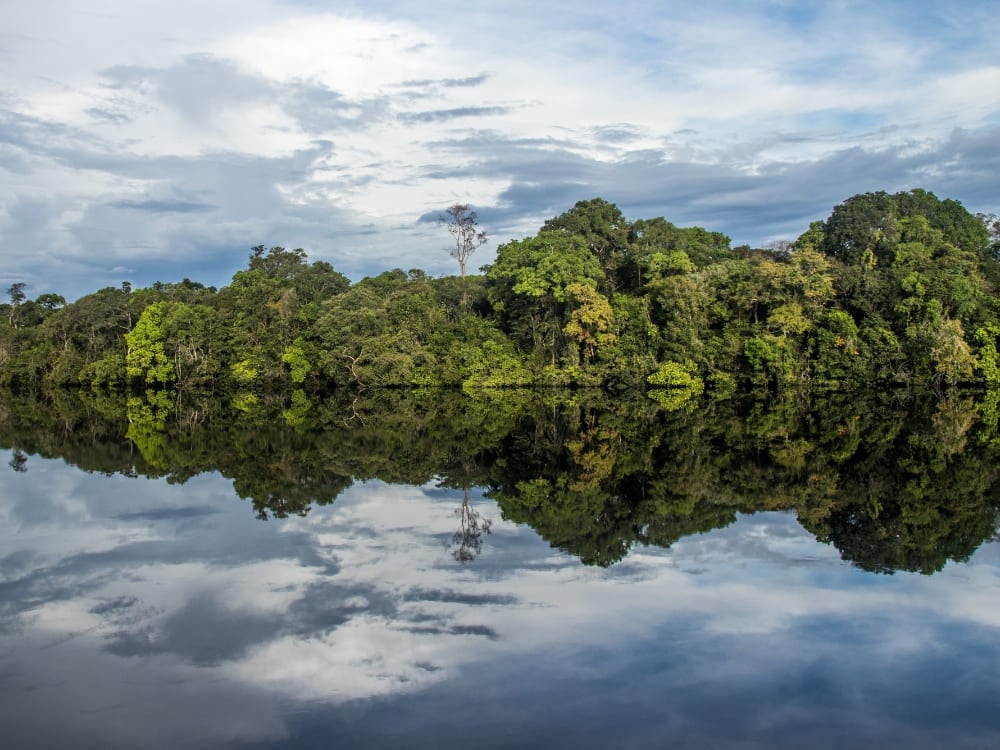
As the fourth largest forest reserve in Brazil and the third largest park in the world with intact tropical rainforest, Jaú preserves flooded forests and rare ecosystems that shelter incredible biodiversity. Its dark rivers reflect the sky and forest like a mirror, creating ever-changing landscapes through the seasons.
Curious to learn more about it? PlanetaEXO, an ecotourism platform specializing in Amazon Rainforest tours in Brazil, has put together a comprehensive guide about Jaú. Check it out below!
The History of Jaú National Park
Jaú was created in September 1980 to protect one of the largest blackwater river basins in the world. Its name comes from the jaú fish, a giant catfish species that inhabits these rivers.
The park holds archaeological sites and ancient petroglyphs carved into rocks—evidence of human presence in the Amazon for thousands of years. These traces highlight the cultural importance of the area alongside its natural wealth.
Today, it stands as a global symbol of Amazonian conservation, preserving ecosystems essential to biodiversity and climate balance while protecting valuable cultural heritage.
Global Ecological Relevance
Since 2000, Jaú National Park has been a UNESCO World Heritage Site as a core area of the Central Amazon Conservation Complex, which is formed by Jaú, Anavilhanas National Park, Amanã Sustainable Development Reserve, and Mamirauá Sustainable Development Reserve.
It is also considered a biosphere reserve (an international designation by UNESCO for areas that balance the conservation of biodiversity with sustainable human development) and a Ramsar Site (a wetland designated to be of international importance under the Ramsar Convention, an intergovernmental environmental treaty signed in Iran in 1971).
Where is Jaú National Park located?
Jaú is located between the municipalities of Novo Airão and Barcelos, in Amazonas, in the north of Brazil. The park entrance is approximately 220 km from Manaus, the state capital.
How to get to Jaú National Park?
The starting point for any visit is Manaus, the main gateway of the Brazilian Amazon. From there, travelers join guided tours that take them directly to Novo Airão and the protected area of Jaú.
From Manaus, you need to drive along highways AM-070 and AM-352 to Novo Airão (2–3 hours). Then, travelers must continue along the Rio Negro by speedboat or motorboat for another 1–2 hours.
Due to the demanding route and the mandatory authorization to enter the park, it is recommended that travelers hire duly accredited tour operators to provide all transportation logistics, such as PlanetaEXO.
👉 Read more: How to get to the Amazon Rainforest in Brazil
Best Time to Visit Jaú National Park
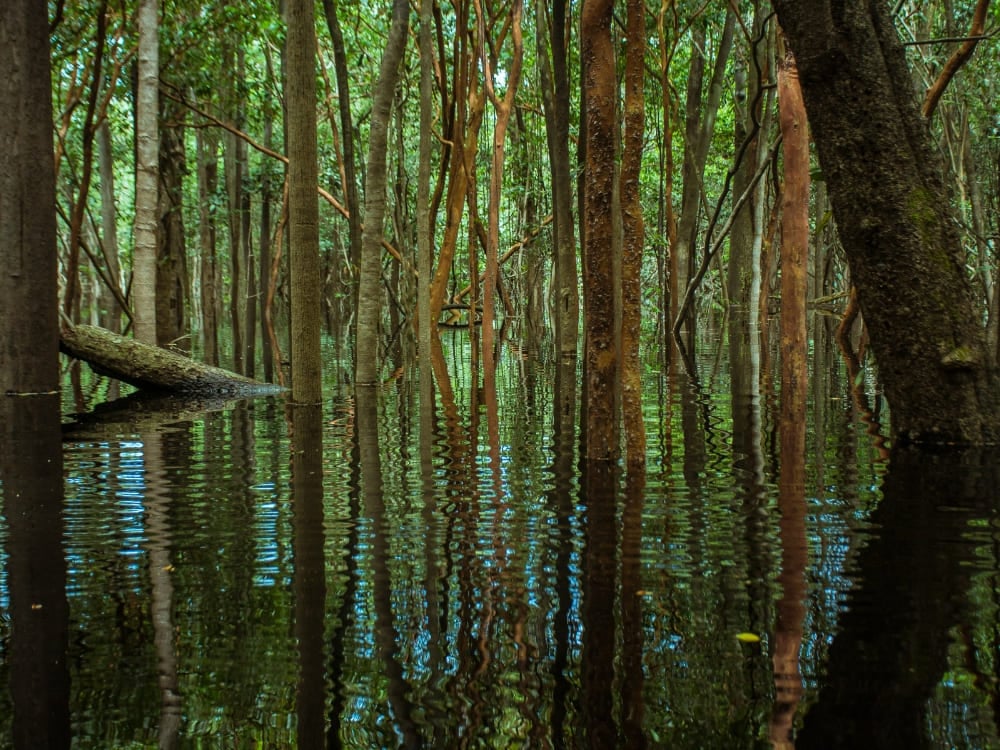
The Amazon Rainforest has two main seasons that shape every experience in the forest. Between March and August, rivers rise and form the igapós (flooded forests). Great time for canoeing across the flooded areas and wildlife watching!
From September to February, the waters recede and sandy beaches appear along the Rio Negro and its tributaries. Trails become more accessible, allowing visitors to reach waterfalls and rocky formations such as those in the Carabinani River.
Each season offers unique perspectives. Whether you prefer paddling among submerged forests or hiking to waterfalls and ancient caves, your choice depends on your travel style.
👉 Read more: Best time to visit the Amazon Rainforest
Fauna, Flora and Protected Systems
According to IPHAN (Brazil’s National Institute of Historical and Artistic Heritage), Jaú is home to around 400 types of plants, including species that only grow in flooded areas, such as macaricuia and mucucu do igapé. Throughout its territory, there are also açaí and Brazil nut trees.
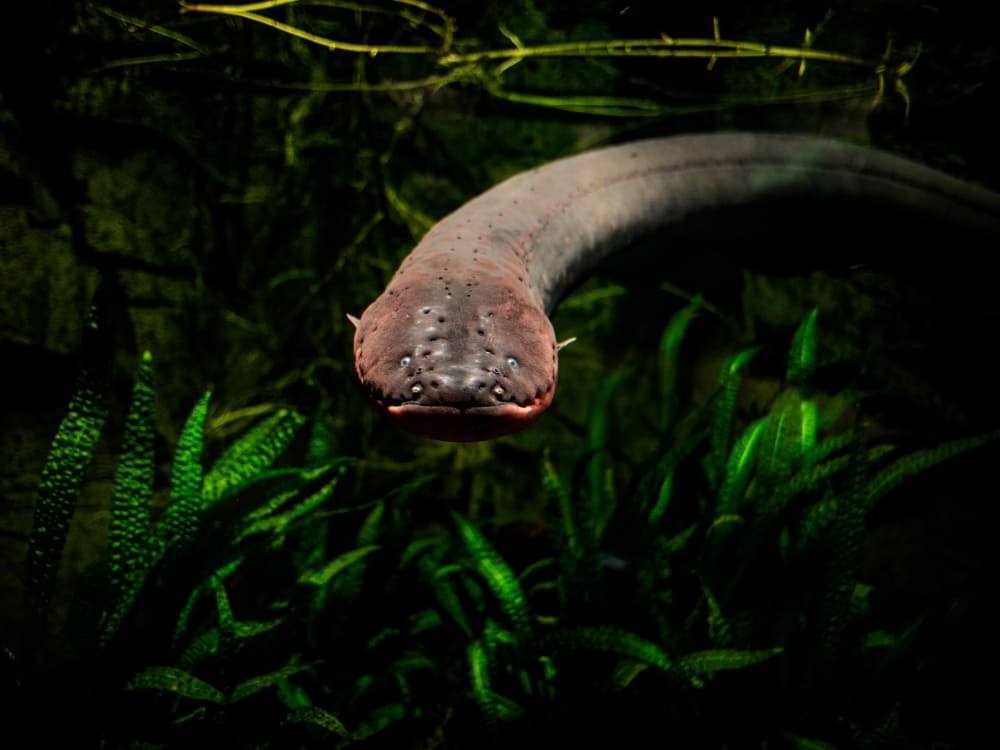
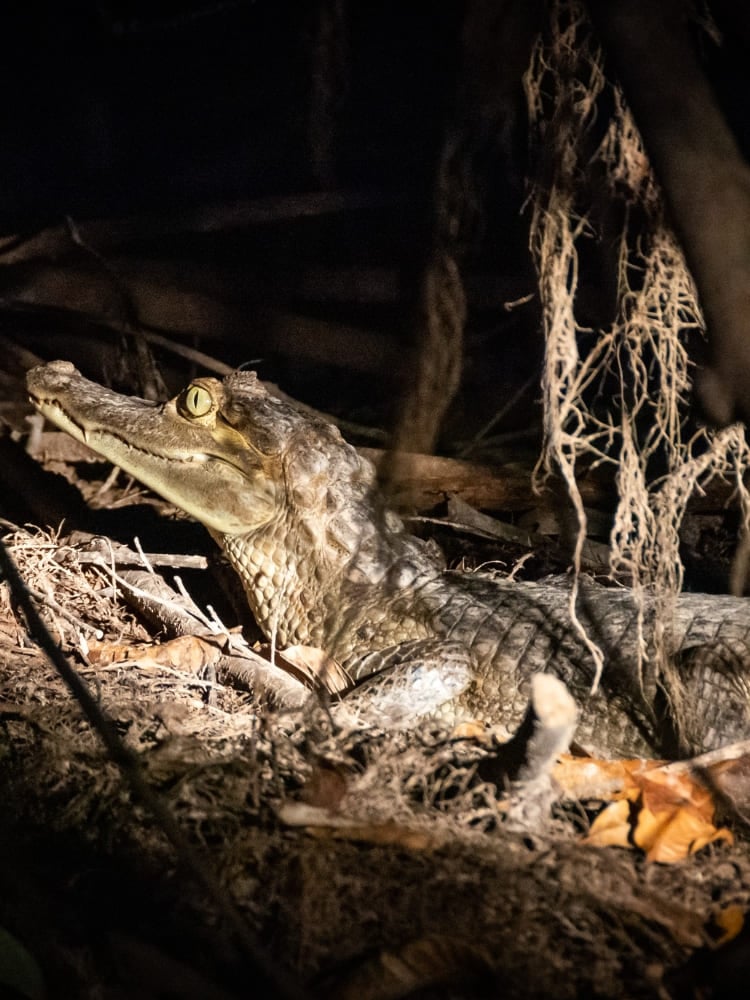
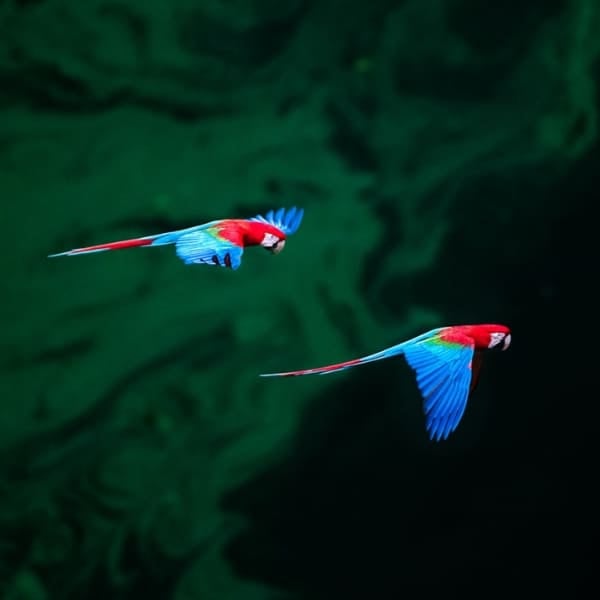
The animals in Jaú National Park are equally diverse. The park has the largest variety of electric fish in the world, which are part of the 263 species of fish officially cataloged in the region. Other notable animals are the Amazonian manatees, black caiman, harpy eagles, giant otters, pink river dolphins, jaguars, etc.
As part of Ibama’s Parks and Reserves Project—an initiative that seeks to promote sustainable development plans led by the Brazilian Institute of Environment and Renewable Natural Resources—Jaú is the geographic center of the Amazon Ecological Corridor.
👉 Read more: Best Brazil Wildlife Tours and Destinations
Fun Facts About Jaú National Park
Explore more fascinating details about Jaú National Park that illustrate why it is ranked among the Amazon’s most enchanting destinations:
- Size: With 2.27 million hectares, Jaú is the largest national park in the Brazilian Amazon. To put it in perspective, it is larger than Wales, El Salvador, and Slovenia.
- Exploration style: The only way to visit responsibly is through organized expeditions, mainly small-group cruises that ensure safety and sustainability.
- Diversity of experiences: In a single trip, you can visit caves formed 700 million years ago, swim in blackwater rivers, join night safaris, and interact with riverside and indigenous families.
What to Do in Jaú National Park
Activities inside Jaú are always led by experienced guides and designed to respect conservation rules. Instead of mass tourism, visitors join small-group expeditions that highlight both nature and culture.
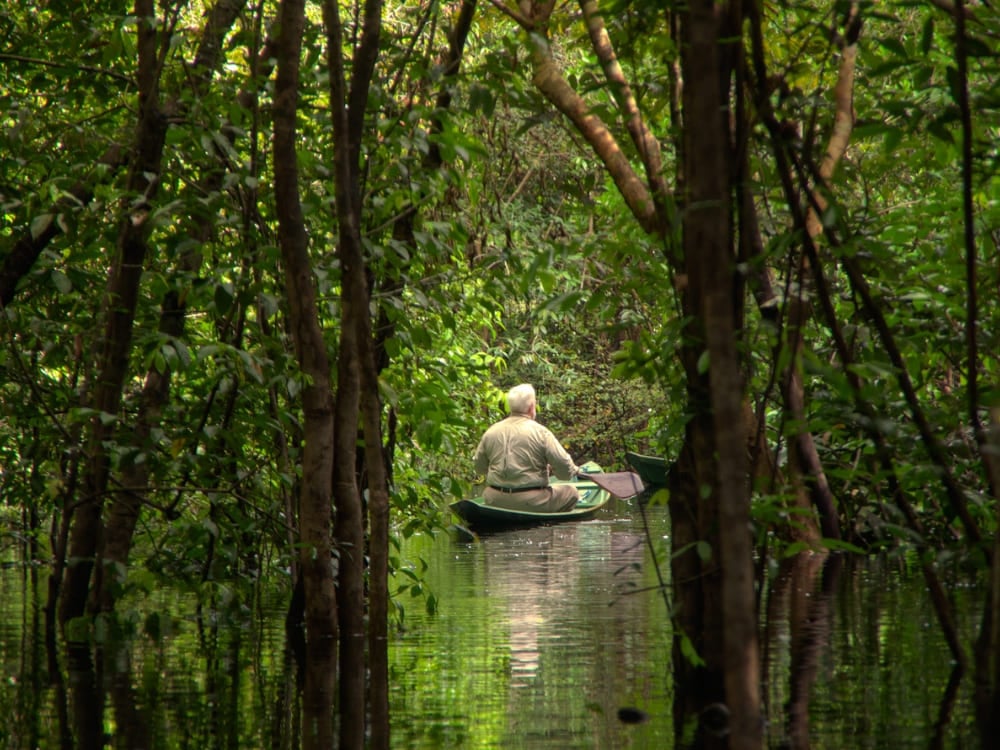
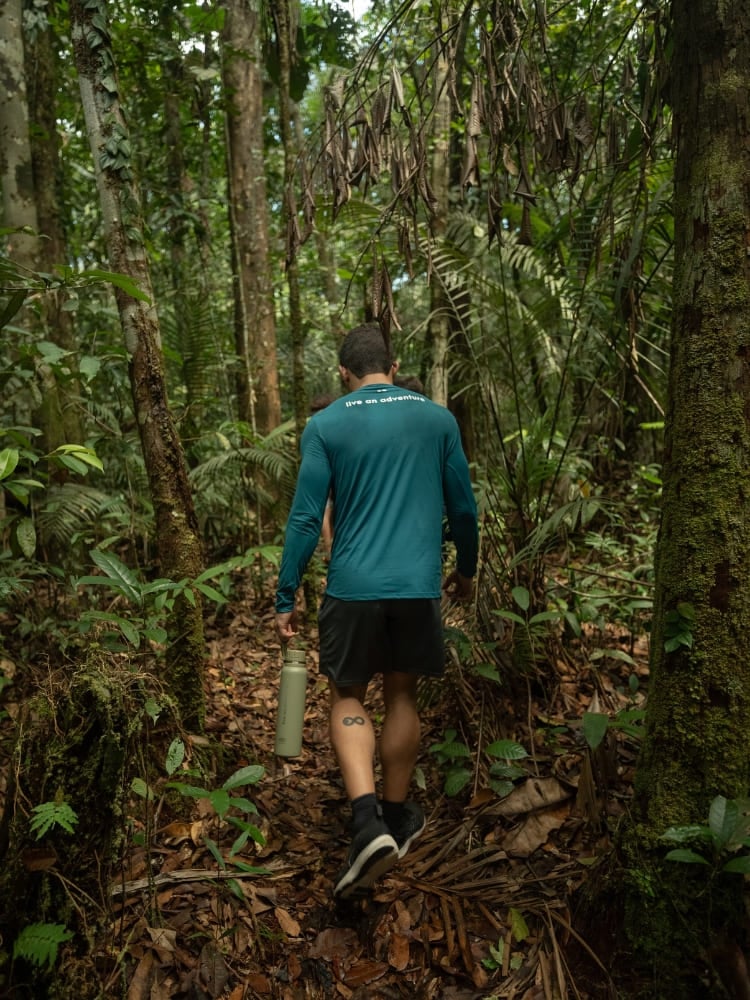
One of the main activities is canoeing through blackwater rivers and igapós. Here, travelers may spot giant river otters, exotic birds, or even caiman during night excursions. Hiking trails are also part of the itineraries, offering the chance to walk under the forest and learn more about native plants and animals.
Another unforgettable experience is visiting the Aturiá community. Guests interact with local families, taste seasonal fruits, and learn about daily life in the Amazon. Combined with refreshing swims in natural pools and waterfalls, these moments reveal just how diverse the forest is.
👉 Read more: Best Amazon Jungle Lodges in Brazil
Katerre Expedition
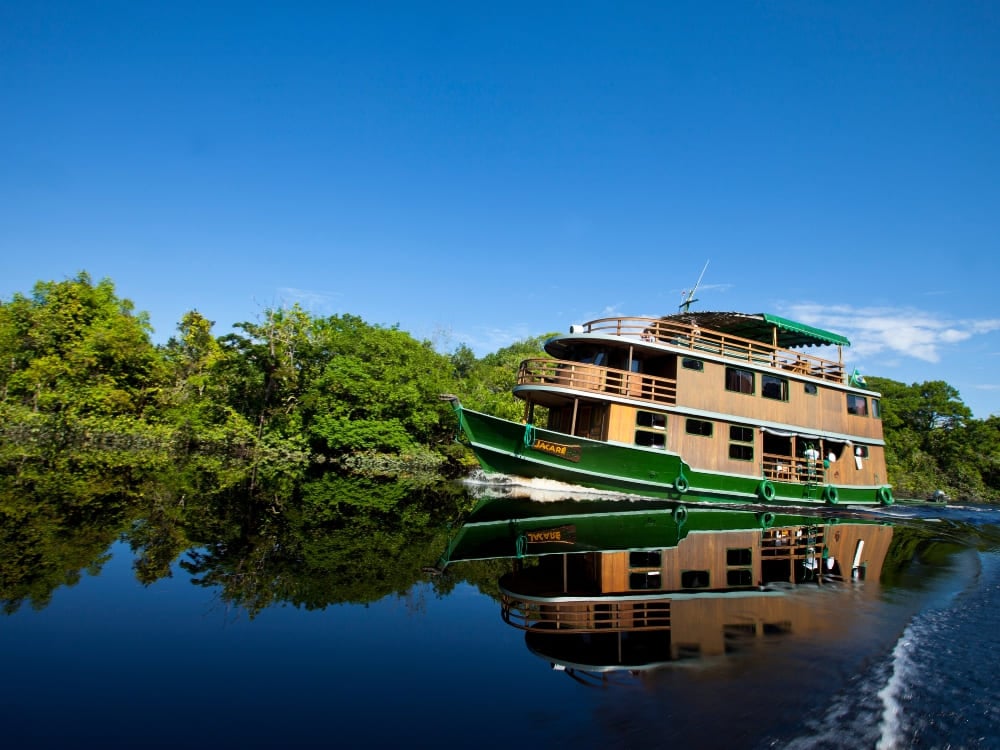
The Katerre Expeditions are the most complete way to explore Jaú and its surroundings. Operated on comfortable boats with rustic designs and three decks, these river cruises combine adventure with all-inclusive service.
- 5-day Amazon River Cruise in Brazil: This journey takes travelers from Novo Airão through Anavilhanas National Park and deep into Jaú. Highlights include hikes to the Madadá Caves, canoe trips, wildlife observation, cultural exchanges with local communities, and nighttime canoe trips.
- 7-day Amazon Cruise Trip in Brazil: Expanding the experience, it includes the Meeting of Waters in Manaus, visits to Velho Airão (a historic abandoned settlement), petroglyphs, and more days inside Jaú. Travelers enjoy birdwatching, cultural immersion in riverside villages, and forest hikes to giant kapok trees.
Both options are small-group expeditions with a maximum of 16 passengers. As a result, each journey offers an intimate and authentic way to experience the park.

👉 Read more: Best Amazon River Cruises in Brazil
Traveling to Jaú National Park with PlanetaEXO
Choosing PlanetaEXO, an ecotourism platform specializing in Amazon Rainforest tours in Brazil, means traveling with purpose. Every expedition is organized in partnership with local operators, ensuring that the economic benefits stay in the community while respecting environmental standards.
The expeditions balance comfort and authenticity, with boats and lodges designed for immersive experiences and itineraries that highlight both nature and culture. By joining one of these journeys, you live the vacation of your dreams and directly support projects that protect wildlife and strengthen community-based tourism. Contact us now!
Keep reading
June 25, 2026
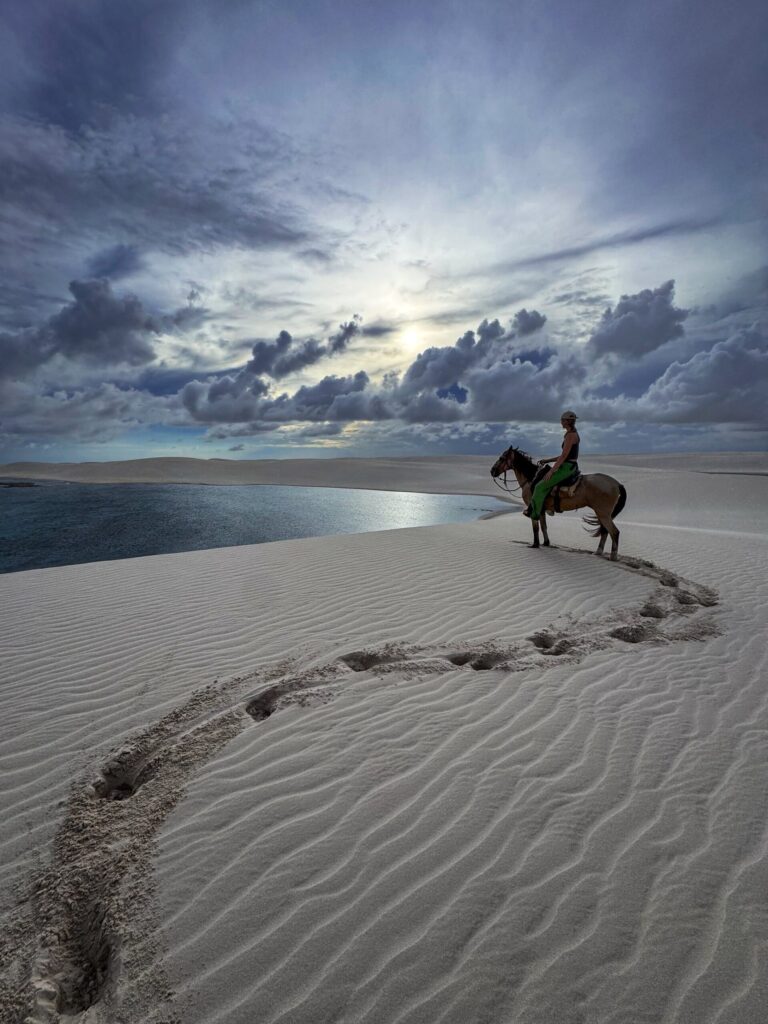
Crossing Lençóis Maranhenses on Horseback: Patricia’s Solo Adventure in Brazil
Patricia crossed Lençóis Maranhenses on horseback, solo. Her 4-week Brazil story: endless dunes, a guide with no GPS, and real disconnection.
June 1, 2026
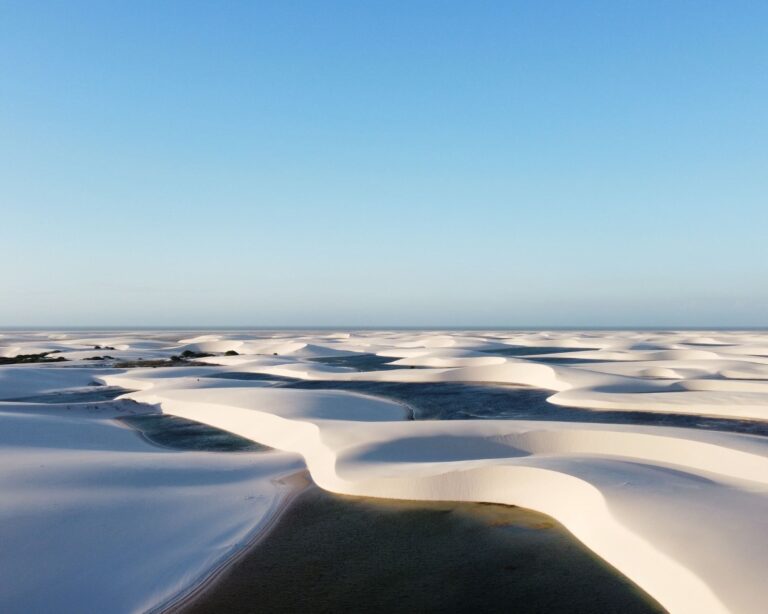
How to visit the Lençóis Maranhenses National Park: Travel Guide
Learn everything you need to know to travel to Lençóis Maranhenses in Brazil, including how to get there, the best time to visit, main activities, and more! Are you seeking adventure, relaxation, and breathtaking views? Then you should head to Lençóis Maranhenses National Park, a vast expanse of undulating sand dunes and crystal-clear pools that […]
May 22, 2026
Route of Emotions in Brazil: itinerary, map, and best time to visit in 2026
Map, how many days you need, and how to travel the route that connects Lençóis Maranhenses (MA), Delta do Parnaíba (PI), and Jericoacoara (CE) The Route of Emotions is the tourist itinerary that links three of the most sought-after destinations in northeastern Brazil: Lençóis Maranhenses (MA), Delta do Parnaíba (PI), and Jericoacoara (CE). It spans […]