
Learn everything you should know for a safe trip to Venezuela and a smooth trek across Mount Roraima
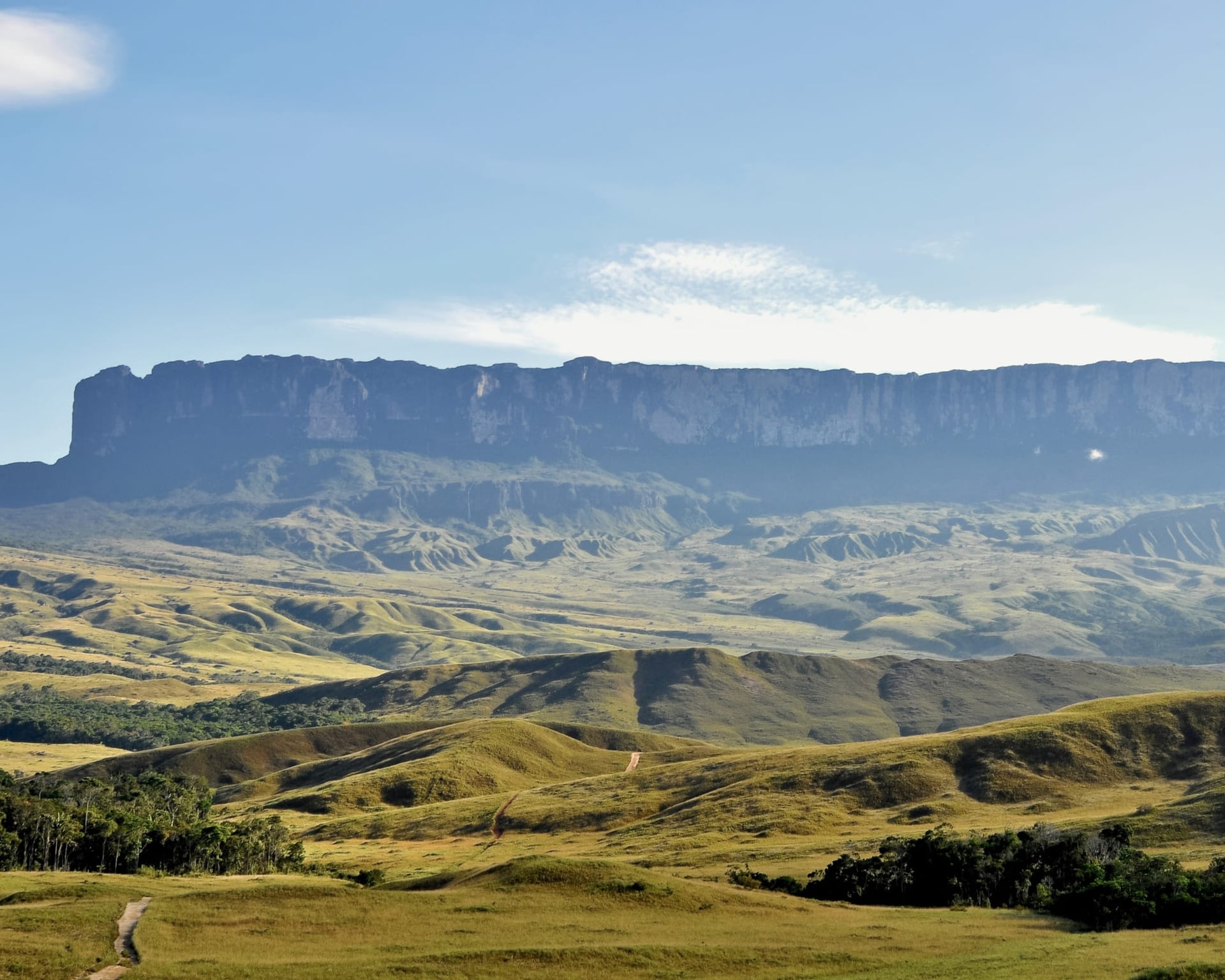
Mount Roraima is the best known of the tepuis, the flat-topped table mountains that rise from the savannah where Brazil, Venezuela, and Guyana meet. Its sandstone plateau has stood for close to 2 billion years, and its summit reaches 2,810 meters (9,219 feet), making it Brazil’s 8th highest peak. About 85% of it sits inside Venezuela, which is behind most of the questions travelers have before they book.
So, is Mount Roraima dangerous? Not in the way the rumors suggest. The real dangers are the cold, the high plateau, rugged terrain, remoteness, and the Venezuelan border—not crime or wild animals. As long as you do it the right way, your travel experience has no reason to be a problem.
PlanetaEXO, an ecotourism platform specializing in Mount Roraima tours, has put together this guide to help ease your worries. Check it out below!
Approach from Boa Vista, on the Brazilian side
The plateau can technically be reached through Venezuela, flying into Caracas and traveling overland, but almost nobody does.
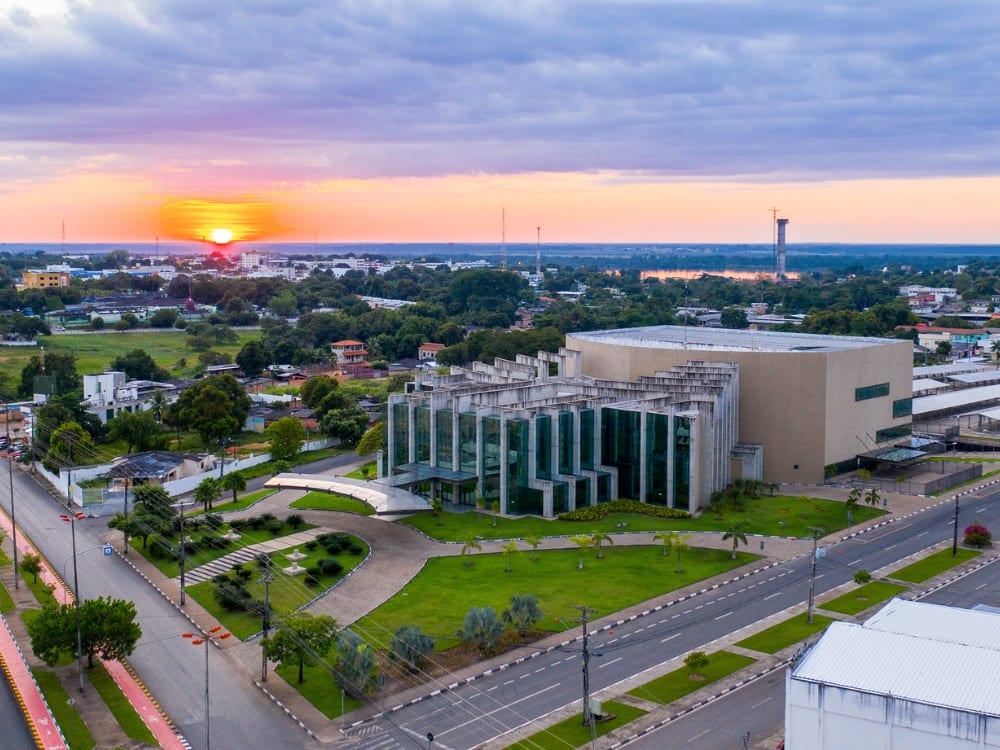
Brazil’s Roraima route is simpler, better serviced, and far less exposed. Boa Vista is a calm regional capital with daily flights and proper infrastructure, and the drive north on the BR-174 is straightforward.
But is it safe to travel to Venezuela at all? This is the reassuring part. Since the Brazil–Venezuela border reopened in 2022, a dedicated tourist corridor lets groups with the correct permits reach the trailhead without passing through the parts that advisories warn about.
👉 Read more: How to get to Mount Roraima?
Respect the rules on both sides of the border for a smooth Roraima trip
Since the Mount Roraima trek crosses into Venezuela, you deal with two sets of border rules. A valid passport is required for every nationality, Brazilians included, valid for at least six months beyond your entry date.
Visa requirements vary: EU, UK, and most Latin American citizens enter Venezuela visa-free for tourism, while others, including U.S. and Canadian citizens, need a visa arranged in advance for Venezuela’s Roraima crossing.
To have a safe trip to Venezuela, you should be aware of some restrictions. The U.S. Department of State rates the country “Level 3: Reconsider Travel” (its June 2026 update, eased from “Level 4: Do Not Travel”) and keeps a stricter warning on specific regions such as the Colombia border and Amazonas state, not the Gran Sabana corridor used to reach Roraima.
This is where the tourist corridor matters. Since 2022, a dedicated, permit-controlled corridor connects the Brazilian border to Paraitepuy, so travelers move through a monitored route rather than the open country. Your time in Venezuela is short, guided from start to finish, and spent in the peaceful Gran Sabana, well away from the flagged areas.
If you’re wondering if it’s safe to go to Venezuela for the Mount Roraima hike, the answer is yes, as long as you properly plan your trip: stay on the tourist corridor and check your own government’s current travel advisory before you book, as the situation can change.

👉 Read more: Do I need a Visa to visit Mount Roraima in Venezuela?
Trek with experienced, qualified guides and a reputable operator
Choosing a qualified guide and a trusted tour operator is your single most critical safety choice—and for Mount Roraima, it is mandatory.
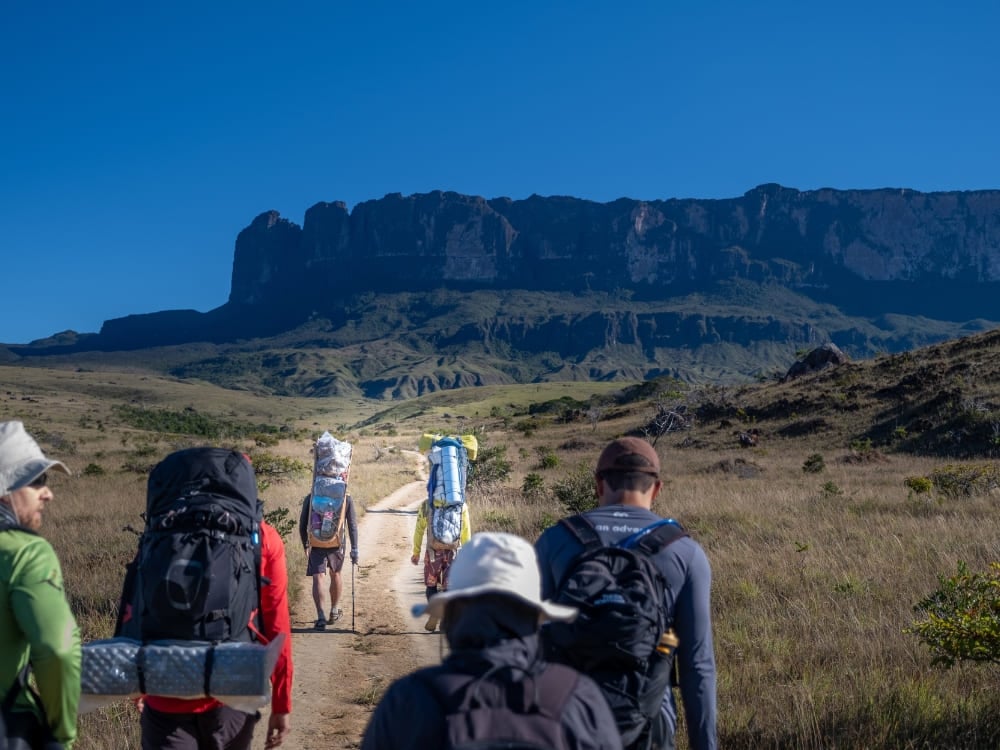
National park rules require every group to trek with certified local guides, and independent trekking is not allowed. The guides are Indigenous Pemón from the Paraitepuy community, who handle the route, the camps, and the cooking.
A reputable operator does more than lead the trail: it arranges the border formalities, the transfers, the meals, and the shared gear so the logistics that trip up solo travelers are taken care of.
Venezuela’s park authority, Inparques, also caps groups at 8 trekkers in peak periods and 16 in regular season, always with at least two guides. That support structure is precisely what differentiates standard options from top-tier Roraima tours.
👉 Explore the adventure: Mount Roraima Trek: 8-Day Expedition to the Lost World
Follow your guide and keep the group together
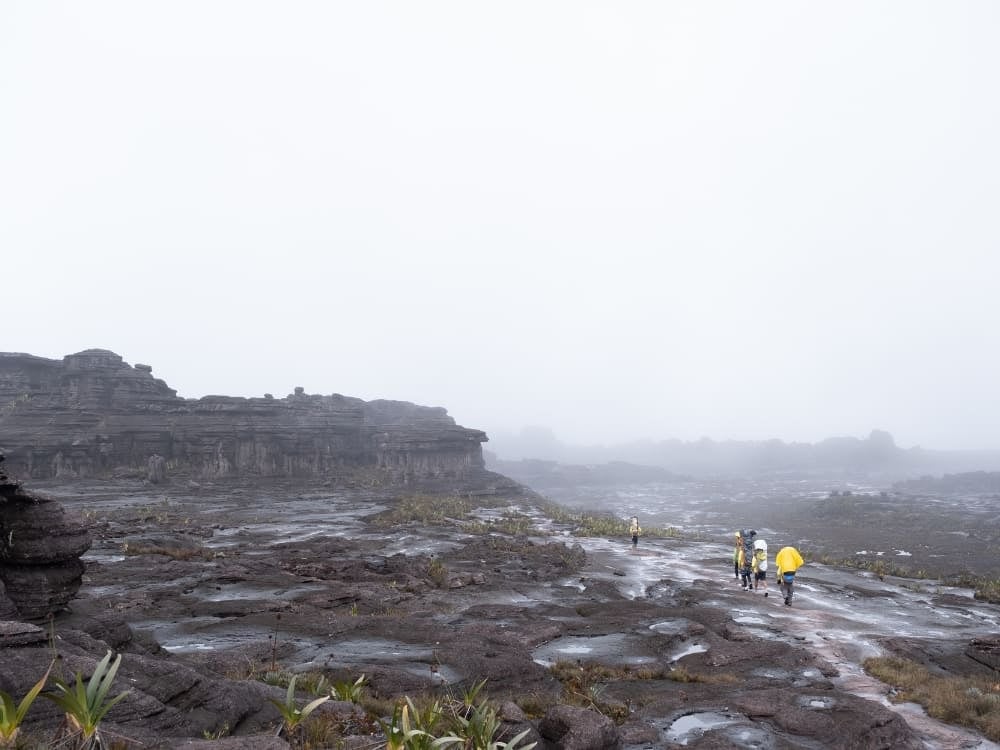
The dangers of Mount Roraima become much less significant when you follow your guide’s lead. They read the weather, judge the river crossings, set the pace on La Rampa, and decide when the plan needs to change—which changes often on the plateau, as the mist can close in within minutes and rock turns slick the moment it rains.
Stay with the group, tell your guide early if you feel unwell or are struggling with the cold or the altitude, and don’t wander off the marked route on the plateau, where sinkholes and drop-offs hide in the fog.
Don’t see good communication as a formality but as a way to keep such a remote trek safe.
Pack the right gear, clothing and medication
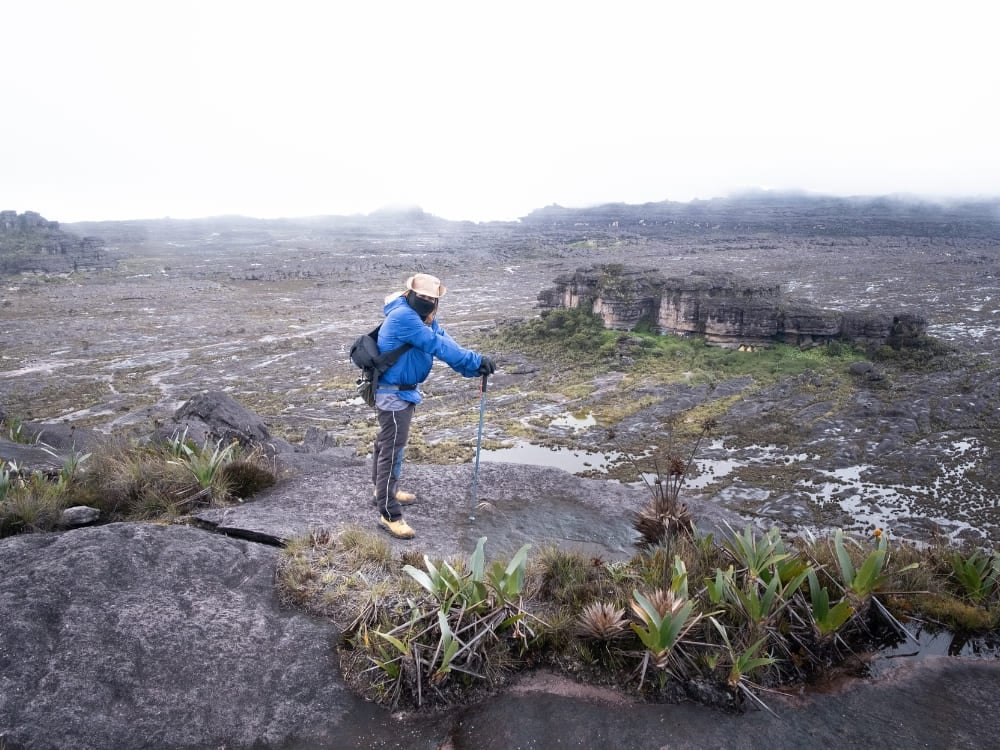
The dangers of Mount Roraima are more about the cold, wet weather than anything else. To make sure you won’t have any health issues during the trek and go back home sick, your packing list is safety equipment.
Temperatures on the plateau can plummet to around 5°C overnight and hover near 0°C during rainfall. Combined with frequent exposure to heavy mist and rushing waterfalls, keeping warm and dry becomes a crucial defense to avoid hypothermia rather than a mere matter of personal comfort.
Here are the essentials:
- Well-worn, waterproof trekking boots (new boots cause blisters) and trekking poles for the steep descent.
- A high-quality rain jacket, pack cover, and dry bags to keep everything inside your backpack dry.
- Thermal base layers, a warm jacket, gloves, and one set of dry clothes kept only for sleeping.
- A sleeping bag rated to 0°C, a headlamp with spare batteries, and a 1-liter bottle with water purification tablets.
- A personal first-aid kit and any personal medication, plus sunscreen and a wide-brimmed hat for the exposed savannah.
Keep your international yellow fever vaccination certificate stored right alongside your passport. It’s also essential to carry cash in Brazilian Reais to cover expenses where cards aren’t accepted, as ATMs are extremely hard to find near the border.
👉 Read more: 10 Travel Tips for Mount Roraima to make the most of your trip
Take out adventure travel insurance
Some might consider Mount Roraima dangerous in the sense that, in a remote location such as this, serious injuries can mean a slow, weather-dependent evacuation.
Accidents are avoided when hikers follow the guide’s instructions, use the right equipment, and recognize their limits, but unforeseen events can still occur. That’s why travel insurance that covers remote, high-altitude trekking is mandatory.
Make sure your policy explicitly covers trekking to around 2,800 m, medical evacuation, and repatriation, because standard vacation insurance often excludes exactly this kind of trip.
If you’re not sure where to find coverage for everything you need, reliable operators can point you in the direct direction—another reason to book your Mount Roraima trek with specialists!
Know your limits and do your homework
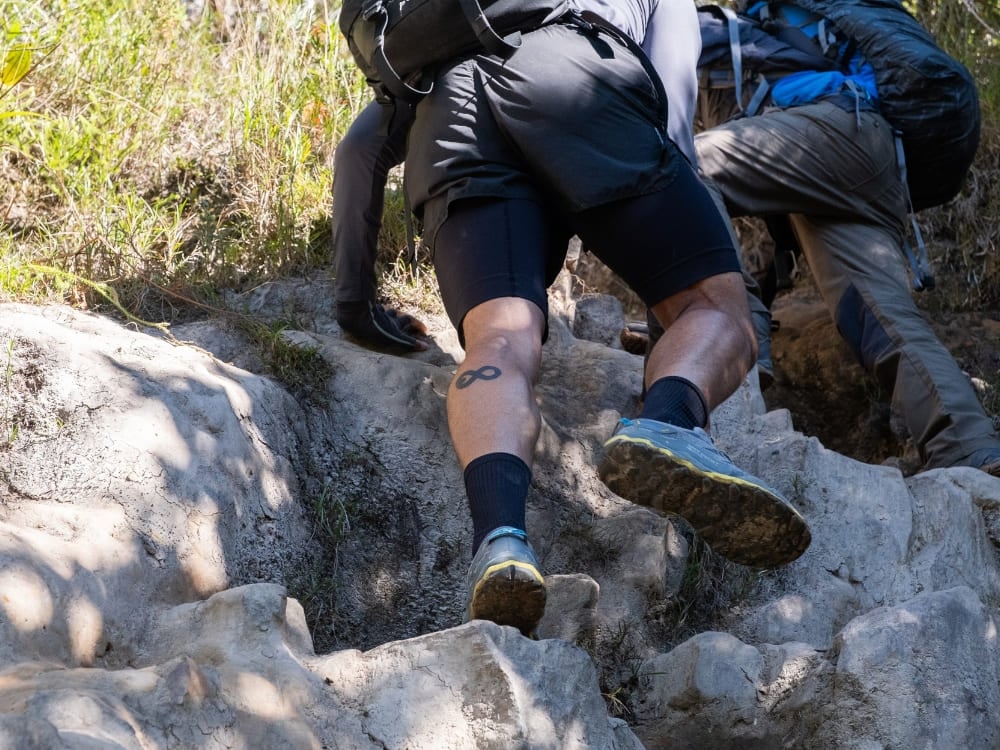
The last piece of safety is honest self-assessment. The Mount Roraima trek is graded as challenging, including roughly 86 km on foot, a steep 4.5 km ascent, multiple nights in a tent, and days that run up to 8 hours. You don’t need to be an athlete, but you should be able to walk several kilometers with a loaded pack on consecutive days.
A couple of months of hiking, cardio, and leg training beforehand make the difference between suffering and enjoying it, so research the mountain, the route, and the season before you commit.
👉 Read more:
- How hard is it to trek up Mount Roraima?
- From New Zealand to the Lost World: a Solo Ecologist’s Trek Up Mount Roraima
Safely trekking Mount Roraima with PlanetaEXO
Mount Roraima is dangerous only if you go unprepared or alone. For a smooth trek, do it the right way: pack your gear, follow border protocols, get travel insurance, and hire local guides. If you just want to enjoy the trail and not worry about anything else, an experienced operator can take care of all that!
PlanetaEXO is an ecotourism platform that runs Mount Roraima tours with experienced Indigenous Pemón guides and trusted local partners, handling everything from the border crossing to the summit camps. Our team takes care of the logistics, the permits, and the safety of your trip to Venezuela. Contact us now!
Keep reading
October 14, 2026
10 Tips to Make the Most of Your Amazon Tour From Manaus, Brazil
Booked an Amazon tour from Manaus in Brazil? See 10 tips to enjoy your experience, including what to eat, what to do, how to be safe, and what to avoid!
October 1, 2026
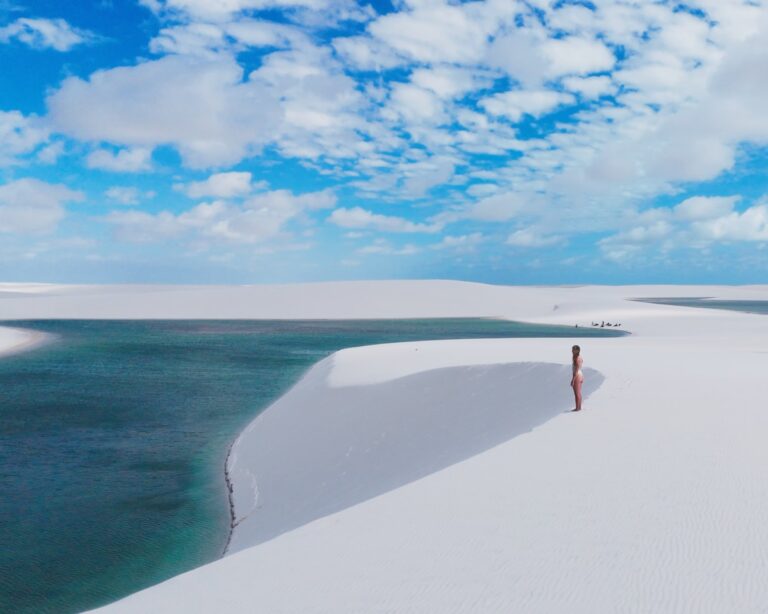
PlanetaEXO’s new mini-doc showcases ecotourism in Lençóis Maranhenses
In “Lençóis Maranhenses: Far From The Crowds, Close To What Matters”, PlanetaEXO’s mini-doc shows how ecotourism is changing life for local communities.
September 30, 2026
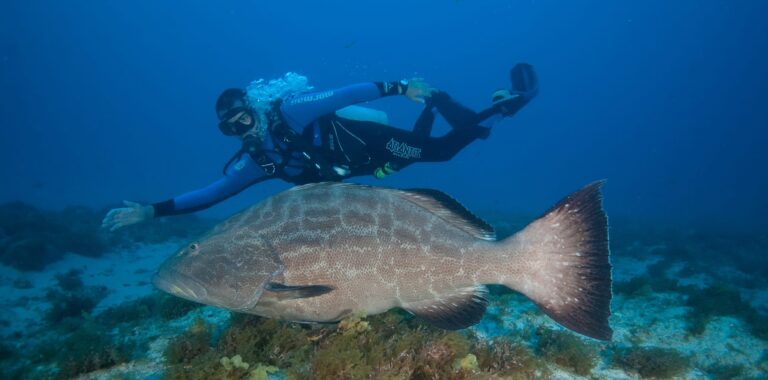
Best Dive Sites in Fernando de Noronha: 21 Spots by Depth and Level
The 21 best dive sites in Fernando de Noronha, with depth, seaside, and level for each, from 8 m beginner reefs to the 62 m Corveta Ipiranga wreck.