
Learn everything you need to know to travel to Brazil’s Chapada Diamantina, including how to get there, the best time to visit, main activities, and more!
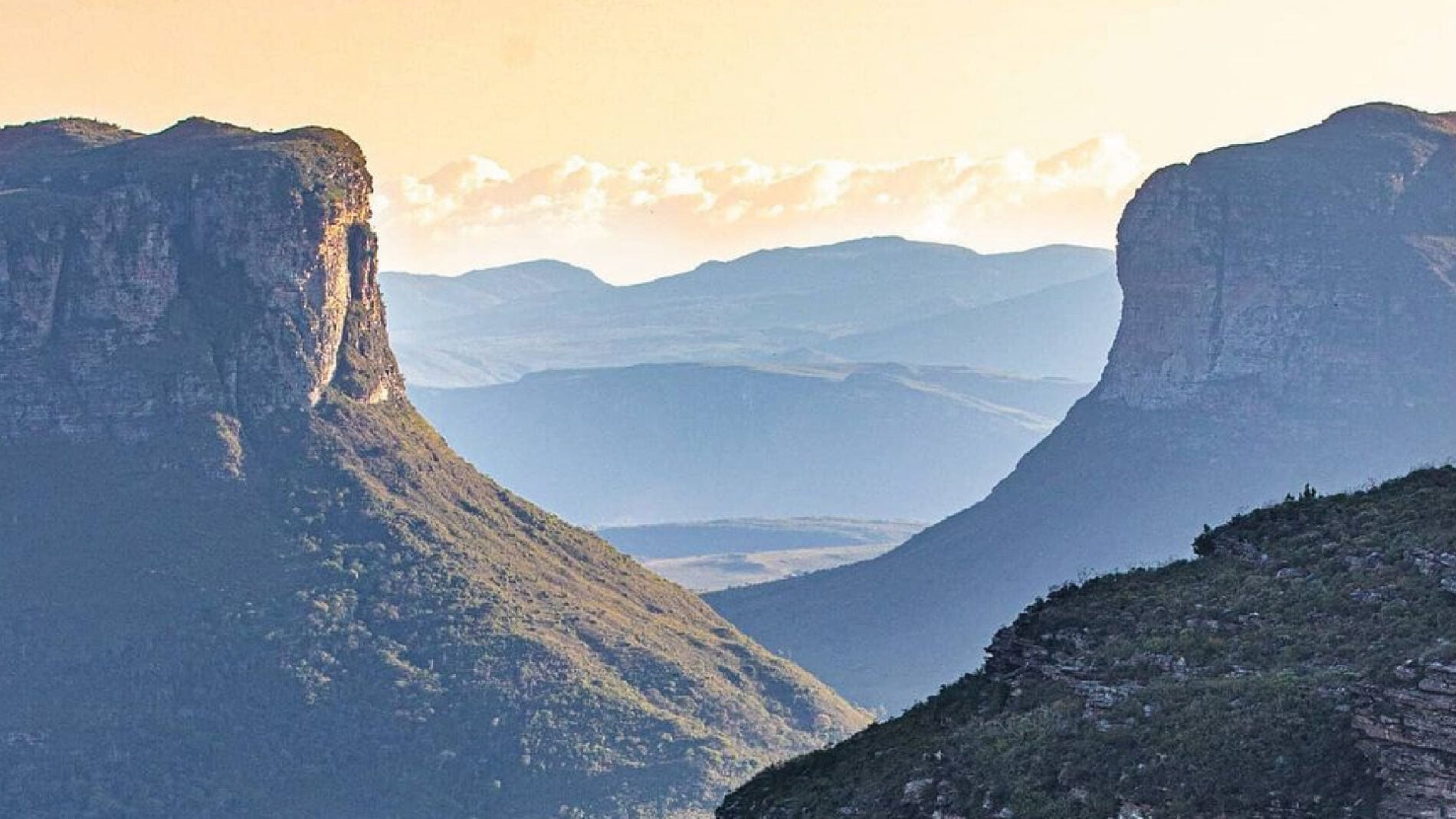
Chapada Diamantina National Park, in Brazil, is a conservation unit that protects a massive area of stunning natural landscapes formed by waterfalls, caves, canyons, mountains, and rich fauna and flora.
Considered one of the best places in the world for ecotourism activities—especially trekking—Chapada Diamantina is the most well-known national park among Brazilians, according to research by the Semeia Institute. Among foreigners, it’s the sixth most sought-after Brazilian destination, reaching more than 11,500 online searches in 2024 alone, according to data from the Brazilian Tourist Board.
PlanetaEXO, an ecotourism platform specializing in Chapada Diamantina tours, not only knows this fantastic destination intimately, but we’ve also taken countless adventurers from all over the world to explore it. To help even more travelers immerse themselves in this universe of natural beauty, we’ve put together a complete travel guide with all the essential information. See below!
About Chapada Diamantina
In northeastern Brazil, the Chapada Diamantina National Park is located approximately 420 km away from Salvador, the capital of the state of Bahia. Its area of over 1,521 km² is distributed among the municipalities of Lençóis, Mucugê, Ibicoara, Andaraí, Itaetê, and Palmeiras.
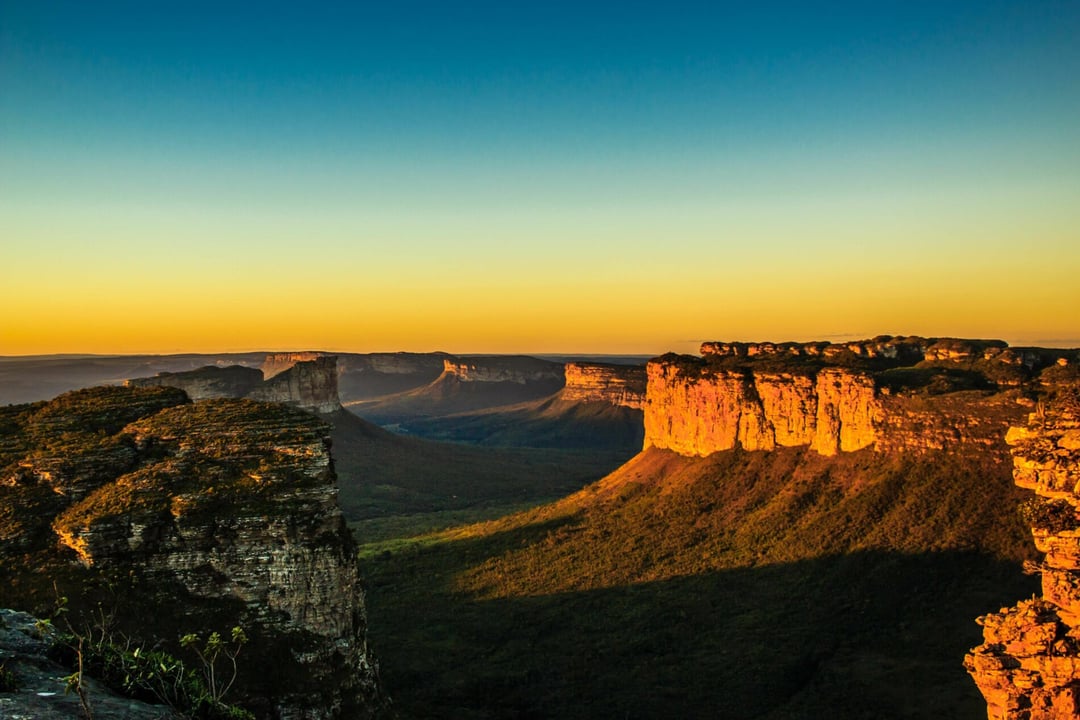
With the highest elevation above 500 meters, Chapada Diamantina is also an integral part of the Serra do Sincorá. Extending across 80 kilometers, this mountain range significantly contributes to the landscape and the biodiversity of the park.
Like the other seventy national parks scattered throughout Brazil, Chapada Diamantina protects natural resources—including fauna, flora, bodies of water, rock formations, and archaeological sites—and opposes the negative effects of industrialization on ecosystems.
Spanning the Caatinga, Cerrado, and Atlantic Forest biomes, its biodiversity blends rocky fields, riparian forests, and seasonal forests, proving just how important this natural richness actually is for the country’s ecological balance, as well as presenting great possibilities for sustainable tourism.
Although not the best place in Brazil for wildlife observation—this title belongs to the Pantanal—the fauna of Chapada Diamantina is very rich, especially the birds. There are more than 370 different species, including the chaco eagle, white-browed guan, vinaceous-breasted amazon, and the endemic hooded visorbearer.
The flora is also abundant. With over a hundred types of flowers, they can be seen in shrubs, rocky fields, and among the rocks. There are also cacti, begonias, low palm trees, and about 440 endemic plant species throughout the park.
Chapada Diamantina’s history
Nearly 2 billion years ago, the Chapada Diamantina National Park in Brazil was covered by the waters of the Espinhaço Sea. Over time, the ecosystem changed, going through glacial periods, deserts, and new floods.
Slowly, the soil became fertile, and vegetation grew, turning into the ideal home for large reptiles, dinosaurs, and now-extinct mammals such as the giant sloth, whose remains have been found in the well-known Poço Azul in 2005.
Rock paintings found in Lençóis indicate that the first humans inhabited the region about 13,000 years ago, while various indigenous groups (Papayá, Maracá, Aimoré, Topins, etc.) also called Chapada home.
In the 16th century, explorers from other Brazilian states began to explore the natural resources of Bahia. At the end of the 17th century, the first diamonds were discovered in the Cumbucas River, in Mucugê. This triggered a great era of diamond extraction—hence the name “Diamantina”—making mining the main economic activity for a long time.
Eventually, mining cooled down until it was completely banned in 1996. The national park was created in 1985 with the aim of preserving the region’s biodiversity, something that would not have been possible if the miners had continued their work.
Today, Chapada Diamantina serves as a center for adventure and eco-tourism, drawing thousands of visitors to experience some of its famous unique attractions like the Morro do Pai Inácio, Poço Azul, Cachoeira da Fumaça, and Vale do Pati.
How to get to Chapada Diamantina National Park, Brazil?
The easiest route to get to Chapada Diamantina is from Salvador (SSA), which is served by flights from São Paulo, Recife, Belo Horizonte, and Brasília. International visitors can get to Bahia’s capital departing from Buenos Aires, Lisbon, Madrid, Paris, and Panama City.
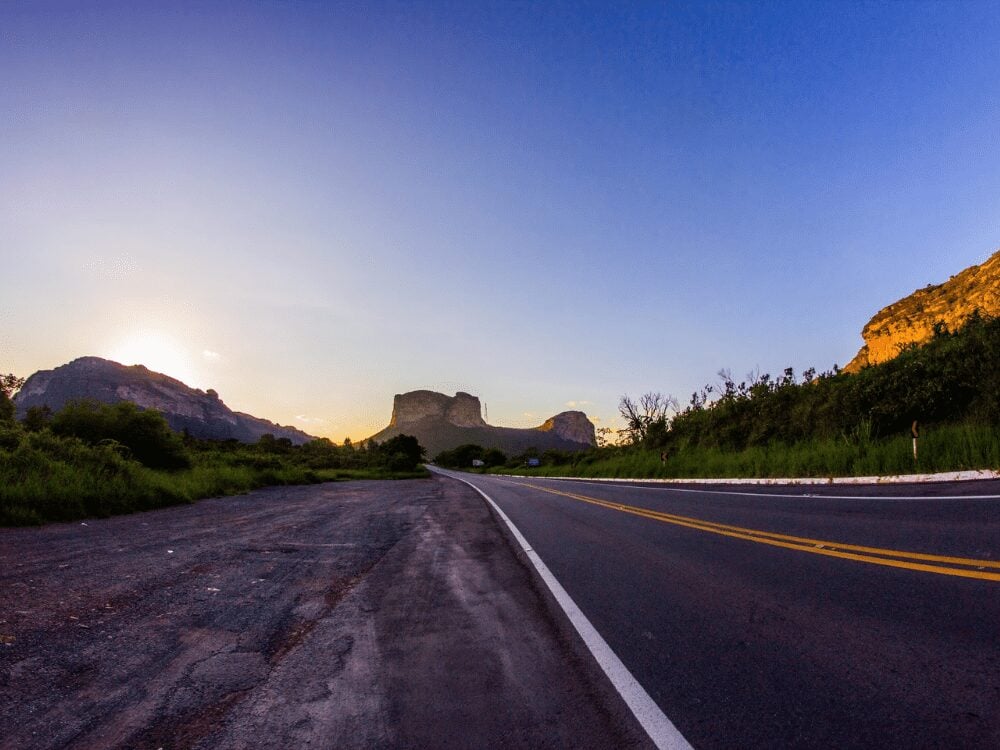
From Salvador, it takes a little over an hour to fly to Lençóis (LEC), considered by many as the main gateway to the national park. By car or bus, it takes 6–7 hours to reach Lençóis, Mucugê, or Palmeiras.
👉 Read more: How to Get to Chapada Diamantina National Park?
When is the best time to visit Chapada Diamantina?
Chapada Diamantina can be visited all year round, but your experience will vary depending on the season.
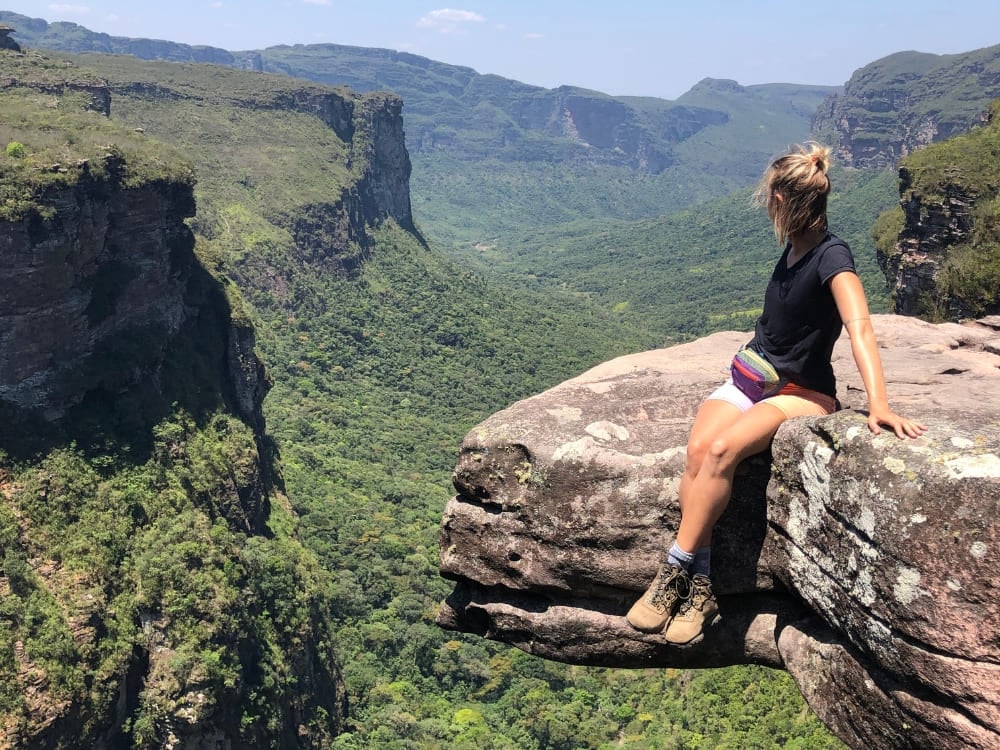
The dry months (May to September) offer clear skies and ideal conditions for hiking, while the rainy season (October to April) brings lush green landscapes and powerful waterfalls. Each with its own charm, so it really is a matter of personal preference.
👉 Read more: When is the best time to visit Chapada Diamantina?
What to do in Chapada Diamantina?
Brazil’s Chapada Diamantina offers a great variety of attractions that cater to adventure seekers and nature enthusiasts alike. Here’s a breakdown of the main activities within the park:
Hiking and trekking
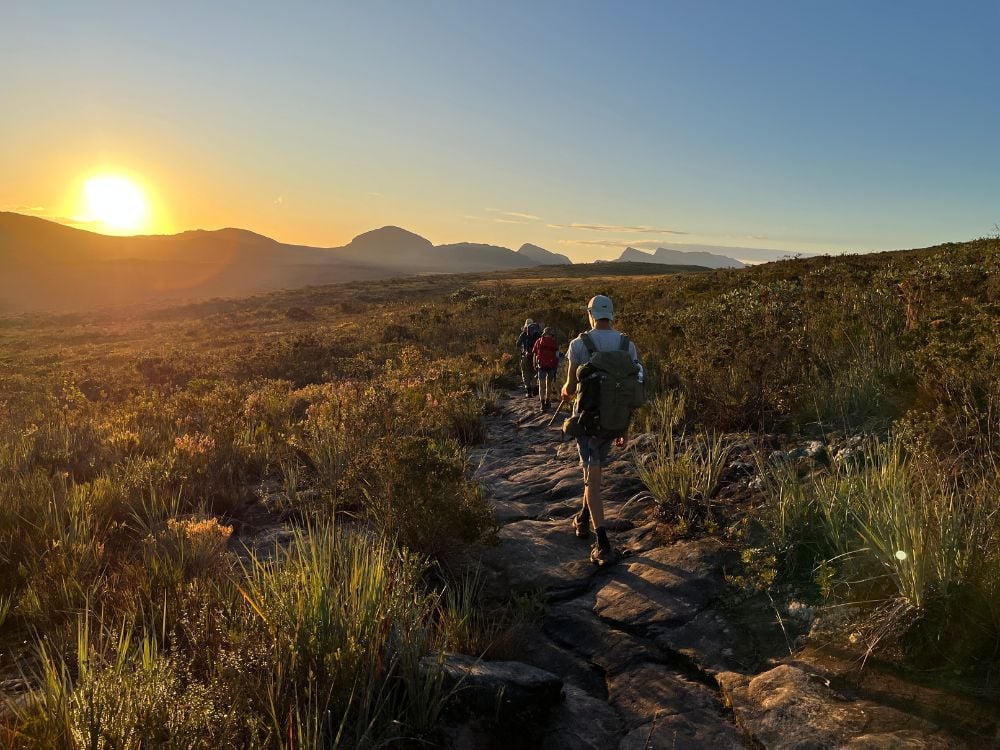
Chapada Diamantina hikes attract thousands of visitors every year. Vale do Pati, in particular, has some of the greatest trekking routes not only in Brazil but on the planet due to its beauty and challenging trails.
This area is noted for its vast plateaus and steep valleys, providing spectacular views and a truly immersive experience in nature. Hiking tours usually pass by Chapada’s most beloved attractions, like Morro do Pai Inácio and Fumaça Waterfall.
👉 Read more: Best Hikes in Brazil: From Rainforests to Mountain Peaks
Waterfalls
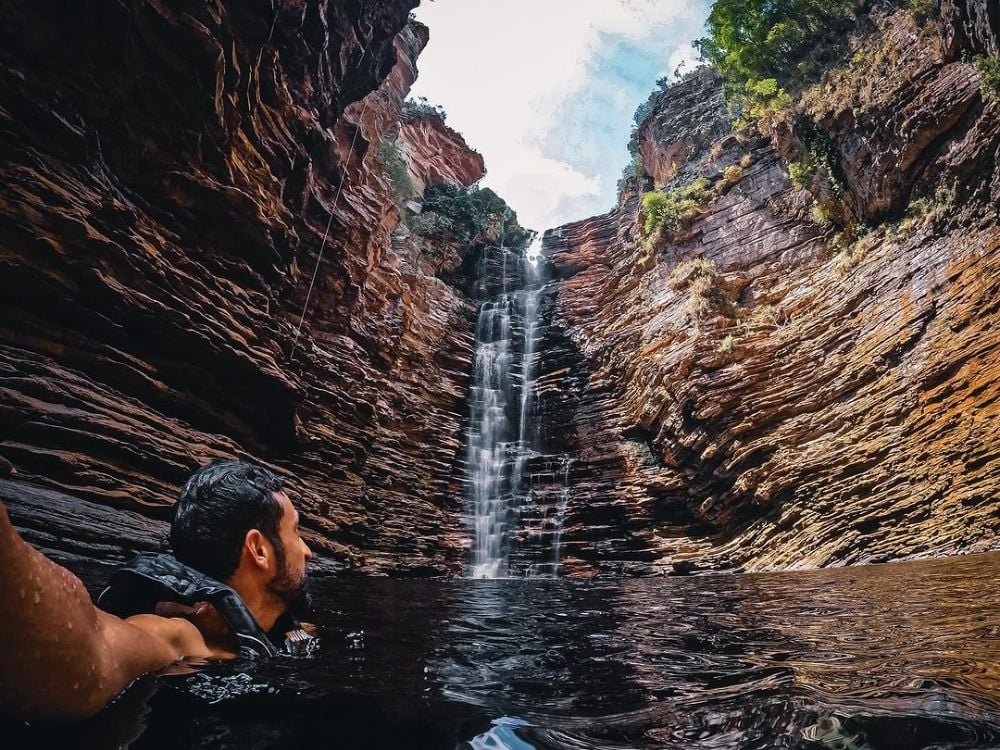
Chapada Diamantina National Park has approximately 300 officially cataloged waterfalls. The most well-known is Fumaça, one of the tallest in Brazil, measuring nearly 340 meters in height.
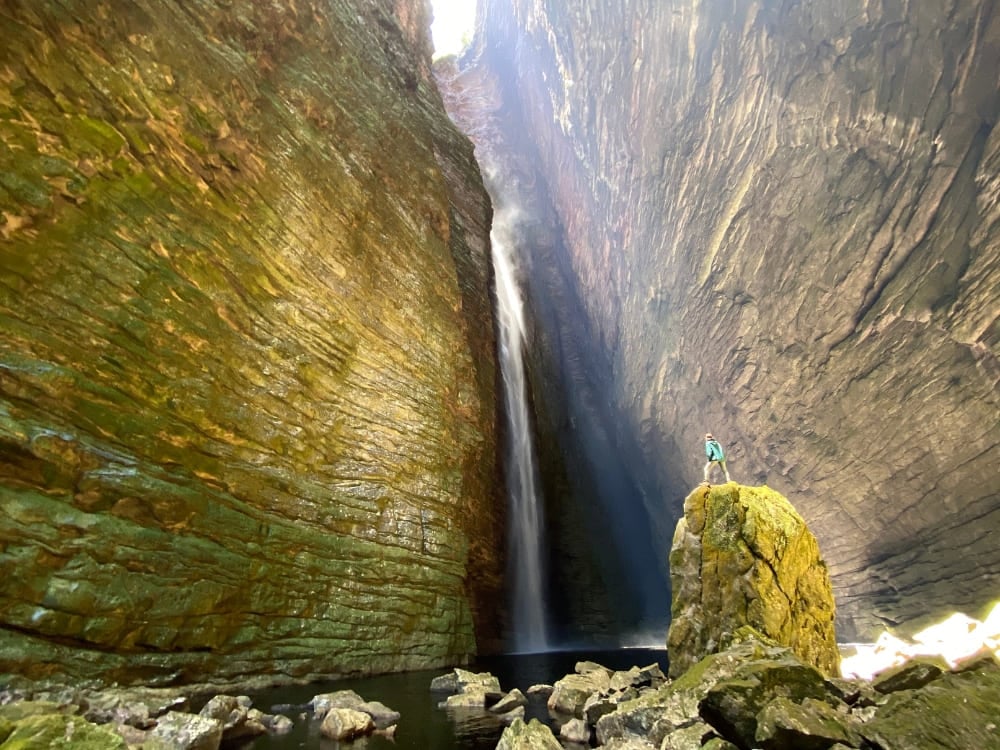
Other waterfalls worth visiting to cool off during treks are Fumacinha, Buracão, Mixila, and Sossego.
👉 Read more: Chapada Diamantina Waterfalls – Best Trails and Hidden Gems
Caves
The caves scattered around the park offer a unique underground experience. Gruta da Lapa Doce is one of the most noticeable, where visitors can explore an 850-meter path lined with impressive limestone formations and delve into the geological past of the region.
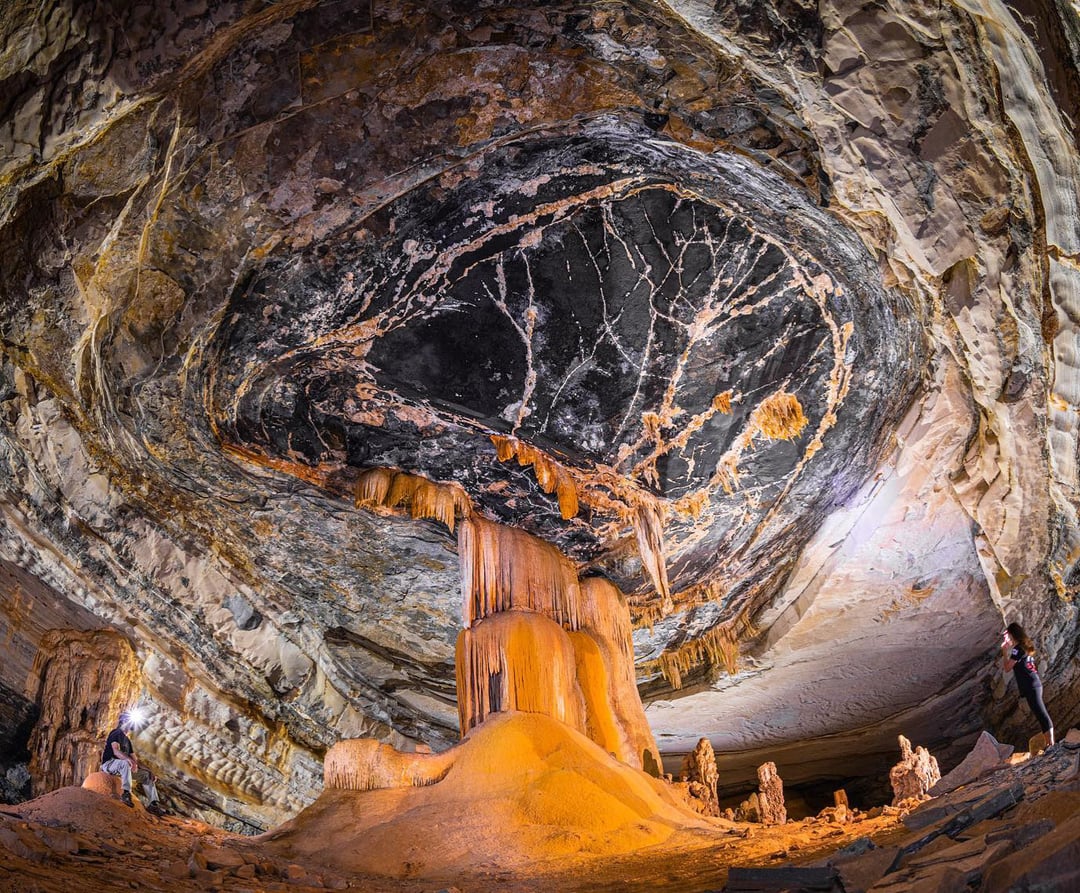
Close by is Gruta da Fumaça, famous for its stalactite-filled ceiling and fairly easy access. Other caves worth visiting are Gruta Azul, Gruta do Pratinha, and Gruta da Torrinha.
Natural pools
Poço Encantado offers an escape with its crystal-clear waters sourced from a non-renewable aquifer, providing a place for quiet reflection rather than swimming. Nearby, Poço Azul invites visitors to swim and enjoy its breathtaking beauty up close.
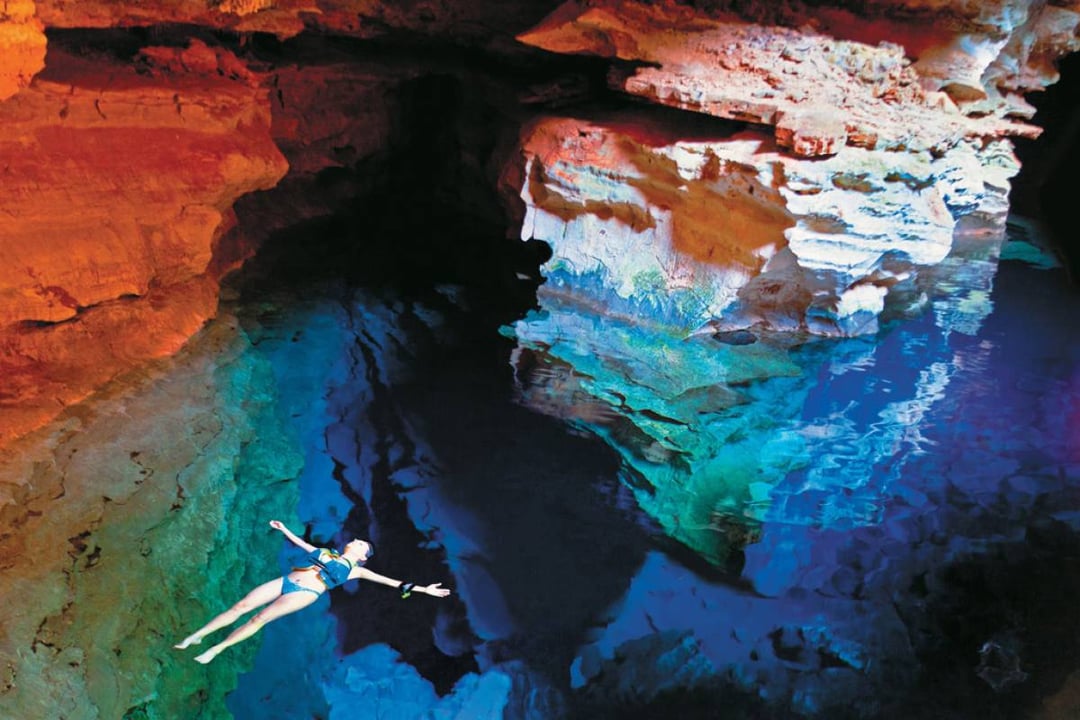
During the day, the darkness of both caves is broken by sunlight escaping through openings in the rocks, illuminating the water with a beautiful, bright blue hue.
Culture
The cultural heritage of Chapada Diamantina is as extensive as its natural resources. In the base towns, there is a strong influence from traditional communities in the cultural vein of the region, including African, indigenous, riverside, mining, and quilombola (Afro-Brazilian) communities.
Many of these groups lead activities open to the public, such as regional festivals, visits to villages, and immersive tours. Cultural diversity is also observed in various aspects of daily life, such as architecture, cuisine, and handicrafts.
Visitors can also explore the geological and archaeological richness of the Chapada by visiting the Sincorá Museum and the Serra das Paridas archaeological site—both located in Lençóis.
👉 Read more: What to do in Chapada Diamantina?
How many days should I stay in Chapada Diamantina National Park?
It all depends on your travel style and priorities. If you’re on a tight schedule, a 3-day trip is enough for a first introduction to the park’s iconic spots like Morro do Pai Inácio, Cachoeira da Fumaça, or Poço Azul. It’s a compact but rewarding way to experience some of the region’s landscapes and natural highlights without rushing too much.
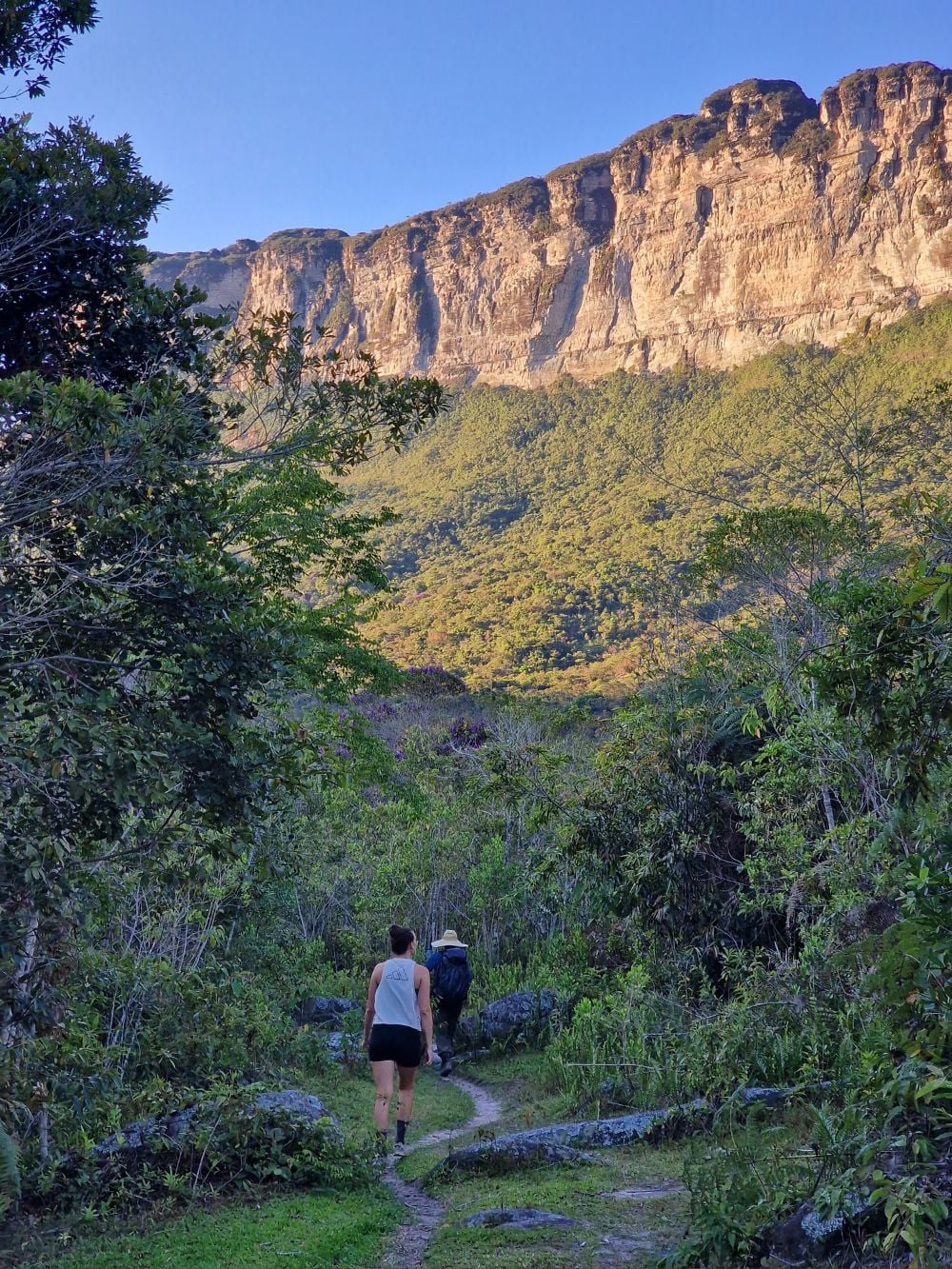
For travelers with more time and a bit more flexibility, staying 5 to 7 days (or even longer) will allow for a much deeper connection with the park. With extra days, you can venture into remote areas like Vale do Pati, explore hidden waterfalls, and balance physically demanding trails with moments of relaxation in the surrounding towns.
Given the size of the park and the long distances between attractions, it’s worth planning your itinerary carefully to minimize time spent on the road and maximize your time on the trails.
👉 Read more: How many days should you stay in Chapada Diamantina?
Where to stay in Chapada Diamantina?
Chapada Diamantina is a broad area dotted with diverse towns, each offering unique accommodation options to suit various tastes and preferences. From charming bed & breakfasts and authentic homestays to traditional hotels, there is an alternative for everyone.
Lençóis
Lençóis is a favored starting point for many travelers due to its easy access and great infrastructure. This historic town is alive with activities, offering numerous Chapada Diamantina tours that explore the natural and cultural highlights of the area.
Mucugê
Mucugê is a quieter, more reflective atmosphere with beautifully preserved colonial architecture and peaceful cemeteries, providing a serene retreat after a busy day of exploration.
Palmeiras
Palmeiras is the gateway to the stunning Vale do Capão, renowned for its lush landscapes and extensive hiking trails. It’s ideal for those looking for a closer connection to nature.
Andaraí
Andaraí is located along the banks of the Paraguaçu River. Steeped in natural beauty, it offers easy access to a variety of trails, waterfalls, and historical sites, making it a versatile choice for accommodation.
Igatu
For those who prefer smaller, more intimate settings, this historic village is the perfect choice. Known as “Stone Village” and “Bahia’s Machu Picchu,” Igatu enchants everyone with its 19th-century stone ruins and calm ambiance, offering a peaceful retreat for people who love nature and history.
Ibicoara
Ibicoara is a paradise for avid hikers and nature lovers. This less-crowded town is an excellent base for exploring some of the park’s most magnificent waterfalls, including the breathtaking Fumacinha.
Homestay
For adventurers seeking a truly immersive trip, the Vale do Pati trek is unmatched. Since this is a multi-day experience, spending the night within the national park borders is the only option for accommodation.
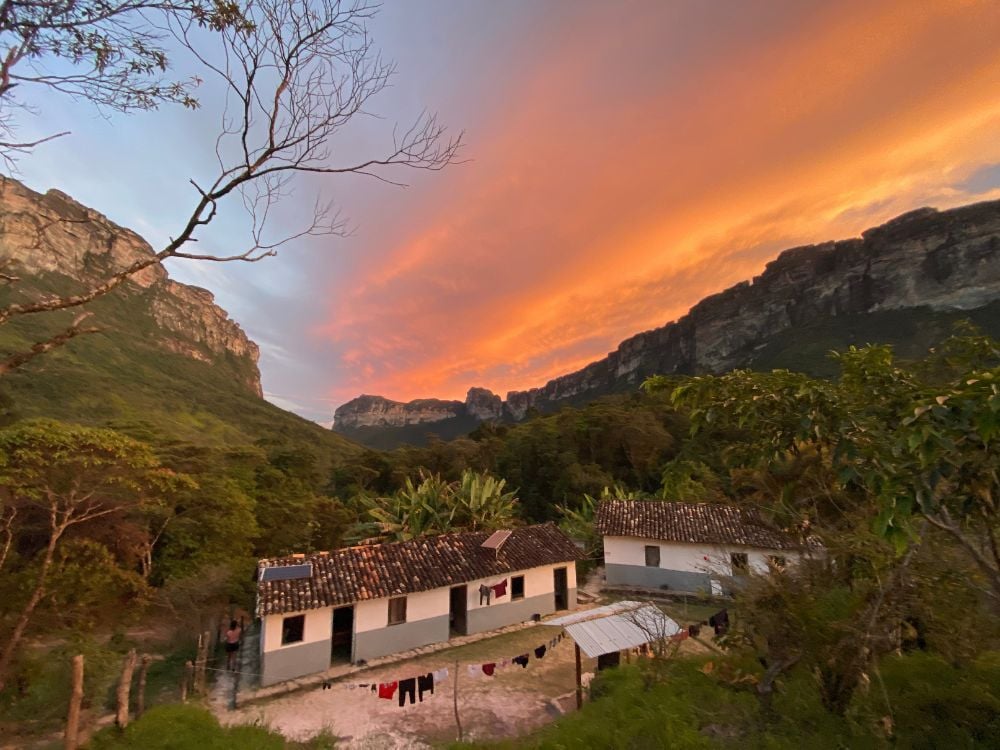
Only a handful of families live in the area, which makes the stay even more authentic and intimate. The houses are modest but still cozy, providing everything trekkers need for a good rest, including beds, blankets, bathrooms, and hot meals.
This type of accommodation enhances the experience and causes a positive impact on the local communities who rely on ecotourism to make a living.
👉 Read more: Where to stay in Chapada Diamantina?
Do I need a guide to visit Chapada Diamantina?
Yes, you absolutely need a guide in Chapada Diamantina. In addition to being massive, the national park has numerous areas that are difficult to navigate and can be potentially dangerous for those unfamiliar with it. The lack of cell phone and internet service also complicates things, making calls for help very difficult in emergency situations.
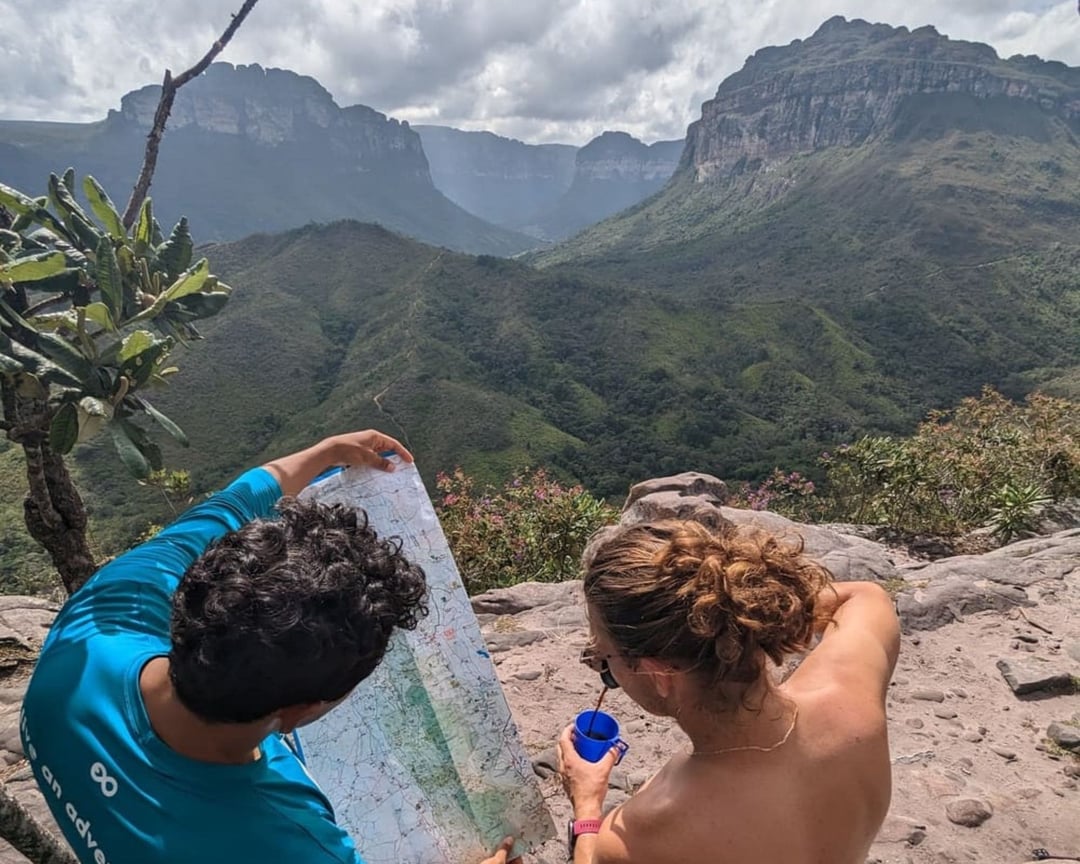
The guides are locals, which means they know every trail, waterfall, and cave intimately. These professionals help groups stay on track, keep them safe, and gain a deeper understanding of Chapada’s secrets by sharing their knowledge of its ecosystem and culture.
What should I pack for a Chapada Diamantina hike?
If you’re traveling to Chapada Diamantina National Park in Brazil, be sure to bring the following items:
- Light clothes, including UV-resistant long-sleeved shirts
- Windbreaker and sweater
- Raincoat and/or waterproof jacket
- Quick-drying towel
- Hiking shoes
- Socks
- Flip-flops
- Swimwear
- Hats/caps
- Sunglasses
- Sunscreen
- Insect repellent
- Reusable water bottle
- Waterproof bag
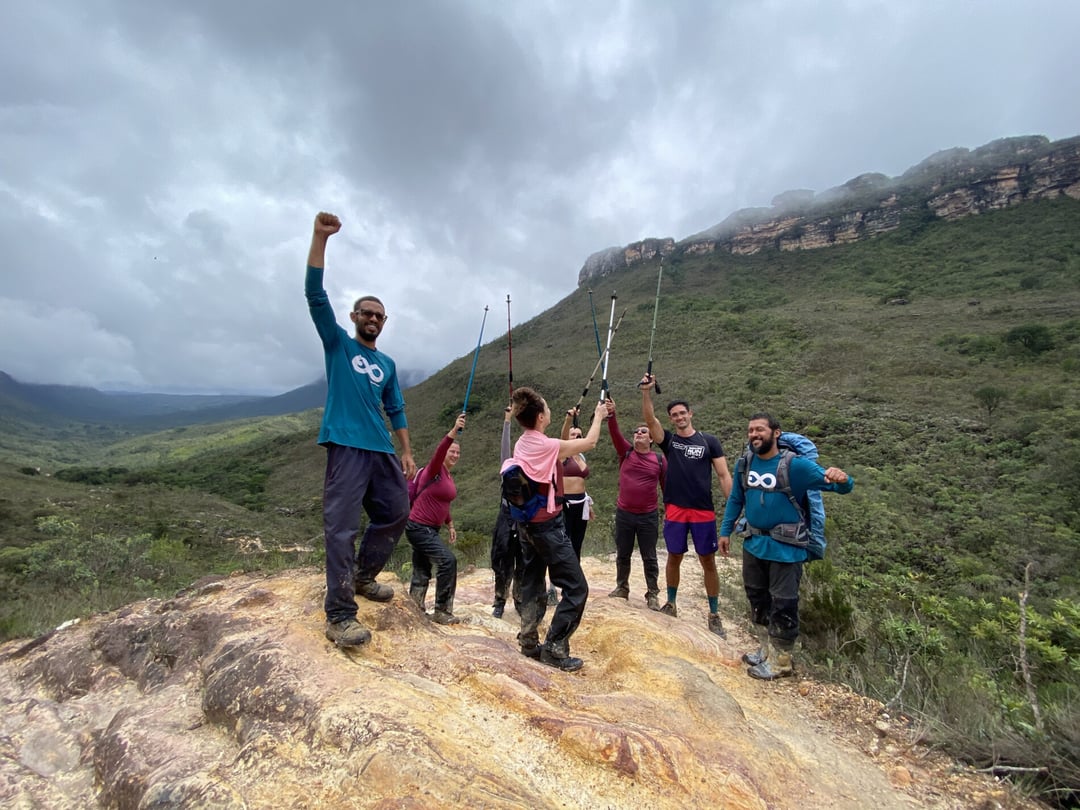
Don’t forget the usual travel essentials: documents, credit/debit cards, cash (Brazilian Real), medicine (for headaches, muscle tension, stomach bugs…), chargers, and portable chargers for cellphones, laptops, tablets, and cameras.
Best Chapada Diamantina tours
Can’t wait to live the adventure of a lifetime in an unforgettable Chapada Diamantina hike? Check out PlanetaEXO’s tours!
| TOUR | HIGHLIGHTS | DURATION | STARTING PRICE* |
| Chapada Diamantina Tour | Waterfalls (Fumaça, Fumacinha, Riachinho, Mosquito), caves (Gruta Azul, Gruta Lapa Doce), Pai Inácio Hill, hiking, historic center of Lençóis. | 3 days | US$ 280 |
| Ultimate Chapada Diamantina Hike | Hiking, Poço Encantado, Poço Azul, 3 days of trekking in Vale do Pati + Buracão and Fumacinha waterfalls. | 6 days | US$ 1,000 |
| Chapada Diamantina Trip | Hiking, Vale do Capão, waterfalls (Fumaça, Buracão, Mosquito) Gruta Lapa Doce, Pai Inácio Hill, Poço Encantado, Poço Azul, historic center of Mucugê. | 7 days | US$ 630 |
| Vale do Pati Trek Chapada Diamantina | Hiking, Morro do Castelo, Cachoeirão and Funis waterfalls, accommodation with locals. | 3 days | US$ 410 |
| Pati Valley Hike Chapada Diamantina | Hiking, Morro do Castelo, waterfalls (Cachoeirão and Funis), accommodation at locals’ houses. | 4 days | US$ 545 |
| Chapada Diamantina Trek Vale do Pati | Trekking, Morro do Castelo, Cachoeirão and Funis waterfalls, Poço da Árvore, Ladeira do Império, Andaraí, accommodation with locals. | 5 days | US$ 585 |
*Per person, based on double occupancy in group departures. Prices may vary depending on season and availability. Exchange rate as of April 2nd, 2026; subject to change.
Explore Chapada Diamantina National Park with PlanetaEXO
PlanetaEXO is an ecotourism platform specializing in Chapada Diamantina tours. By working alongside the best local operators, our team turns your dream vacation into reality!
From bookings to tailor-made itineraries, we work every day to ensure unforgettable travel experiences and sustainable practices that benefit both the environment and local communities. Contact us now!
Keep reading
October 26, 2026
Solo Safari in the Pantanal: Andrea’s Trip to Caiman Ecological Refuge
An Australian biologist’s 5 solo days at Caiman in Brazil’s South Pantanal: a day with Onçafari’s jaguars, hyacinth macaw nests, and honest advice.
October 14, 2026
10 Tips to Make the Most of Your Amazon Tour From Manaus, Brazil
Booked an Amazon tour from Manaus in Brazil? See 10 tips to enjoy your experience, including what to eat, what to do, how to be safe, and what to avoid!

October 1, 2026
PlanetaEXO’s new mini-doc showcases ecotourism in Lençóis Maranhenses
In “Lençóis Maranhenses: Far From The Crowds, Close To What Matters”, PlanetaEXO’s mini-doc shows how ecotourism is changing life for local communities.