
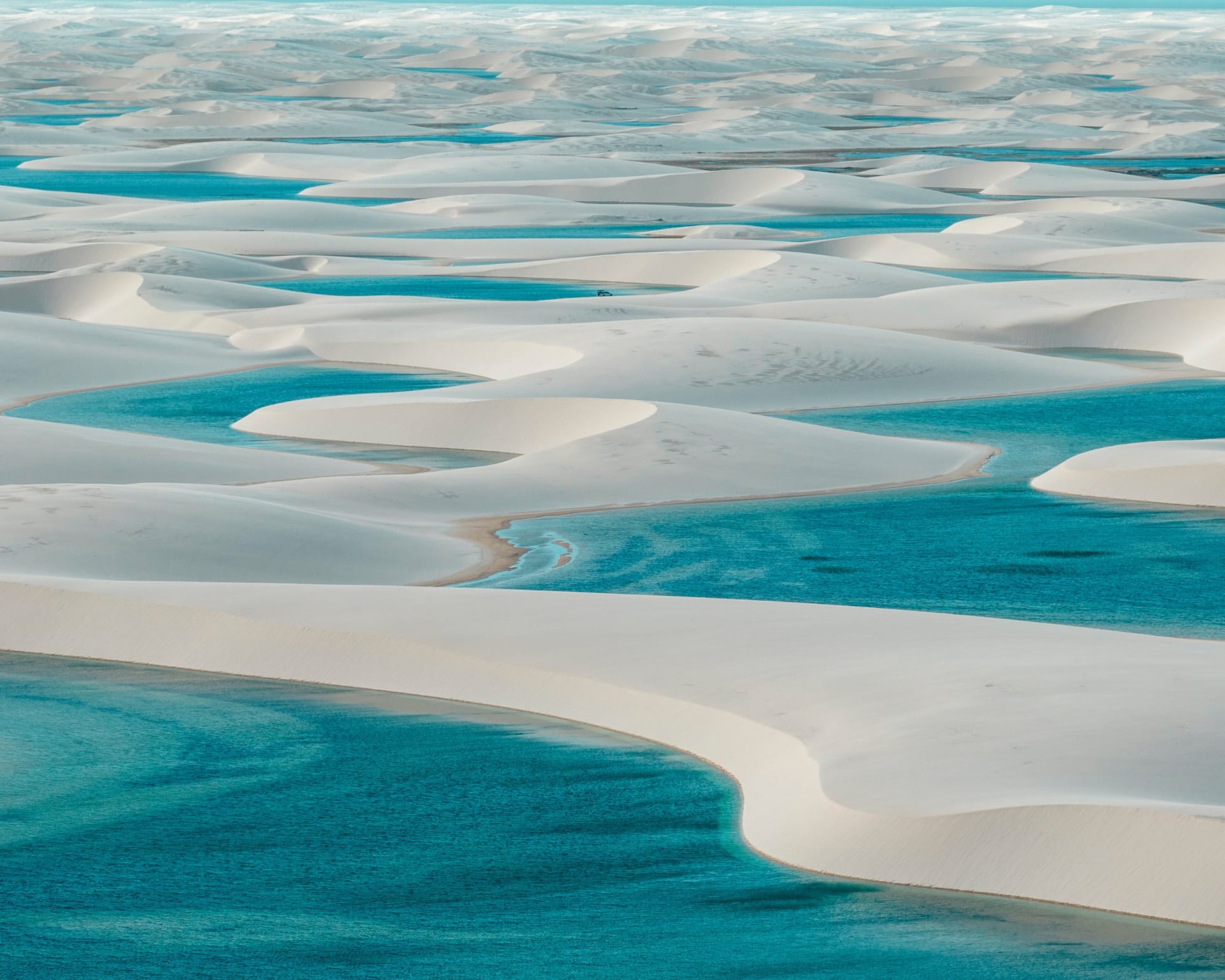
Wind and rain play a fundamental role in the formation of the dunes and lagoons of Lençóis Maranhenses National Park
Lençóis Maranhenses National Park is a natural wonder where sand dunes and lagoons are formed by a fascinating combination of wind and rain, which creates a unique landscape found nowhere else in the world.
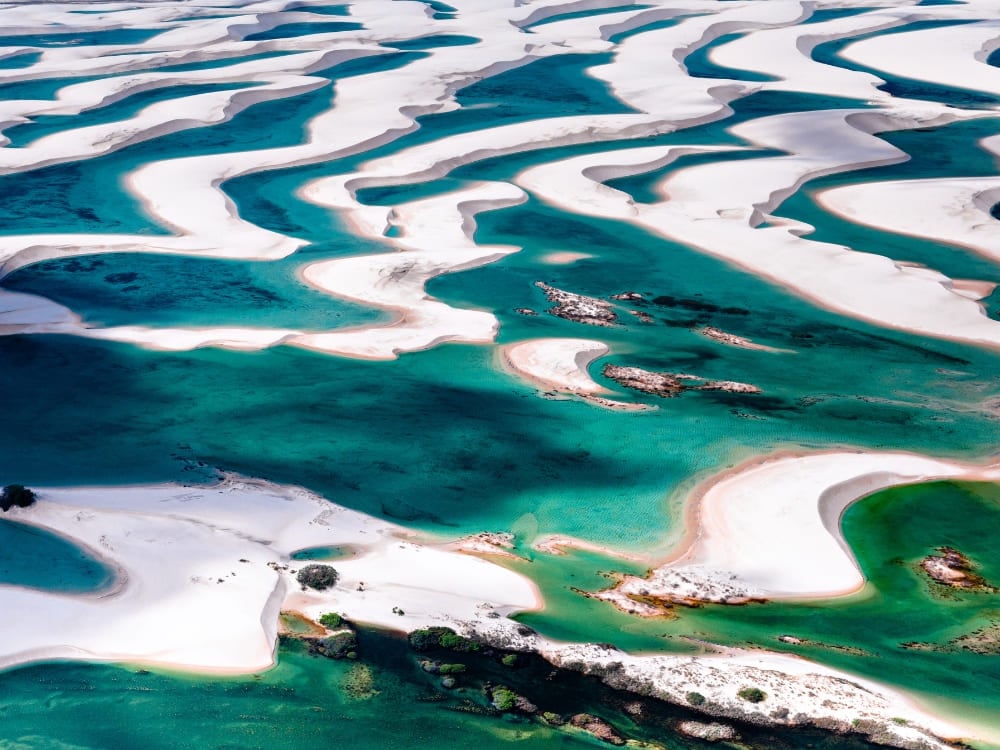
Considering the changing scenery according to season, it’s common to wonder how Lençóis Maranhenses was formed. Around two-thirds of the park are covered in flowing sand dunes that, from above, resemble bedsheets—hence the name in Portuguese, “Lençóis.” The beauty and rarity of the coexistence between a vast field of sand and thousands of lagoons earned the park UNESCO World Heritage status in 2024.
Want to find out how this phenomenon occurs? Check out the complete guide created by PlanetaEXO, an ecotourism platform specializing in Lençóis Maranhenses tours.
How are the dunes formed in Lençóis Maranhenses?
Lençóis’ dunes are the result of aeolian erosion, a natural process where the wind shapes the Earth’s surface by removing, transporting, and abrading soil and rock particles—particularly in arid, coastal, or sparse-vegetation environments.
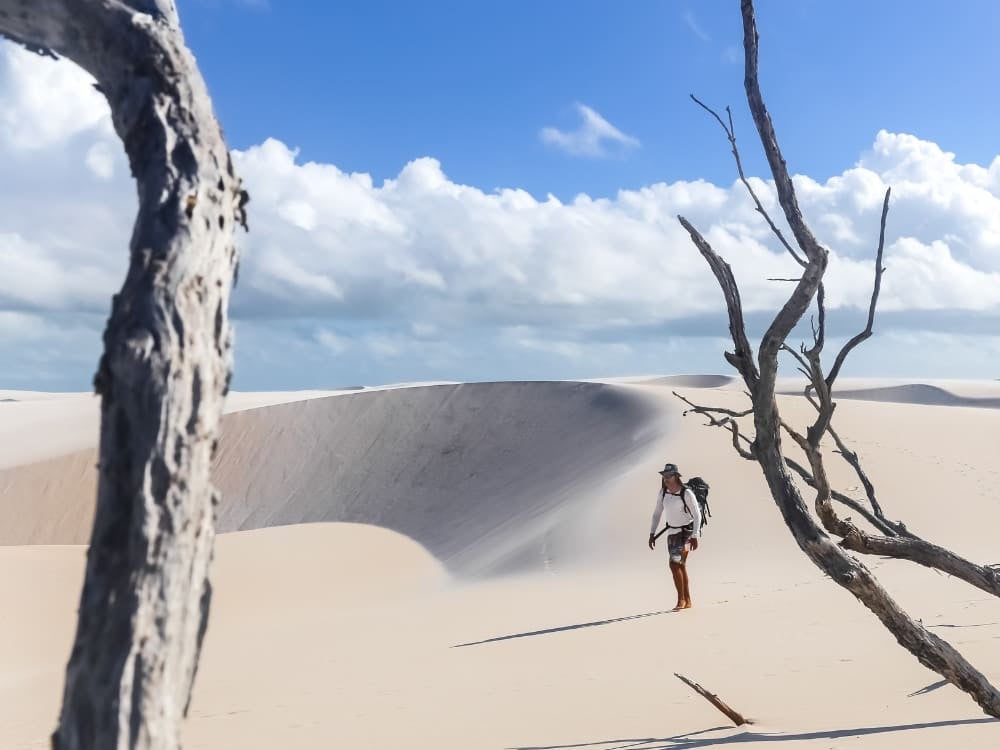
Powerful coastal winds from the Atlantic Ocean blow fine sand particles inland, where the region’s topography traps and accumulates them. Over time, this sand builds up into massive sandy hills that can reach up to 40 meters in height. Shaped by the constant movement of the wind, these dunes take on smooth, crescent-like forms and are in a state of perpetual motion, giving the landscape a dynamic and ever-changing character.
Researchers believe that 10,000 years ago, the national park area was covered by the sea. As the ocean gradually receded, it first gave way to mangrove forests and eventually transformed into the vast dune fields we see today.
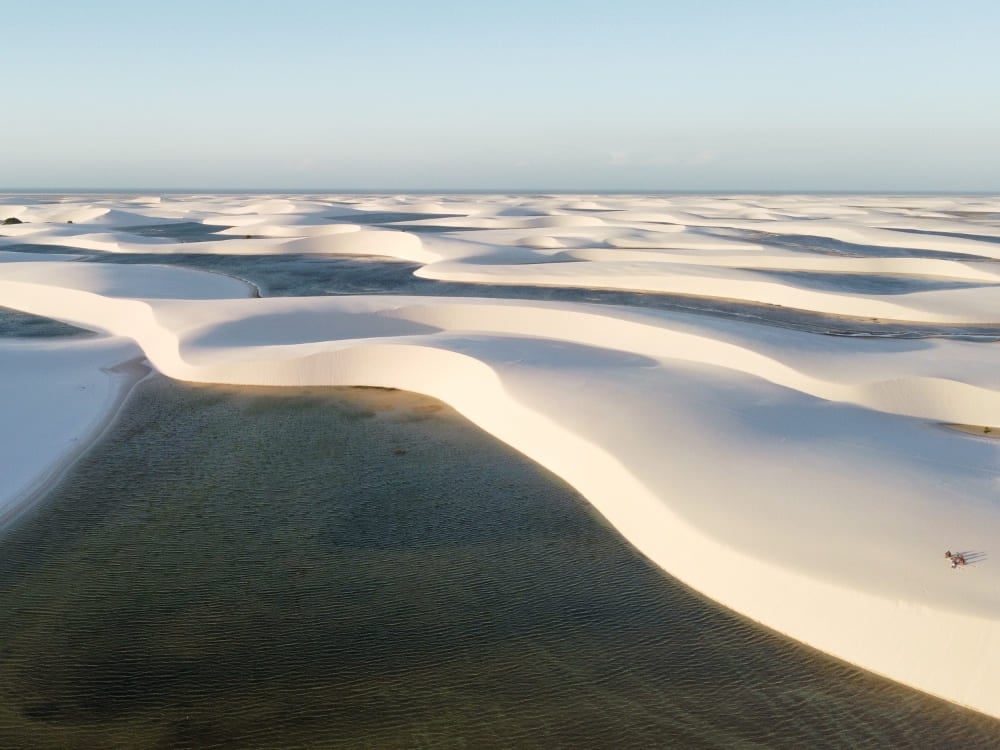
A significant portion of the sand in the park was brought by the Parnaíba River, which carries sediment towards the sea, while ocean currents push it back toward the shore. This ongoing interaction between river flow, tides, and ocean currents allowed the sand to accumulate, forming the unique ecosystem of Lençóis Maranhenses.
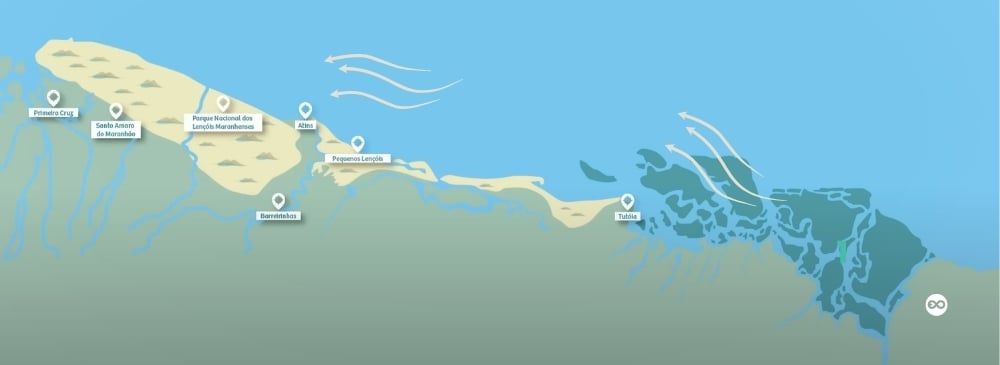 Far from being static, the dunes are in constant motion. As the wind reshapes them regularly, they perform what locals poetically call the “dance of the dunes.” This phenomenon is especially visible during the dry season (July to December), when stronger winds and lower water levels in the lagoons make the movement even more noticeable.
Active and inactive dunes of Lençóis Maranhenses, Brazil
In Lençóis Maranhenses, not all dunes behave the same way. The presence or absence of vegetation is what determines whether a dune is active or inactive.
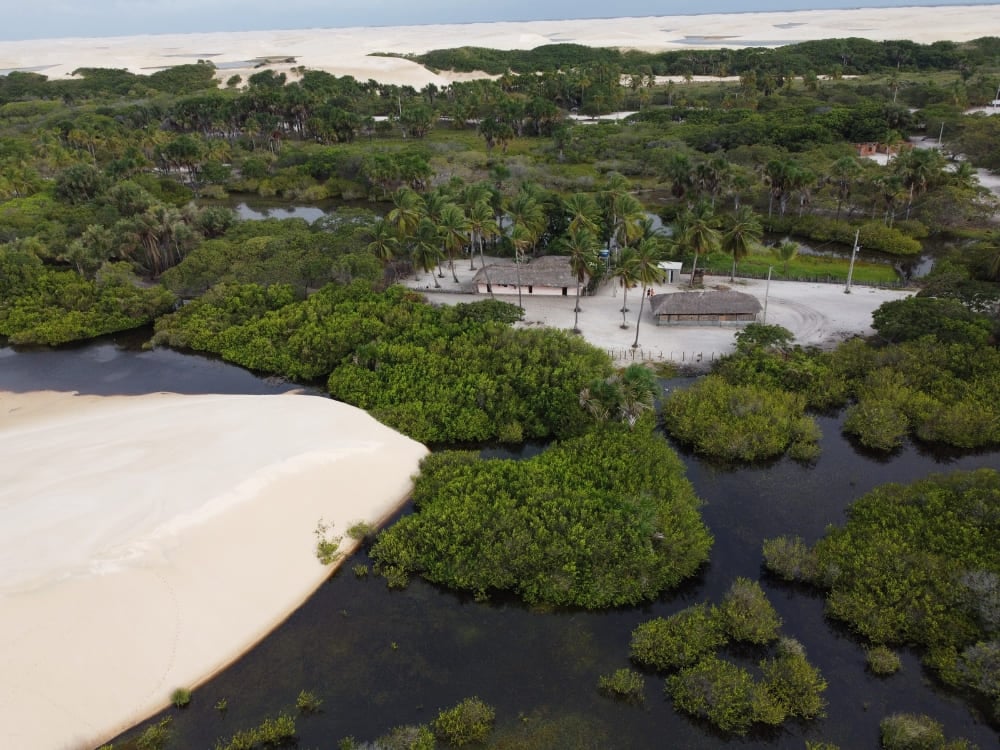
Some dunes are considered inactive, meaning they stay in place thanks to the surrounding vegetation. The native plants help to settle the sand, forming a natural cover that prevents the wind from moving the dune, making it more stable and fixed in place.
On the other hand, active dunes are in constant movement due to the force of the wind, rainfall, and the absence of nearby vegetation, allowing the sand to “dance.”
Can the dunes disappear?
Researchers believe that the complete disappearance of Lençóis’ dunes is unlikely. However, some factors could significantly alter their formation and have serious environmental and social consequences.
One of the main concerns is the unplanned installation of wind farms, as these structures can alter the wind patterns and directly affect the arrangement of the dunes. In addition, climate change plays a fundamental role, as it can change the behavior of rainfall and wind.
👉 Read more: How to get to Lençóis Maranhenses?
How are the lagoons formed in Lençóis Maranhenses?
The beautiful, crystal-clear lagoons of Lençóis Maranhenses are formed by the significant amount of rainfall the region receives, reaching 2,000 millimeters a year, mainly between January and June.
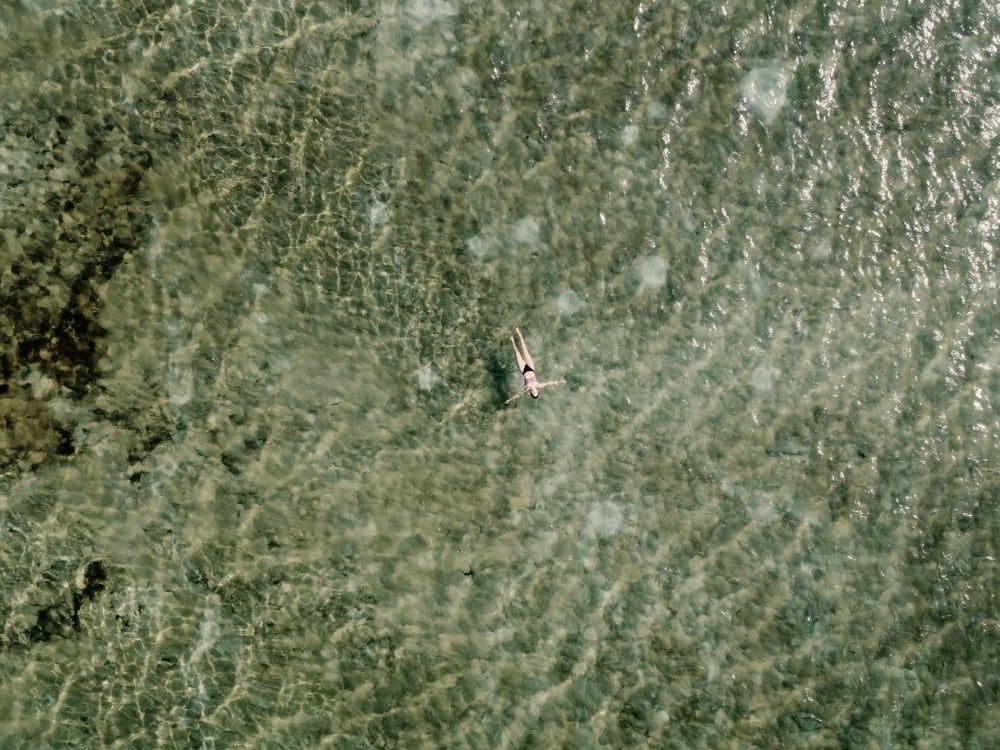

During the rainy season, the rain is quickly absorbed by the sand, which raises the water table above the ground and fills the temporary lagoons that lie between the dunes.
But the true secret behind the formation and maintenance of the lagoons is attributed to the mixture of sand and clay found in the soil. Over time, this combination has developed characteristics similar to a sponge-like rock, allowing water to seep out slowly—thus prolonging the lifespan of the lagoons.
Rainwater accumulates in the low areas between the dunes, forming thousands of crystalline pools that can reach depths of around one meter. Beloved lagoons such as Lagoa Azul and Lagoa Bonita offer a breathtaking view of this unique phenomenon, while the humidity in the air also prevents the dunes from shifting.
Can the lagoons dry up?
Brazil’s rainwater lagoons in Lençóis Maranhenses National Park begin to shrink between October and January. As the rain stops and the sun prevails, the water in the smaller lagoons evaporates completely, while the larger, deeper ones can retain it for longer.
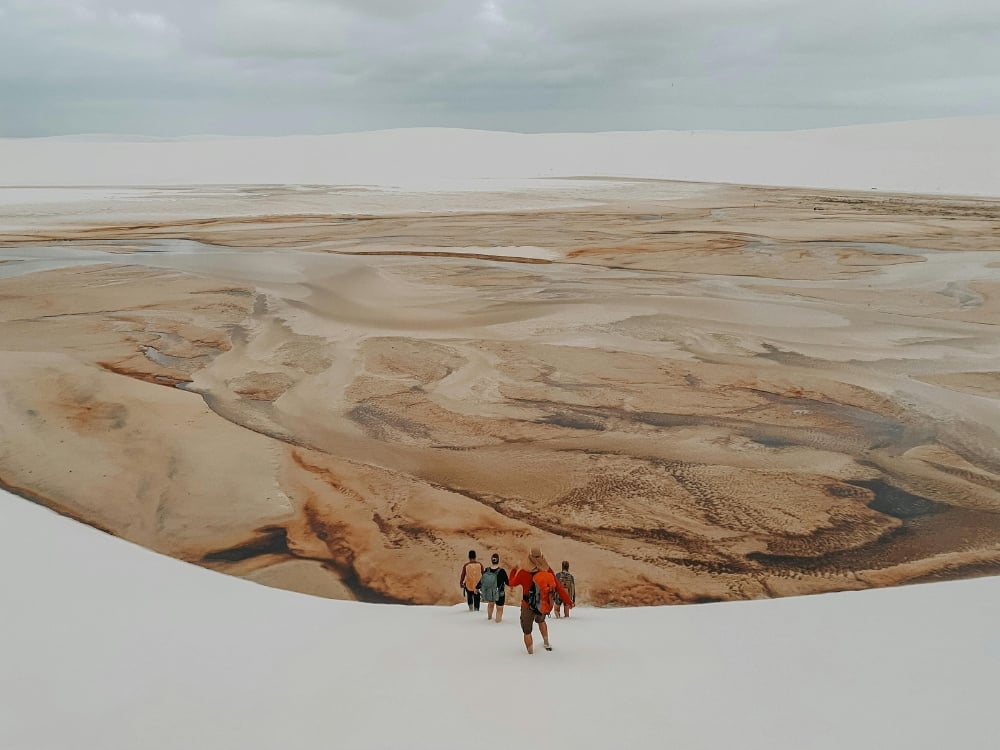
This seasonal change not only alters the visual landscape but also affects the climate. During the end of the second semester, the strongest winds return, causing the dunes to grow and move more quickly.
While it would be fun for the lagoons to be full all year round, it’s essential for the ecosystem that they dry out periodically. Continuous water accumulation, combined with local vegetation and organic matter, would otherwise lead to excessive algae growth, making the water slimy and the lagoons unsuitable for swimming.
👉 Read more: 10 Facts About the Lençóis Maranhenses
Weather and seasonality: best time to visit the dunes and lagoons in Lençóis Maranhenses
The best time to visit Lençóis Maranhenses is from May to September, when the rainy season has just ended and the lagoons are at their peak.
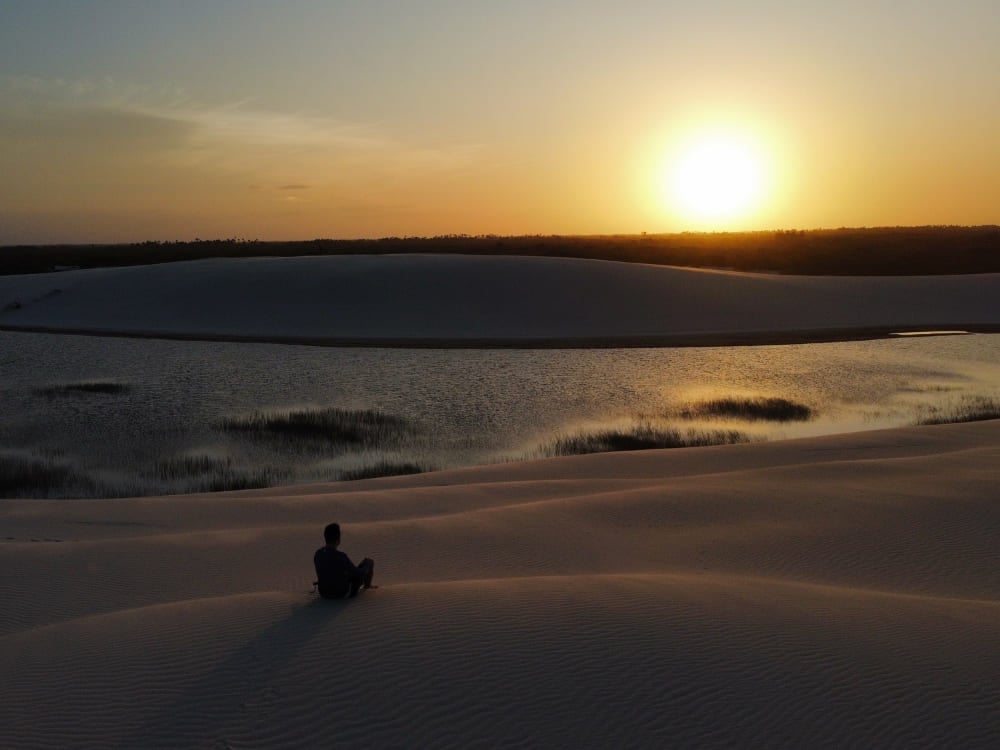
The weather during this period is sunny, free of rain, and marked by pleasant temperatures, perfect for hiking across the park and taking a refreshing dip in the lagoons.
Although the beginning of the dry season is considered the ideal time for visiting, each month offers a different kind of beauty. Whether it’s the vibrant lagoons of the rainy season or the giant dune formations of the dry period, Lençóis never ceases to amaze.
👉 Read more: When is the best time to visit Lençóis Maranhenses?
Visiting Lençóis Maranhenses’ dunes and lagoons with PlanetaEXO
Now that you know how Lençóis Maranhenses was formed, it’s time to see its surreal beauty up close!
PlanetaEXO is an ecotourism platform specializing in Lençóis Maranhenses tours. Working alongside the best local operators, our team helps you with hassle-free vacation planning, from bookings to tailor-made experiences. Contact us now!
Keep reading
July 31, 2026
Amazon Rainforest Vacation: 7 Activities That Fill Your Days in the Jungle
Hiking, piranha fishing, night spotting and river beaches — see what an Amazon rainforest vacation in Brazil actually looks like, day by day.

July 27, 2026
How to Visit the Pantanal in Brazil: Travel Guide
Are you wondering what the best way to visit the Pantanal is? In this travel guide, you’ll find everything you need to plan your trip to Brazil’s wildlife haven. Home to the greatest population of jaguars in the world, and the best wildlife watching destination in Brazil, the Pantanal has hundreds of different species of […]
July 27, 2026
When is the best time to visit Lençóis Maranhenses?
Lençóis Maranhenses is an all-year-round destination, but the weather is stable and the iconic lagoons are full right after the rainy season The best time to visit Lençóis Maranhenses is from May to September, when the lagoons are at their fullest after the rainy season and the weather is generally more stable. Outside that period, […]