
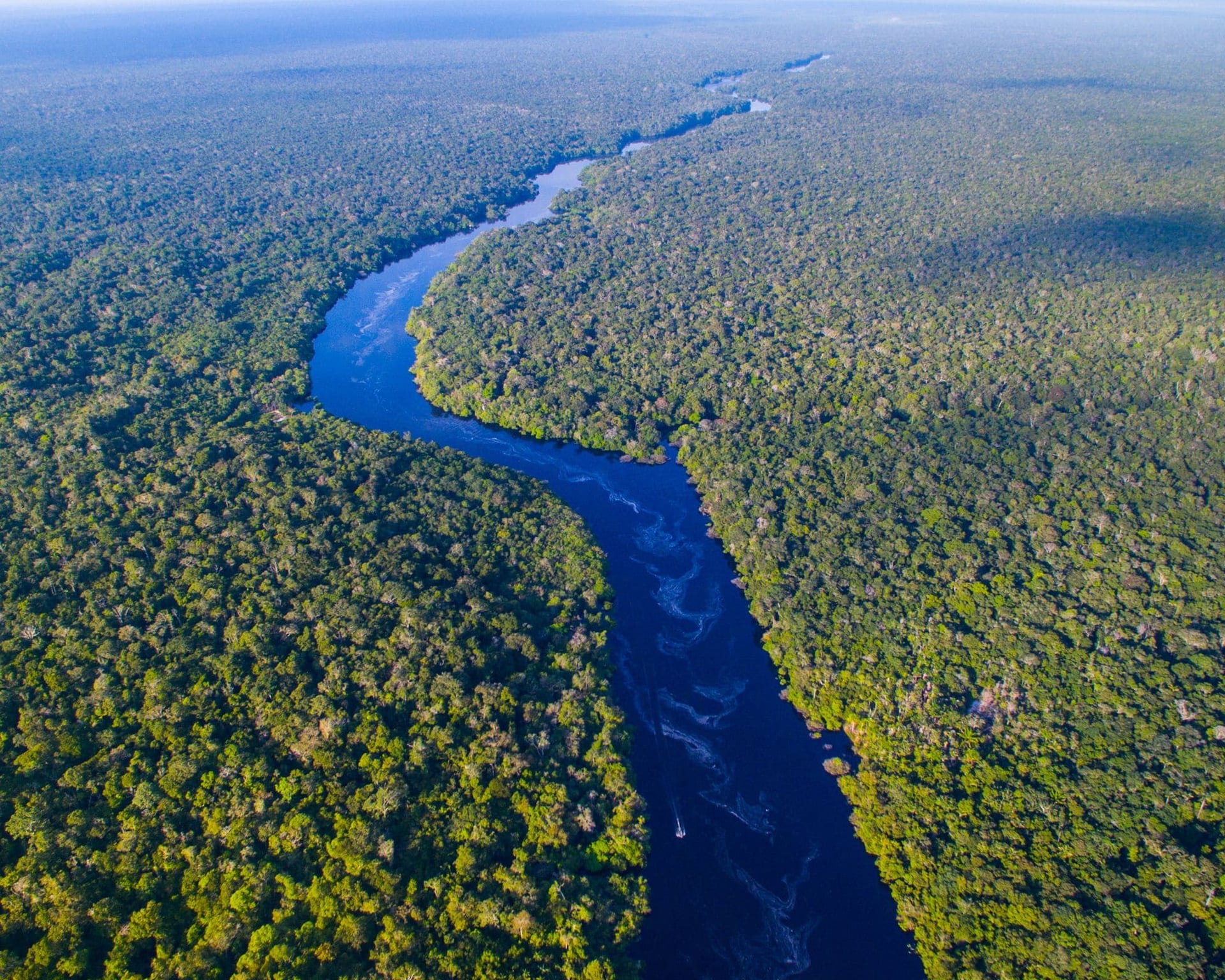
Understand the importance of the world’s largest river regarding ecological balance, cultural preservation, and ecotourism
Brazil’s Amazon River is a continent-spanning hydrological system that determines weather patterns as far away as Texas and the Sahara. Its sheer size and great importance to the ecosystem make it a key element to the Earth’s balance.
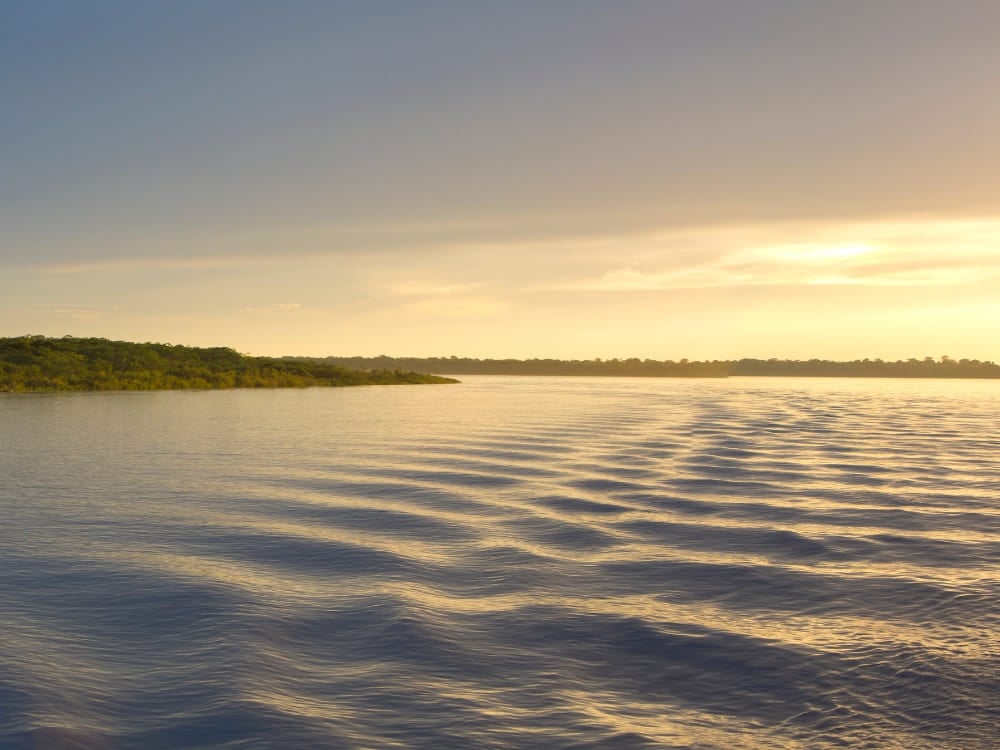
As a central point of the Amazon Rainforest, the river directly affects the economy and the local culture. Millions of people depend on its waters to make a living and to preserve a rich heritage of traditions belonging to groups who have lived in the region for hundreds of years.
PlanetaEXO, an ecotourism platform specializing in Amazon Rainforest tours in Brazil, has been running trips on the Amazon River Basin for years. To help you understand more about it, we’ve created a guide covering aspects of its geography, seasons, wildlife, and much more. Check it out below!
The Amazon River by the numbers
For a long time, the Nile River in northeastern Africa was considered the longest river in the world. However, in July 2008, a study published by Brazil’s National Institute for Space Research (INPE) found that the Amazon River is the longest waterway on the planet.
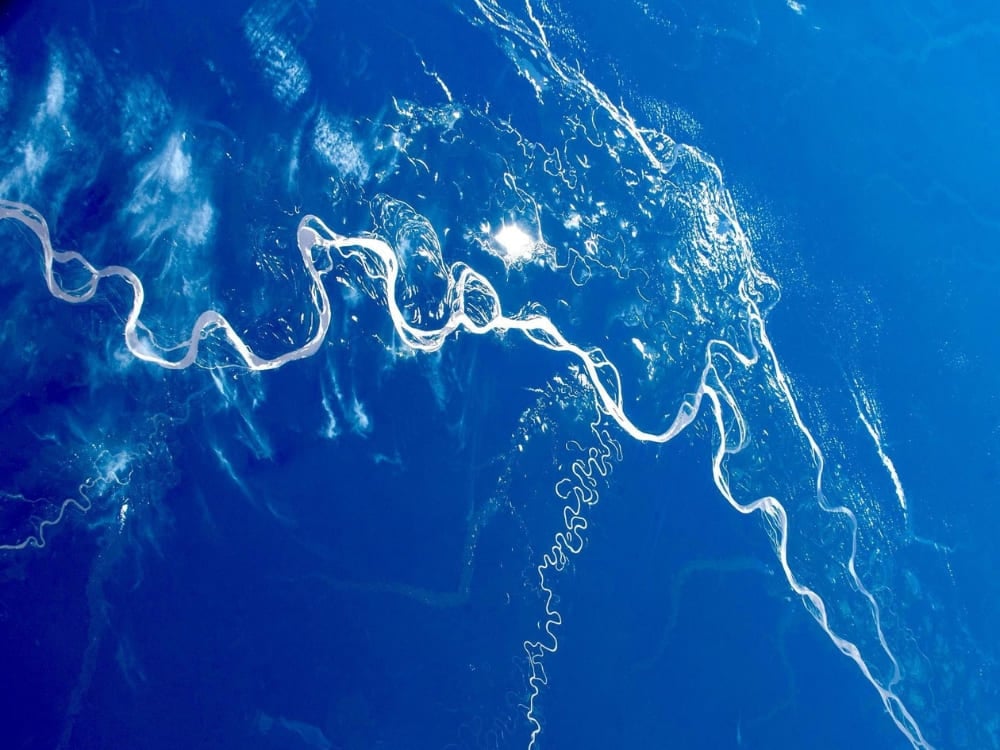
With the help of satellite imagery and remote geoprocessing technology from the Brazilian Space Program, INPE concluded that the Amazon is 6,992.06 km long, while the Nile extends itself for 6,852.15 km—a difference of 140 km.
Here are other impressive numbers:
- Discharge: around 209,000 cubic meters per second—roughly one-fifth of all the fresh water flowing into the world’s oceans. The next-biggest river (the Congo) discharges about a quarter as much.
- Width: varies from 1.6 km in the dry season to over 40 km in some flooded sections during peak rains. Average width through the Brazilian stretch sits around 8–12 km.
- Depth: averages around 50 meters and reaches 100 meters in places—deep enough for ocean-going ships to navigate to Manaus, 1,500 km inland.
- Tributaries: more than 1,100, of which seventeen are themselves over 1,500 km long. The Rio Negro, which meets the main channel at Manaus, is the world’s largest blackwater river.
- Basin: The Amazon River Basin covers 7 million km² across nine countries—approximately 40% of South America. Brazil holds about 60% of it.
👉 Read more: 15 Facts About the Amazon Rainforest in Brazil
Where the Amazon River begins and where it ends
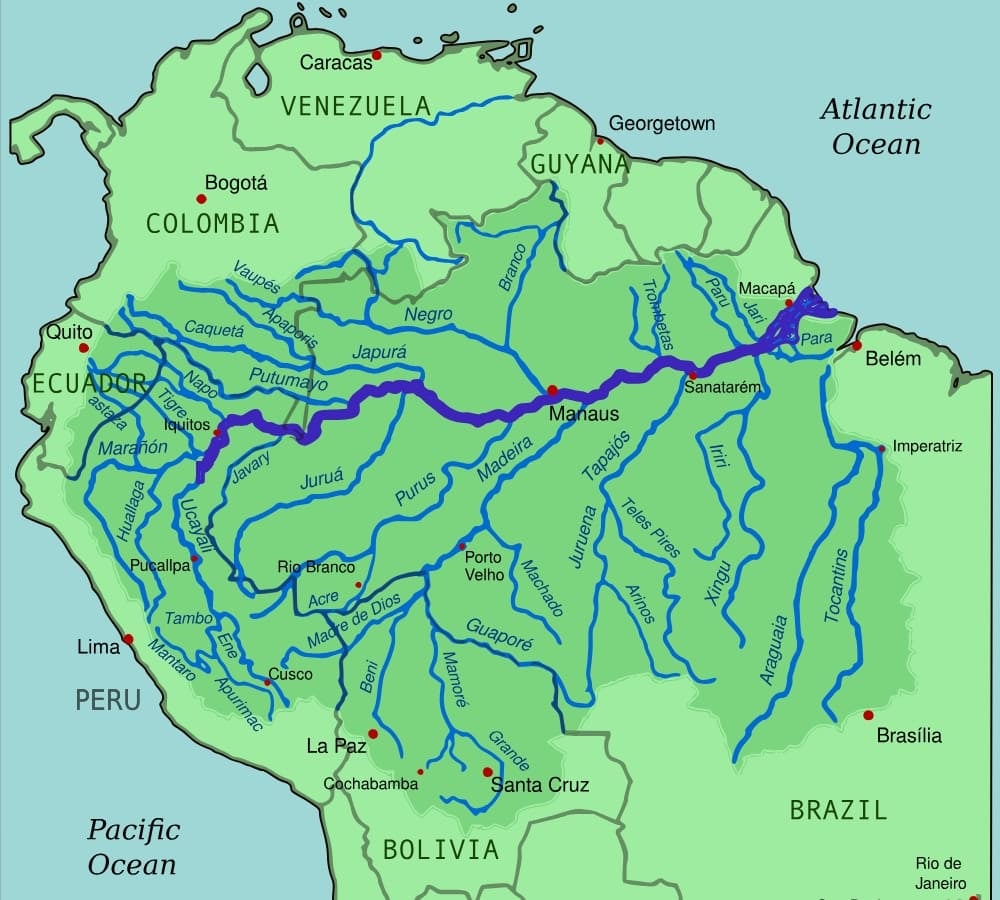
While the Amazon River is located in Brazil, various expeditions conducted by INPE, the Peruvian Military Geographic Institute, the Brazilian National Water and Sanitation Agency (ANA), and the Brazilian Institute of Geography and Statistics (IBGE) have found that its source starts at roughly 5,200 meters above sea level in the Peruvian Andes—at a small glacial stream called the Apacheta, on the slopes of Nevado Mismi.
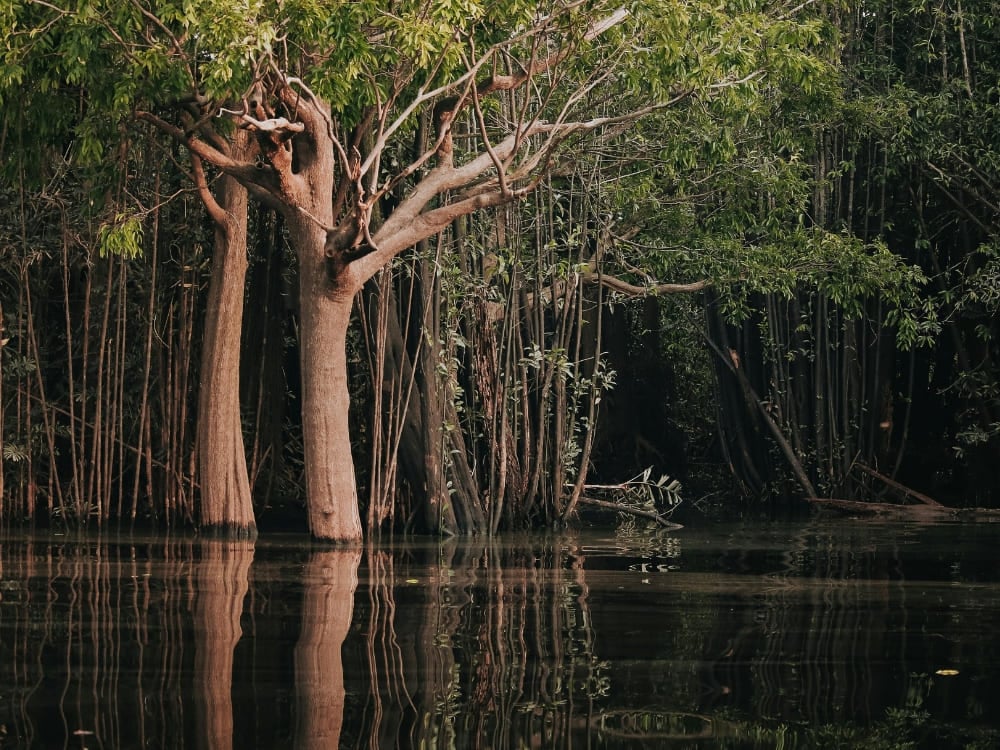
The water travels east, gathers tributaries, becomes the Marañón, then the Solimões as it crosses into Brazil, and finally, at Manaus, meets the dark Rio Negro and is renamed simply the Amazon for its final 1,500 km.
It empties into the Atlantic Ocean at the equator on Brazil’s northern coast, between the states of Pará and Amapá. The mouth is so wide (330 km) that an entire island the size of Switzerland (Marajó Island) sits inside it.
The ocean current pushes the river’s freshwater plume outward for over 200 km into the Atlantic; sailors used to know they were close to South America when they hauled up buckets of fresh water from the open sea.
To help you visualize such magnitude, see the map of the Amazon River below:
The Amazon River’s two seasons: high water and low water
The Amazon Rainforest has no real winter and summer but a wet season (roughly December to May) and a dry season (June to November). Naturally, the river swells and shrinks dramatically between them.
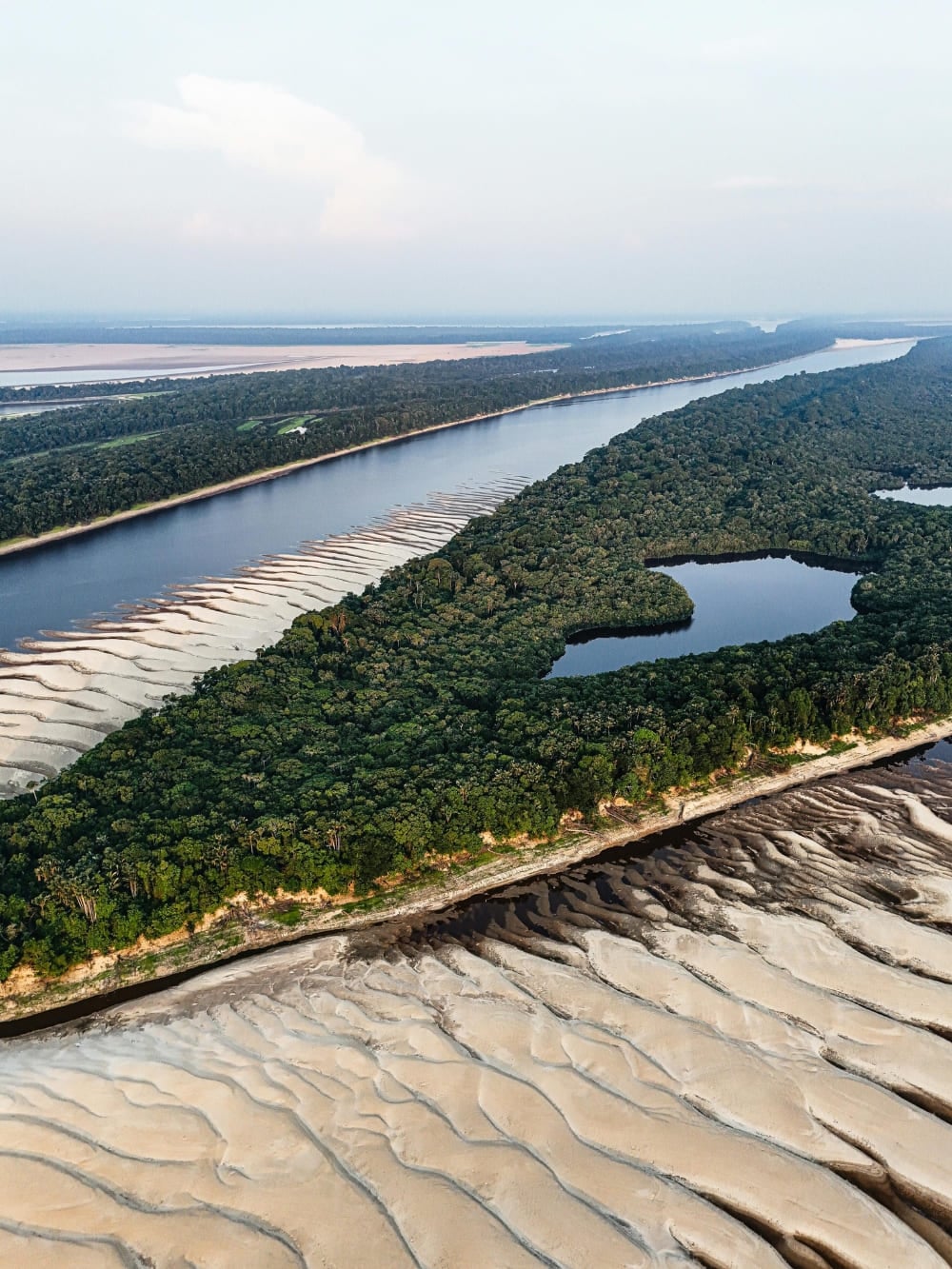
High water (December–May): the river rises 10–15 meters above its dry-season level. Vast areas of rainforest flood, creating the unique igapó (flooded forest) ecosystem where you can canoe between the trunks of standing trees. Wildlife concentrates in the canopy.
Low water (June–November): rivers drop, beaches appear, animals concentrate around shrinking water sources, and visibility on land hikes is much better.
👉 Read more: When is the Best Time to Visit the Amazon Rainforest in Brazil
Wildlife of the Amazon River in Brazil
The Amazon holds an estimated 30% of the planet’s known species—and possibly the same again, still undocumented. The river itself is home to some of the most distinctive of them.
What surprises most travelers isn’t just the wildlife inventory but also how the Amazon River makes it visible in ways no rainforest interior can. In a few minutes, the river reveals more than a multiple-hour jungle hike. This is the central reason most tours are water-based: the river is the corridor through which life moves.
Pink river dolphins
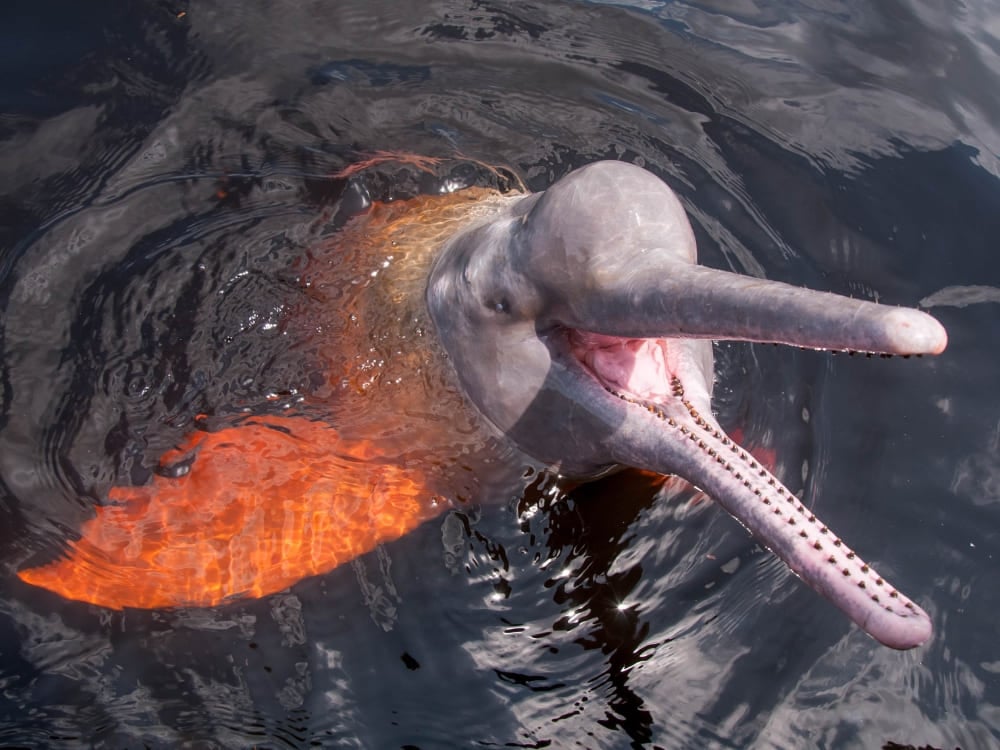
Larger and more curious than their ocean cousins, Amazon river dolphins (botos-cor-de-rosa) are born gray and turn pink with age. With a friendly, curious personality, they surface near boats out of pure interest and often interact with humans.
Black caimans
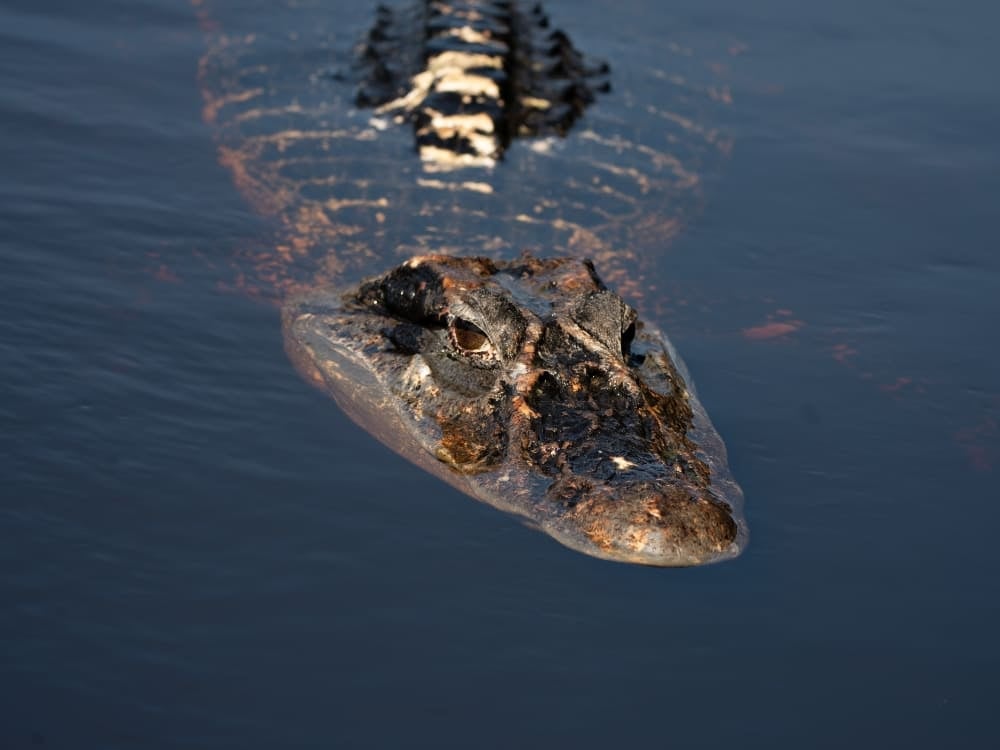
Solitary and mysterious, the black caiman is the Amazon’s apex aquatic predator, growing up to 5 meters. A major attraction for nighttime spotlighting tours, they’re easily spotted at night by their orange eyeshine.
Anacondas
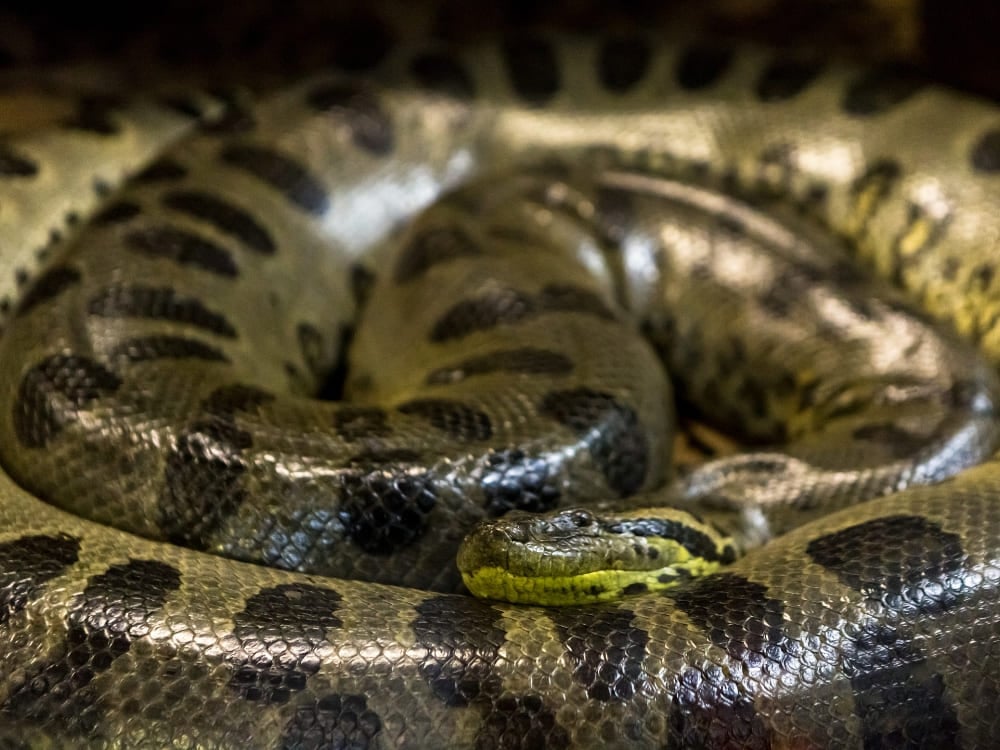
The green anaconda is the world’s heaviest snake, found in the slow-moving channels and oxbow lakes of the basin. Mostly seen in dry season when water levels expose them.
Piranhas
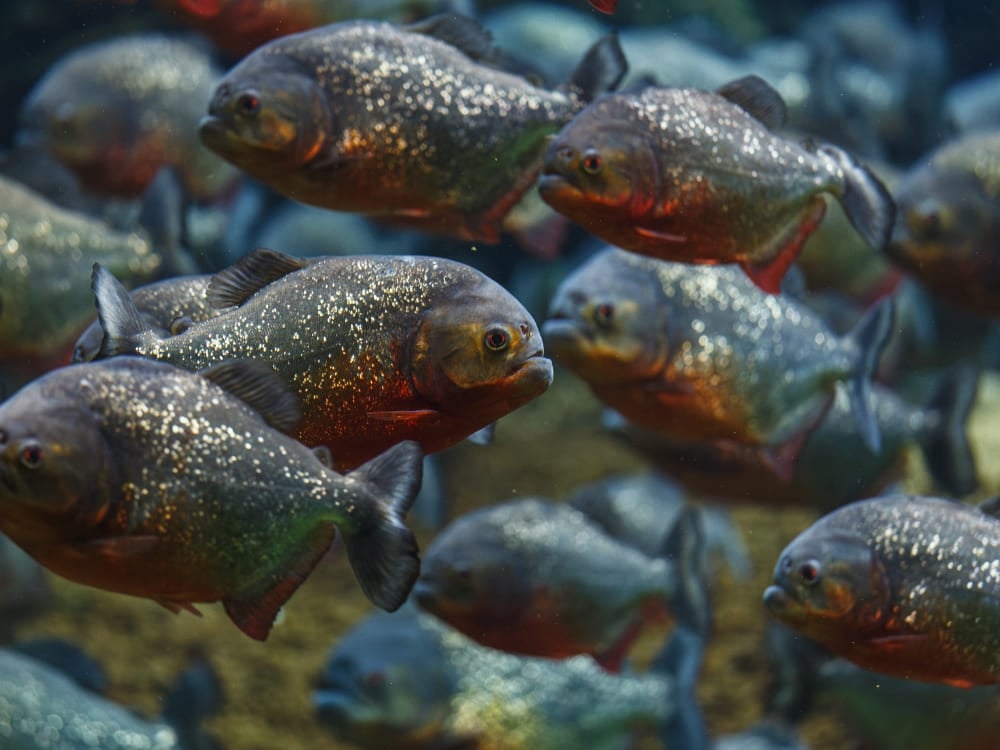
Less terrifying than the movies suggest, most species of piranhas are scavengers—the genuinely aggressive red-bellied piranha is real but accounts for a fraction of the genus. As one of the most traditional ingredients in Amazonian cuisine, they are incorporated into daily meals, mainly in stews.
Pirarucu
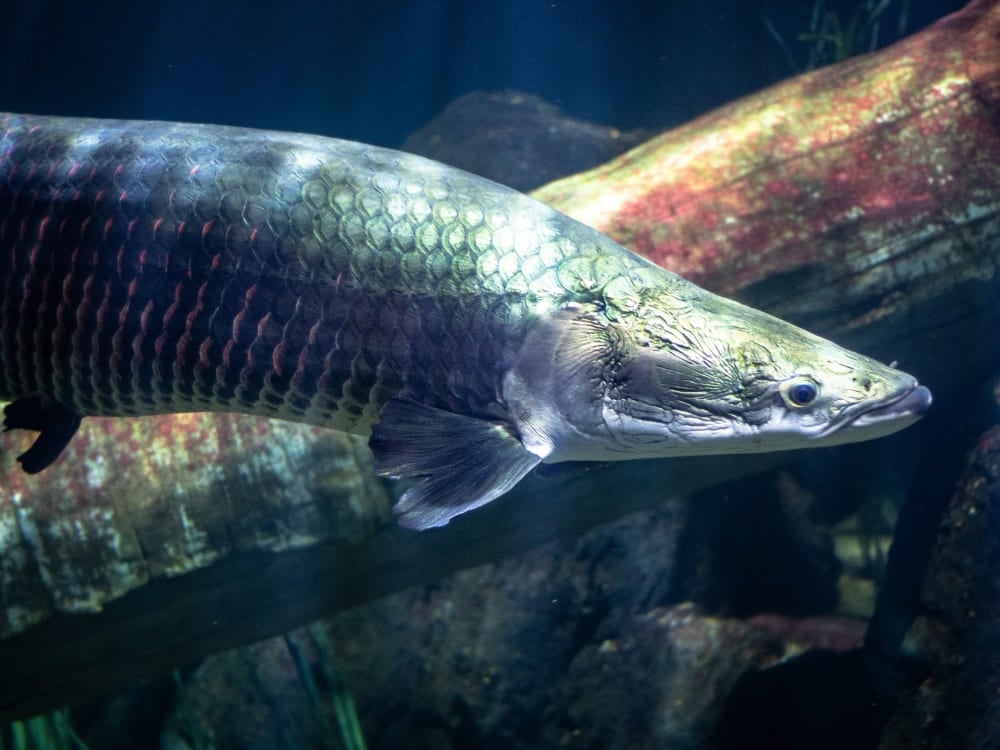
One of the world’s largest freshwater fish, growing to 3 meters and 200 kg. Being air-breathing, it has to surface every few minutes. A staple food in the region and now carefully managed.
👉 Read more: 15 Amazon Animals – Unravel the Wildlife in Brazil
The people of the Amazon River
More than 30 million people live in the Amazon River Basin across Brazil, Bolivia, Colombia, Ecuador, French Guiana, Guyana, Peru, Suriname, and Venezuela; the largest concentration is along the river itself and its main tributaries.
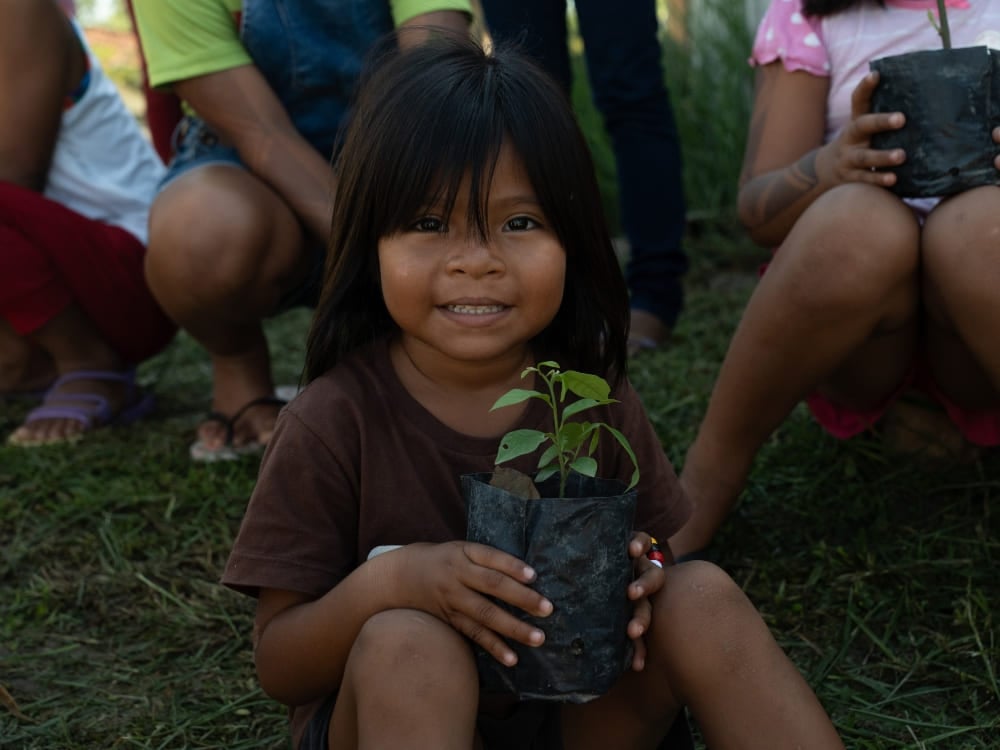
Roughly 3 million belong to indigenous groups, including the Yanomami, Kayapo, Tikuna, and Munduruku—speaking more than 240 distinct languages.
Many communities are small ribeirinho (riverside) settlements of caboclo people, descended from indigenous and Portuguese ancestry, living from fishing, farming small floodplain plots, and harvesting forest products like açaí and Brazil nuts.
To ensure that indigenous and riverside communities are properly valued, tourism operators truly committed to sustainable practices lead tours that respect traditions, establish boundaries, and share profits fairly. This way, Amazonian culture can be shared and enriched responsibly and in a balanced manner, avoiding conduct that puts the community and the environment at risk.
How to experience the Amazon River in Brazil
There are four practical ways most travelers experience the river. The right one depends on your comfort level, time, and budget.
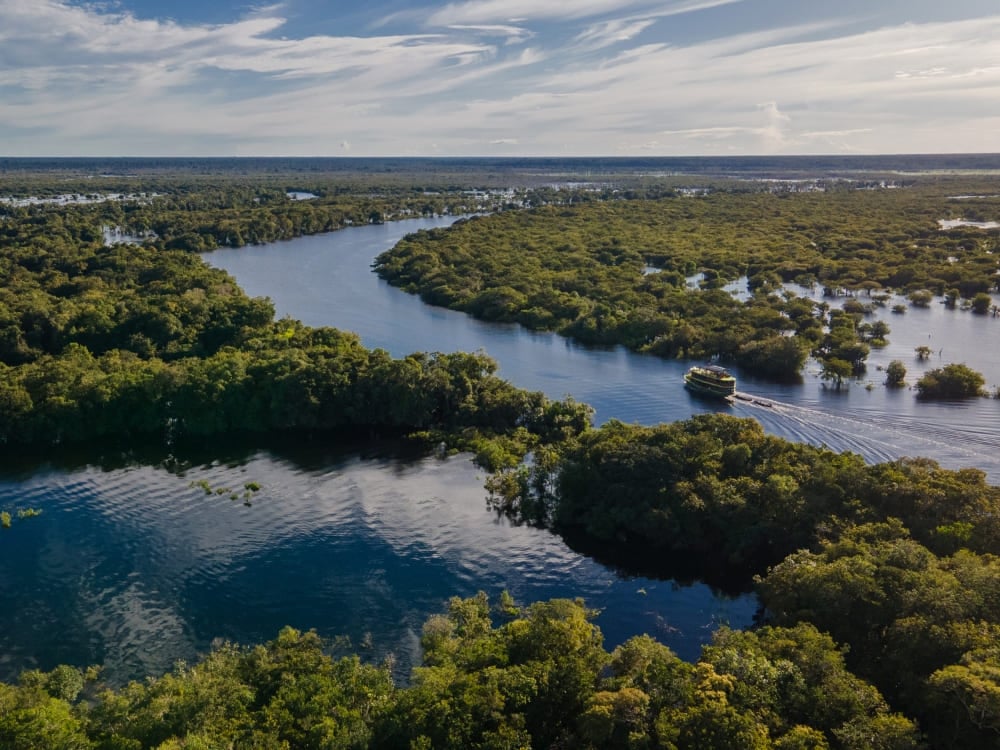
Amazon River Cruises
Multi-day cruises move you through the river system aboard a small ship with cabins, meals, and a daily program of guided excursions. This is the most efficient way to see distance—you cover stretches of river that no lodge can reach. Comfort ranges from rustic to luxury Amazon river cruises in Brazil.
👉 Read more:
- Best Amazon River Cruises in Brazil
- What’s the Best Time of the Year for Amazon River Cruises in Brazil?
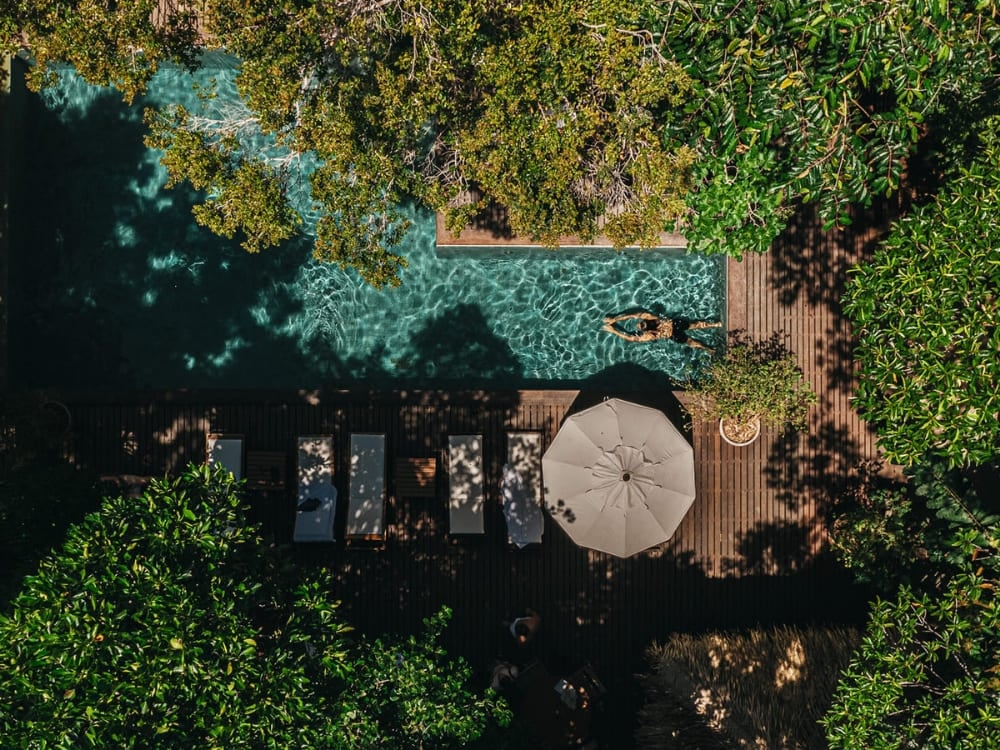
Jungle Lodges
Jungle lodges sit on tributaries off the main river and use small boats for daily excursions, providing great accommodations, a variety of leisure spaces, and premium services—just like any high-rated hotel.
You unpack once and explore one stretch of rainforest deeply. Best for travelers who want to settle in!
👉 Read more: Best Amazon Jungle Lodges in Brazil
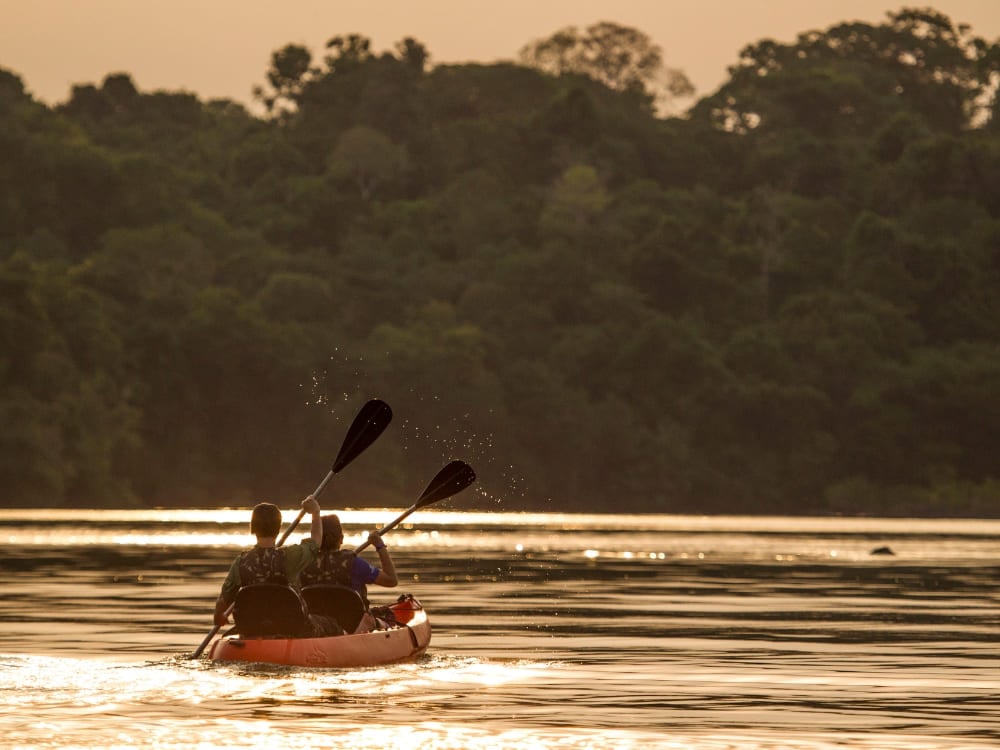
Kayak and Small-Boat Expeditions
Active travelers who want intimacy with the river can paddle smaller tributaries with a guide. Less wildlife distance, more physical engagement.
👉 Explore the adventure: 4-day Amazon Kayak Tour Brazil
Day Trips and Short Stays from Manaus
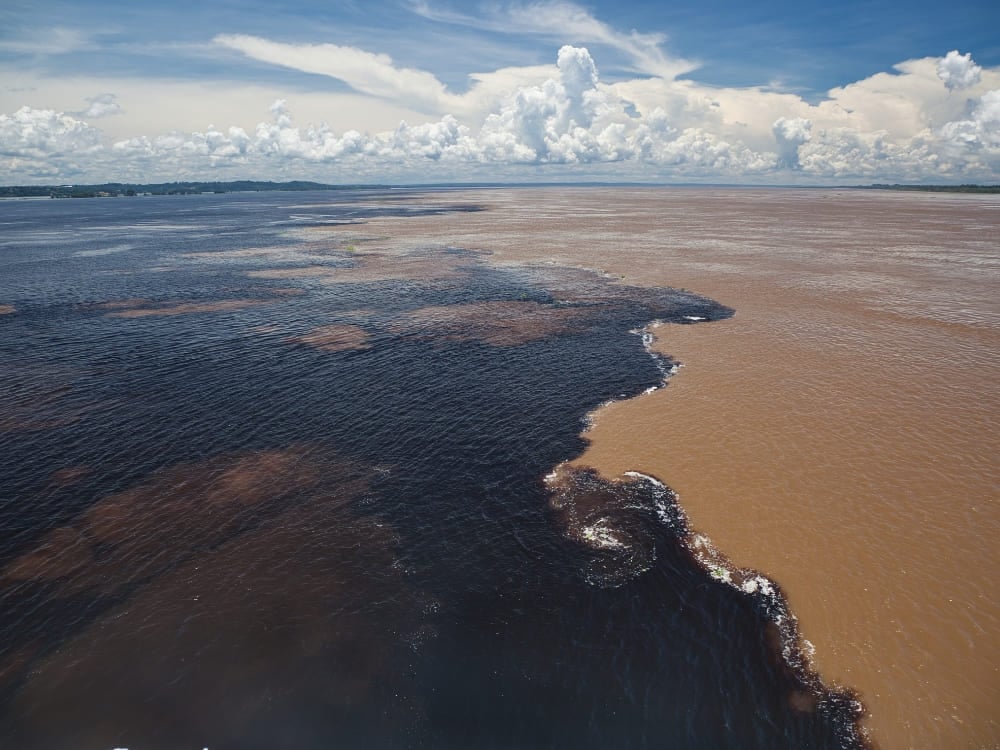
If you only have one or two days, day trips from Manaus, capital of the state of Amazonas, reach the Meeting of the Waters—where the black Rio Negro meets the muddy Solimões—and small communities downstream. Worth doing even if you’re staying in a lodge!
👉 Explore the adventure: 3-day Amazon Jungle Tour from Manaus
Everything You Need to Know about the Amazon River, Brazil
Given its vital role for Brazil, South America, and global ecological stability, the Amazon River is a complex system that naturally generates many inquiries. PlanetaEXO addresses several of these key questions below.
How long is the Amazon River?
6,992.06 km (4,344 miles), making it the longest river in the world in terms of length and water volume.
How deep is the Amazon River?
Average depth is around 50 meters; maximum recorded depth exceeds 100 meters in places.
How wide is the Amazon River?
It varies from 1.6 km in the dry season to over 40 km in the flooded wet season. The mouth of the Atlantic is 330 km wide and contains an island the size of Switzerland.
In which country is the Amazon River?
It crosses Peru, Colombia, and Brazil, with about 60% of its course in Brazilian territory. The basin extends across nine countries: Brazil, Peru, Colombia, Venezuela, Ecuador, Bolivia, Guyana, Suriname, and French Guiana.
Is the Amazon River safe to visit?
For travelers on guided trips with registered operators, yes. The rainforest itself is statistically safer than most cities. Standard precautions apply for the gateway city Manaus.
👉 Read more: Is Manaus Safe? An Comprehensive Guide for Travelers Heading to the Amazon
Why is the Amazon River important?
The Amazon River Basin produces an estimated 6–9% of the world’s oxygen, regulates rainfall across South America, and stores roughly 120 billion tonnes of carbon in its forests.
Its discharge into the Atlantic influences ocean currents and global climate. Practically, it sustains the world’s most biodiverse ecosystem and directly supports tens of millions of people.
Can you swim in the Amazon River?
In some places, yes. The dark waters of the Rio Negro are largely free of piranhas and caimans in their main channel and are commonly swum during cruises and lodge stays.
The muddy Solimões/Amazon main channel is a different story; locals don’t swim there, and neither should you. Always follow your guide’s lead.
Visit the Amazon River in Brazil with PlanetaEXO
If you’ve made it this far, you’re not just researching for school—you’re probably trying to plan a trip. Luckily, PlanetaEXO, an ecotourism platform specializing in Amazon Rainforest tours in Brazil, can help you with that!
In partnership with the best local operators out there, we design tailored itineraries that cater to all your preferences and needs, taking care of bookings, transfer options, and everything you need for an unforgettable trip. This way, all you have to do is enjoy the Amazon’s beauty. Contact us now!
Keep reading
September 23, 2026
PlanetaEXO’s new mini-doc showcases ecotourism in Lençóis Maranhenses
In “Lençóis Maranhenses: Far From The Crowds, Close To What Matters”, PlanetaEXO’s mini-doc shows how ecotourism is changing life for local communities.
September 23, 2026
10 Facts About Onçafari, Brazil’s Jaguar Conservation Project
Discover 10 facts about Onçafari: its racing-driver founder, jaguar habituation, results in 4 biomes, and where to see the project in Brazil.
September 21, 2026
Exciting, Comfortable, Funny: Sally’s Family Trip to the South Pantanal
A British family’s 4 days on a South Pantanal cattle ranch: horse riding, a sharp-eyed guide, caipirinhas, a broken finger and honest advice.