
From the meaning of the name to its main attractions and rich history, learn everything about Jalapão in Brazil
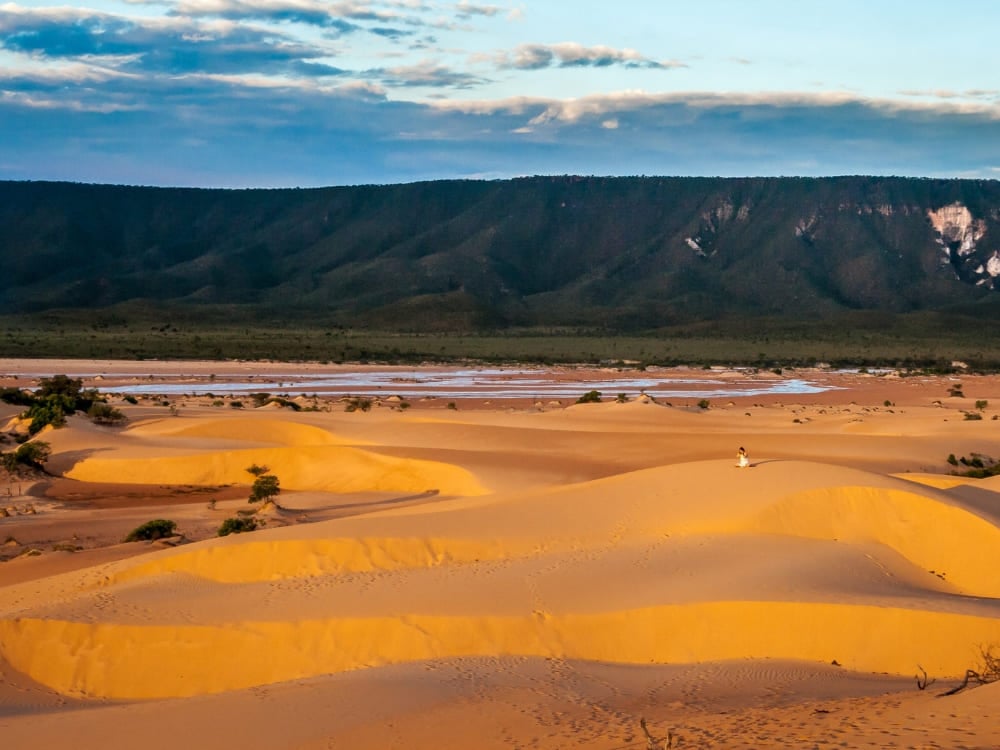
Known for its remote beauty, Jalapão is a place where rivers form crystal-clear springs, sand dunes rise in the middle of the savanna, and communities preserve centuries-old traditions. These features make it a paradise for those who love both adventure and culture.
But beyond the natural scenery, this destination carries stories that surprise even the most experienced travelers. From the formation of fervedouros to the craftwork of capim-dourado and the history of the quilombo territory, every Jalapão fact has a tale to tell.
Curious to learn more? PlanetaEXO, an ecotourism platform specializing in Jalapão tours, has put together a list with 10 fascinating facts about your next vacation spot. Check them out below!
1. Largest State Park in Tocantins
Created in 2001, the Jalapão State Park covers an area of 158,800 hectares. Not only is this the largest state park in Tocantins, but it’s also South America’s most significant savanna.
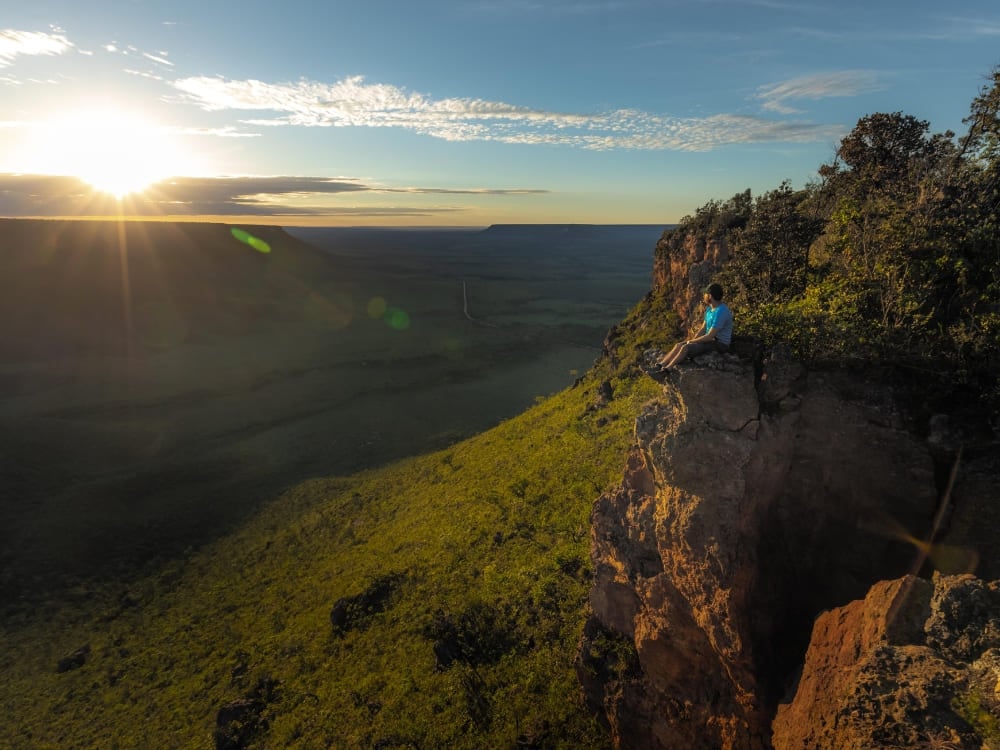
Extending itself across the municipalities of Mateiros and São Félix do Tocantis, Jalapão protects dunes, springs, waterfalls, and vast wildlife corridors as one of the most important conservation units of the Cerrado, a biome that has lost large portions of its native vegetation in recent decades.
2. The Meaning of “Jalapão”
Here’s a Jalapão fact that everyone’s curious about: What does the name mean?
According to historians, it’s linked to a local medicinal plant called jalapa. Once abundant in the region, it was heavily used for its healing properties and became a reference point for travelers and residents.
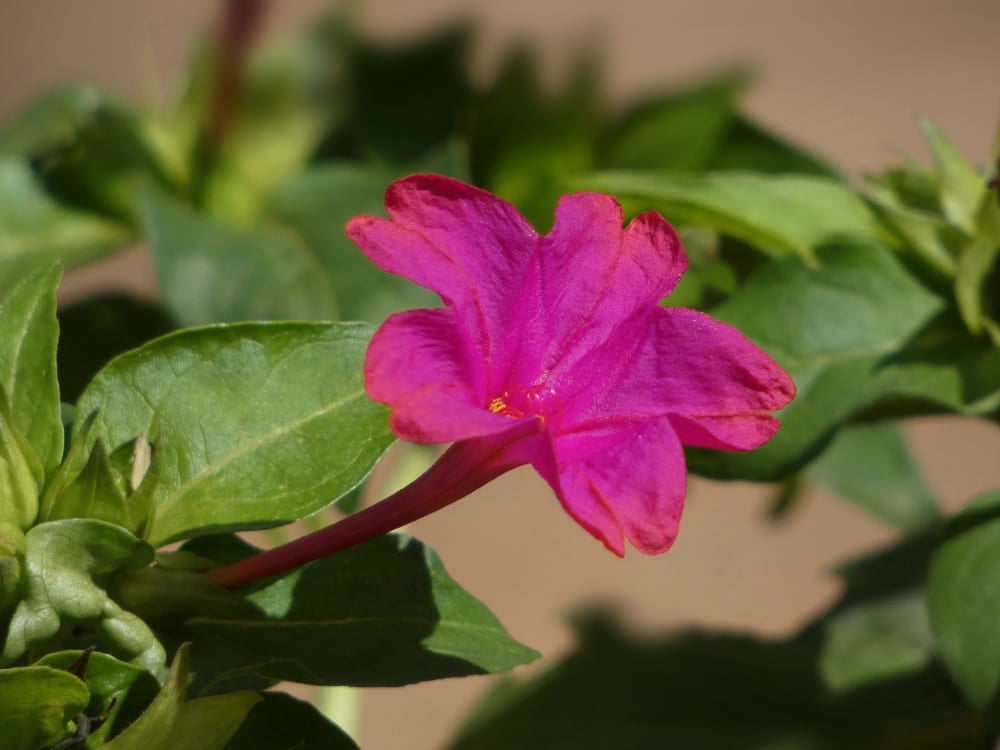
In Portuguese, the suffix “ão” suggests vastness or profusion. Therefore, the meaning of Jalapão is something like “the land with an abundance of jalapas,” reflecting both the natural resources of the past and the richness of today’s landscapes.
3. Once a Sea
Millions of years ago, Jalapão was covered by an ancient sea. The park’s rock formations, plateaus, and canyons are remnants of this prehistoric landscape. Sandstone walls, eroded over millennia, still reveal marine fossils and ripple marks.
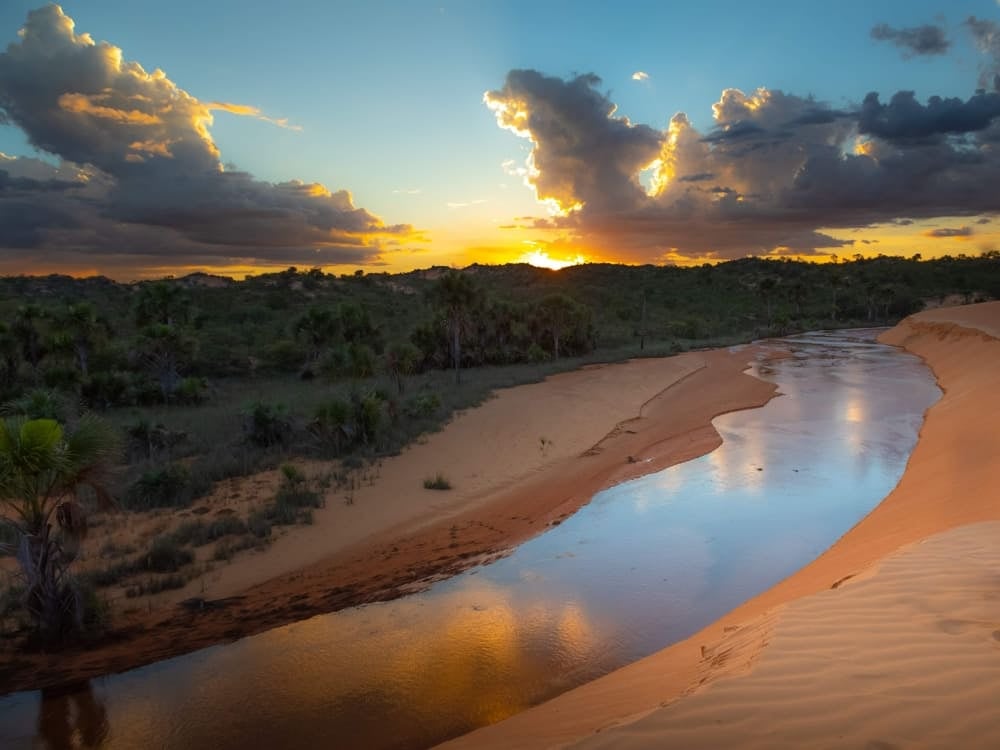
This geological past explains the presence of wide sandy areas, rugged cliffs, and fertile valleys, while the constant action of water and wind has shaped the land into the unique combination of dunes, rivers, and springs we see today.
Travelers walking through Jalapão are essentially crossing what was once the seabed. Next time you hike its trails, imagine that the golden sand under your feet was part of a vast ocean floor!
4. The Fervedouros of Jalapão
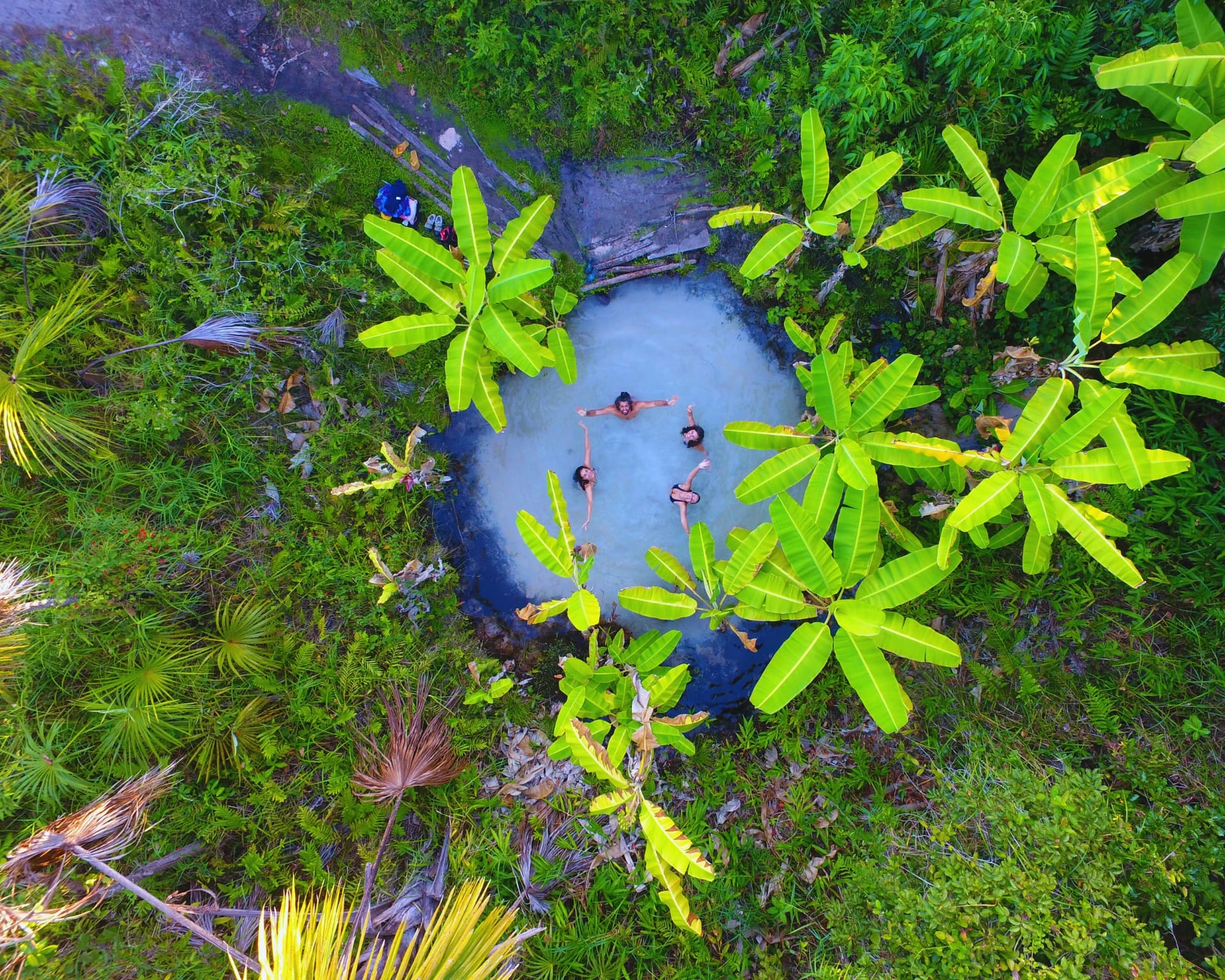
How can water bubble endlessly from the ground without ever drying up? Jalapão’s fervedouros are natural karst springs formed when underground rivers push water through fine sand with high pressure. This constant upflow makes the surface bubble and creates a buoyancy effect so strong that it’s impossible to sink.
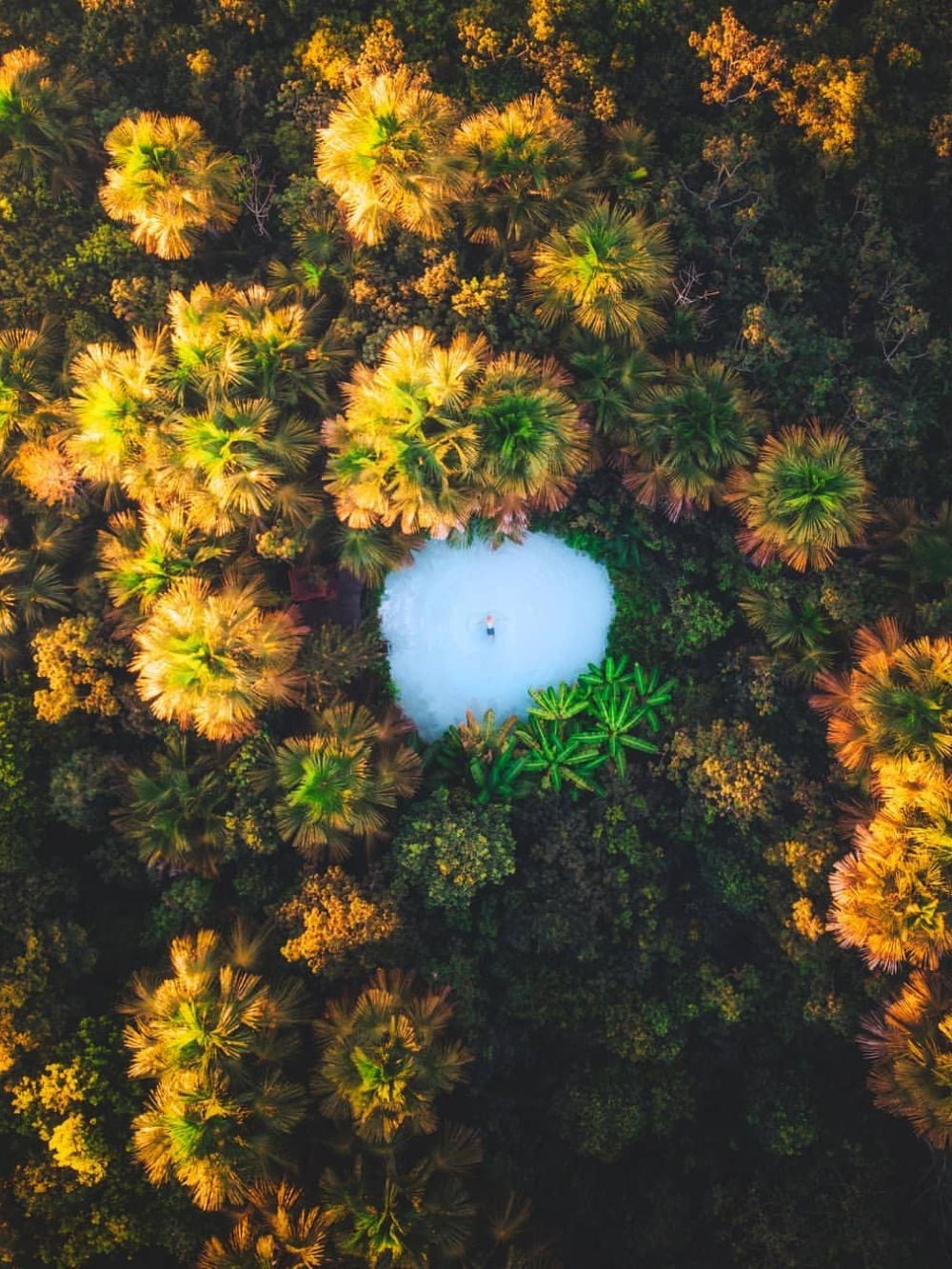
There are over a hundred fervedouros in the Jalapão State Park, but only a handful are open for visitation. Some of the most beautiful (and most famous) are Bela Vista, Alecrim, Buritis, Buritizinho, Soninho, Ceiça, Rio Sono, and Encontro das Águas.
These pools are exceptionally crystal-clear, ranging from turquoise to cyan, making them some of the most photogenic spots in Brazil. To protect them, rules are strict: only up to 8 people at a time, 20 minutes per group, and no sunscreen allowed before entering to avoid water contamination.
👉 Read more: What to do in Jalapão?
5. It’s Always Sunny in Jalapão
Jalapão is located in northern Brazil, one of the warmest regions in the country, which means the weather is always sunny. On the hottest days, temperatures easily reach 30 to 34°C, while the average minimum in the winter is between 15 and 20°C.
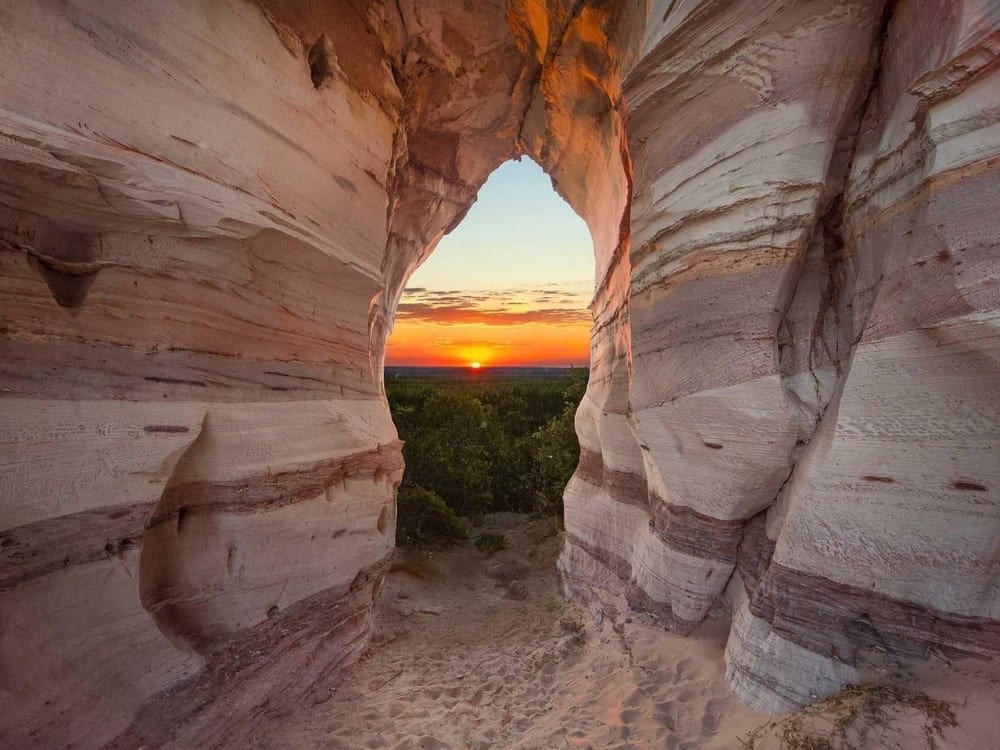
Even during the rainy season (October to April), the sun still brightens the sky and creates the perfect atmosphere for visiting the fervedouros and waterfalls.
6. Dozens of Waterfalls and the Novo River
In addition to the fervedouros, Jalapão is also home to dozens of waterfalls, such as Fumaça, Sussuapara, Soninho, Formiga, Lajeado, and Prata.
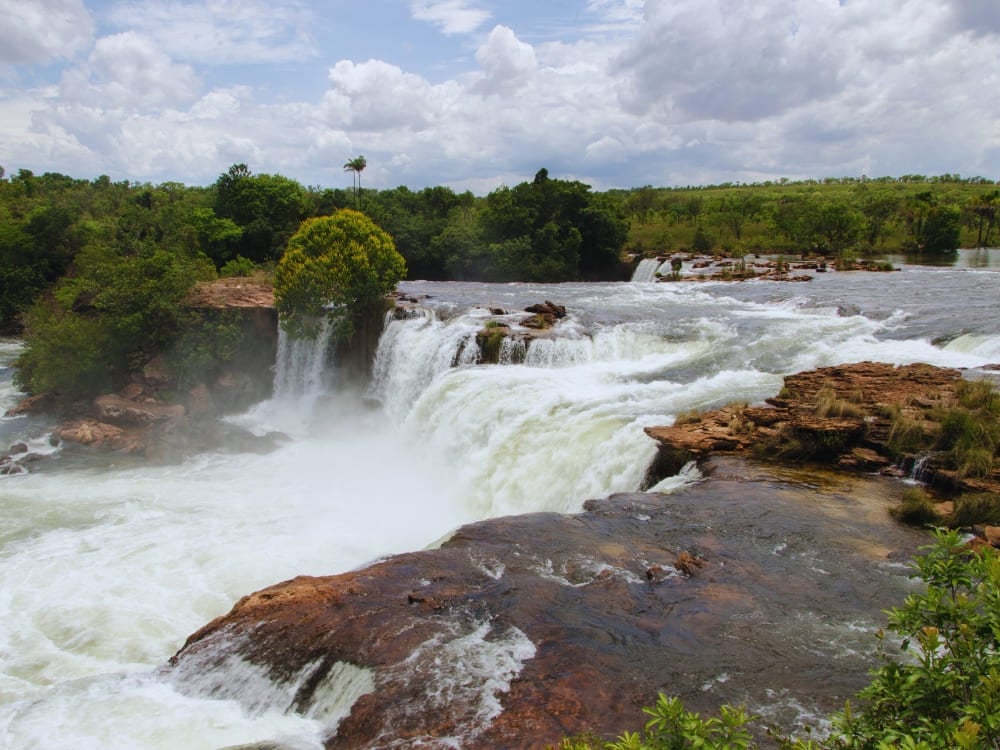
Velha Waterfall (Cachoeira da Velha), perhaps the most iconic in the entire park, is especially known for its horseshoe-like shape. Nearly 100 meters wide, it’s fed by the Novo River, one of the best-preserved rivers of drinkable water in the world.
Travelers also love Prainha do Rio Novo, a golden sand river beach perfect for tanning, relaxing, and simply appreciating the beauty of Jalapão State Park.
7. Japanese Lagoon
While not inside the Jalapão State Park, the Japanese Lagoon is part of the Jalapão circuit and is one of the region’s most beloved attractions.
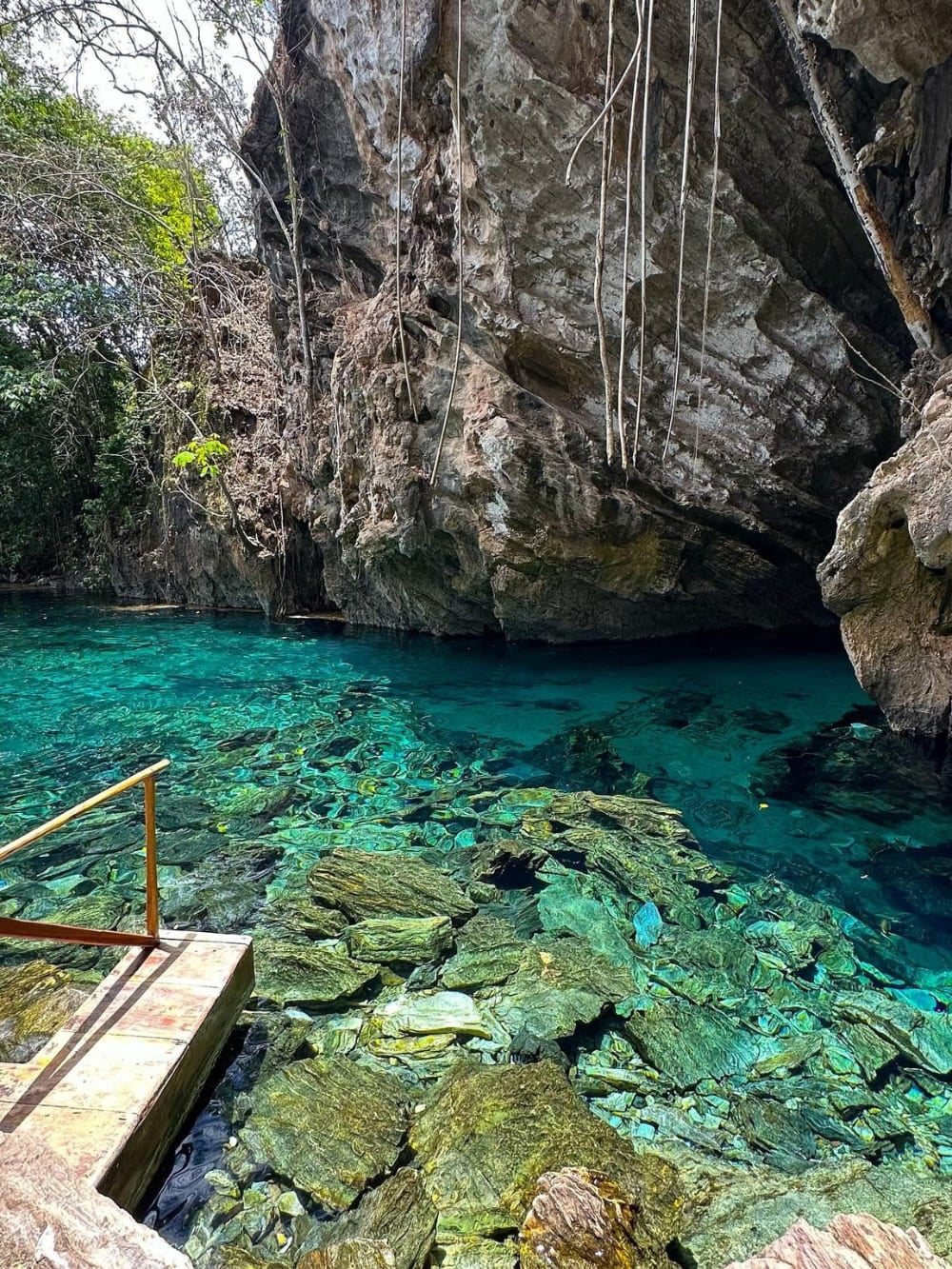
Situated in the city of Pindorama do Tocantins, the lagoon, with its crystal-clear blue waters and surrounded by rocky cliffs, is part of the Serra Gerais Ecological Station.
With great infrastructure, it includes restaurants, restrooms, camping, activities for children, hammocks, and equipment and shoe rentals (to protect feet from sharp rocks at the bottom of the lagoon).
Visitors to the Japanese Lagoon can swim, take boat trips, visit the cave, and try the zip line.
👉 Read more: 15 Ecotourism Destinations in Brazil
8. Quilombola History and Traditions
The Rota Quilombola connects three communities in Jalapão: Mumbuca, Prata, and Rio Novo. These villages originated as forms of resistance during Brazil’s colonial period, when quilombos—hinterland settlements founded by people of African descent who escaped slavery—became safe havens for freedom and cultural preservation.
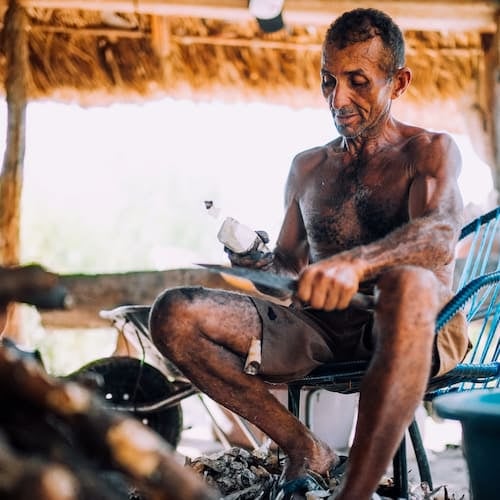

In Mumbuca, travelers discover the art of capim-dourado with local artisans. In the town of Prata, rapadura (traditional sweet made with sugarcane), cachaça with Cerrado herbs (Brazilian destilled drink also made with sugarcane), and organic farming show the connection between food and culture. Meanwhile, Rio Novo holds stories of freedom and settlement by the river that inspired its name.
Visiting these places means sharing experiences. From workshops and music by the fire to local recipes and river dips, the Rota Quilombola invites travelers to support sustainable tourism while learning about living history.
9. Capim-Dourado, the Golden Grass of Jalapão
One of Jalapão’s cultural treasures is the capim-dourado, a plant whose golden stems shine like metal. Local artisans harvest it carefully, weaving it into jewelry, baskets, and decorative items that are admired across Brazil.
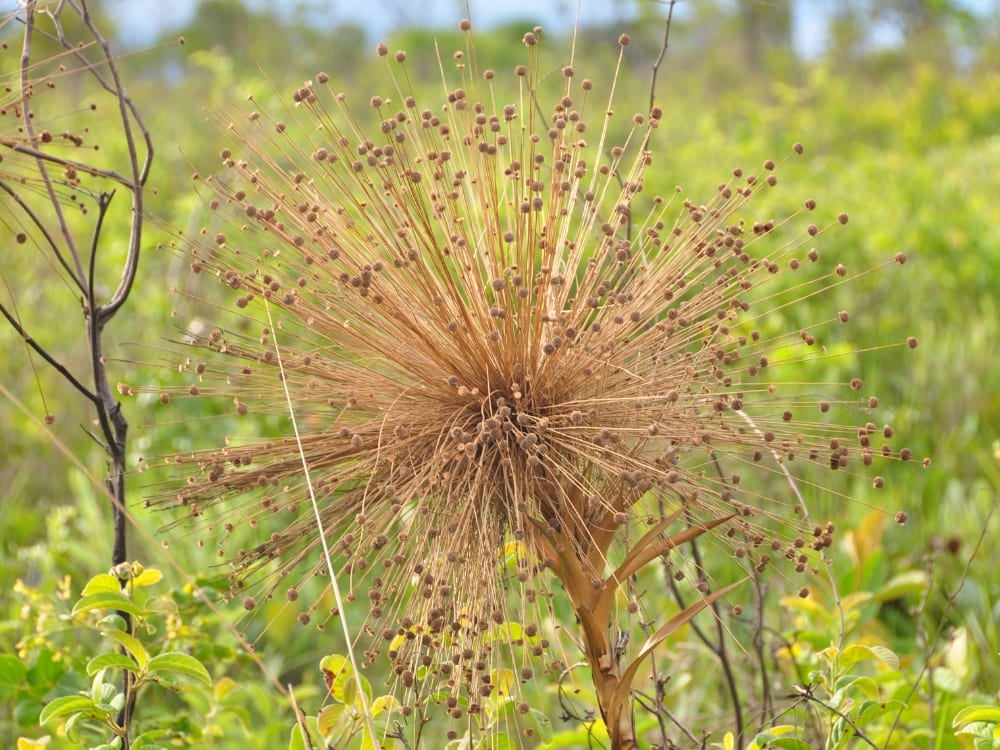
The craftwork of this golden grass is not only beautiful but also symbolic, representing the connection between people and nature that passes down through generations. For many families, it’s also a main source of income.
Owning a piece of capim-dourado means carrying home part of Jalapão’s identity. Visitors can buy directly from communities like Mumbuca, ensuring that their purchase supports sustainable livelihoods.
10. Rich Biodiversity
Another fact about Jalapão that is worth mentioning is its fauna and flora, both typical of the Cerrado.
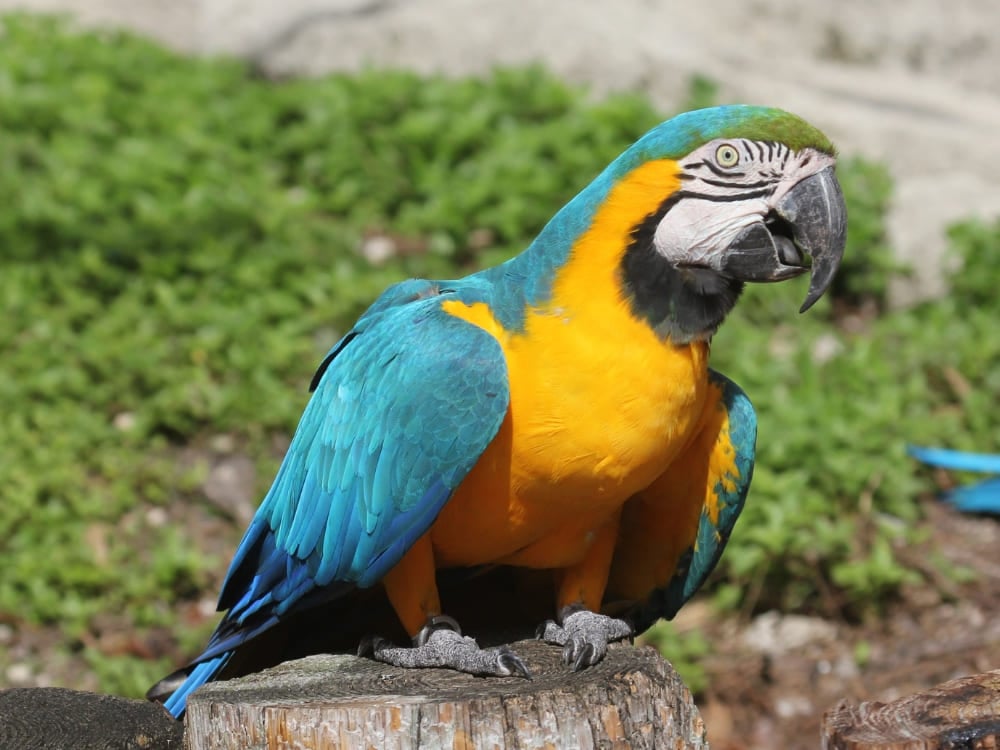
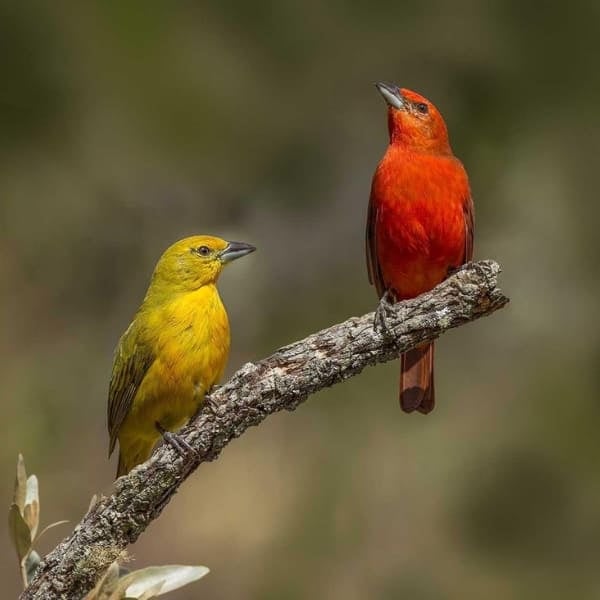
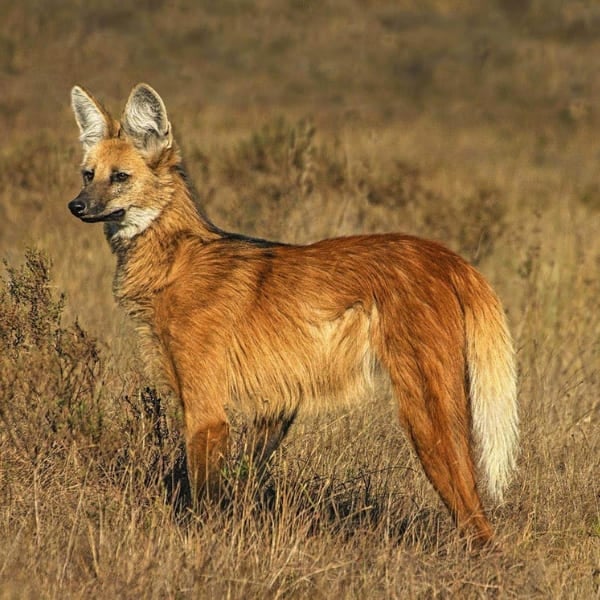
Maned wolves, giant anteaters, giant armadillos, peccaries, small lizards, and possums roam its territories, while birds like blue-and-yellow macaws, parakeets, and rufous horneros fly across the sky. The Brazilian merganser duck, a highly endangered species, also lives in the area.
The flora is equally rich, with buriti palms, golden grass fields, and rare orchids coloring the scenery.
👉 Read more: 20 Animals in Brazil – Wildlife Facts and Where to Find Them
Exploring Jalapão with PlanetaEXO
At PlanetaEXO, an ecotourism platform specializing in Jalapão tours, every journey supports local guides, quilombola communities, and artisans who keep traditions alive.
When you choose responsible tours, you also contribute to protecting the Cerrado’s fragile ecosystems. Each adventure is carefully planned to minimize impact and maximize positive contributions while you enjoy the best vacation of your life. Contact us now!
Keep reading

July 16, 2026
10 fascinating facts about the Amazon pink river dolphin
Discover 10 fascinating facts about the Amazon pink river dolphin — shifting colours, a 180° neck and ancient legends. Explore the Amazon with PlanetaEXO.
June 25, 2026
Crossing Lençóis Maranhenses on Horseback: Patricia’s Solo Adventure in Brazil
Patricia crossed Lençóis Maranhenses on horseback, solo. Her 4-week Brazil story: endless dunes, a guide with no GPS, and real disconnection.
June 1, 2026
How to visit the Lençóis Maranhenses National Park: Travel Guide
Learn everything you need to know to travel to Lençóis Maranhenses in Brazil, including how to get there, the best time to visit, main activities, and more! Are you seeking adventure, relaxation, and breathtaking views? Then you should head to Lençóis Maranhenses National Park, a vast expanse of undulating sand dunes and crystal-clear pools that […]