


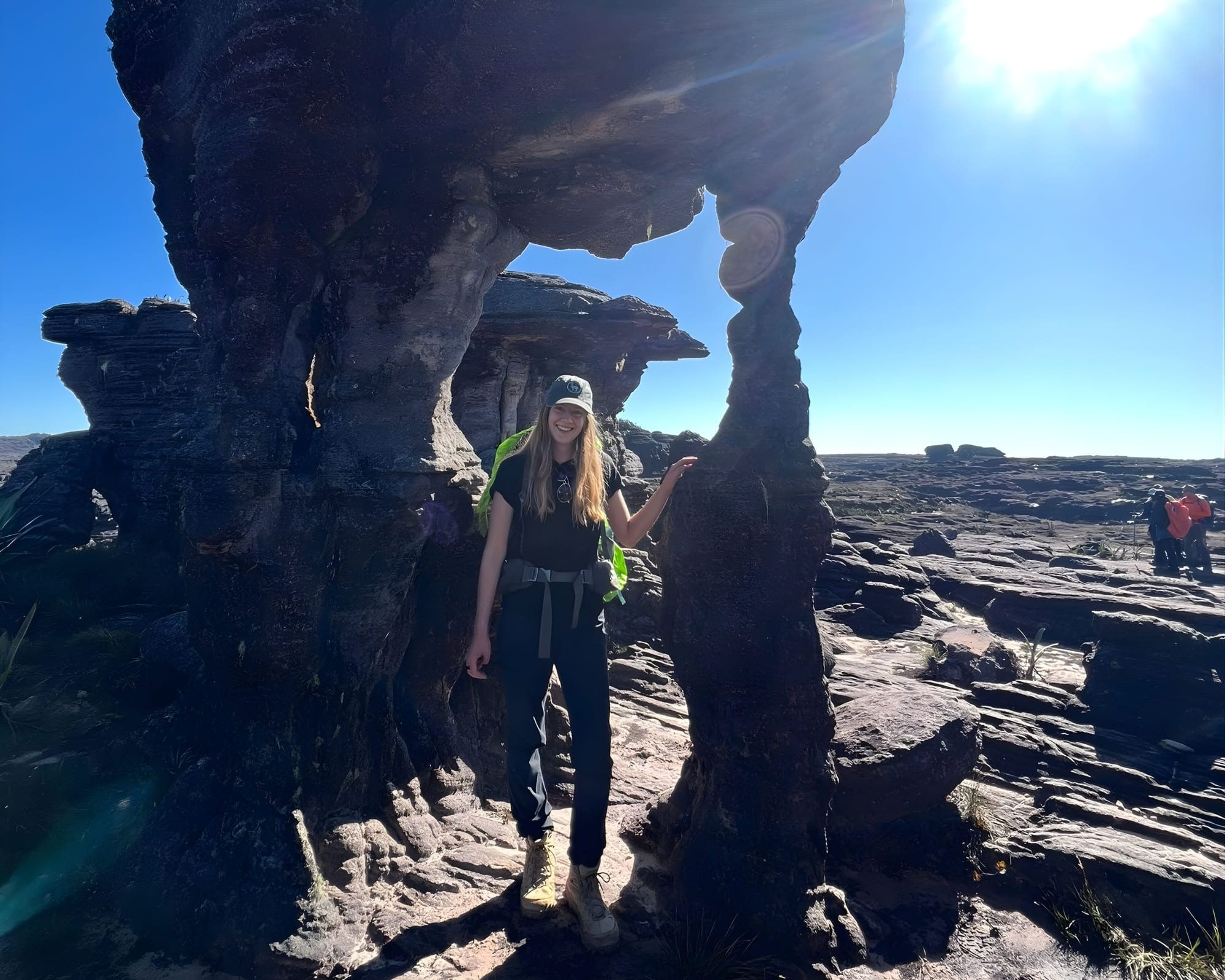

Olivia Bird is a young traveler who crossed the world to climb one of South America’s most impressive mountains
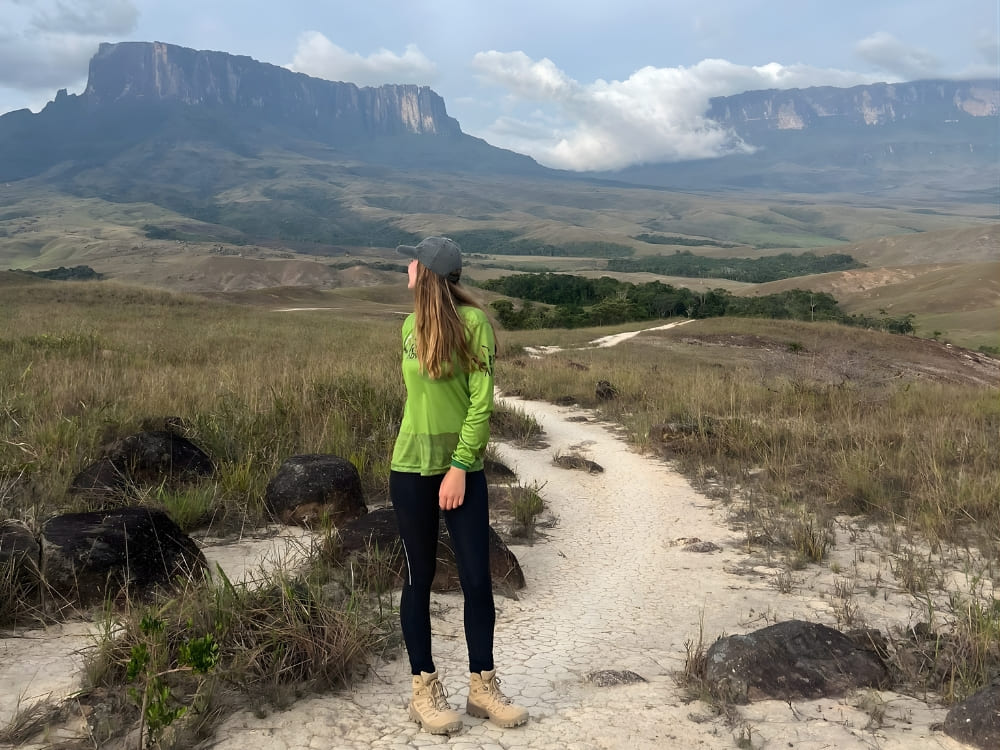
Twenty-four-year-old Olivia Bird had spent her academic life in New Zealand studying alpine plant communities, but she was about to step into an entirely different world. Embarking on her first-ever solo trip to South America, her sights were set on Mount Roraima, a majestic tepui (table mountain) on the border of Brazil and Venezuela that inspired the classic 1912 novel The Lost World, by Sir Arthur Conan Doyle.
.
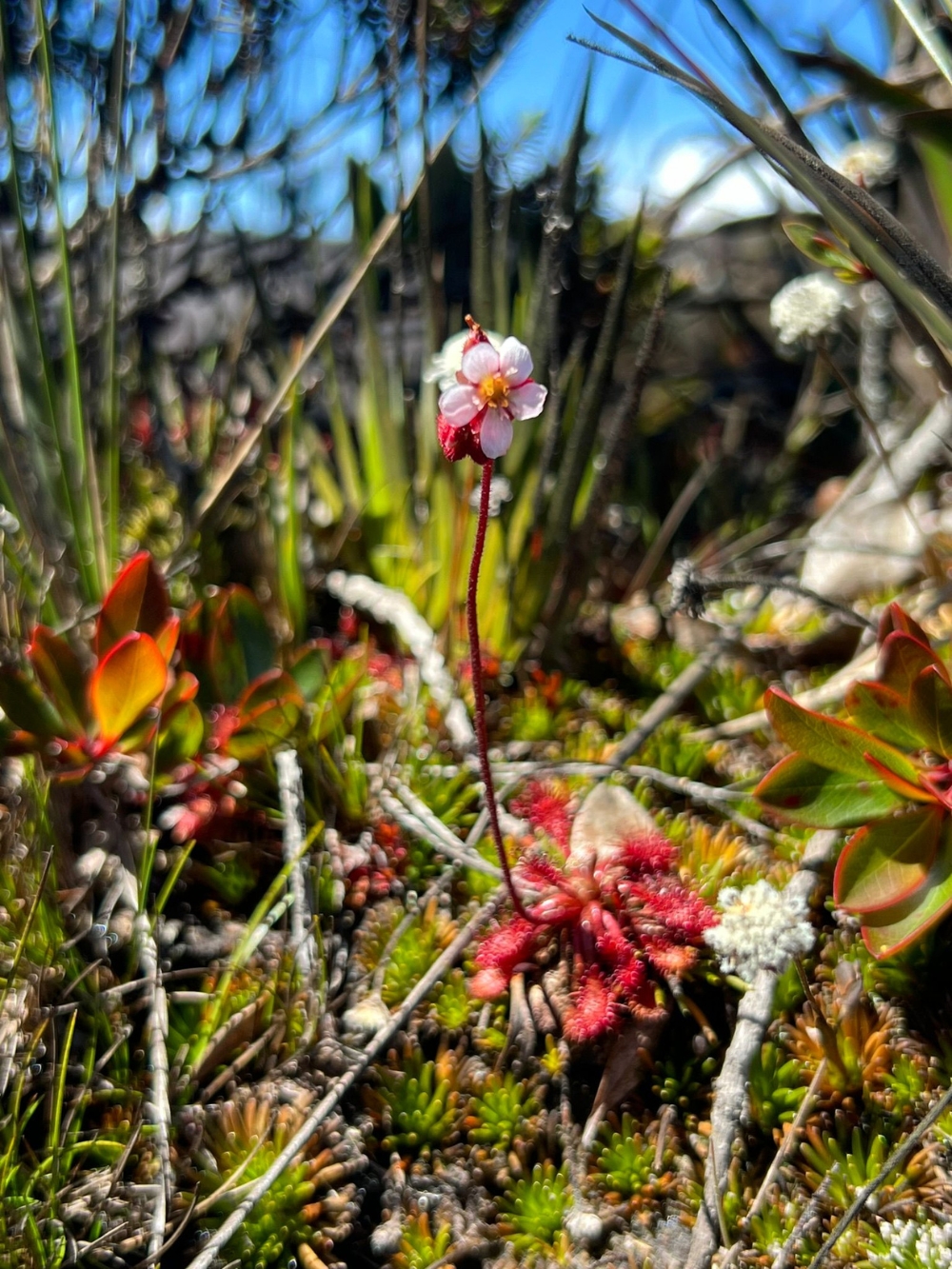
For an ecologist, the tepuis are a dream destination. “They are incredible sources of endemic biodiversity,” Olivia explains. “Because of their height and isolation, unique species have evolved completely cut off from the rest of the world. It’s a living laboratory.”
Olivia entrusted PlanetaEXO, an ecotourism platform specializing in adventure tours in Brazil, to explore one of the country’s most remote regions. She also shared her inspiring story for Women’s Month. Check it out below!
Overcoming the pre-trip nerves
Before leaving, Olivia admitted to feeling the weight of her ambitious itinerary. “I was definitely nervous” she recalls. “The travel advisories regarding Venezuela had made me anxious. But PlanetaEXO and the local partner organized a video call before the trip. Speaking with them firsthand completely eased my fears. I knew I was in good hands.”
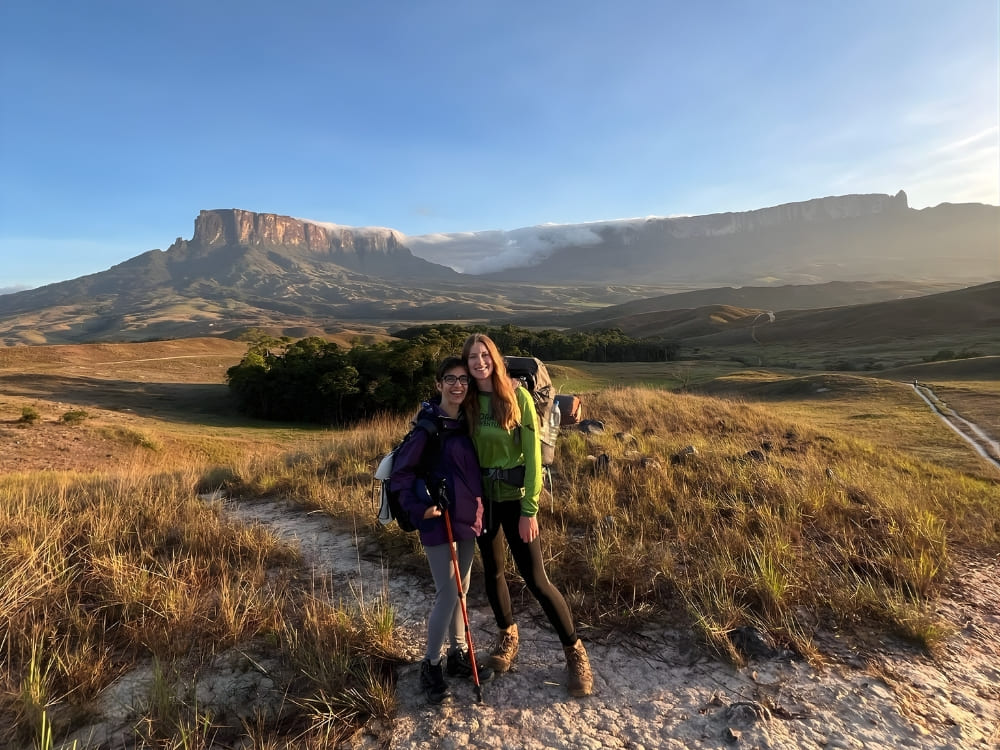
After a grueling series of transits crossing the planet, she finally arrived in Boa Vista, capital of the state of Roraima. Upon meeting her tour group, Olivia faced her first real challenge: she was the only non-Brazilian on the trek and the only native English speaker.
.
“During the first few days, I was so worried that I was going to be an inconvenience to the social flow of the group, but I couldn’t have been more wrong” she says, highlighting the camaraderie and friendliness of other travelers that made sure she got all the support she needed.
“I roomed with another solo female traveler from Brazil who immediately reassured me. The group was incredibly diverse, about half women, and they happily accommodated me by speaking English or taking the time to teach me Portuguese.”
👉 Read more:
- 5 adventure trips for women: safety, nature, and freedom
- Ecotourism in Brazil boosts solo travel for women through planning and support networks
The power of the mountain (and the people)
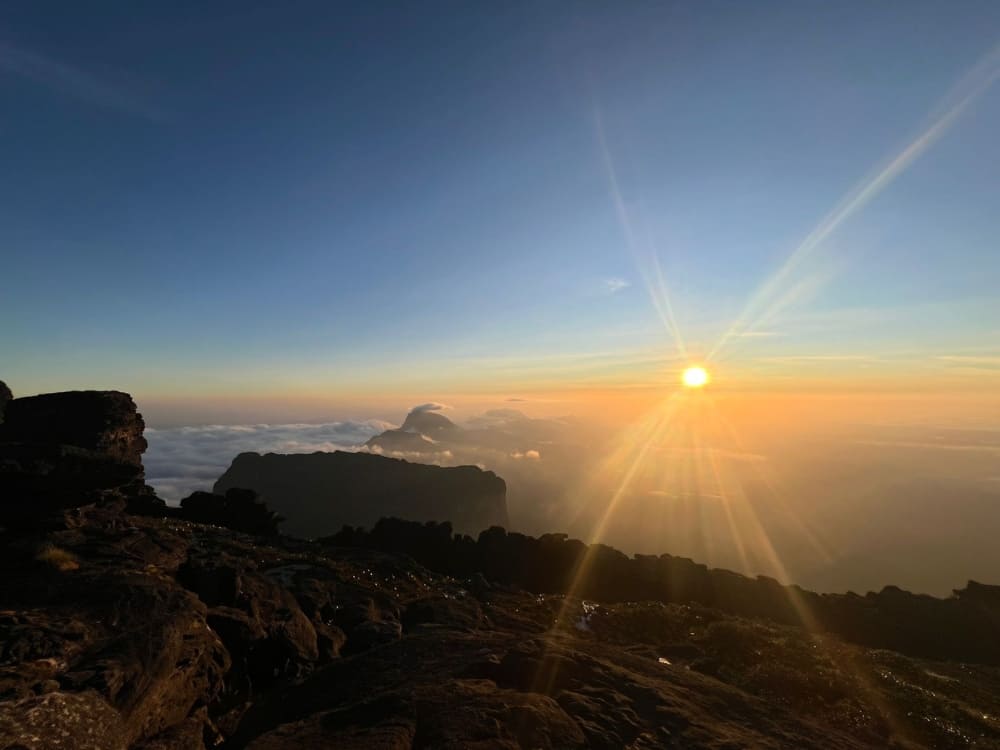
As the trek up Mount Roraima began, Olivia was constantly struck by both the awe-inspiring environment and the resilience of the local team.
“I was profoundly impressed by the indigenous porters, particularly the women” she marvels. “I watched women half my size, wearing nothing but flip-flops, effortlessly carry heavy supplies and literally pass us hikers struggling in our high-tech gear.”
The team didn’t just carry the gear; they provided a phenomenal culinary experience. “They brilliantly catered to my vegan diet. I was served up some of the best food I had ever eaten, right there on the side of a mountain.”
.
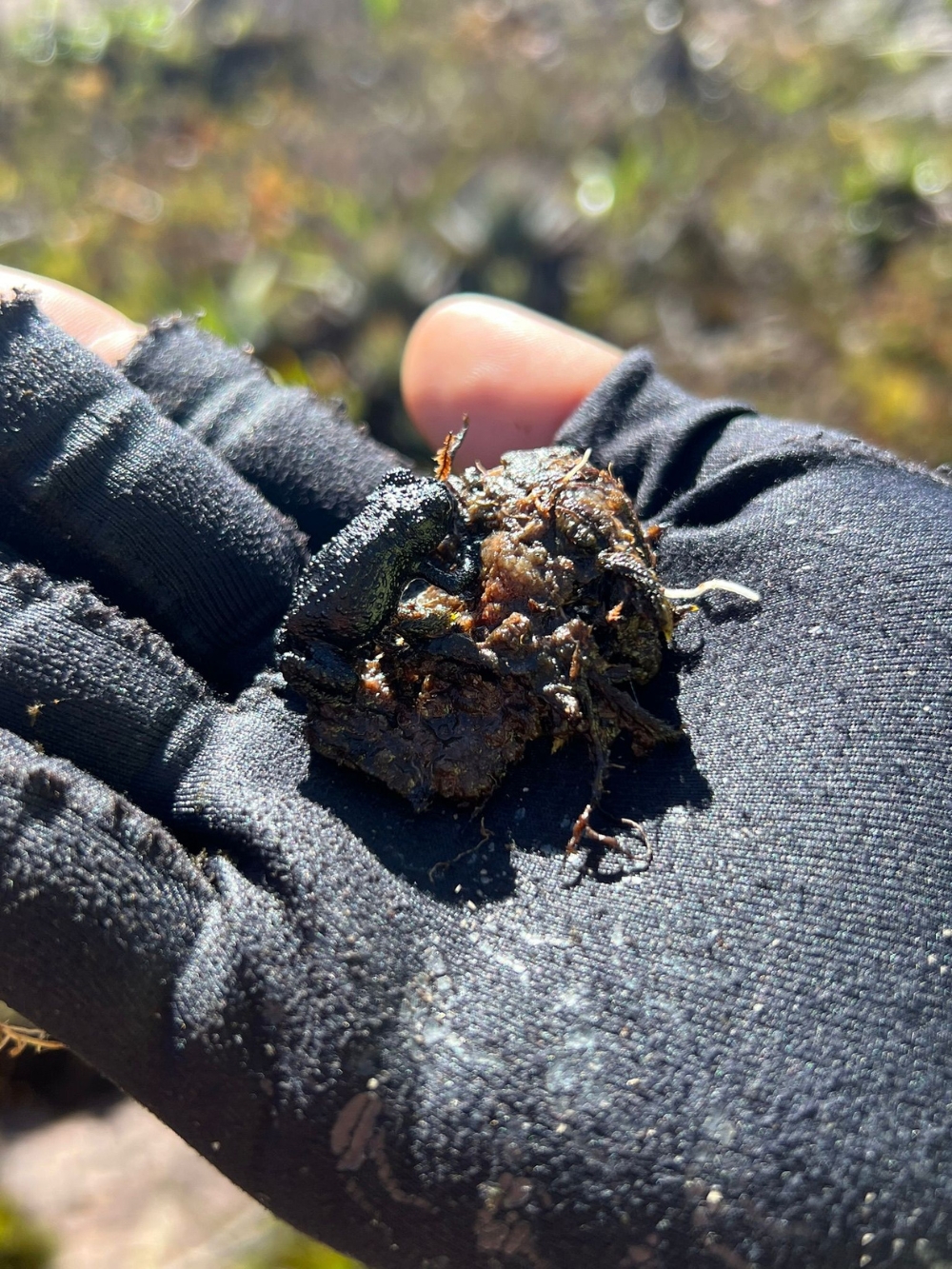
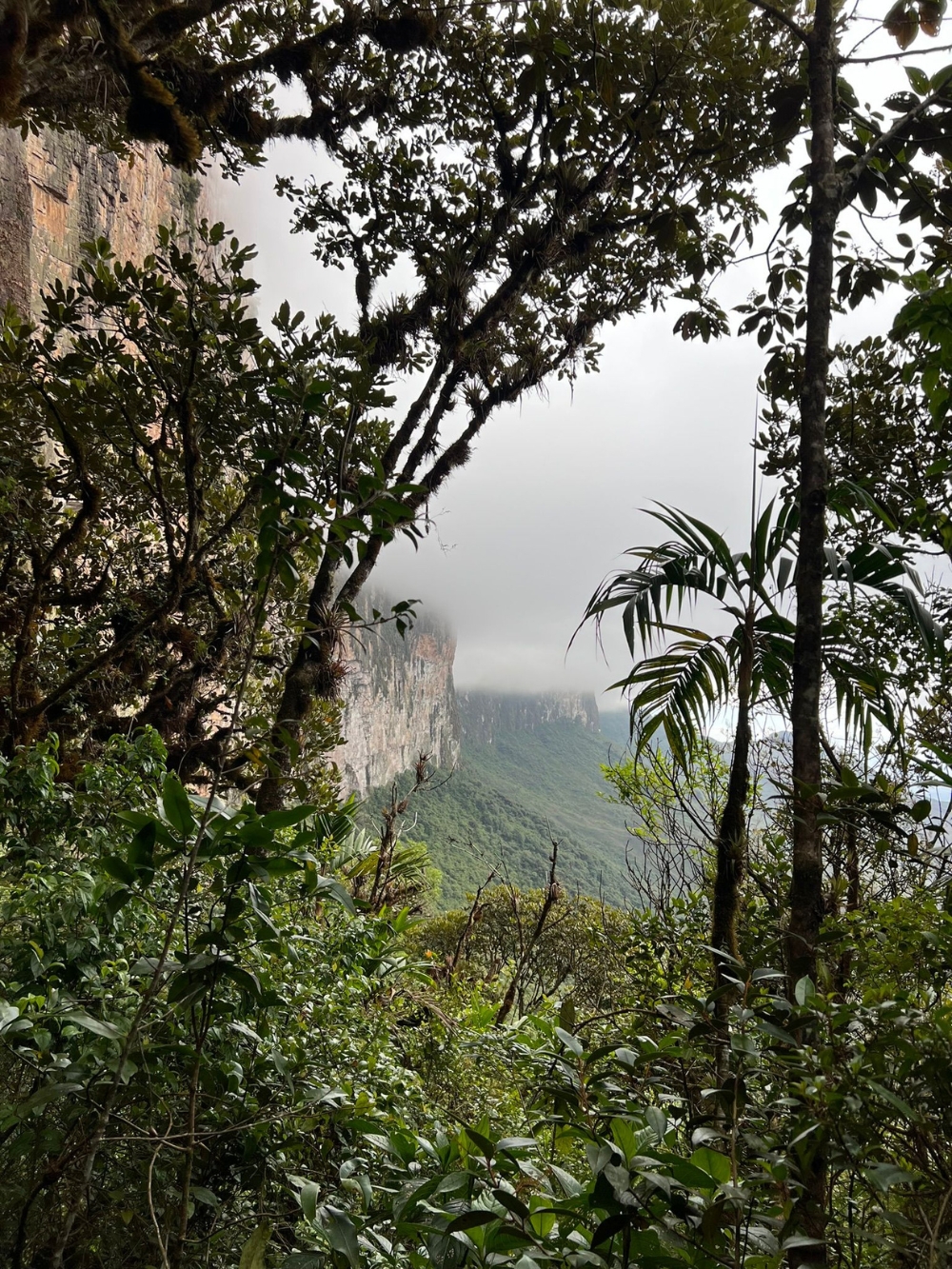
Once at the top, the ecologist in Olivia came alive. She was particularly amazed by the tiny, thumbnail-sized endemic frogs that crawled through the spectacular Crystal Valley, where the rocky landscape suddenly transforms into a field of sparkling jewels.
“Through it all, the guides fostered this deep reverence for the mountain” she says. “They emphasized a strict ‘do no harm’ philosophy to protect such a sacred and fragile environment. It changed how I viewed our impact on these spaces.”
👉 Read more: Women in ecotourism: female presence that makes things happen
Beyond the canopy
Mount Roraima was only the beginning. Empowered by the climb, Olivia continued on a massive backpacking tour through Bolivia, Peru, Colombia, Ecuador, and Mexico. Her thirst for nature eventually led her to the Bolivian Amazon, where she experienced a heart-pounding moment in the pitch-black jungle.
“I was standing right beside my guide with our flashlights off, just listening,” Olivia remembers. “Suddenly, we heard it—the growl of a jaguar, just meters away in the bushes. I was scared, but it was so cool.”
Returning home to New Zealand, Olivia reflected on how the journey crossing the planet had changed her. Traveling gave her a new lens to examine the relationships between people and nature. More importantly, conquering the tepui and navigating foreign countries solo gave her a newfound sense of freedom and confidence.
“If I had a message for other women, it would be that we’re lucky to live in a day and age where it’s accessible for women to travel alone.” Olivia says. “Just grab that opportunity and use it to see the world. It’ll benefit you as a person, and there will be other women that you meet along the way that are doing the same thing, so you don’t have to feel alone.”
.
👉 Read more:
- Why Brazil’s remote outdoors are becoming a haven for foreign female travelers
- Women over 50 break stereotypes and prove that adventure knows no age
Delving into the deepest parts of nature with PlanetaEXO
Olivia was initially fearful of such a demanding journey, but she was also quickly reassured in terms of safety by PlanetaEXO and our local partners.
As an ecotourism platform specializing in adventure tours in Brazil, we take care of every step of your vacation planning to make sure you have a safe, unforgettable experience while making a positive impact on the planet and local communities. Contact us now!