
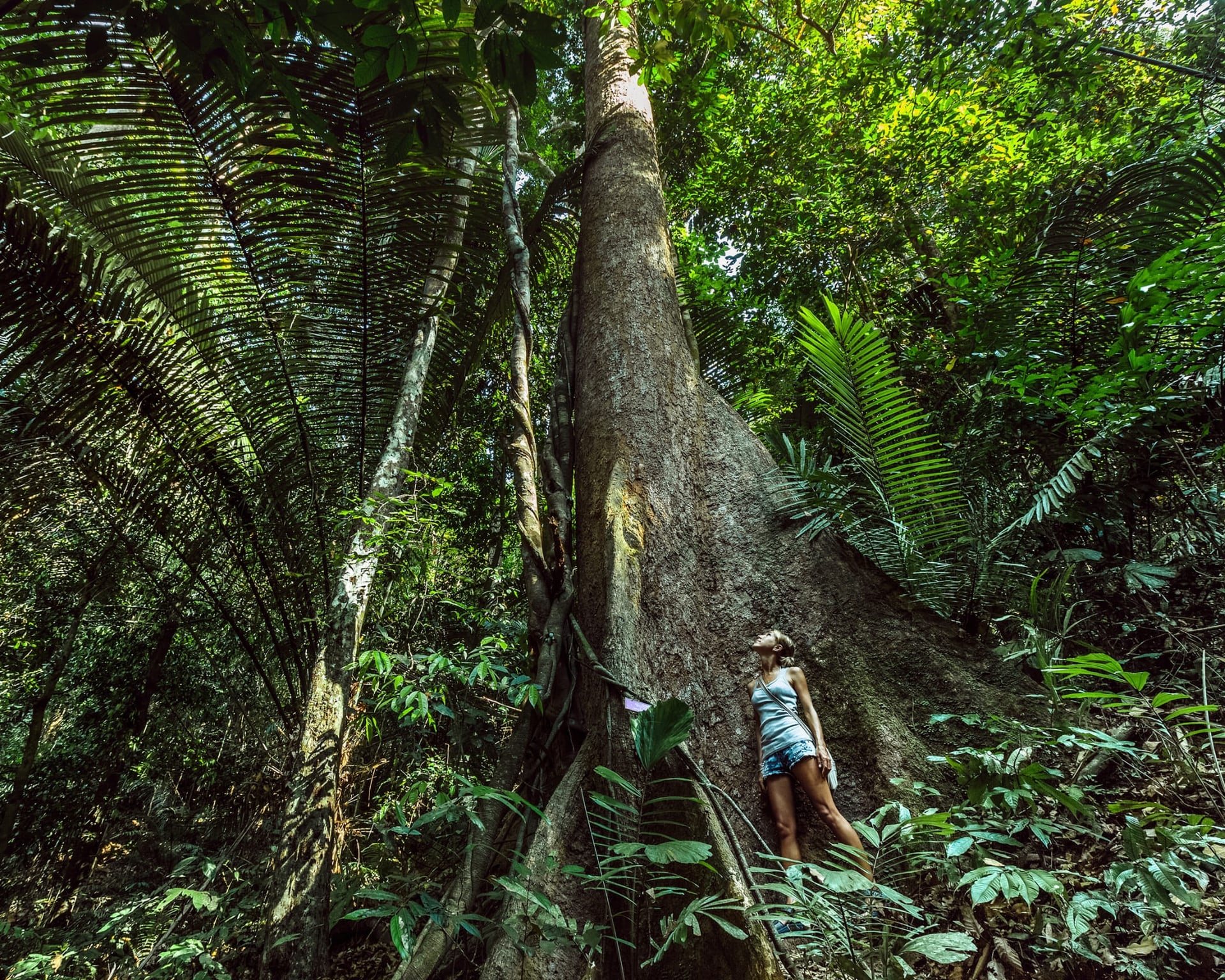
Trading fear for freedom, solo female adventurers are discovering deep human connection and breathtaking scale in nature destinations
When planning a trip to South America’s largest country, the biggest hurdle many foreign women face isn’t the language barrier—it’s overcoming international misconceptions and alarming headlines about safety. Yet, those who push past this initial apprehension are rewarded with an entirely different reality once they step into Brazil’s natural wonders.
Away from the big cities, a standard vacation quickly transforms into a deeply personal journey of human warmth and self-discovery. Immersed in the great outdoors, these adventurers are met with a welcoming spirit that travel guides simply can’t capture, creating experiences that fundamentally shift how they view the world.
In honor of Women’s Month, PlanetaEXO, an ecotourism platform specializing in adventure tours in Brazil, gathered stories from foreign female travelers who ventured into some of the country’s most impressive natural scenarios to champion how women can and should occupy all spaces.
Endless horizons: Freedom for international adventurers
For foreign female travelers, the sheer scale of Brazil’s natural landscapes is awe-inspiring. From the United States, Samantha Sage (34), who traded Seattle’s rainy winter for a six-week deep dive into Brazil, felt it immediately.
“You hear about the rivers in the Amazon being really big, but you don’t really conceptualize it until you’re there,” she says. She was also completely enchanted by the fervedouros, the crystal-clear natural springs of Jalapão (Tocantins).
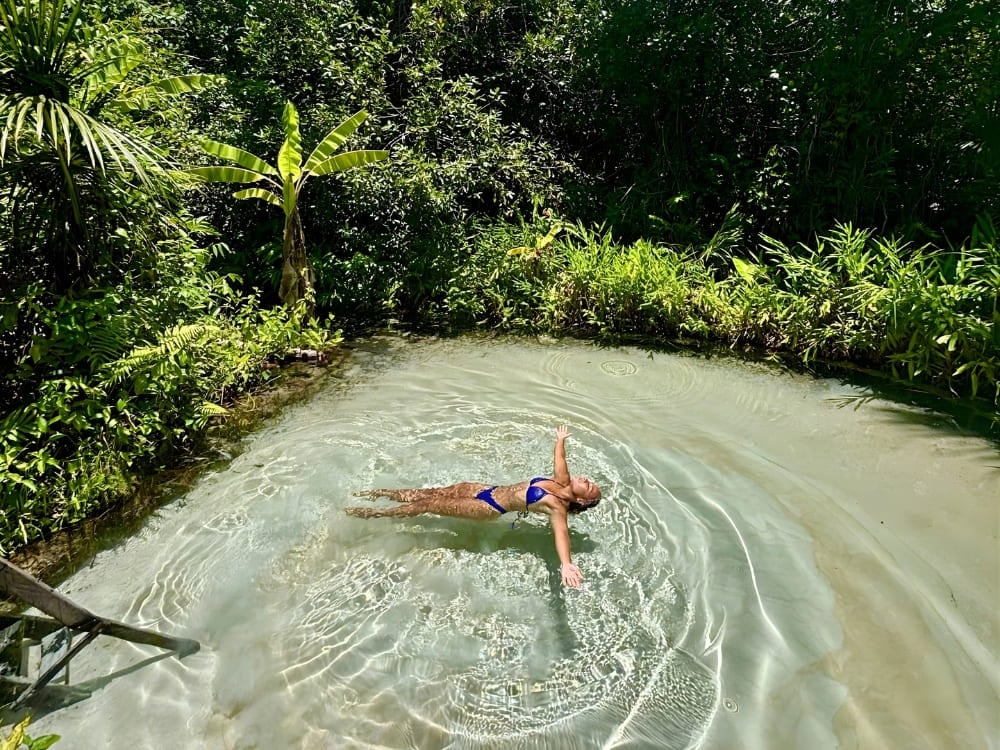
British freelance writer Emma Phillips (30) found a similar sense of peace while navigating a five-day river cruise along the Rio Negro in the Amazon. She describes the river as offering a sense of “enormous openness and tranquility,” which contrasted beautifully with the intense and encompassing forest.
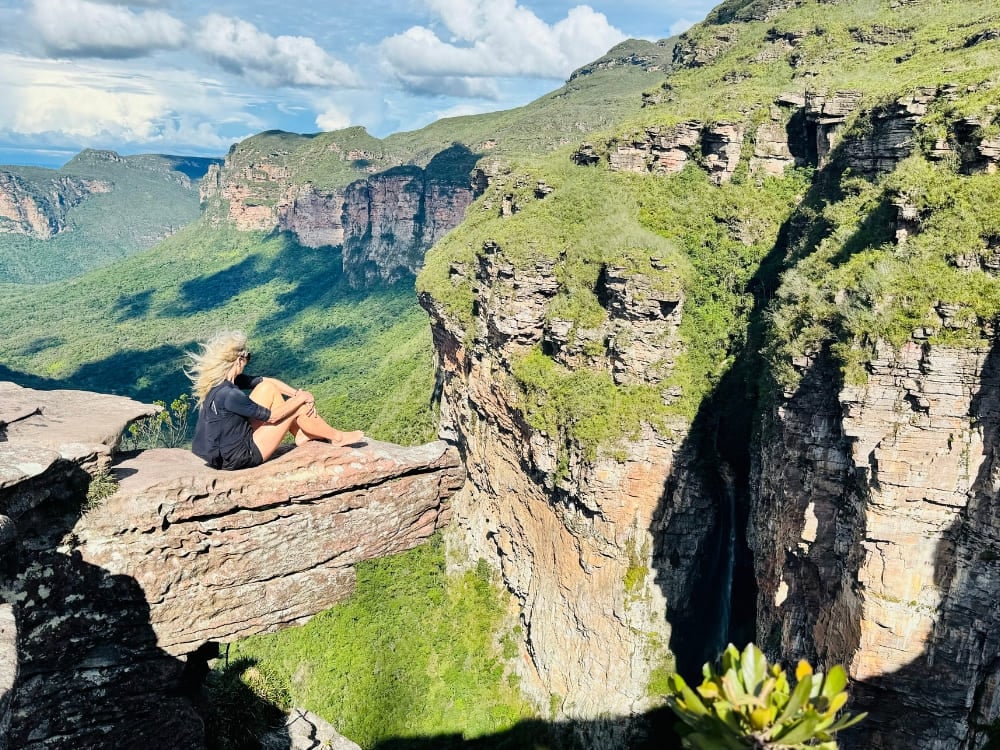
Katharina Bongaertz (60), from the Netherlands, was similarly captivated by this greatness. She originally planned a one-month trip, but Brazil drew her in for five. Proving that adventure has no age limit, she hiked Pico da Neblina and explored Chapada Diamantina. “I prefer vast, open spaces without fences, where I can hike freely. It’s empowering, and I take that strength home with me every time,” she says.
👉 Read more: Women over 50 break stereotypes and prove that adventure knows no age
Indigenous women and matriarchy
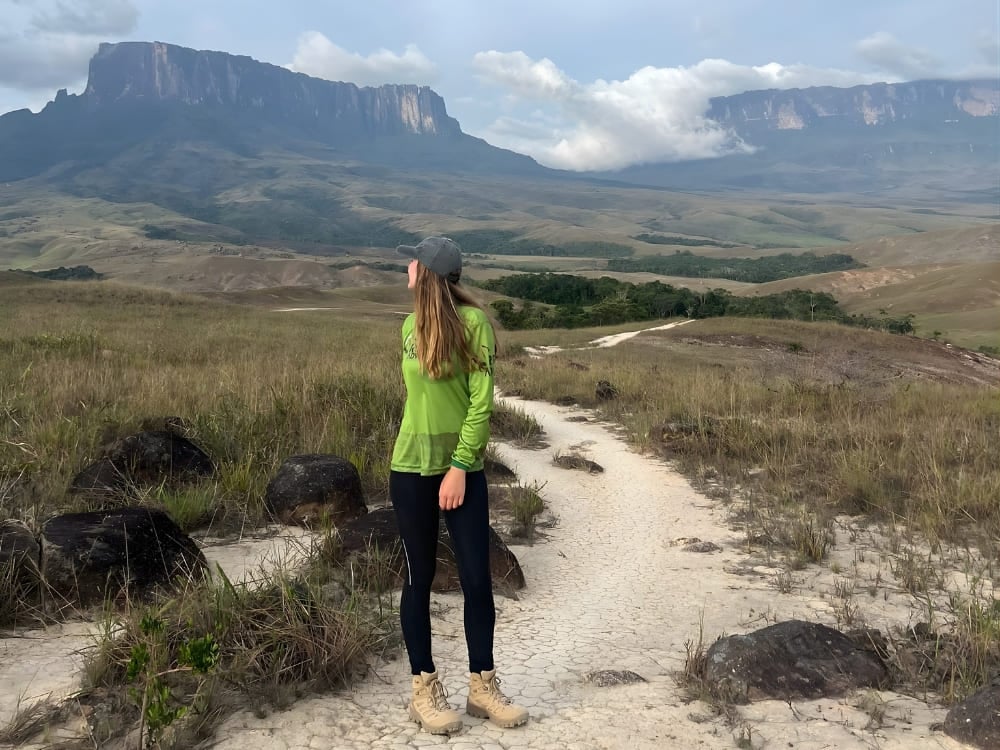
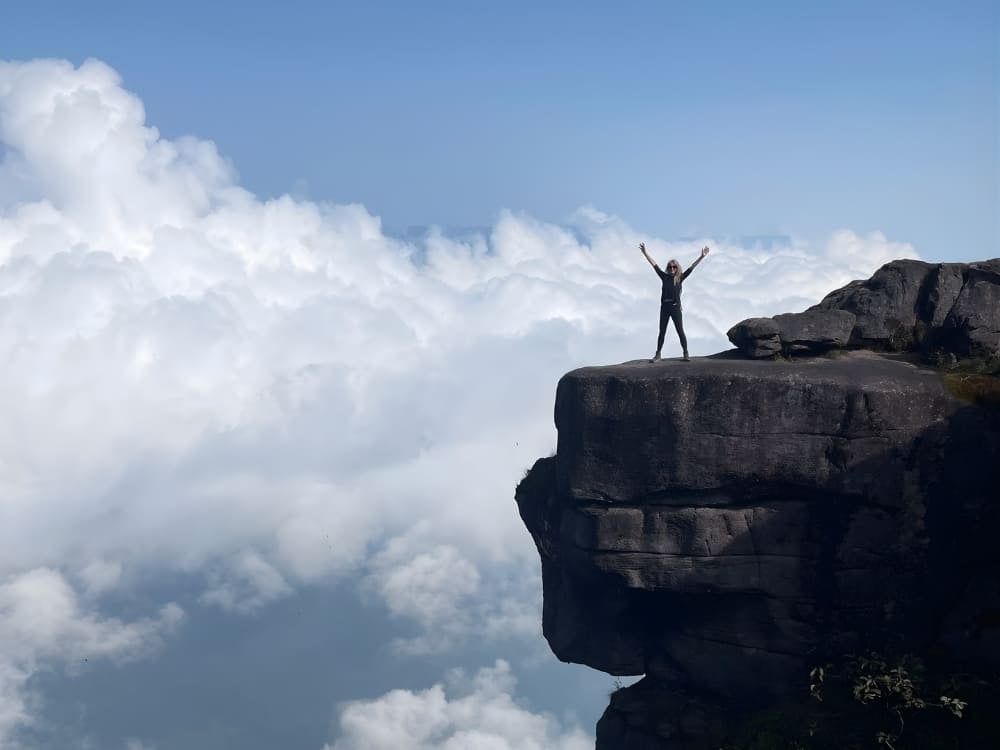
While the wildlife and landscapes are stunning, it was the local women who left the deepest impact. Olivia Bird (24), an ecologist from New Zealand, traveled across the globe to see the natural wonders of Mount Roraima up close.
Along the trek, she was blown away by the resilience of the Indigenous support team, particularly the women. “I saw women half my size, wearing flip-flops, effortlessly carrying heavy supplies and breezing past us hikers who were struggling despite our high-tech gear,” she recalls.
In the Amazon Rainforest, German biologist Kristina Wagner (44) had a similar experience. While visiting a riverside community that farmed manioc, she was deeply moved to see women acting as the central figures of their community.
“It was incredible to see families led by women. I saw the grandmother, the daughter, and the granddaughter, multiple generations all working together,” she noted, pointing out the stark contrast to family dynamics back in Germany, where relatives often live more separate lives.
Emma also noted the profound impact of connecting with local roots. Accompanied by local guides who used the knowledge of their ancestors to turn the forest into a classroom, she saw how authentic, non-predatory tourism could uplift communities.
“Seeing tourism being used in such a responsible approach to improving people’s lives and preserving the environment was an inspiration,” she states, defining the experience as a way to truly understand cultural diversity.
👉 Read more: Women in ecotourism: female presence that makes things happen
Brazilian hospitality for global guests
It’s normal to feel some initial apprehension when traveling to unknown places, but the welcoming nature of the Brazilian people quickly tears down those walls.
Olivia was nervous about being the only foreign female traveler in her Mount Roraima trekking group, but that fear didn’t last long. A Brazilian woman who was also traveling solo took her under her wing, and the entire group made a point to teach her some basic Portuguese.
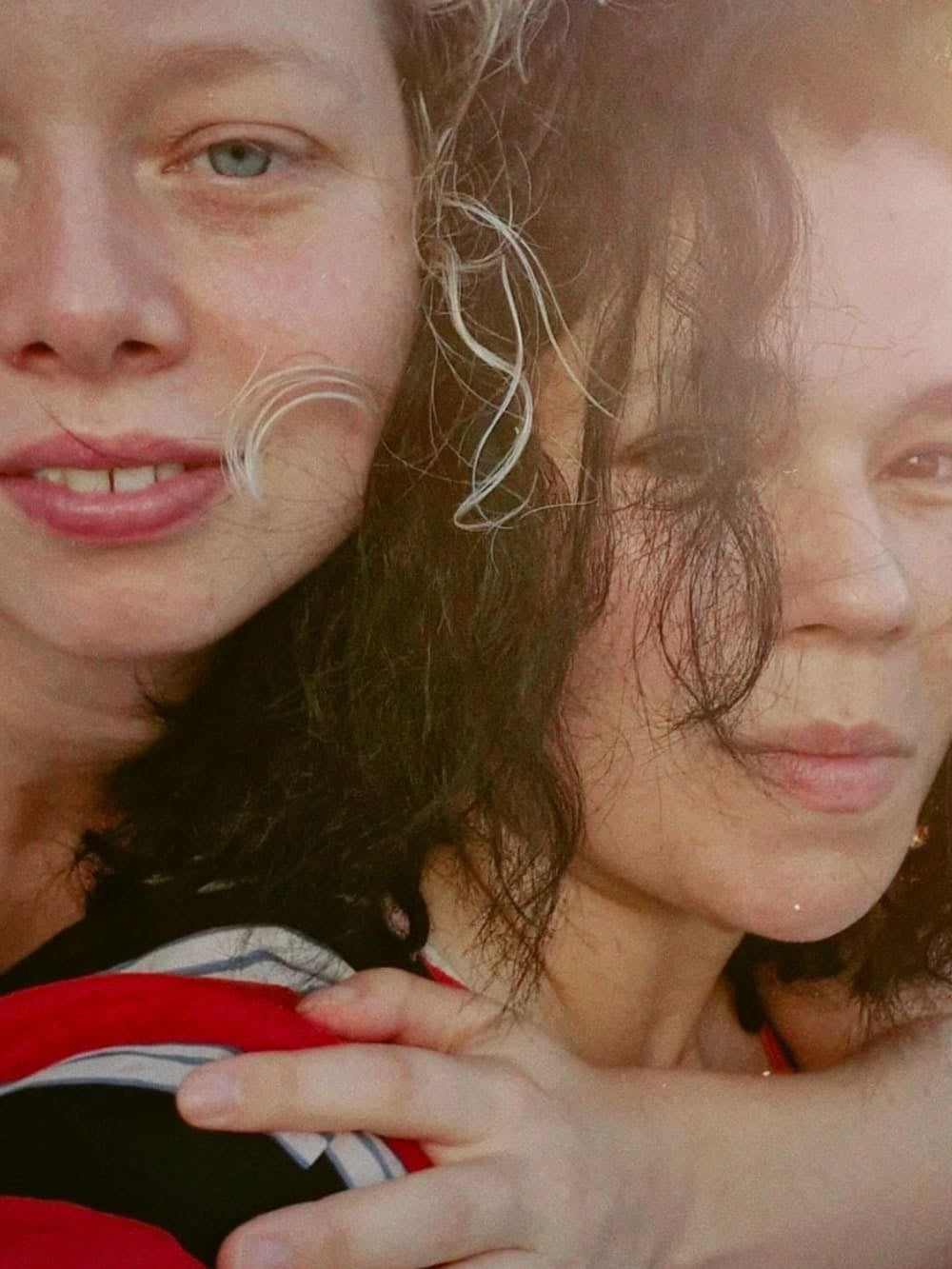
This warmth extends to all types of travelers. Emma, traveling as a queer woman alongside her Brazilian partner, Jamille, admits she felt an internal anxiety about how their relationship would be received. However, she was met with total respect.
One of the most touching moments happened in the boat’s kitchen when a local chef shared that her own daughter was also queer. “I think she was pleased to see our dynamic play out in front of her. It was lovely,” Emma shares.
👉 Read more: 5 adventure trips for women: safety, nature, and freedom
Kristina, who was initially wary due to international misconceptions about Brazil, saw firsthand how local women look out for each other. “I felt safe the entire time. People were constantly going out of their way to help me,” she shares.
On a bus to the Pantanal, when a man was aggressively trying to chat her up, a Brazilian passenger didn’t hesitate to step in and ask him to leave her alone. Quickly, her peace of mind was restored.
Takeaways for the journey
Brazil gave these women far more than just postcard-perfect memories. Based on their time exploring the country, they were able to bust common myths and share valuable advice for other foreign female travelers looking to explore the country.
Emma (UK)
“Traveling is an incredible way to explore cultural diversity, to always remember that there’s not just one way to live or to show up in this world. So why not go? Going with a group is how you can have support and make things easier.”
Kristina (Germany)
“Don’t be afraid to ask for help. Brazilians are incredibly friendly and welcoming, and they’re always ready to support you. Aside from preparing yourself for the sheer size of the Amazon rivers, take time to observe the strength of the local culture. You’ll be surprised and inspired to see women acting as powerful leaders and highly respected matriarchs in riverside communities.”
Samantha (USA)
“Don’t hesitate to travel to the countryside and nature destinations. They proved to be incredibly safe, which completely contradicts what you hear internationally. Also, make sure to add Brazilian bakeries to your itinerary—especially in São Paulo. They are an absolute must!”
Katharina (Netherlands)
“In ecotourism and nature destinations, you can truly relax and feel completely safe. In the big cities, the best approach is simply to use common sense. Use rideshare apps and avoid flashing expensive belongings. Other than that, keep an open heart and connect with the Brazilian people—they are kind, welcoming, and truly have music in their souls.”
👉 Read more: Ecotourism in Brazil boosts solo travel for women through planning and support networks
Traveling across Brazil with PlanetaEXO
Over the years, PlanetaEXO has welcomed countless international tourists in Brazil, offering all the necessary support so they could explore nature in a safe, authentic, and responsible manner.
As an ecotourism platform specializing in adventure tours in Brazil, we provide incredible opportunities for exploration that do not harm the environment and still support local communities. Contact us now!
Keep reading
October 14, 2026
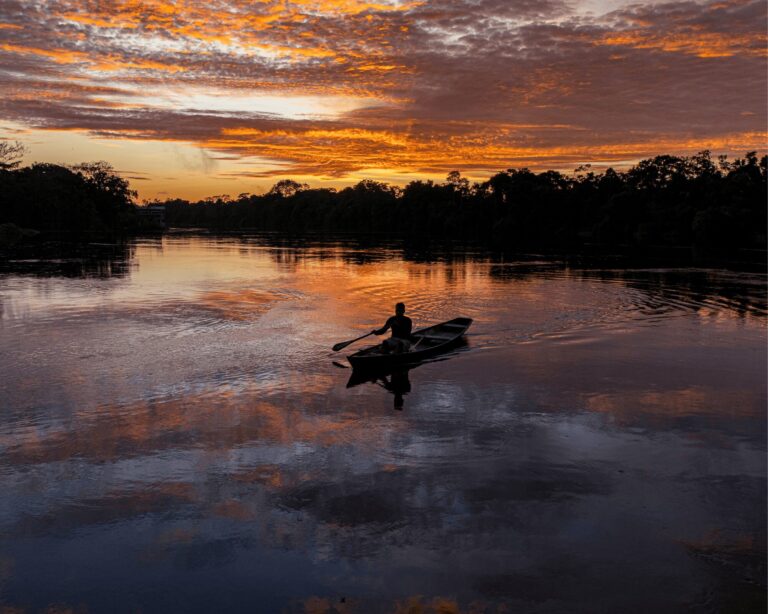
10 Tips to Make the Most of Your Amazon Tour From Manaus, Brazil
Booked an Amazon tour from Manaus in Brazil? See 10 tips to enjoy your experience, including what to eat, what to do, how to be safe, and what to avoid!
October 1, 2026
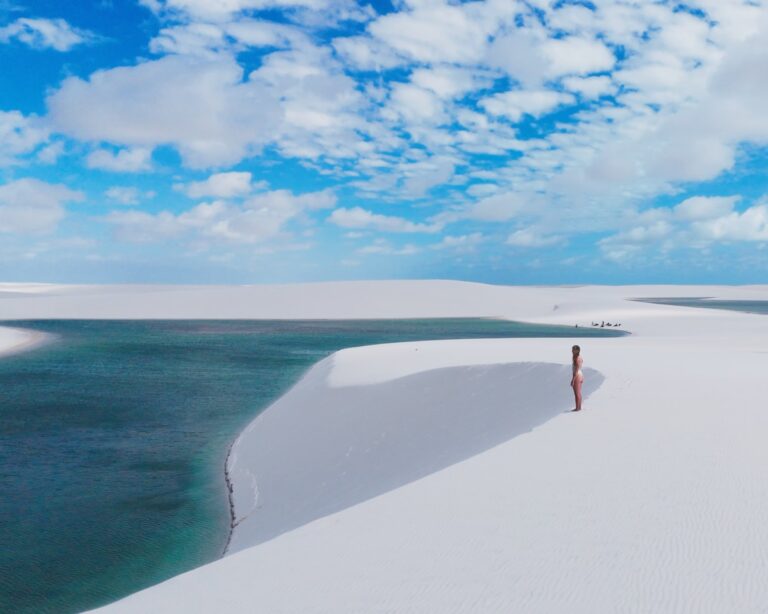
PlanetaEXO’s new mini-doc showcases ecotourism in Lençóis Maranhenses
In “Lençóis Maranhenses: Far From The Crowds, Close To What Matters”, PlanetaEXO’s mini-doc shows how ecotourism is changing life for local communities.
September 30, 2026
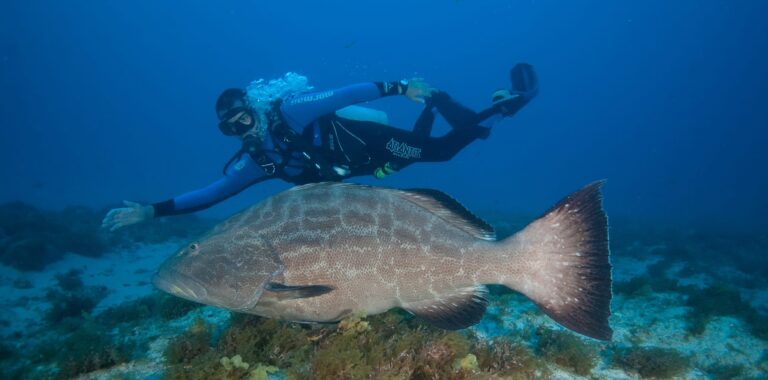
Best Dive Sites in Fernando de Noronha: 21 Spots by Depth and Level
The 21 best dive sites in Fernando de Noronha, with depth, seaside, and level for each, from 8 m beginner reefs to the 62 m Corveta Ipiranga wreck.