



From guides breaking stereotypes to community leaders transforming the local economy, meet the women in ecotourism driving authentic experiences across Brazil
When it comes to exploring the most remote destinations in Brazil, the spotlight usually focuses on the lush landscapes or the courage of those who travel. However, there is a vital and invisible gear ensuring that immersion in nature is safe, welcoming, and sustainable.
.
Today, women are the driving force behind the scenes and on the front lines of ecotourism, both in Brazil and around the world. Data from the United Nations World Tourism Organization reveals that 54% of the global tourism workforce is female—a presence that is also growing in the nature and adventure travel market.
For Women’s Month, PlanetaEXO, a sustainable tourism platform specialized in adventure tours in Brazil, sheds light on the stories of professionals who prove how the participation of women in ecotourism is not just a matter of survival, but also of profound socioeconomic transformation.
Overcoming prejudice and showing competence
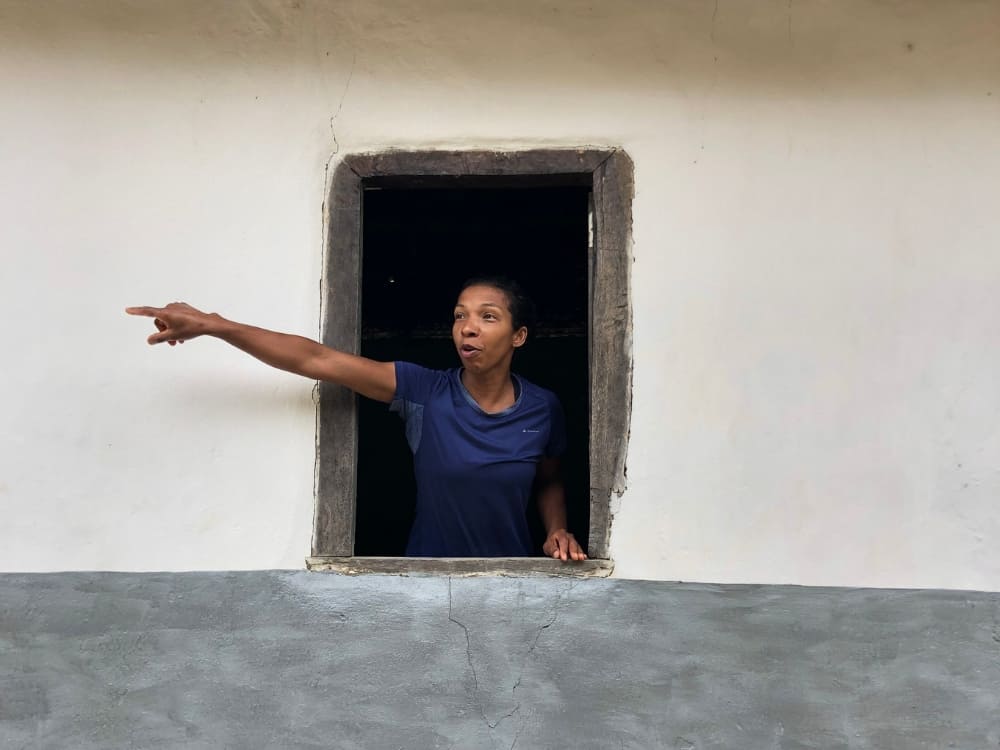
The line of work of nature guide still carries a strong male stereotype. In Jalapão (Tocantins), where the proportion is up to five women for about 300 male guides, Mychelle Leal (28) felt the prejudice firsthand when opening her own agency. The distrust usually came from colleagues themselves or tourists who questioned her driving skills or emergency response capabilities.
Mychelle’s answer comes through her competence at work. She was the one who took the lead and helped a tourist stung by a scorpion during an expedition where the men didn’t know how to react. “Nowadays, I know how to stand up for myself. A woman needs to focus on the tourist and a job well done, rather than listening to those who just want to get in the way” she states.
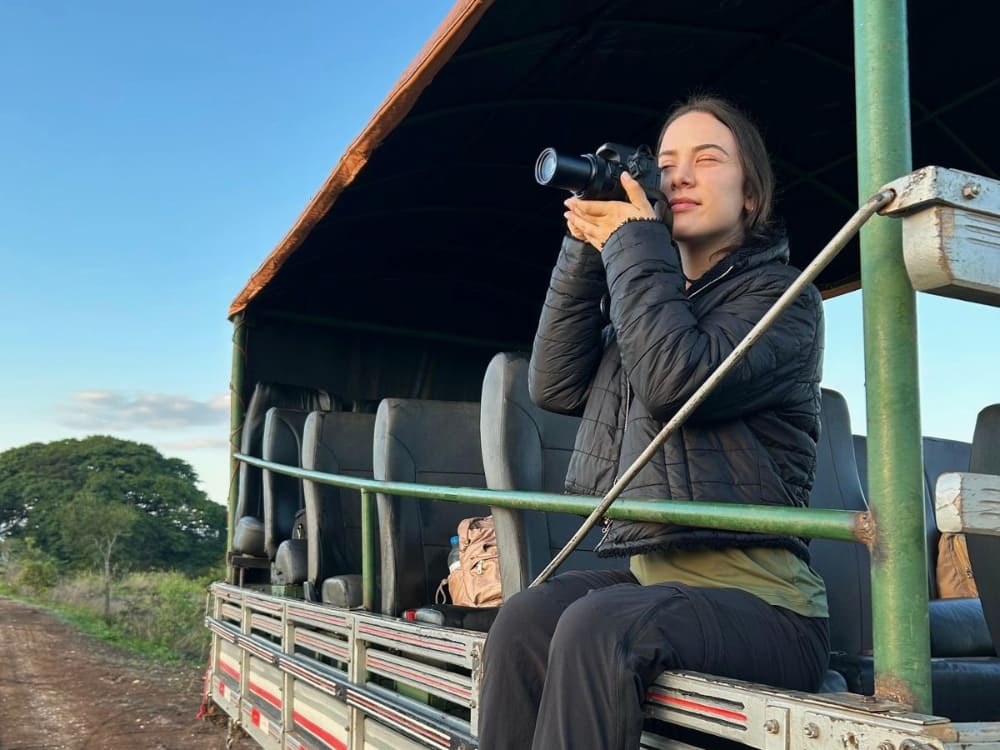
In the Pantanal (Mato Grosso), biologist and guide Danielle Rocha (24) faced similar barriers. Although highly praised by clients, she frequently notices doubtful looks from male guides regarding her physical stature.
“I don’t let that shake me. Gender doesn’t disqualify you from working with safety, logistics, and care. In fact, women are more sensitive to picking up if someone in the group isn’t feeling well” explains Danielle, who is also a wildlife photographer.
.
👉 Read more: Ecotourism in Brazil boosts solo travel for women through planning and support networks
Female support and sisterhood in the field
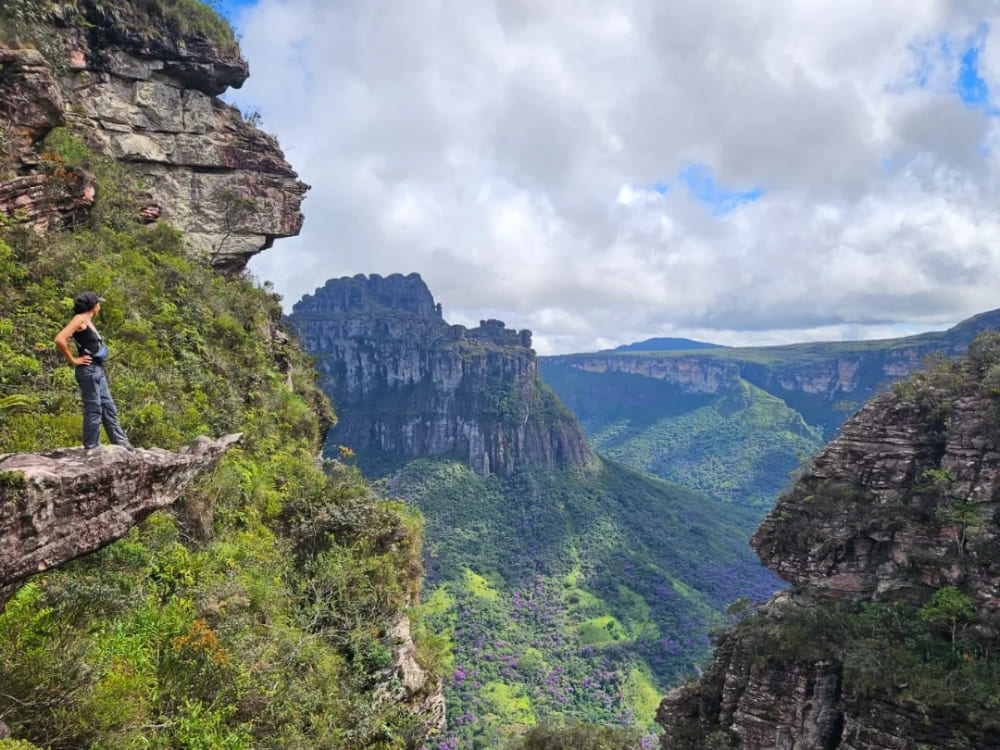
The sensitivity mentioned by Danielle is what transforms the traveler’s experience. In the Vale do Pati, in Chapada Diamantina (Bahia), guide Rayssa Soares (32) reports the impact of leading all-female groups.
Recently, she guided nine British women and tailored the experience to bring out the best in each one of them. “The welcoming is different. The travelers feel we are cut from the same cloth, sharing the same intimate challenges and pains. This creates an immediate bond of trust and comfort.”
.
👉 Read more: Why Brazil’s remote outdoors are becoming a haven for foreign female travelers
Legacy and resilience of native hosts
For those who think dedication is limited, the women in ecotourism who open the doors of their homes in the most isolated villages prove otherwise.
In the Vale do Pati, Nara Oliveira (42) has taken on a historical legacy. Her family was the first to welcome tourists to the region, about 30 years ago, at the well-known “Casa do Seu Wilson” (Mister Wilson’s House). Today, she balances the non-stop routine of managing the rustic accommodation with raising her two-year-old daughter.
“There are no Saturdays, Sundays, or holidays. We offer basic mountain survival, with restricted solar energy and no luxury” explains Nara. For her, tourism saved the community, which previously relied solely on agriculture and today prospers without deforestation. “The local economy has improved a lot, and the slash-and-burn farming has stopped.”
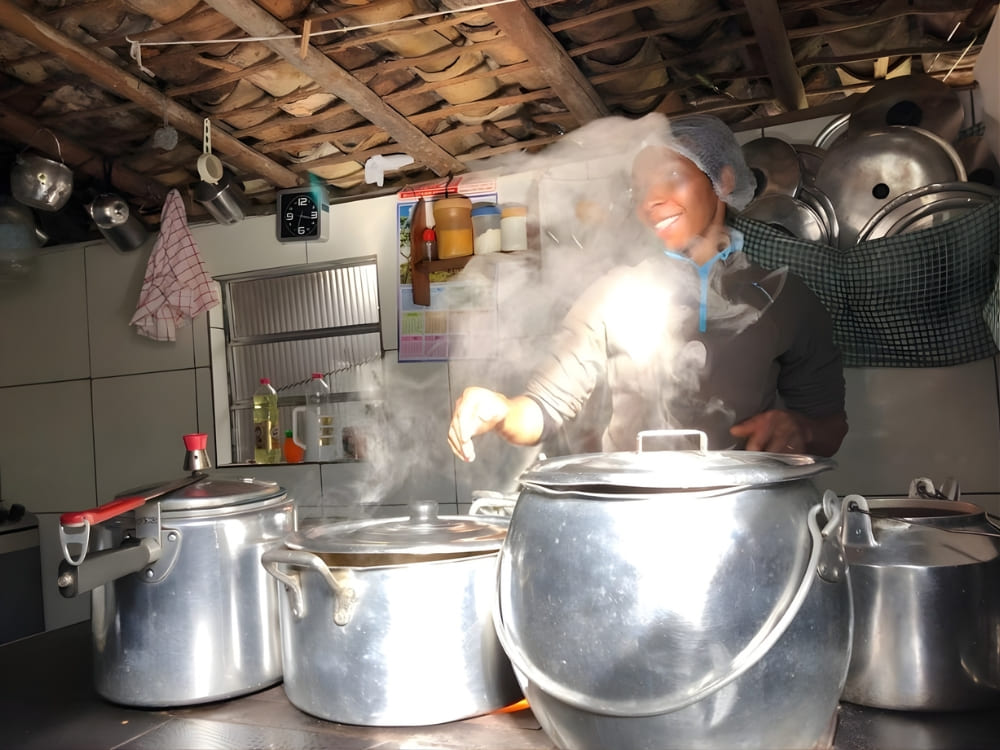
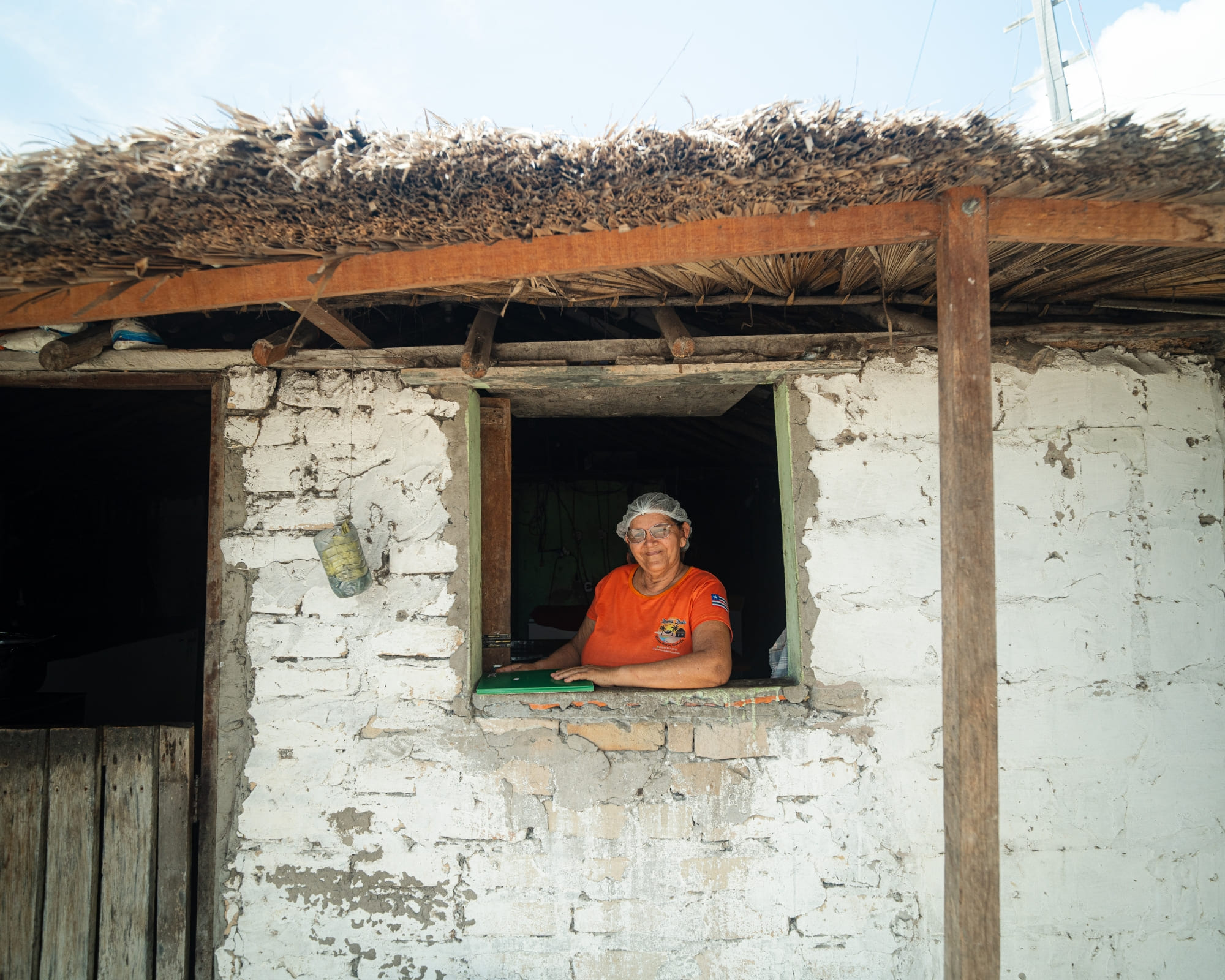
The same sense of purpose is shared by Dona Dete (47), a host who works in the heart of the Lençóis Maranhenses (Maranhão). Before tourism, she carried heavy loads for hours on end to sell fish and support her five children. Today, she wakes up at 3 AM every day to prepare breakfast and welcome up to 70 tourists to her oasis. “Life was very difficult. Tourism is hard work, but I do it with all my love and care.”
👉 Read more: 5 adventure trips for women: safety, nature, and freedom
Financial independence and life changes
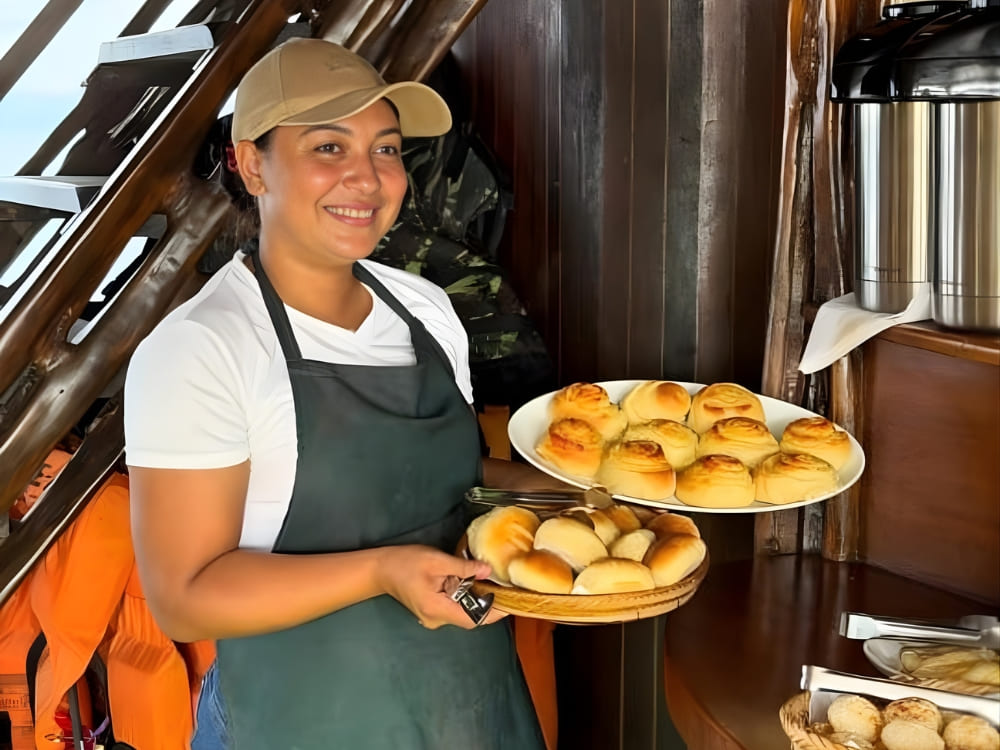
More than breaking social barriers, ecotourism plays a fundamental role in female financial emancipation. In the Amazon, these activities changed the life of Keli Lima (29), a cook who works on the Katerre river cruise.
She started as a chambermaid, embraced every opportunity to learn, and today runs the kitchen on the vessels. This made it possible to achieve a dream: owning her own home. “It used to be very difficult for young women. Tourism is the biggest income today. If I’m told to do something I don’t know, I learn and try it out. You have to be brave” she encourages.
.
Also in the Amazon, Paula Gomes (32), assistant manager of Mirante do Gavião lodge in the municipality of Novo Airão, 200 km from Manaus, emphasizes that qualification is key. “Tourism moves all sectors. Women have been taking on roles and hierarchies that were previously only held by men. The starting point is to get qualified” she advises. With 12 years at the same company, she started in sales, graduated in management, and can also act as a guide.
Advice from those who make tourism happen
For women dreaming of working in ecotourism, these professionals leave important tips:
- Get qualified and claim your space: don’t wait for the ideal scenario. Study, take courses, and be ready. Qualification opens doors.
- Focus on the client, not the judgments: in male-dominated environments, the best shield is the quality of your work and the satisfaction of the groups you serve.
- Leave your comfort zone: for those working in nature, the priority becomes the safety and well-being of everyone in the face of unpredictability.
- Dive in headfirst: the experience requires dedication and living in the moment. Don’t let external factors or the lack of a traditional routine keep you from taking the lead in nature.
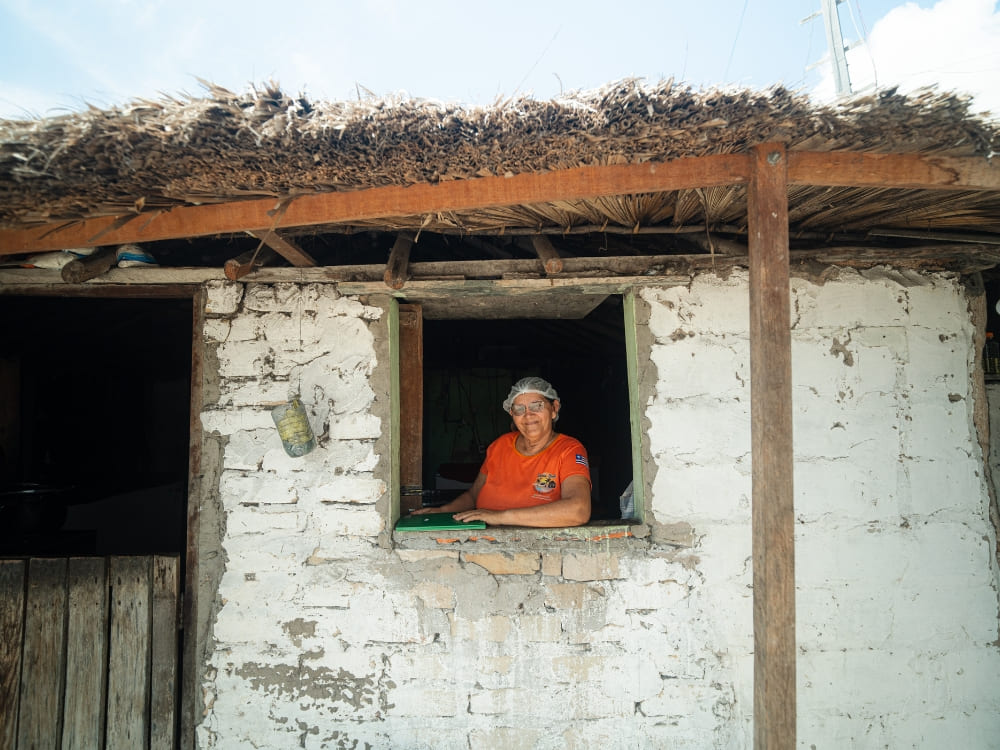
Photo: Marcelo Bonifácio
👉 Read more: Women over 50 break stereotypes and prove that adventure knows no age
Women in ecotourism and PlanetaEXO: the perfect match
PlanetaEXO, a sustainable tourism platform specialized in adventure tours in Brazil, works with several female professionals to create unforgettable experiences in the country’s most stunning nature destinations.
By walking side by side with women in ecotourism, we contribute to the socioeconomic development of local communities to build healthier dynamics and, of course, provide incredible experiences for travelers from all over the world. Contact us now!