
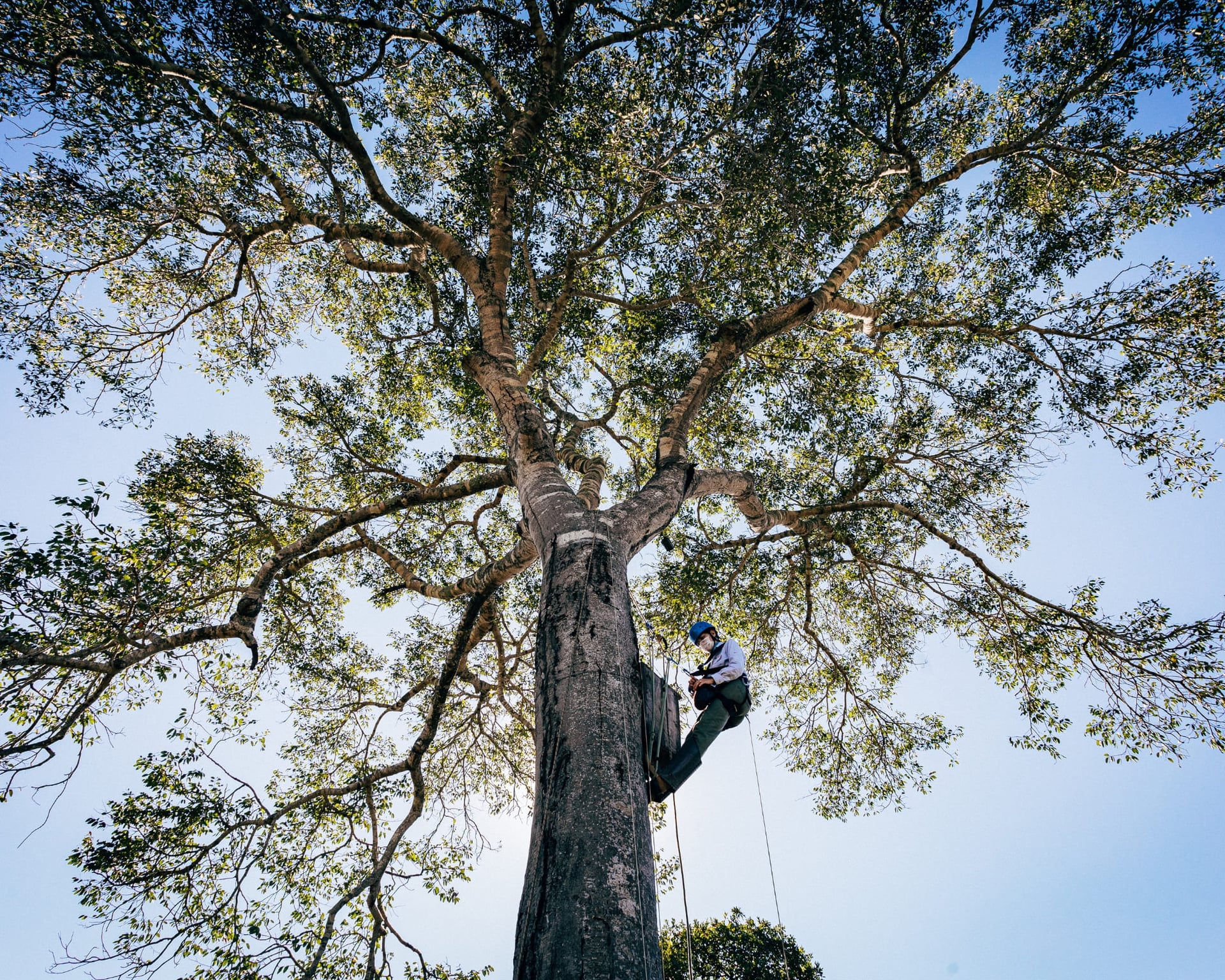
Conservation projects in South America make a real difference to ensure protection for the area’s rich biodiversity, including the Pantanal in Brazil
The Pantanal is a vast floodplain covering around 210,000 km² of Brazilian territory. One of the most abundant ecosystems on the planet, it spans across the states of Mato Grosso and Mato Grosso do Sul. With over 4,000 cataloged species, it stands out as a vital sanctuary for South American wildlife.
Yet, despite its richness, it faces increasing threats. Deforestation, agricultural expansion, uncontrolled fires, and the growing impact of climate change put immense pressure on this delicate biome. The good news is that there are numerous efforts to ensure its protection, such as environmental laws, sustainable travel, and Pantanal conservation projects.
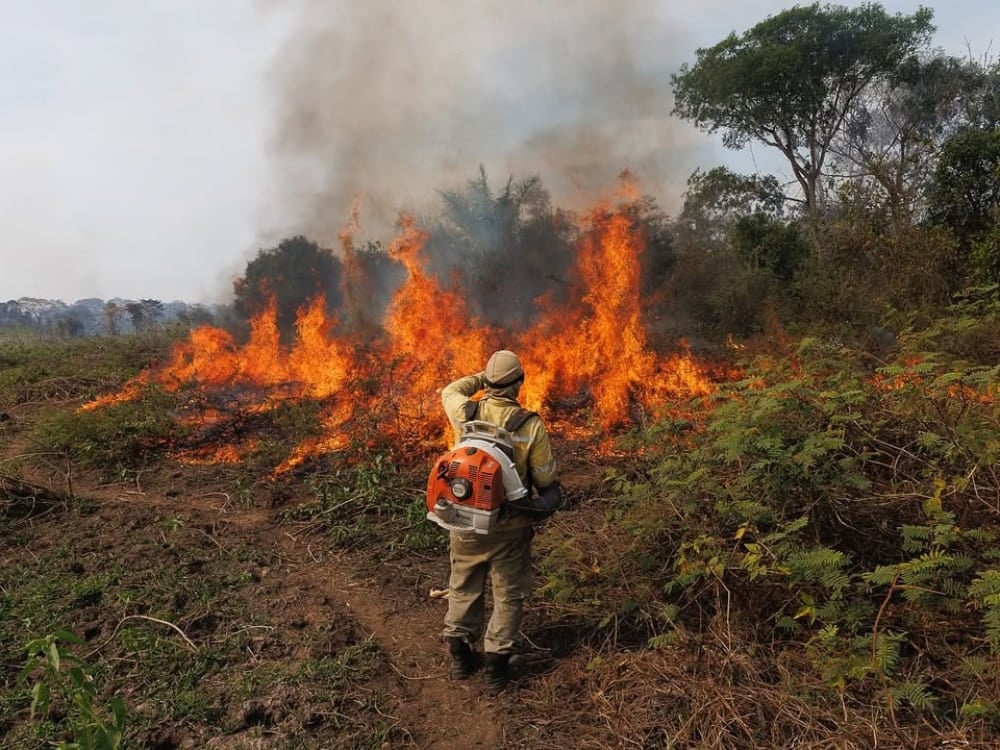
PlanetaEXO, an ecotourism platform specializing in Pantanal tours, has selected 5 non-profits known for their impact and commitment to preserving natural habitats, promoting sustainable land use and continuous work to ensure that the wildlife thrives for many years to come. Learn more below!
1. Onçafari Project
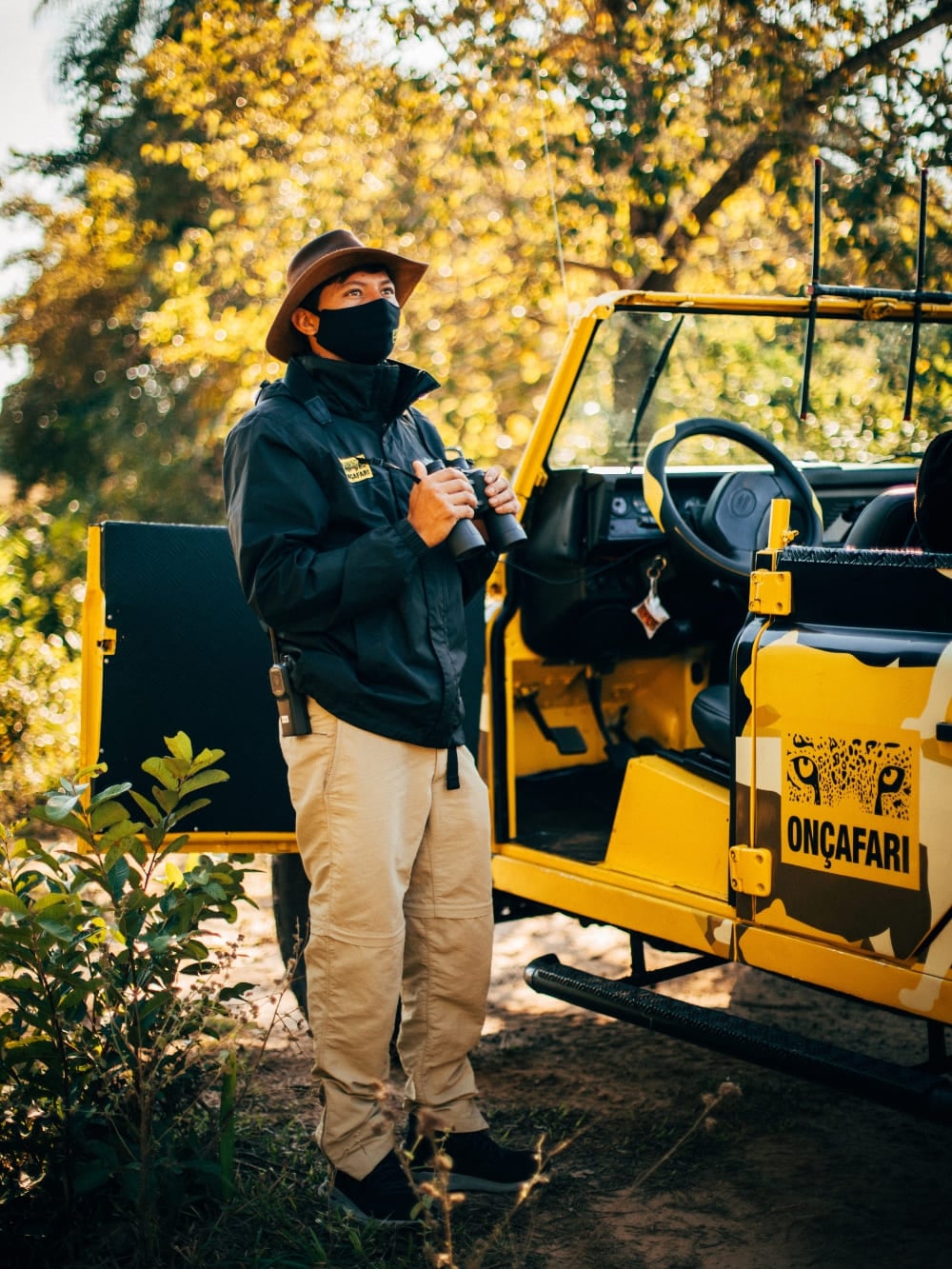
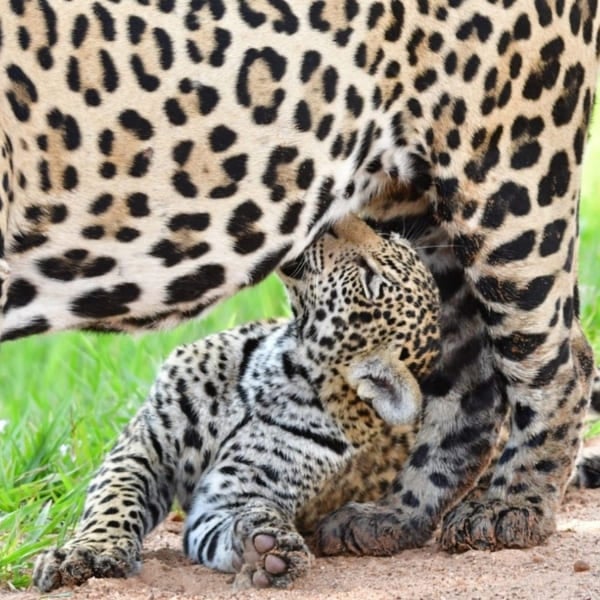
Onçafari is one of the most important wildlife conservation efforts in South America. Its mission is to safeguard Brazil’s biodiversity by protecting natural areas and supporting the socioeconomic development of local communities.
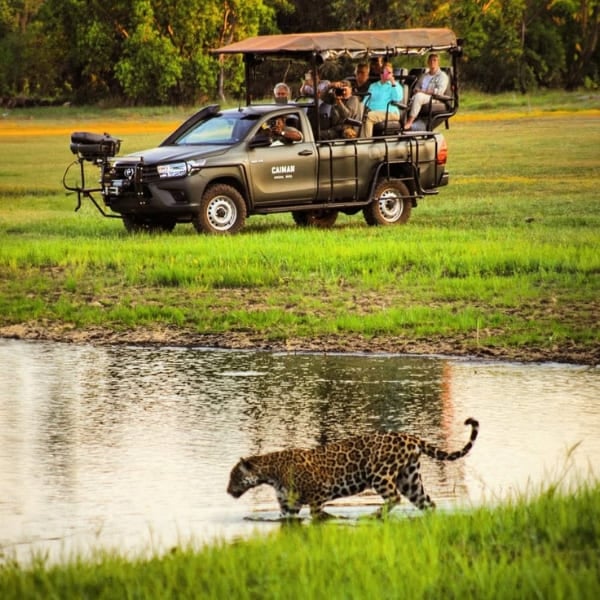
In the Pantanal, it focuses on raising awareness on importance of jaguars and promoting ecotourism as a sustainable income-generating alternative. Since 2011, the Onçafari Project has operated in partnership with Caiman, an ecological refuge situated in Miranda (MS).
Through ongoing work to familiarize the animals with humans and vehicles, guests at Caiman can enjoy privileged and safe sightings of jaguars and other species. While the North Pantanal is the best place to see jaguars, this is the only location in the South where they’re often observed.
Ecotourism helps to boost conservation values and the local economy, but Onçafari also acts on scientific research, animal reintroduction to the wild, environmental education, social inclusion, and forest management.
How to help the Onçafari Project
Support Onçafari by visiting Caiman through responsible tourism, following their conservation activities, or making a donation.
👉 Read more: What is the best Pantanal safari in Brazil?
2. SOS Pantanal
Operating since 2009, SOS Pantanal plays a key role in protecting the biome’s biodiversity while promoting sustainable land use practices. The mission is clear: to preserve the ecological and cultural richness of the region, ensuring a balanced future for both nature and local communities.
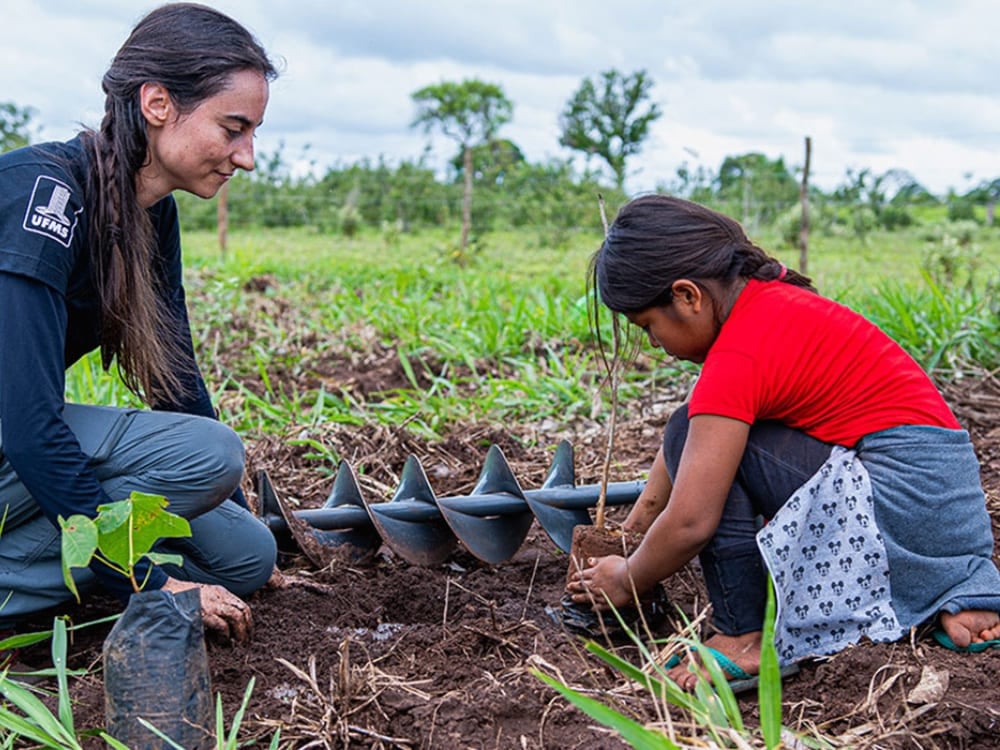
The activities of this Pantanal conservation project are built around three pillars:
- Governance and water security
- Environmental protection and restoration
- Forest fire prevention and control
By engaging with landowners, researchers, authorities, and local organizations, SOS Pantanal strengthens public policies, encourages sustainable production, and restores degraded areas. Environmental education and social engagement are also crucial aspects of their work, making conservation a shared responsibility across the region.
How to help SOS Pantanal
Raise awareness about sustainable practices, promote products from local producers, engage with the project’s official channels on social media, or make a donation.
3. Jaguar Identification Project
The Jaguar Identification Project is dedicated to the long-term study and conservation of jaguars in Brazil’s Pantanal by using non-invasive techniques like spot pattern recognition and camera traps.
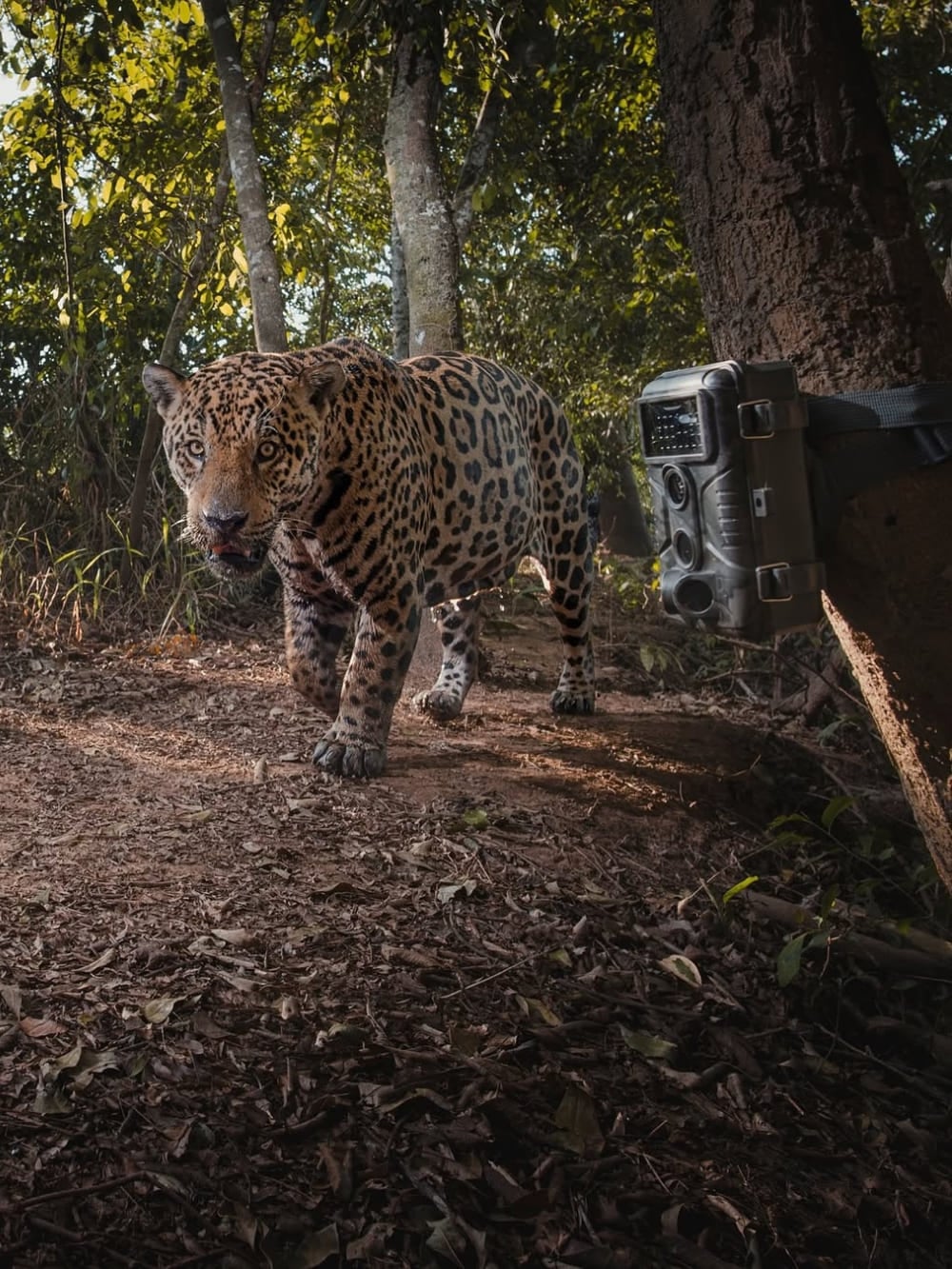
The project builds a detailed database of identified individuals, helping researchers understand the animals’ behavior, territoriality, and preservation needs.
Beyond studies, it promotes environmental education for residents and visitors, strengthening support for the biome’s protection and highlighting the role of the jaguar as a symbol of a healthy Pantanal.
How to help the Jaguar Identification Project
When visiting the Pantanal conservation areas, choose companies that support scientific research initiatives, share the Jaguar ID Project’s content to raise awareness, and donate or buy official merch.
👉 Read more: When is the best time to visit the Pantanal?
4. Blue Macaw Project
The Blue Macaw Project is a powerful example of how science and community engagement can bring a species back from the brink of extinction.
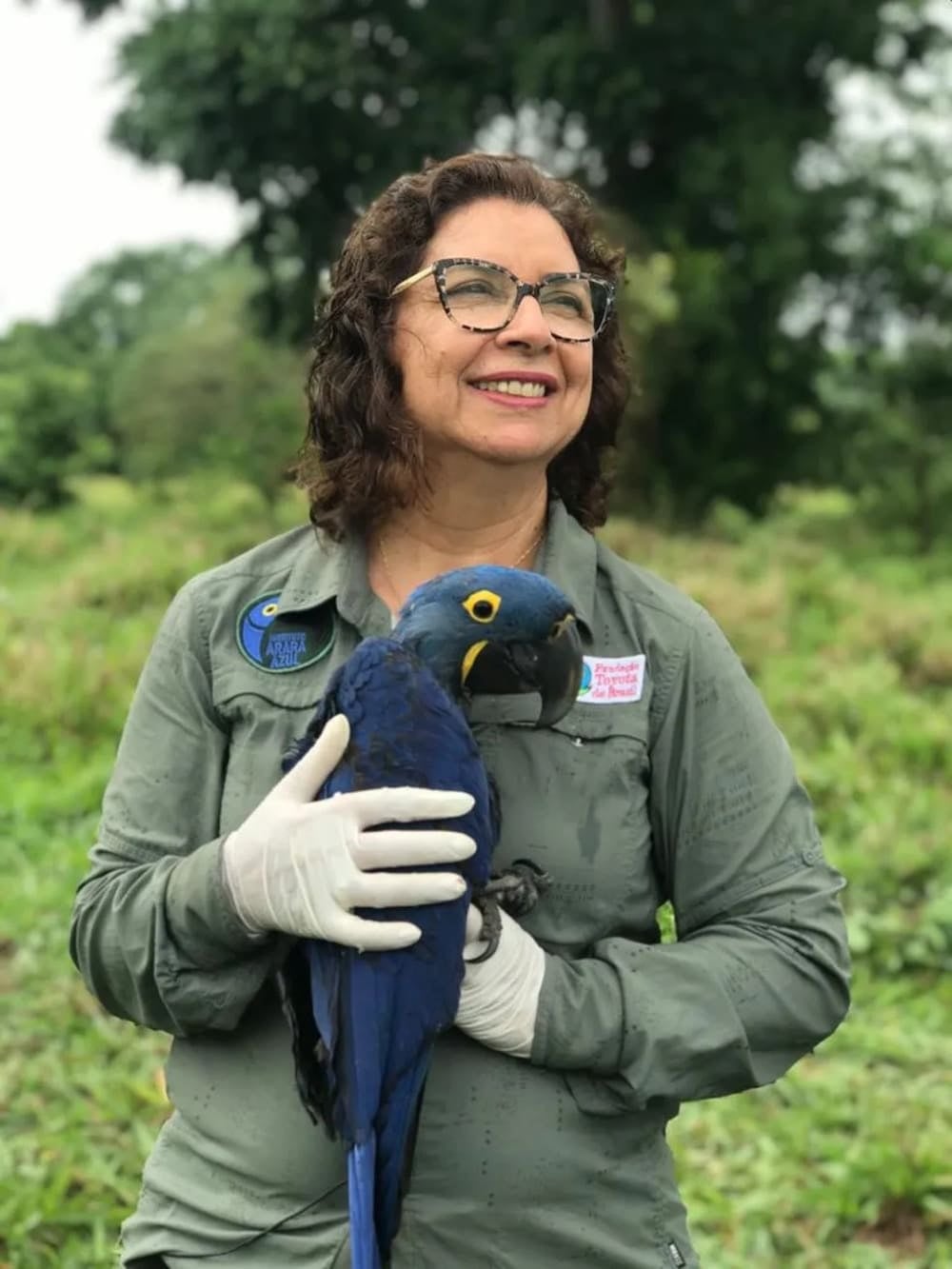
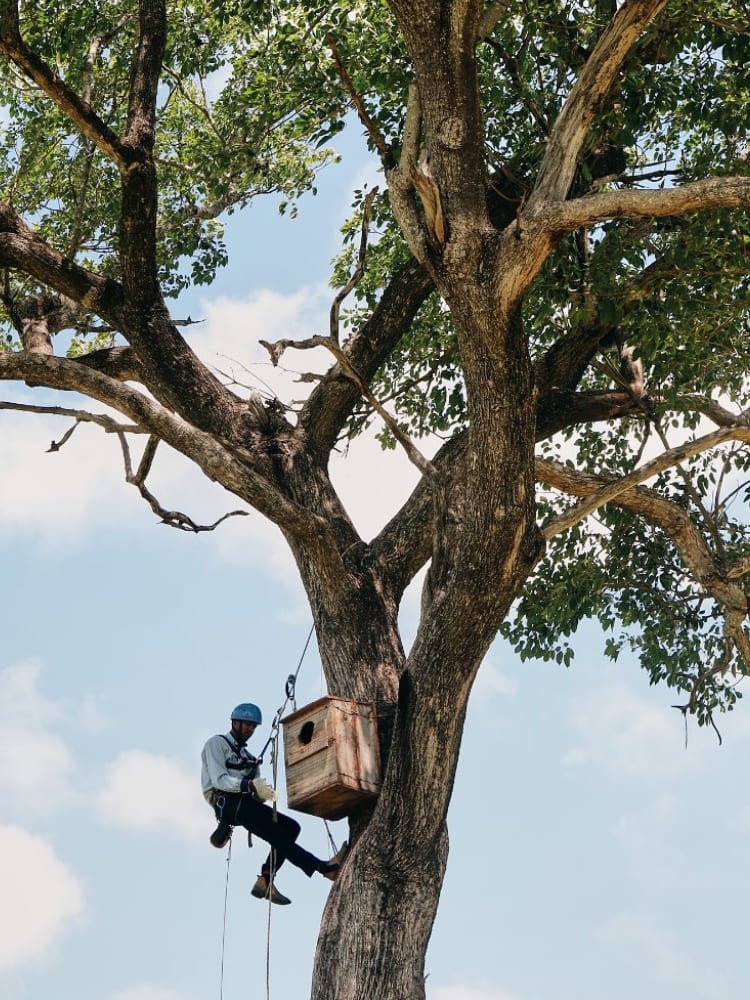
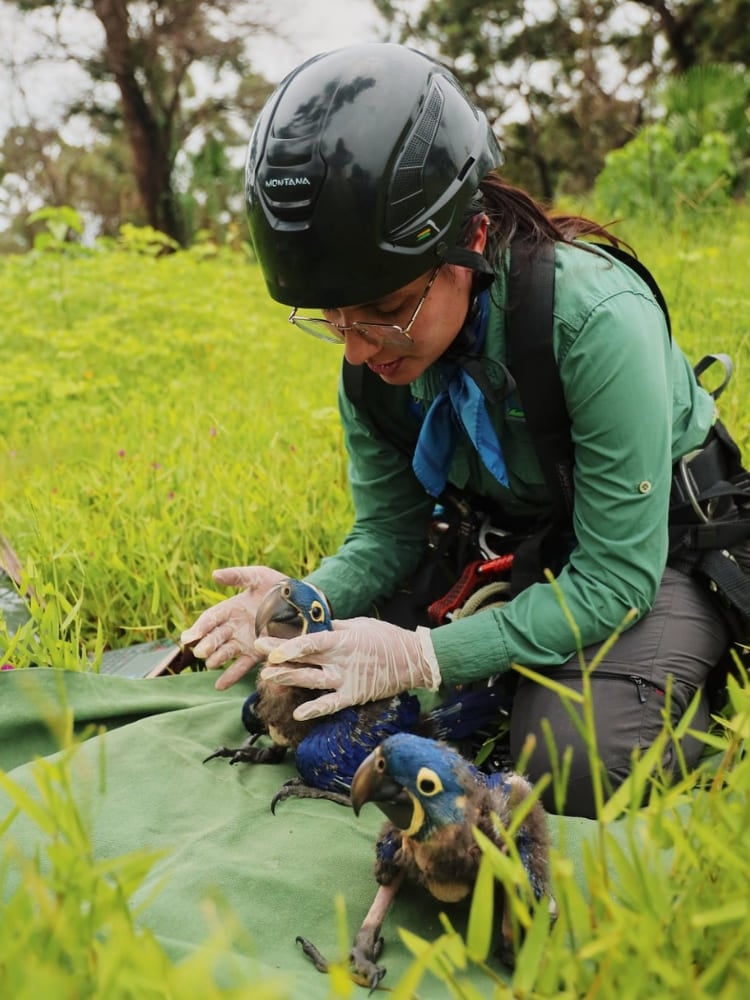
Focused on the hyacinth macaw (Anodorhynchus hyacinthinus), the project was founded in 1990 by biologist Neiva Guedes. Its main activities include monitoring natural and artificial nests, tracking reproduction, and collecting data on other bird species, which include scarlet macaws, toucans, hawks, owls, and other Pantanal animals that share the same habitats.
Thanks to the dedicated Pantanal biodiversity protection efforts, the hyacinth macaw population has grown significantly, improving its conservation status on the IUCN Red List from “endangered” to “vulnerable” in 2014.
How to help the Blue Macaw Project
Avoid and report illegal pet trade, help spread awareness about the protection of native species, sponsor a nest or a chick, buy official merch or make a donation. Learn more about how to support the Blue Macaw Project.
5. Giant Otter Project
The giant otter (Pteronura brasiliensis) is the largest mustelid in South America. This species lives in cohesive family groups throughout the rivers and lakes of the Pantanal, the Cerrado, and the Amazon. Despite its role in aquatic ecosystems, it’s classified as critically endangered due to habitat degradation, human conflict, and illegal hunting.
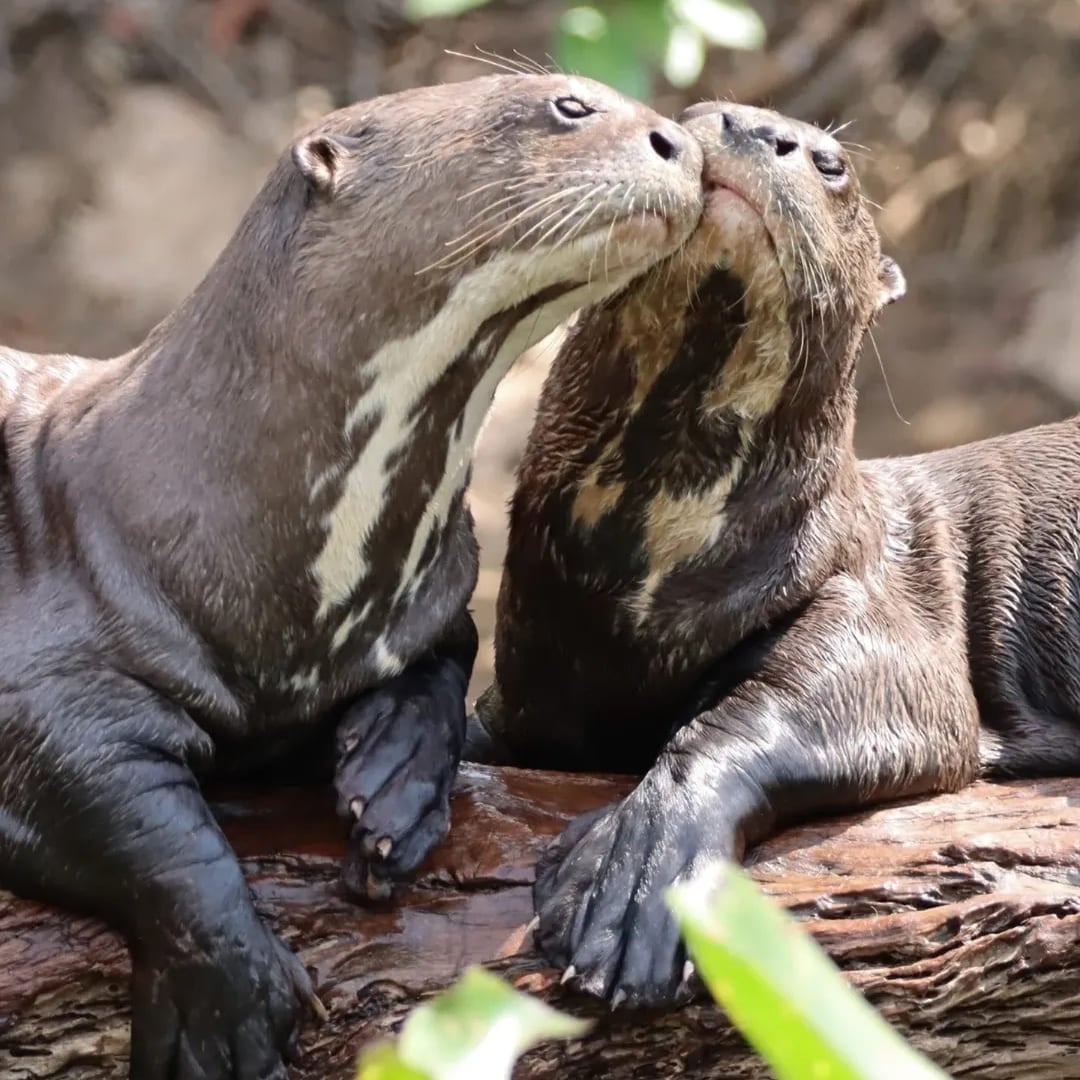
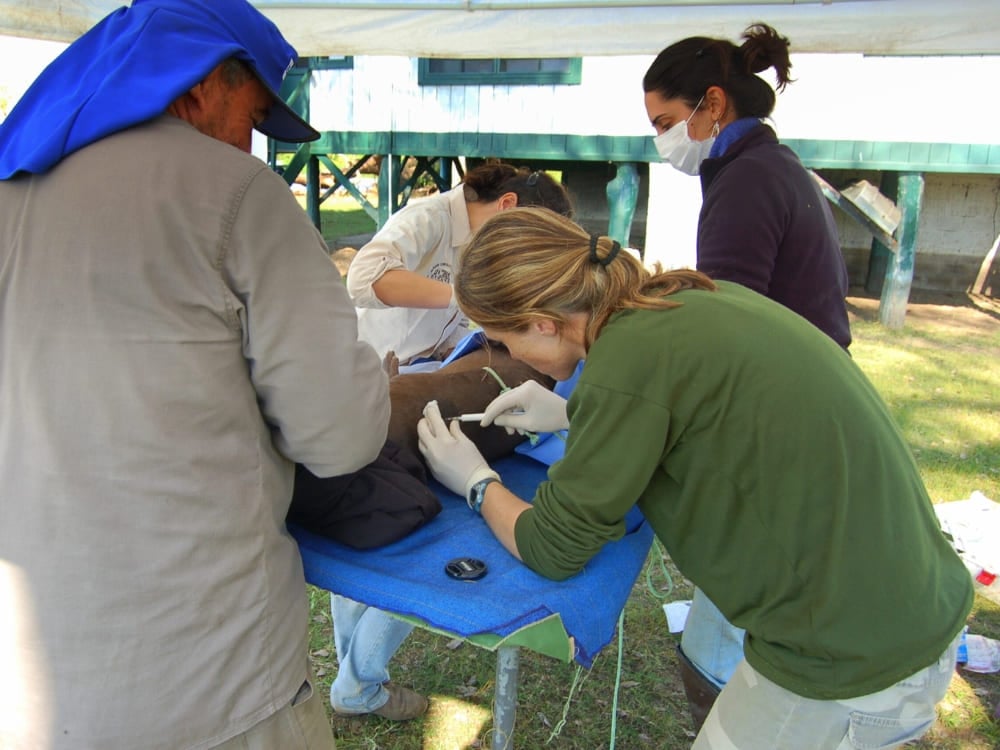
Since 2019, the Giant Otter Project has been dedicated to safeguarding the species and its habitats through population monitoring, scientific research, environmental education, and the promotion of sustainable tourism.
In 2024, the non-profit monitored over 190 km of Pantanal rivers and identified 82 otters in 13 family groups.
How to help the Giant Otter Project
Choose responsible tourism companies, join educational activities on aquatic conservation, buy official merch or make a donation.
👉 Read more: How to get to the Pantanal, Brazil
Why do supporting Pantanal conservation projects and sustainable travel matter?
Initiatives aimed at protecting wildlife and conservation areas in the Pantanal are imperative to maintaining the well-being of the biome.
Through research, species cataloging, and educational programs, fauna and flora are protected and restored to ensure that the ecosystem has a chance to survive and thrive in the face of problems such as global warming and deforestation.
Sustainable tourism is also fundamental, as it increases the public’s interest and knowledge about the importance of environmental preservation and boosts the local economy to benefit the financial health of families and small businesses.
Responsible travel in the Pantanal with PlanetaEXO
PlanetaEXO is an ecotourism platform specializing in Pantanal tours that works with the best local operators to ensure experiences that cause a positive impact on the environment, the local communities and, of course, the travelers.
Besides following responsible tourism practices, we help plan your vacation according to your preferences and needs when it comes to comfort, immersion in nature and tailor-made itineraries. Contact us now!
Keep reading
October 14, 2026
10 Tips to Make the Most of Your Amazon Tour From Manaus, Brazil
Booked an Amazon tour from Manaus in Brazil? See 10 tips to enjoy your experience, including what to eat, what to do, how to be safe, and what to avoid!

October 1, 2026
PlanetaEXO’s new mini-doc showcases ecotourism in Lençóis Maranhenses
In “Lençóis Maranhenses: Far From The Crowds, Close To What Matters”, PlanetaEXO’s mini-doc shows how ecotourism is changing life for local communities.
September 30, 2026
Best Dive Sites in Fernando de Noronha: 21 Spots by Depth and Level
The 21 best dive sites in Fernando de Noronha, with depth, seaside, and level for each, from 8 m beginner reefs to the 62 m Corveta Ipiranga wreck.