



In celebration of Earth Day, observed on April 22nd, we have selected 10 impactful initiatives that combine biodiversity conservation with the sustainable development of Brazilian communities.
To celebrate Earth Day, PlanetaEXO, a platform specialized in ecotourism and responsible travel, highlights the work of organizations at the forefront of environmental protection in Brazil. The country, home to the world’s greatest biodiversity, faces growing climate challenges, making support for these ecosystems more urgent than ever.
Drawing on its mission to connect travelers with positive-impact experiences and inspired by this year’s Earth Day theme (“Our Power, Our Planet”), PlanetaEXO has compiled a special selection of the top 10 initiatives for the preservation of fauna, flora, and the socioeconomic development of local communities in Brazil.
“Initiatives aimed at protecting wildlife and traditional communities are imperative to ensure our biomes survive issues like global warming and deforestation. At the same time, responsible tourism acts as a fundamental tool, as it increases public awareness and directly boosts the local economy,” says Lucas Ribeiro, founder of PlanetaEXO.
Check out 10 essential conservation initiatives in Brazil now:
1. Onçafari Project (Mato Grosso do Sul)
A pioneer in biodiversity conservation, Onçafari focuses on raising awareness about Jaguars and promoting ecotourism as a sustainable income-generating alternative. In the Pantanal, it conducts research, environmental education, and the reintroduction of animals into the wild.
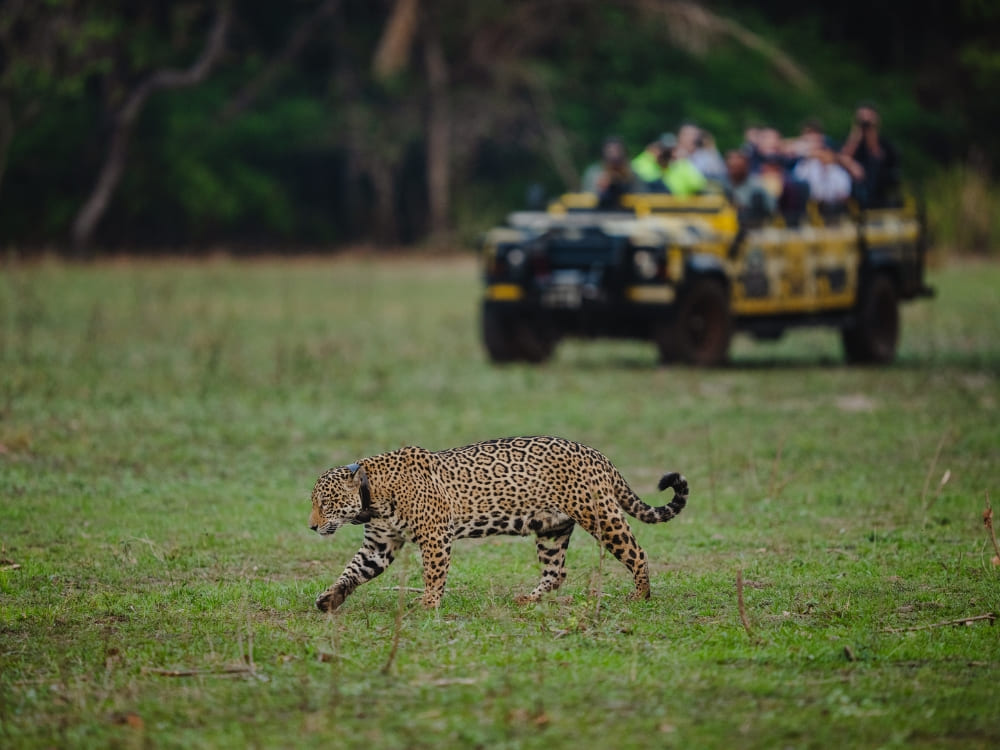
Photo: Donal Boyd
How to help: Support by visiting the Caiman Refuge through responsible tourism, following the project’s activities on social media, or making a direct donation.
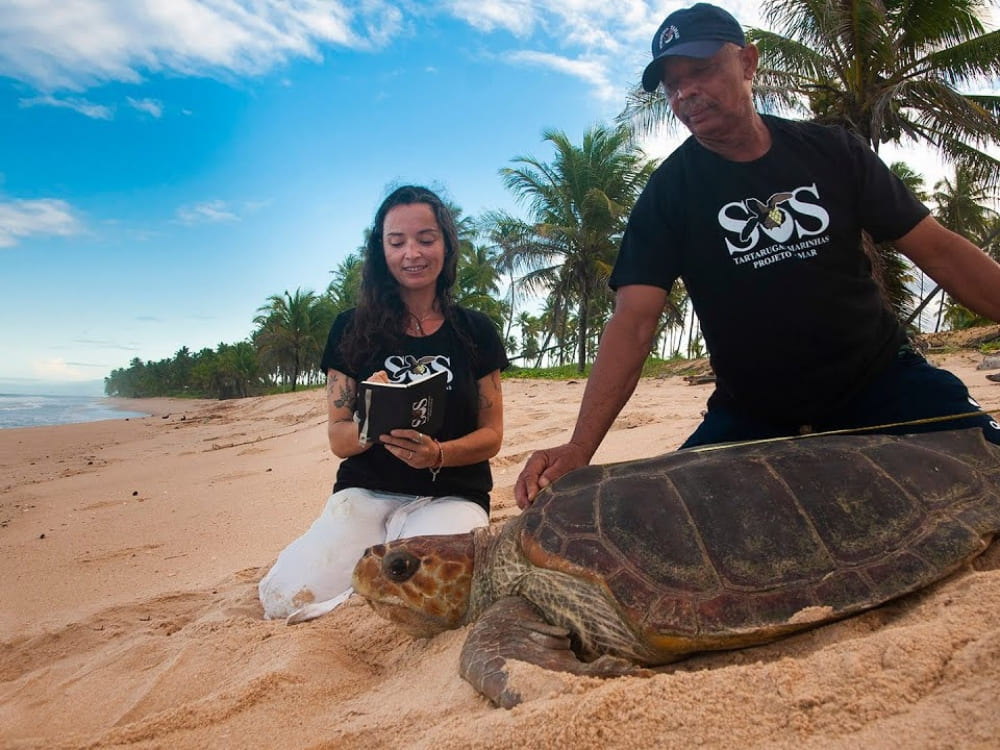
2. Tamar Project (Brazilian Coast)
Internationally recognized, the Tamar Project has worked for decades to protect sea turtles in vital coastal areas. It combines scientific research, beach monitoring, and social inclusion for communities along the Brazilian coast.
.
How to help: Visit the project’s visitor centers in Santa Catarina, São Paulo, Espírito Santo, Bahia, Sergipe, and Pernambuco (Fernando de Noronha) and buy official products in physical and online stores, or contribute with donations to the Tamar Project Foundation.
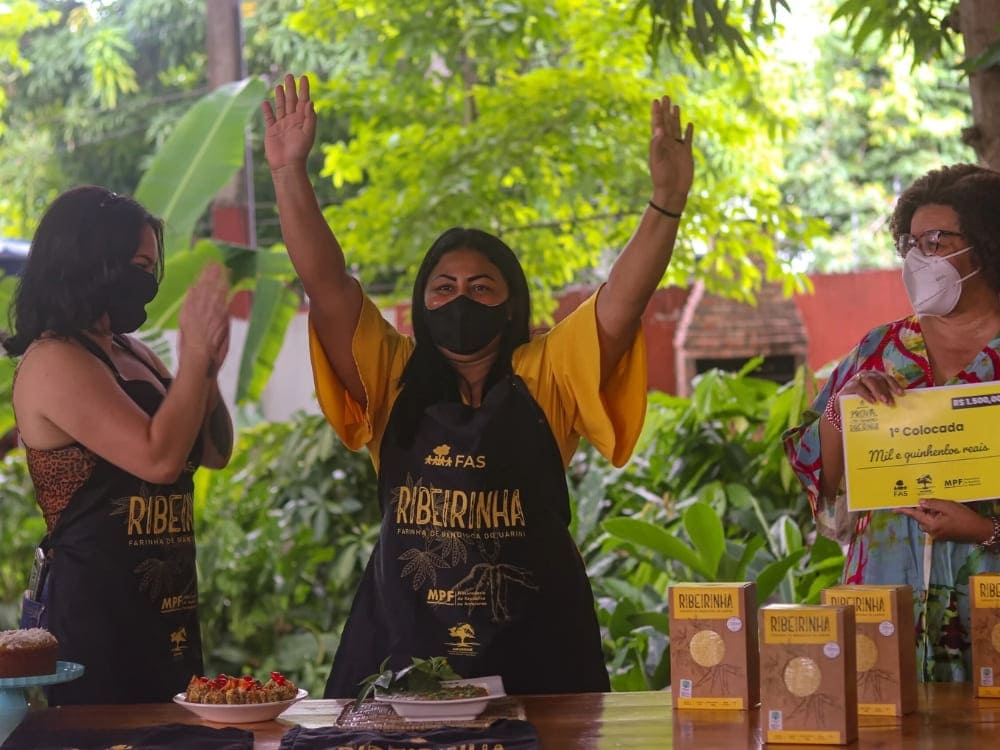
3. Sustainable Amazon Foundation – Pensa Program (Amazonas)
The Sustainable Amazon Foundation (FAS) combats social vulnerability in the Amazon through the Sustainable Entrepreneurship and Business Program (Pensa). The focus is on community-based tourism in Conservation Units, transforming the standing forest into an economic asset that has already generated millions in income for riverside communities.
.
How to help: Prioritize community-based tourism itineraries in the Amazon operated by FAS partner communities and support the institution through donations for forest education and health projects.
4. Humpback Whale Project (Bahia and Espírito Santo)
Working in the species’ main nurseries in the South Atlantic, this initiative blends science with the promotion of sustainable whale watching, generating local income without harming the animals’ life cycle.
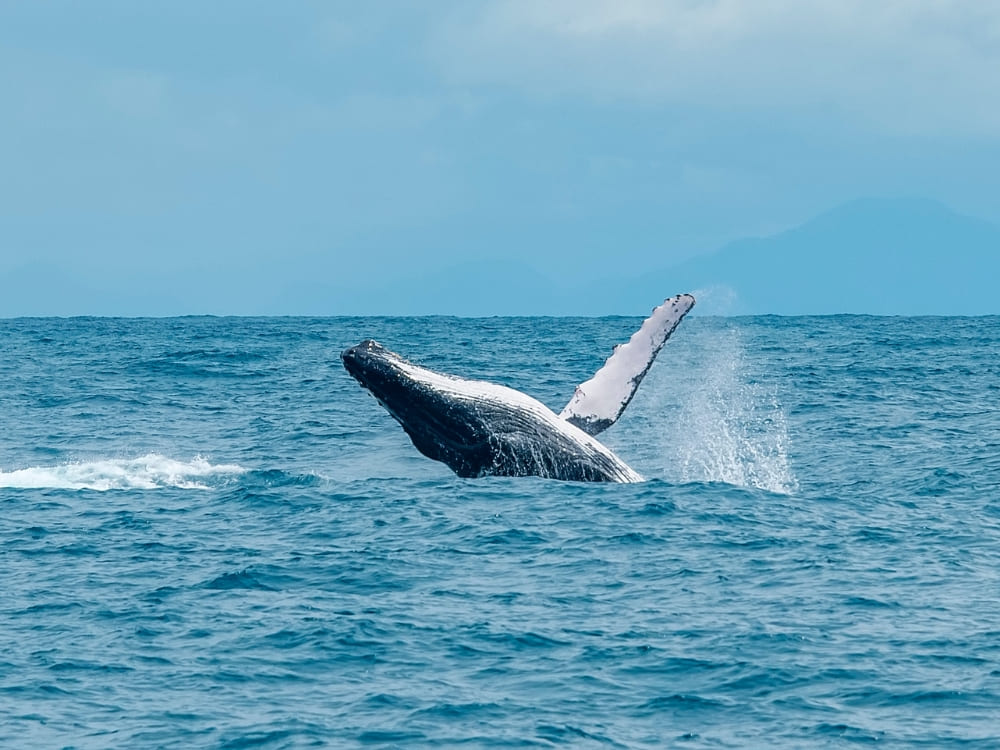
.
How to help: Participate in sustainable whale-watching expeditions with accredited partners or purchase official institution products.
5. Hyacinth Macaw Institute (Mato Grosso do Sul and Mato Grosso)
A success story where science saved a species from extinction. Through the monitoring of natural and artificial nests, the project has allowed the population of Hyacinth Macaws to grow significantly in the Pantanal biome.
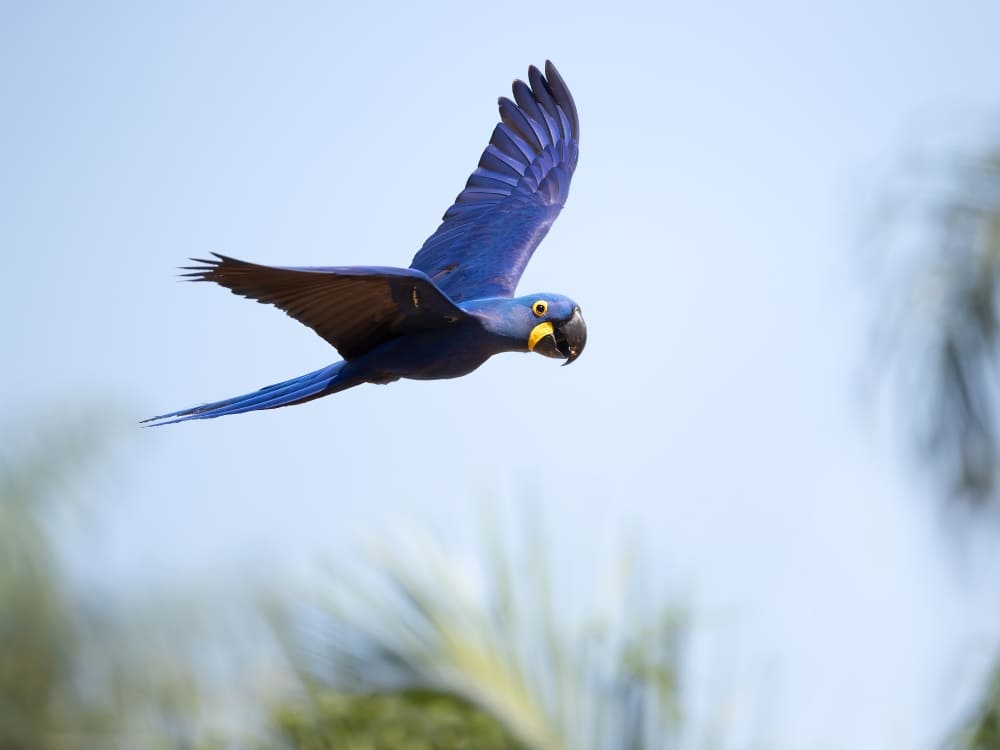
.
How to help: Symbolically adopt a nest or chick, buy official brand products, or make donations through the institute’s official website.
6. Spinner Dolphin Project (Pernambuco)
Based in Fernando de Noronha, it has worked for over 30 years in the research and protection of spinner dolphins. It is fundamental to ensuring that tourism on the island occurs without interfering with the natural behavior and rest of these cetaceans.

.
How to help: Strictly follow the Marine National Park rules when visiting Noronha, visit the project’s Visitor Center, or make direct donations.
7. Ibiti Project (Minas Gerais)
Focused on Atlantic Forest regeneration and regenerative tourism, the project reforests degraded areas and protects native fauna—most notably the Northern Muriqui—in total harmony with the villages in the Ibitipoca region.
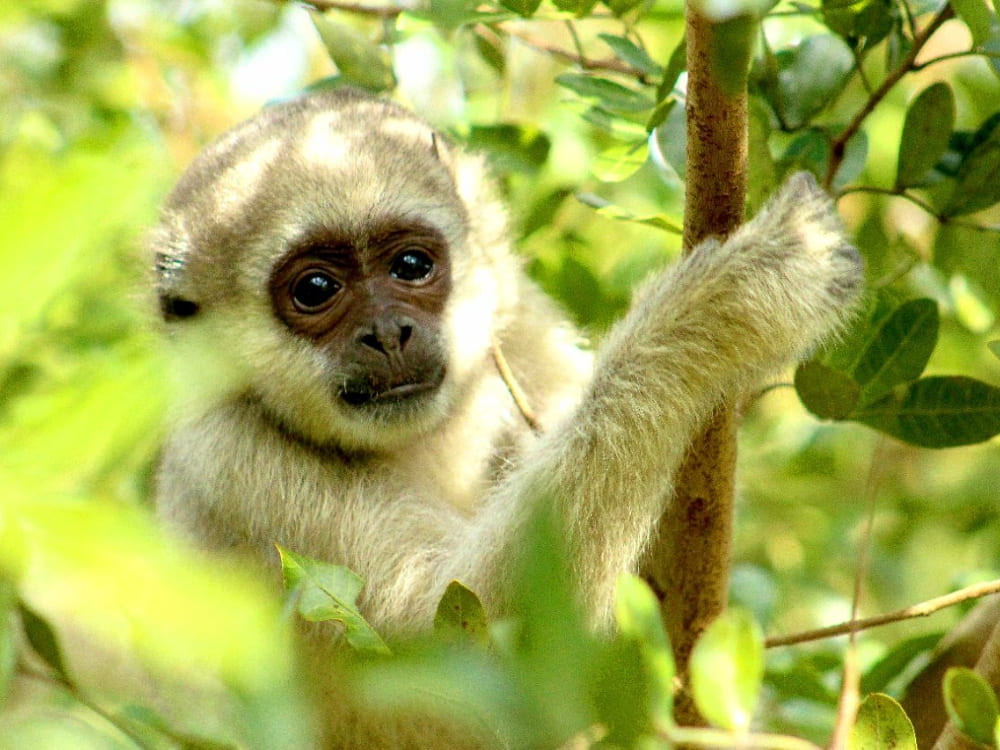
.
How to help: Practice regenerative tourism by visiting the project and prioritize the consumption of sustainable products produced by the local community.
8. Lobos da Canastra Program – Pró-Carnívoros Institute (Minas Gerais)
Operating in the Serra da Canastra, this project focuses on protecting the Maned Wolf, monitoring animals and working with rural producers to mitigate conflicts and promote peaceful coexistence in the Cerrado.

Photo: Adriano Gambarini
How to help: Spread the word about the project’s educational campaigns (such as “I am a friend of the wolf”) or make donations through the Pró-Carnívoros Institute website.
9. Mateiros Artisans Association (Tocantins)
An emblematic example of conservation through sustainable use, the association acts as a guardian of the Cerrado in Jalapão. The harvest of Golden Grass (Capim Dourado) is conducted under strict regulations that respect the plant’s seeding cycle, ensuring ecosystem regeneration and income for quilombola communities.
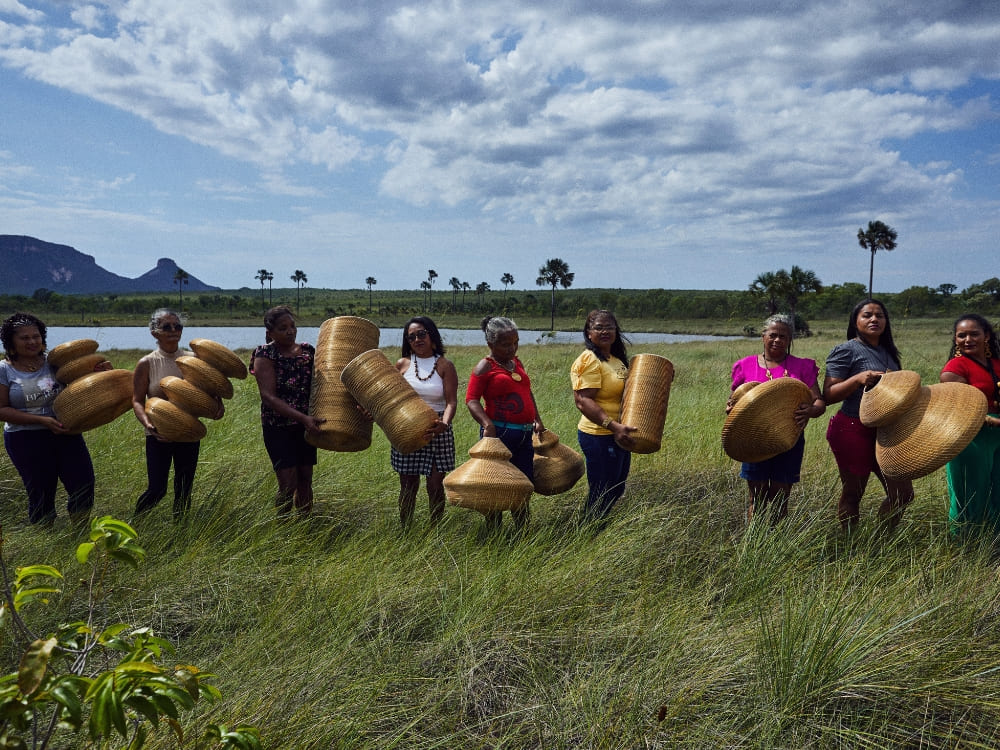
Photo: Loiro Cunha
How to help: Support community-based tourism when visiting Jalapão and purchase original handicrafts with a seal of origin, respecting the official harvest period.
10. “Na Rota do TamanduAÍ” Project – Tamanduá Institute (Maranhão)
Operating in Lençóis Maranhenses, this project studies and protects the Silky Anteater, the smallest anteater species in the world. The initiative trains local communities in sustainable ecotourism as an alternative to social vulnerability and environmental degradation.
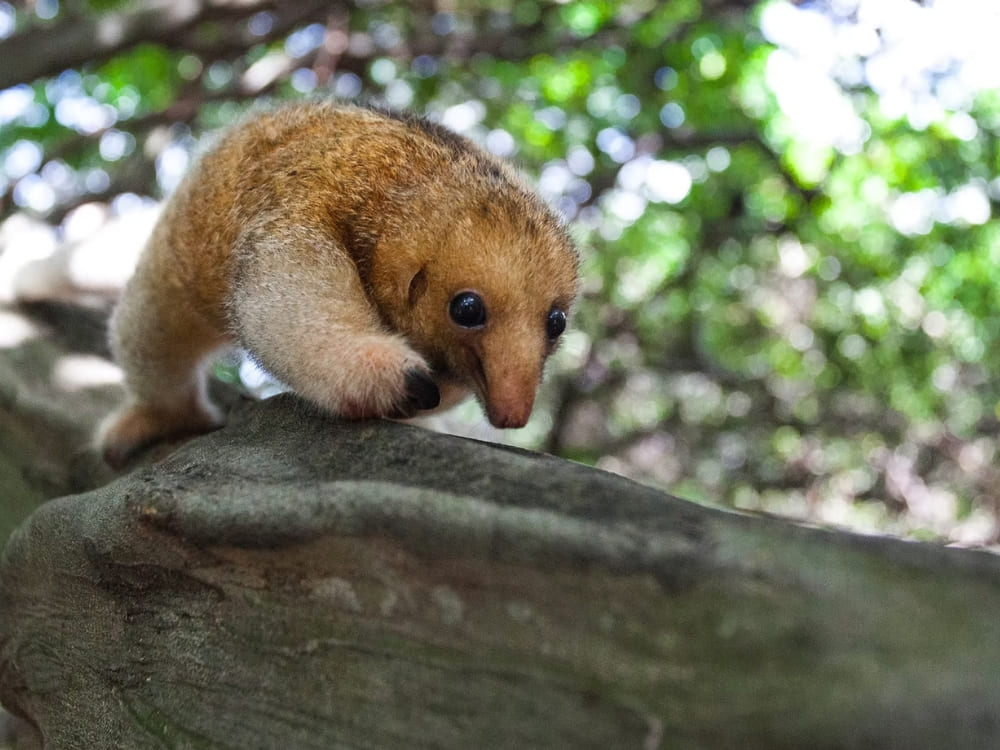
.
How to help: Opt for community-based guides and itineraries in Lençóis Maranhenses and support the environmental education campaigns of the Tamanduá Institute.
Earth Day 2026 Celebrates the Power of Individuals in Environmental Advocacy
Since 2009, a UN resolution has established April 22nd as International Mother Earth Day or Earth Day, an international date created to raise awareness about the importance of environmental preservation and to encourage concrete actions against issues such as pollution, climate change, and biodiversity loss.
The celebration began in the United States in 1970, long before official recognition by the United Nations. Today, Earth Day mobilizes millions of people worldwide.
The 2026 theme, “Our Power, Our Planet,” celebrates the power of individuals and community mobilization in environmental defense. Learn more about the date and global mobilization at the official website EarthDay.org.
Support Brazilian Conservation Through Ecotourism with PlanetaEXO
PlanetaEXO is a platform dedicated to responsible ecotourism, connecting travelers to authentic nature experiences and strengthening community initiatives across Brazil. The company works in partnership with local communities, guides, and conservation projects to promote travel that values culture, biodiversity, and sustainability.