



Get ready to admire jaw-dropping landscapes and delight yourself with eco-friendly destinations around the world
Tropical forests, wetlands, deserts, open fields and snowy mountains. If you’re willing to plan your vacation in authentic, less obvious places around the world, there is no lack of sustainable travel options for people who just can’t say no to a good adventure.
Ecotourism destinations take their responsibility to the environment very seriously, but that doesn’t mean your trip will be any less than amazing. Some of the best hotels on the planet follow strict guidelines to respect green practices while also offering premium services and high-end accommodations.

.
These ecolodges, alongside sustainable companies and other institutions involved in eco-friendly travel, are active members of The Long Run, a global network for sustainable tourism. Honorably, PlanetaEXO is part of this impactful organization.
Check below 10 nature destinations to visit in 2026!
1) Caiman (Pantanal, Brazil)
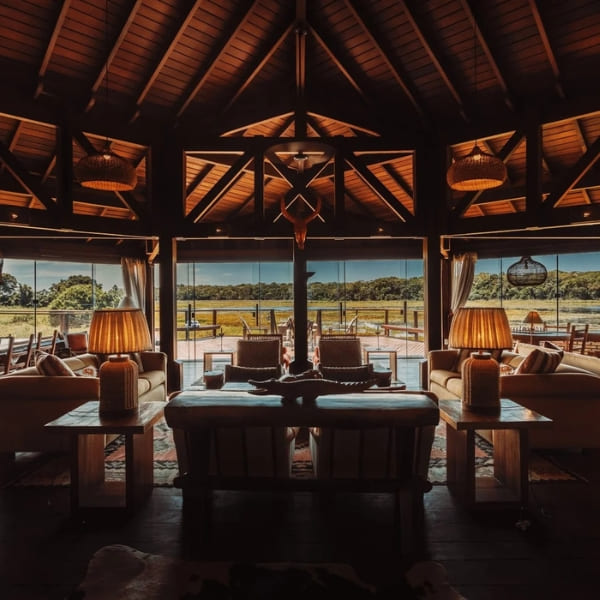
Looking for eco-friendly destinations in Brazil? Caiman was founded over 35 years ago as a way to protect the Pantanal’s fauna, flora and cultural heritage. Ranging 53,000 hectares in one of the country’s most fascinating biomes, this sustainable travel experience in the world’s largest wetland is unlike anything you’ve ever seen.
Guests stay at Casa Caiman (farmhouse-turned-ecologe) or at Baiazinha (exclusive private villa). Both include ensuite bedrooms with king-size beds, air-conditioning, Wi-Fi, toiletries, outdoor terraces, and access to the swimming pool, firepit, restaurant and dining room.
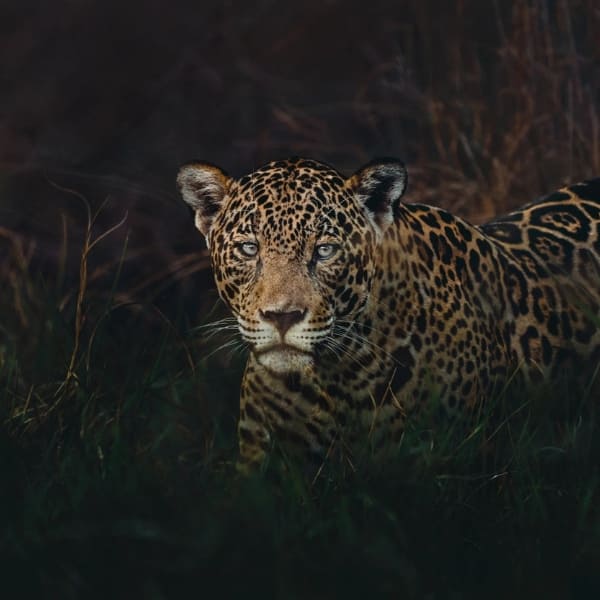
Jaguar spotting, in partnership in the Onçafari Project, is the most sought-after activity, but Caiman’s itinerary is packed with hiking trails, safari, night tours, canoeing, horseback riding, and birdwatching.
Caiman is a Global Ecosphere Retreat®, a sustainability certification that recognizes The Long Run’s members that meet 91 criteria across the 4Cs. The standard is considered one of the industry’s most rigorous.
Why is this an ecotourism spot?
Partners with different projects to protect the local fauna, funds environmental training, fire prevention and forest management. Caiman also offers job opportunities for locals (especially women) and preserves Pantanal’s culture by celebrating Annual Caiman Lasso Festival, Cowboy Day and the Cattle Drive Traditional Lunch.
👉 Visit Caiman with PlanetaEXO: Luxury Jaguar Safari in the Pantanal

Photo: Felipe Castellari
-
- Photo: Felipe Castellari
-
- Photo: Donal Boyd
2) Wolwedans (NamibRand Nature Reserve, Namibia)
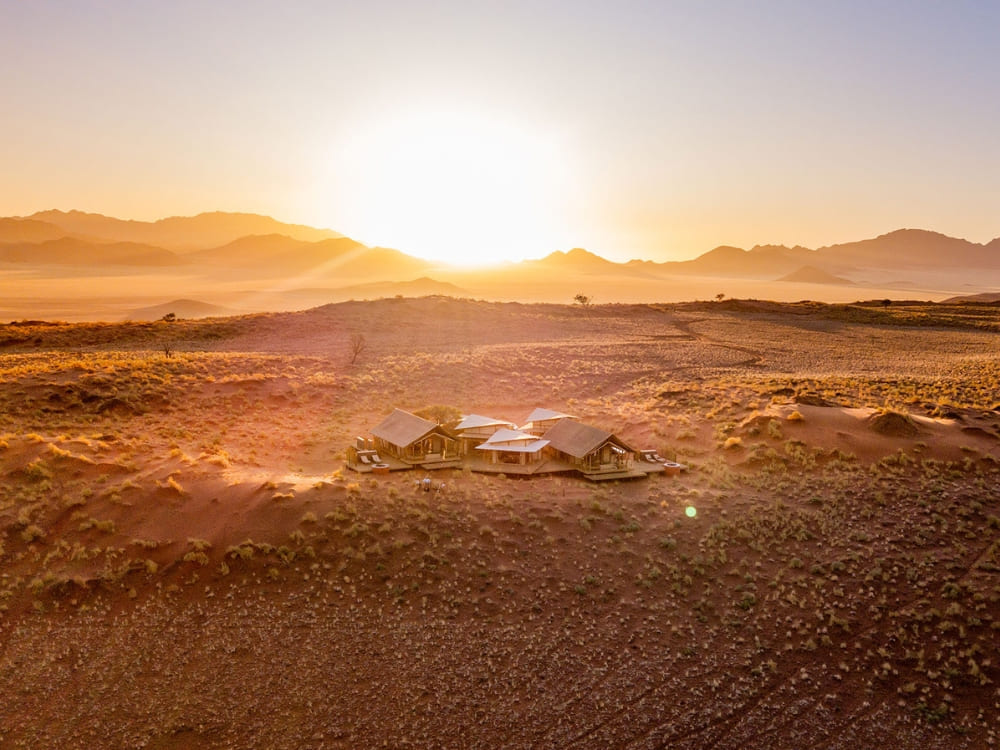
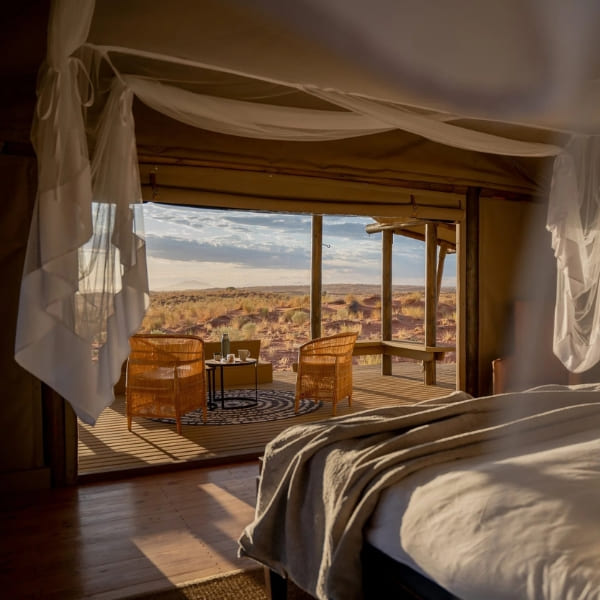
In the heart of NamibRand Nature Reserve lies Wolwedans, a sanctuary of tranquility, authenticity and Africa’s most gorgeous landscapes. The Namibia desert shines golden under the sunlight, but the sky becomes a sparkly, starry cloak when night falls.
Guests enjoy an exquisite stay at spacious lodges and camps built on wooden platforms raised off ground. Surrounded by reddish sand, delight yourself with king-size beds, private bathrooms, minibars and water-filled silos to cool off.
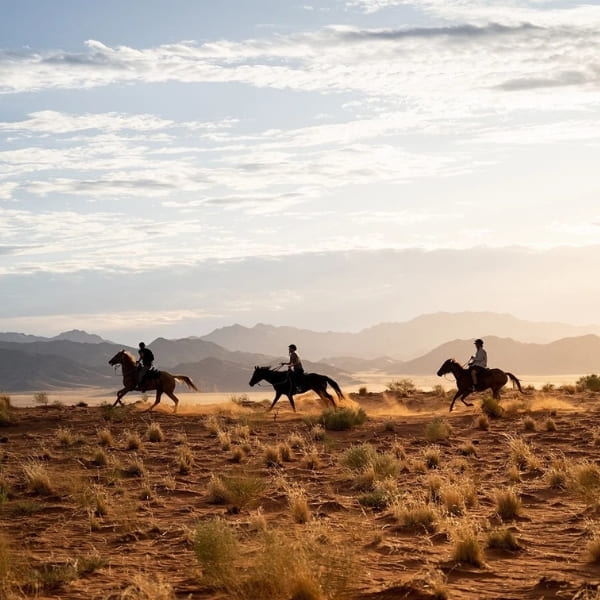
Experiences include scenic drives, desert hiking, dune e-biking, hot air balloon rides and horseback riding.
Why is this an ecotourism spot?
As an integral player in the reserve’s landscape restoration, Wolwedans has planted over 200 trees as part of its “Adopt a Tree” program, and uses a central wastewater treatment plant. Additionally, it also employs an all-Namibian team and shares local lore during immersive guided walks with guests.
.
-
- .
-
- .
3) Nay Palad Hideaway (Siargao Island, Philippines)
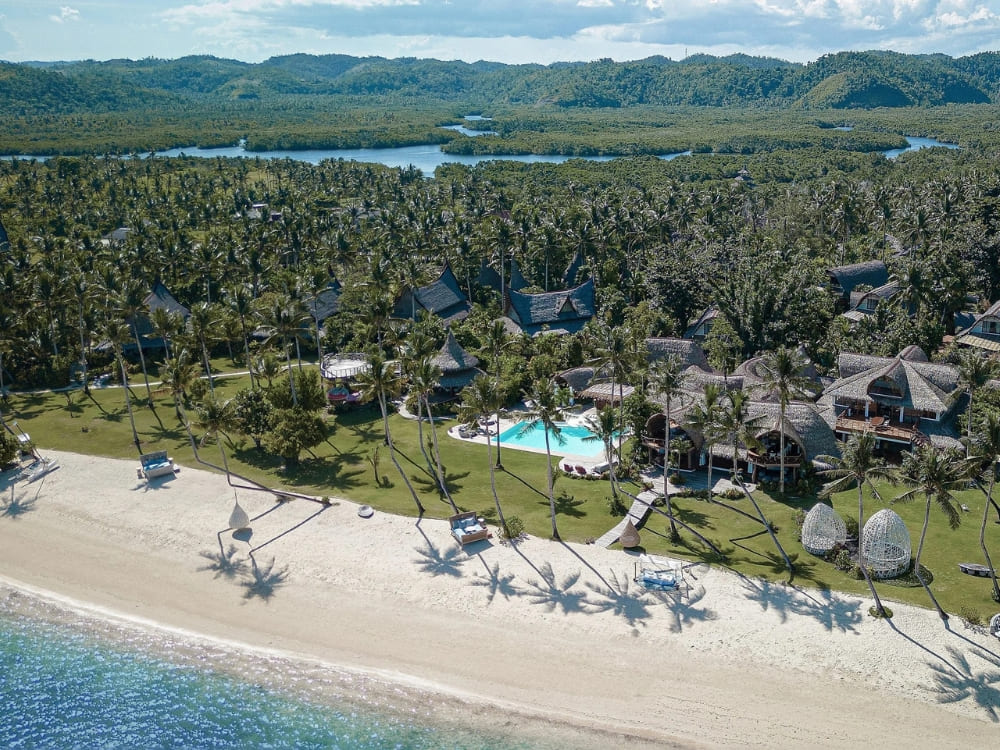
Nay Palad Hideaway lies at the very southeastern tip of Siargao Island, a protected area that guards wetlands, and terrestrial and marine ecosystems. This ecolodge is a key player in the preservation of mangroves and this region’s wildlife due to its eco-friendly practices and commitment to Siargao Island Protected Landscape and Seascape (SIPLAS).
The design of Nay Palad’s ten villas follows Filipino authenticity and a rustic, charming architecture that perfectly blends with the island’s paradisiacal beauty. Common areas include a spa, yoga and meditation pavilion, gym, fine dining restaurant, swimming pool and padel court.
As a barefoot luxury lodge and a nature destination, Nay Palad Hideway offers plenty of outdoor experiences: island hopping, land excursions, water sports, mangrove kayaking, hiking, farming, and fish dome making.
Why is this an ecotourism spot?
Nay Palad Hideaway promotes coral reef rehabilitation, beach forests, protection of seagrass habitats and the protection of endangered species, while also helping socially vulnerable families, encouraging guests to embrace Filipino culture, and supporting local businesses.
.
-

- .
-

- .
4) Grootbos Private Nature Reserve (Western Cape, South Africa)
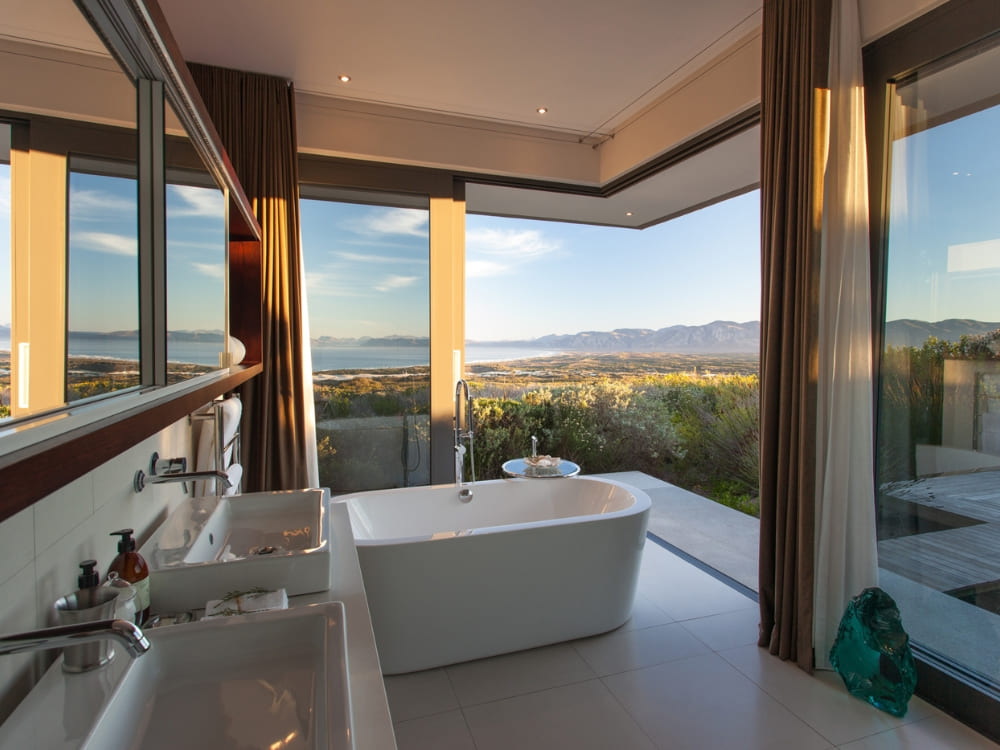
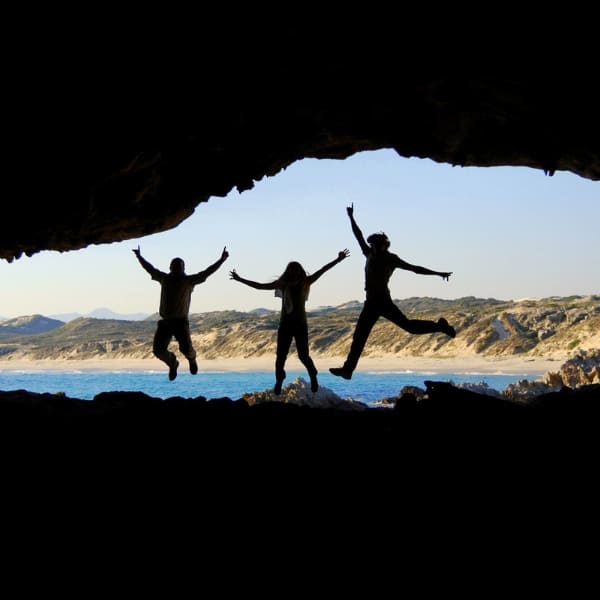
Grootbos Private Nature Reserve is nestled amidst mountains and a forest that overlooks the impressive marine life of Walker Bay. This specific area is immensely important for flora conservation, since 70% of its plants are found nowhere else on the planet.
One of Africa’s most incredible sustainable trips also offers a high-end stay experience in suites, lodges and villas surrounded by gorgeous gardens, untouched forest and panoramic views of the ocean. Comfy beds, private bathrooms, air conditioning, underfloor heating and lounges with fireplaces will definitely help you relax.
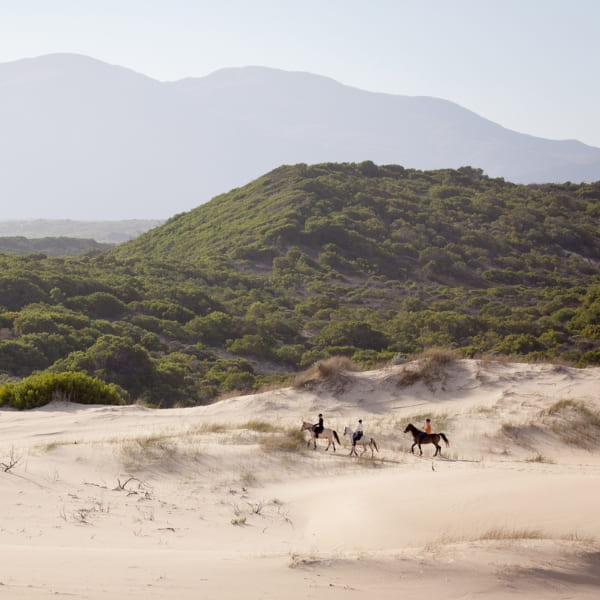
Immerse yourself in Western Cape with Grootbos extensive list of activities: botanical tours, fatbike tours, shark cage diving, whale watching, horse riding, boat rides, hiking, marine and coastal safari, birdwatching, scenic flights, and visiting local communities.
Why is this an ecotourism spot?
Grootbros is an active friend of Western Cape, leading numerous projects to help the environment and the local community, such as cataloguing plants and insect species, keeping its own rainwater harvesting system, and providing training, seed funding, meals and indigenous cultural holiday programs.
.
-
- .
-
- .
5) Estancia Cerro Guido (Patagonia, Chile)
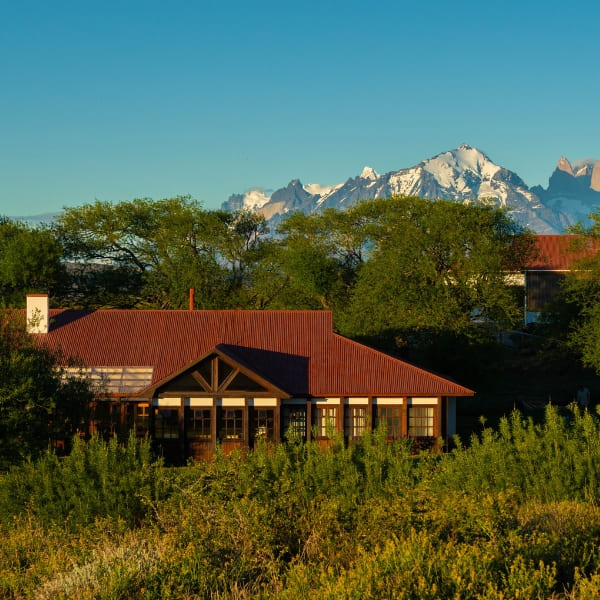
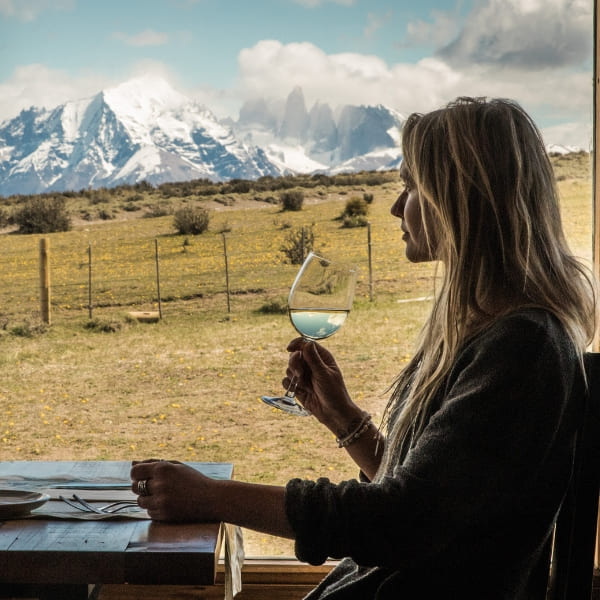
Another wonderful ecotourism destination in Chilean Patagonia, Estancia Cerro Guido is a historic lodge founded in the early 20th century. Spanning over 100,000 hectares of gorgeous natural view, the place is also a working cattle ranch focused on traditional sheep farming methods, including old-school shearing.
Amidst open fields and snowy mountains, guests enjoy an all-inclusive stay in English style rooms equipped with comfy beds (featherbeds), private bathrooms, central heating and organic amenities. In the common areas, enjoy yourself roaming around the garden, greenhouse, living room, wooden walkways, saddle room, indoor barbecue area, and a lovely restaurant.
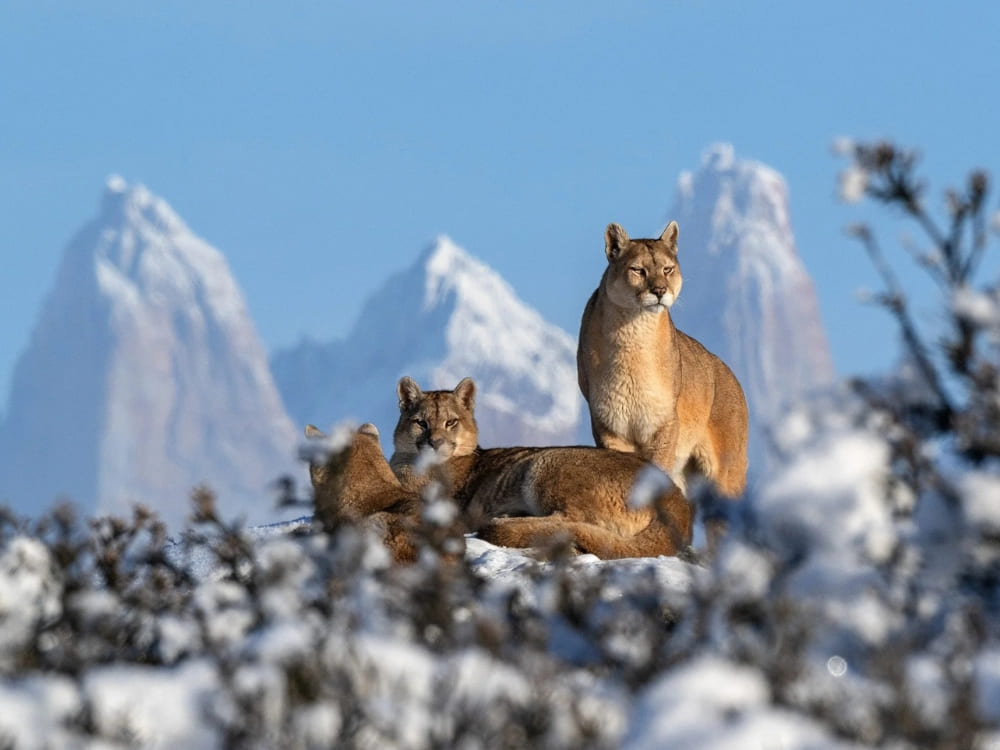
Estancia Cerro Guido offers amazing activities that incorporate local culture and Patagonia’s impressive natural resources, such as safaris to spot pumas and other animals, horseback riding, fly-fishing, archaeological and historic tours, biking, and hiking in Torres del Paine National Park.
Why is this an ecotourism spot?
Committed to protecting puma populations and restoring native grasslands, Estancia Cerro Guido’s main goal is to promote a balanced human-wildlife coexistence. The lodge also invests in environmental education and community-led workshops, preserves Patagonia’s ranching, operates on low-impact tourism and donates a percentage of its annual revenue to invest in conservation initiatives through the Cerro Guido Conservation Foundation.
.
-
- .
-
- .
6) Batu Batu (Johor, Malaysia)
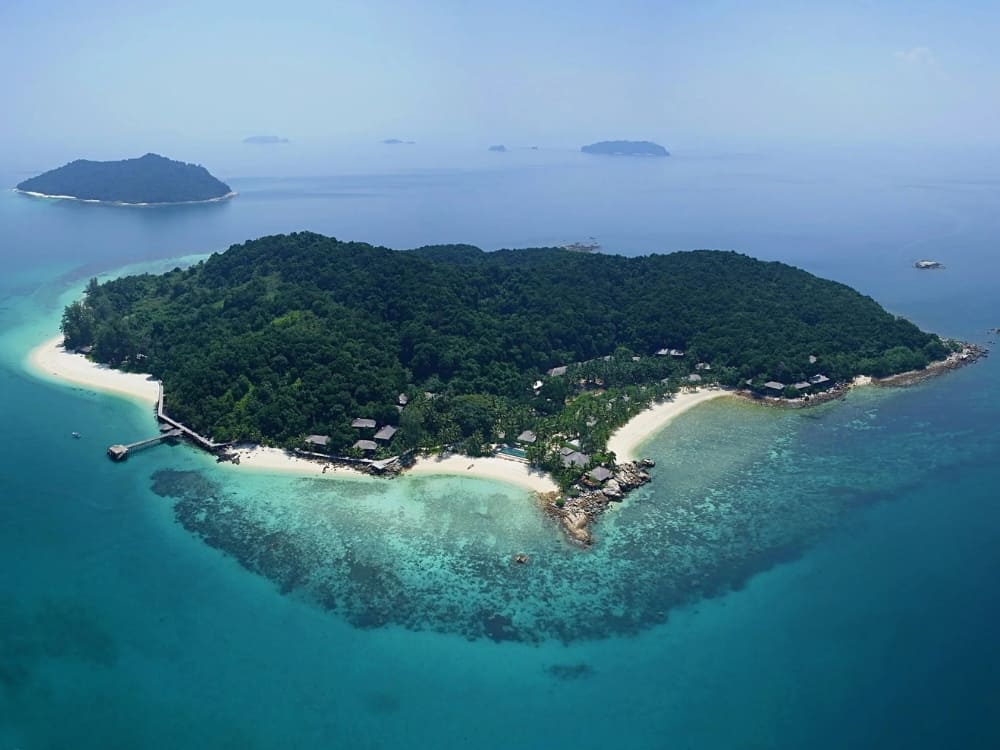
Constructed by local carpenters, Batu Batu is an all-villa retreat in Johor Marine Park, on the off-grid island of Palau Tengah. Founded in 2012, this beautiful marine ecolodge is a true gem when it comes to sustainable travel, breathtaking landscapes of blue-green sea, lush vegetation, and premium services.
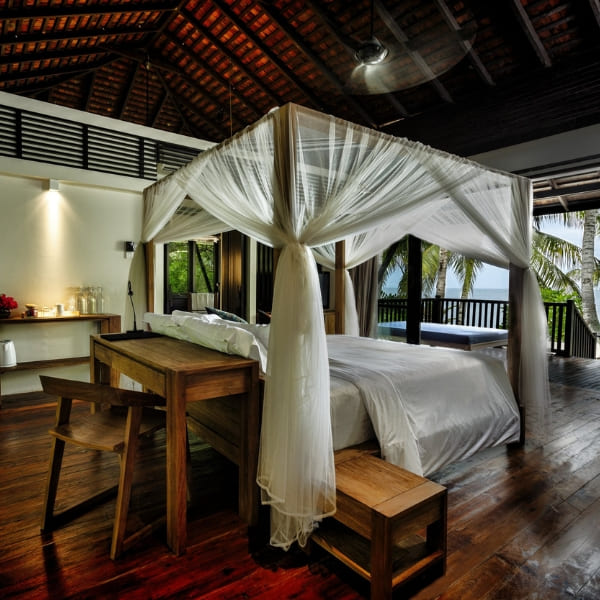
Guests enjoy an unparalleled stay in 22 villas — 20 one-bedroom and 2 two-bedroom —, all of them thoughtfully crafted from tropical hardwoods and featuring Malaysian-inspired architecture. The accommodations include king or twin beds, spacious bathrooms and private balconies with full or partial views of the jungle or the sea.
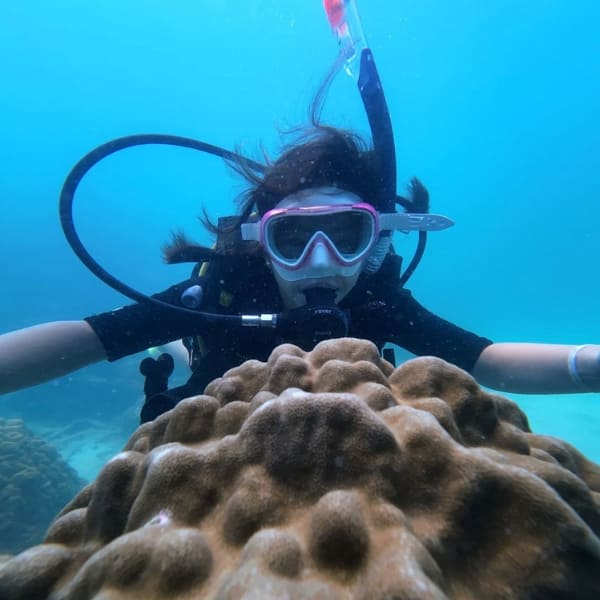
Experiences include snorkelling, diving, trekking, kayaking, paddleboarding or simply unwinding at the beach.
Why is this an ecotourism spot?
Batu Batu is an active partner of non-profit Tengah Island Conservation (TIC), donates 10% of its profits to ongoing conservation work, and provides regional communities with economic opportunities through hiring, buying supplies and supporting local services. It also works alongside authorities and academics to strengthen cultural programs.
.
-
- .
-
- .
7) Lapa Rios (Osa Peninsula, Costa Rica)
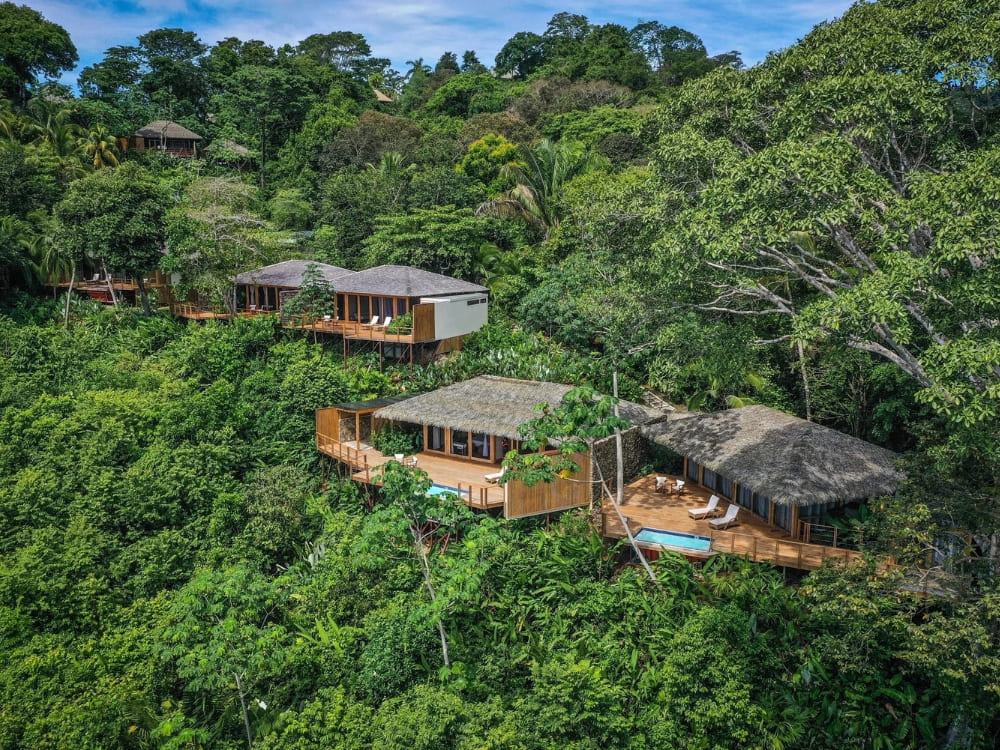
Osa Peninsula is a wild, remote region in Southwest Costa Rica that features untouched vegetation, rich biodiversity and Lapa Rios, one of Central America’s most renowned sustainable travel spots.
80% of the reserve at this ecolodge is a primary forest, which makes the view from the villas and luxury bungalows something almost otherworldly. Accommodations are equipped with comfortable beds, private bathrooms, toiletries, coffee machines, and even hiking boots.
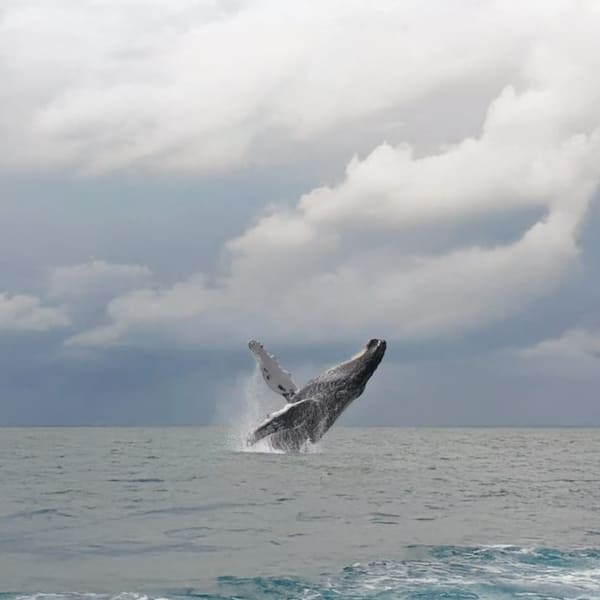
Explore Costa Rica’s natural beauty by swimming in the ocean, canoeing in mangroves, planting trees or going on tours for hiking, birdwatching and spotting the aquatic residents of Golfo Dulce — dolphins and whales are recurring visitors!
Why is this an ecotourism spot?
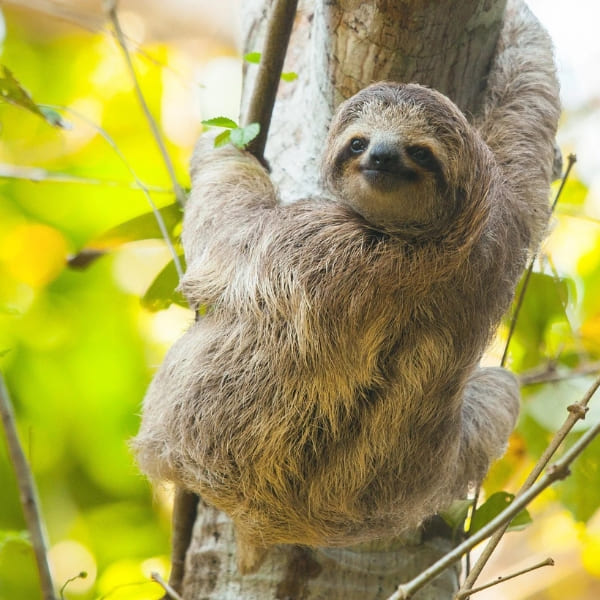
Lapa Rios’ preservation efforts protect over 1,000 acres of forest, but the lodge also looks out for its community. Social projects, economic endorsement and incorporating indigenous lore into on-site experiences are some of the initiatives.
.
-
- .
-
- .
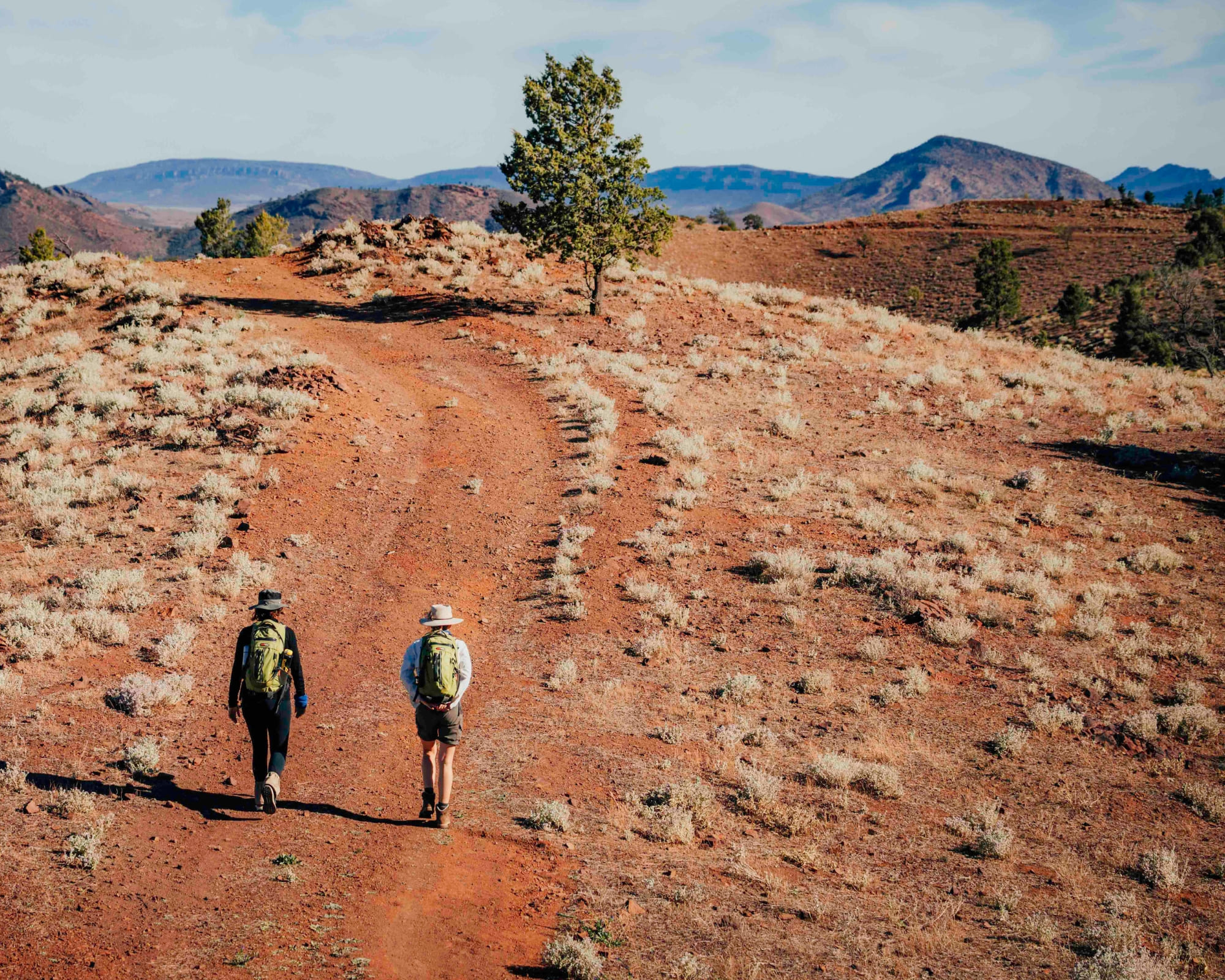
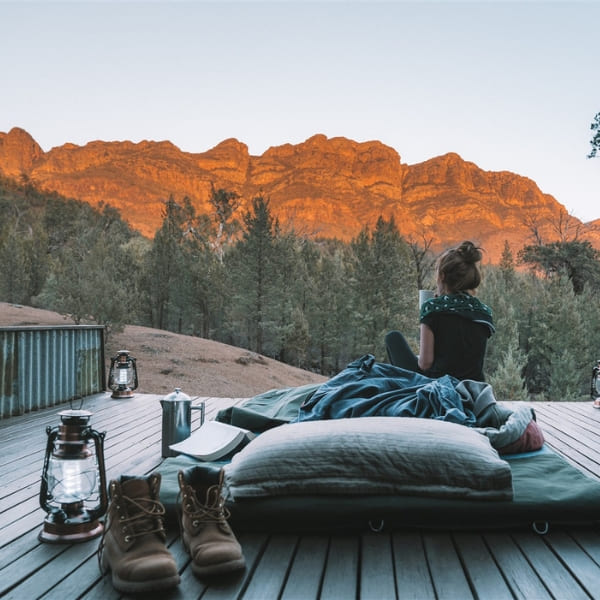
8) Arkaba (Flinders Rangers, South Australia)
Arkaba is a 1850 restored homestead surrounded by 60,000 acres of privately-owned, protected outback. This sustainable travel paradise features dramatic landscapes, ancient mountains, diverse wildlife and rich Aboriginal culture. In Adnyamathanha language — spoken by the indigenous people of Flinders Ranges —, the lodge’s name means “land of abundance”.
Arkaba is eco luxury at its finest, accommodating only ten guests at a time in traditional-style bedrooms with ensuite bathrooms, ceiling fans, work desks, and exclusive access to the verandah.
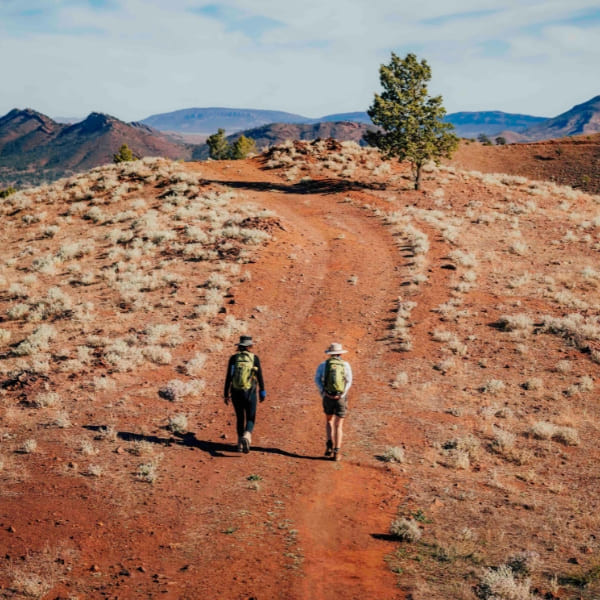
The main attraction is The Arkaba Walk, a several-day safari-like experience that includes guided tours through Ikara-Flinders Ranges National Park, Elder Ranges, and Mallee and cypress forests.
Why is this an ecotourism spot?
Arkaba works with the Australian Wildlife Conservancy to apply conservation plans, commits to source as much of its produce and services and possible from South Australia, and endorses platforms to local indigenous people to keep Australia’s Aboriginal history alive.

.
-
- Photo: Luke Tscharke
-
- .
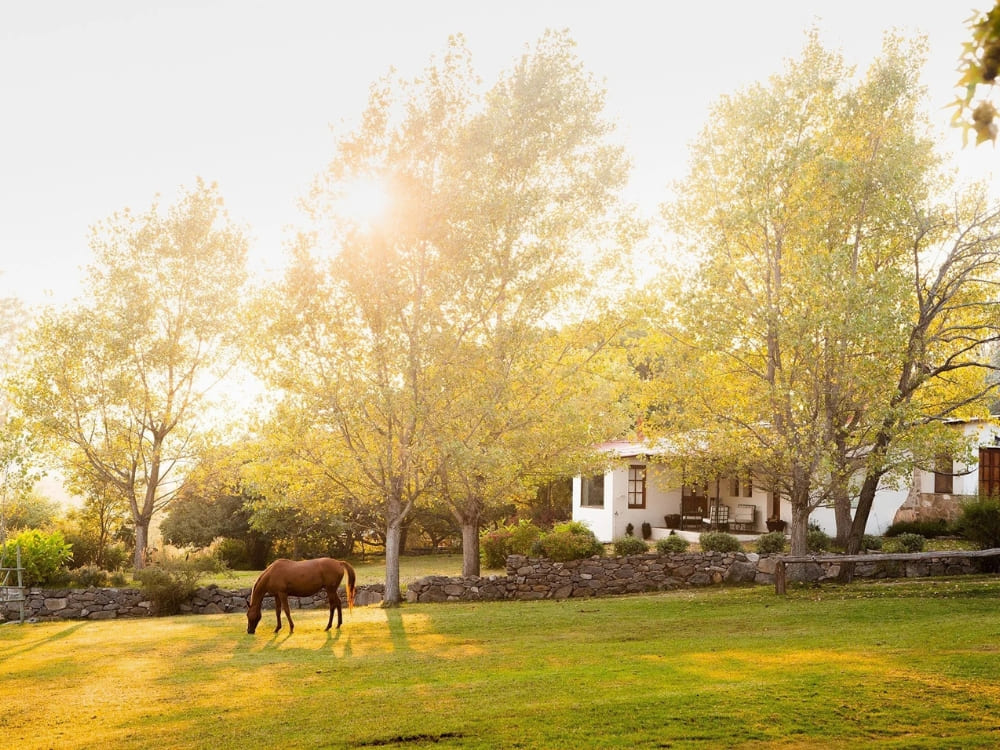
9) Estancia Los Potreros (Córdoba, Argentina)
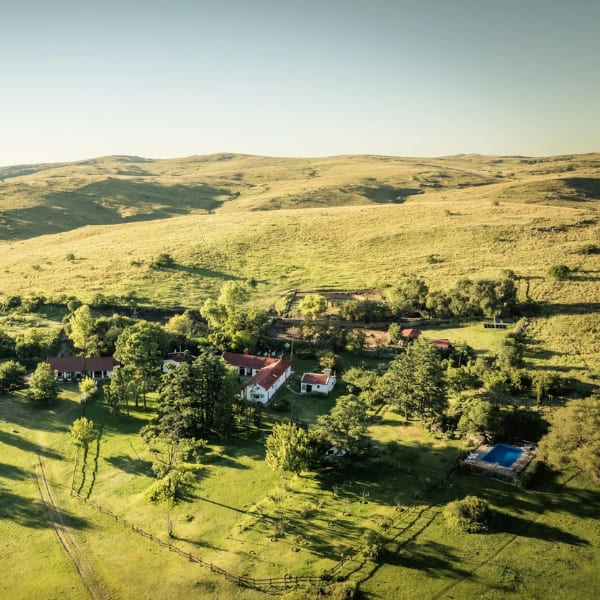
Although Córdoba is Argentina’s second-largest city, Estancia Los Potreros is all about peace, connection with nature and sustainable travel away from the tourist trail. Sierras Chicas, a ravishing range of hills between the Pampas and the Andes, is adorned by stunning green fields and an impossibly blue sky.
Hospitality is in Los Potreros’ very essence — the Begg family, owners of the property, started accommodating paying guests in the 1940s. Nowadays, there are seven rooms with simplistic, yet charming interior design, featuring wooden beams, stone walls, antique furniture, comfortable beds and even log-burning stoves.
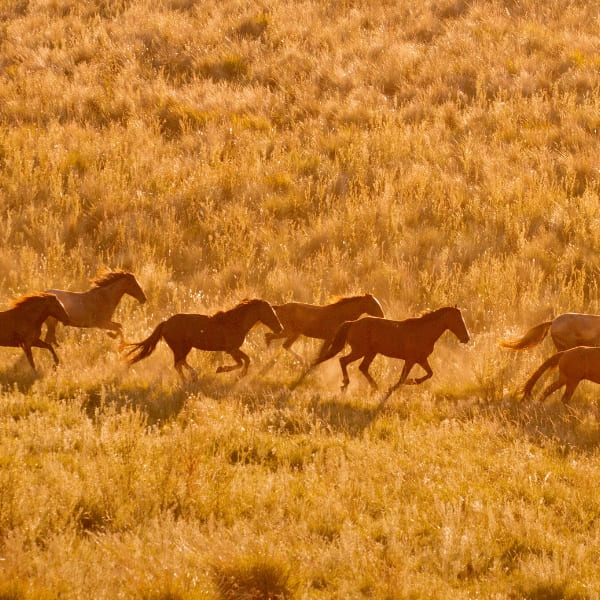
Deep into gaucho roots, the most famous activities are horseback riding in open fields, barrel racing, sortija (a short race that involves hooking a ring from a T-bar with a stick) and polo, but hiking and birdwatching are also included in the experience.
Why is this an ecotourism spot?
Los Potreros prioritizes animal welfare by, raising open-range, grass-fed cattle and horses with ethical care. Due to severe drought, the lodge has adopted water-saving measures, like low-flow fixtures and rainwater catchment. Finally, local employment and services support Córdoba’s families economic health.
.
-
- .
-
- .
10) Nikoi Island (Riau Islands, Indonesia)
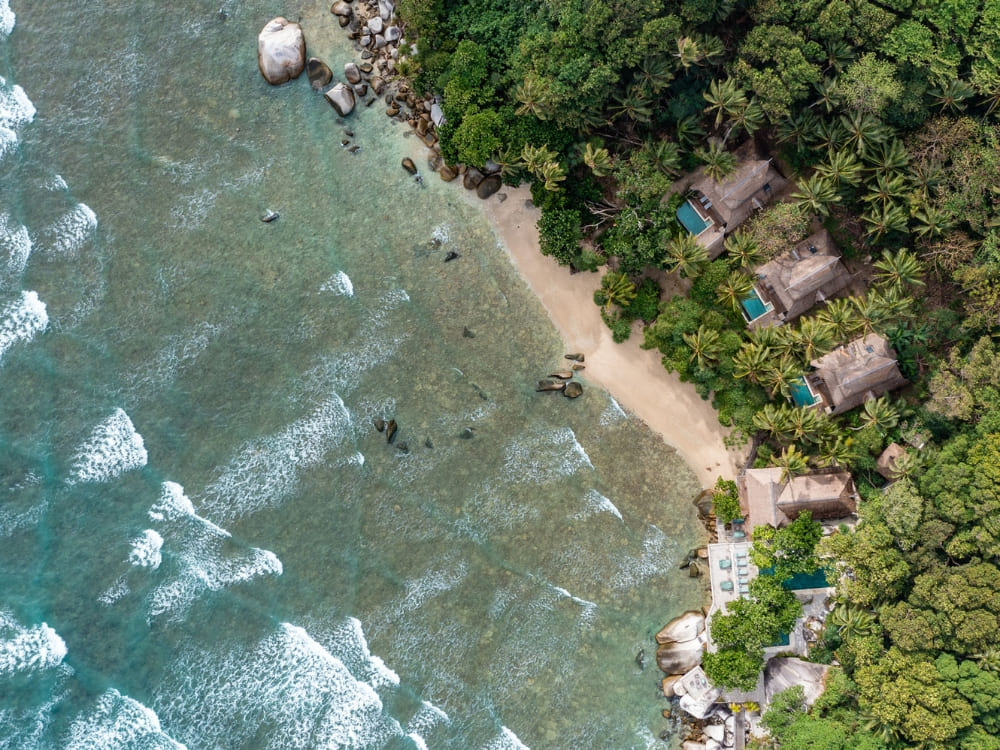
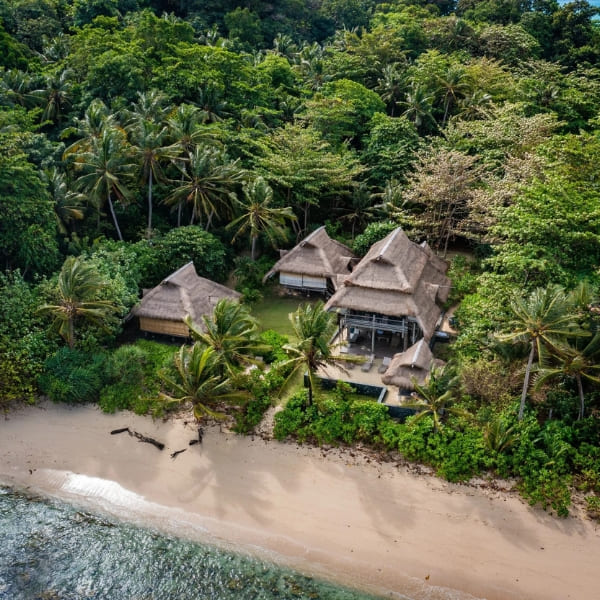
Two and a half hours away from Singapure, Nikoi is a 37-acre private island resort located in the Riau Archipelago. Sandy beaches, crystal-clear waters, and a mix of tropical forests and mangroves make this a must-visit ecotourism destination in Southeast Asia.
Perfect for families, Nakoi has something for everyone: movie nights and treasure hunts for kids, yoga and massages for parents looking forward to some well-deserved relaxation. The open-air villas are perfect for a good night’s sleep thanks to the wonderful beds (double, singles or bunks), private bathrooms, outdoor showers and jaw-dropping views of the beach.
Dive deep into the Indonesian wild by snorkeling, paddleboarding, kayaking, rock climbing or trekking.
Why is this an ecotourism spot?
The lodge’s energy and water consumption remain far below industry standards due to conscious design and operations. Nikoi also helped to create a non-profit, establish a 138,500-hectare Marine Protected Area, and positively impact 16,000 people in Riau through job opportunities and educational programs.
.
-
- .
-

- .
The Long Run and PlanetaEXO: match made in (green) heaven
Founded in 2009 by the Zeitz Foundation, The Long Run’s network currently shields over 20 million acres of biodiversity across five continents thanks to dozens of members worldwide. The organization’s mission is to support tourism enterprises committed to positive, long-term impact.
The 4Cs framework incorporates sustainable and regenerative practices into any travel business. Therefore, The Long Run’s members should respect four pillars:
- Conservation: Biodiversity, climate action, environmental management.
- Community: Employee well-being, ethical employment, sustainable development, community engagement.
- Culture: Cultural diversity, heritage, ethical exchange.
- Commerce: Responsible business practice, long-term resilience, funding conservation, community, culture projects, progression planning.
The strong willpower to make a change drives PlanetaEXO to go the extra mile to ensure better conditions for travelers, small businesses, local communities and the environment. That’s why becoming the first Brazilian travel company to join The Long Run is a major achievement towards healthier ecotourism initiatives in Brazil — and a milestone for anyone who loves nature and traveling.
👉 Learn more about PlanetaEXO and The Long Run
Sustainable travel in Brazil with PlanetaEXO
At PlanetaEXO, we pride ourselves on our commitment to offer the best immersive experiences in some of Brazil’s most beautiful nature destinations. As an ecotourism platform that believes sustainability can coexist with premium services, we work tirelessly to help our clients live the vacation of their dreams without harming — and doing our best to protect — natural resources.
Our partnership with The Long Run showcases our desire and competence to make a difference for everyone involved in ecotourism. Book your sustainable trip and come live an adventure with us!