


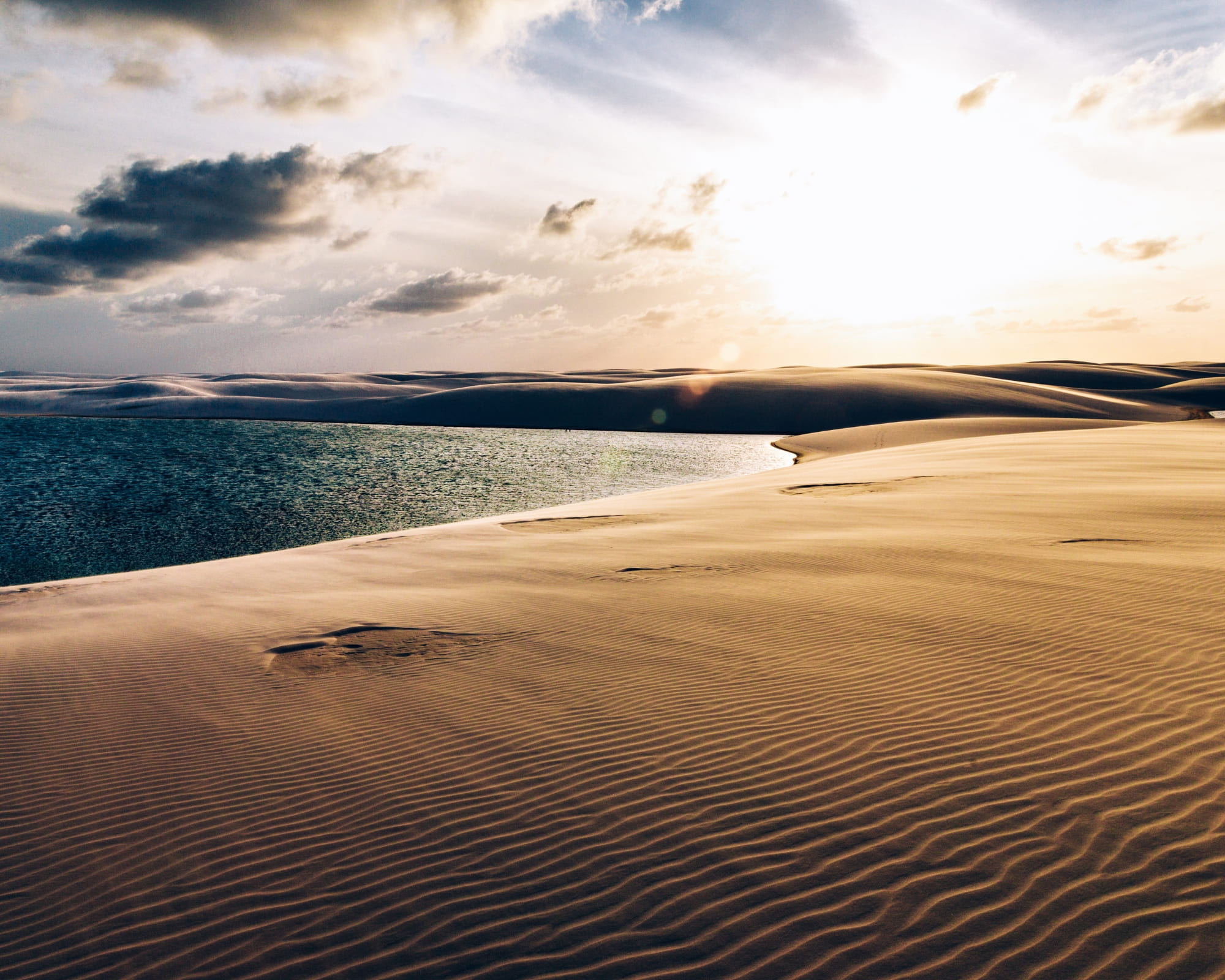

Lençóis Maranhenses is an all-year-round destination, but the weather is stable and the iconic lagoons are full right after the rainy season
The best time to visit Lençóis Maranhenses is from May to September, when the lagoons are at their fullest after the rainy season and the weather is generally more stable.
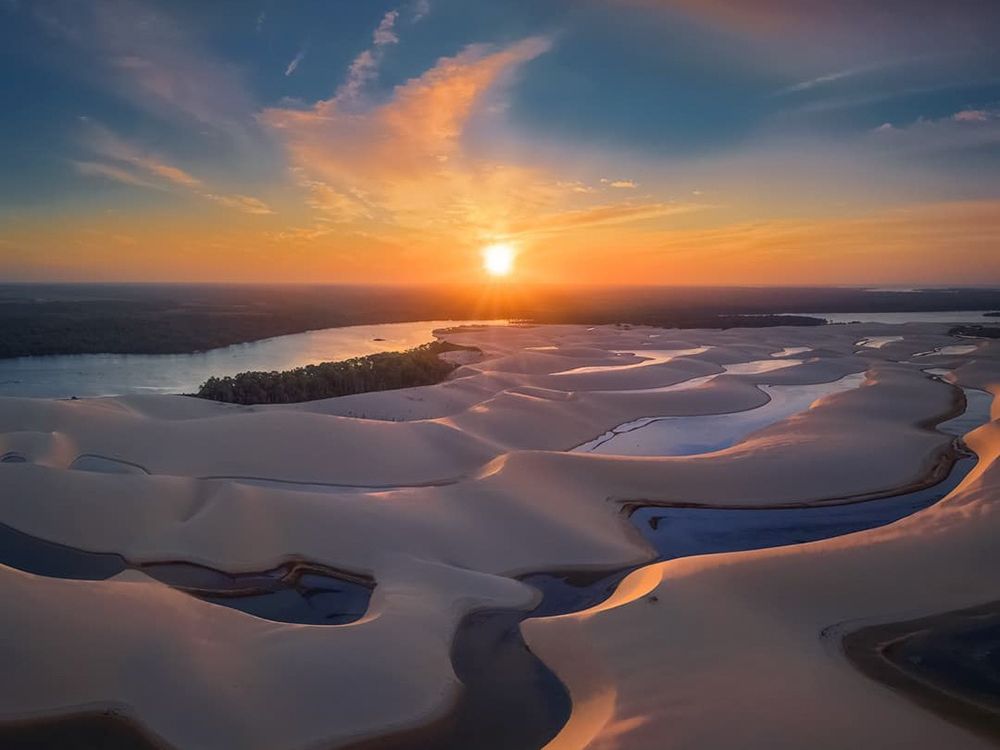
Photo: Marcio Cabral
Outside that period, the destination still offers great options for leisure and connection with nature, but the change in scenery caused by climate influence alters the itineraries, especially when it comes to the lagoons.
In other words, the dunes of Brazil can be enjoyed all year round, but there are a few things to consider to make sure your trip is booked at the appropriate time for the activities you’re looking for.
Learn more about the complete guide PlanetaEXO, an ecotourism platform specializing in Lençóis Maranhenses tours, has carefully curated. Check it out below!
The weather in Lençóis Maranhenses
Lençóis Maranhenses has a tropical climate with little temperature variation throughout the year. The rainy season (February to April) features heavy rainfall that makes the lakes and rivers reach their highest water levels. The average temperature is 30°C to 32°C.
In the dry season (May to September), temperatures don’t change much (31°C to 33°C) and the rainfall ceases, but the lagoons remain full—perfect for swimming, diving and bathing in lovely, stable weather.
As we move into the later months, starting in October, the lagoons begin to recede, revealing the sand dunes in their vastness and presenting a different, yet equally mesmerizing way to experience the Lençóis Maranhenses National Park in Brazil.
Please notice: While it’s possible to provide insights into the typical weather patterns and lagoon conditions in Lençóis Maranhenses, the weather is inherently unpredictable. As the actual amount of rainfall and subsequent state of the lagoons vary from year to year, it’s important to check the latest weather forecasts while planning a trip to ensure the most accurate expectations for your visit.
When’s the best time to visit Lençóis Maranhenses’ lagoons: month by month
The thousands of lagoons in Lençóis Maranhenses are, undoubtedly, the main attraction of the national park. With different sizes and depths, they are known for their crystal-blue waters and perfect conditions for swimming, diving, or relaxing.
-
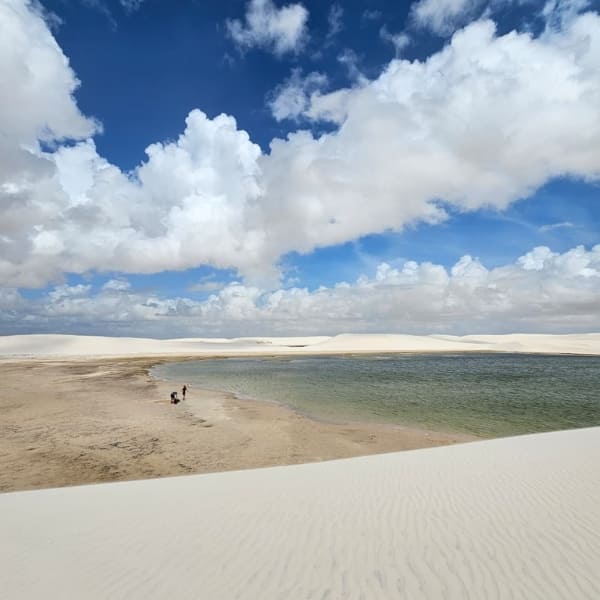
- lagoons in march
-
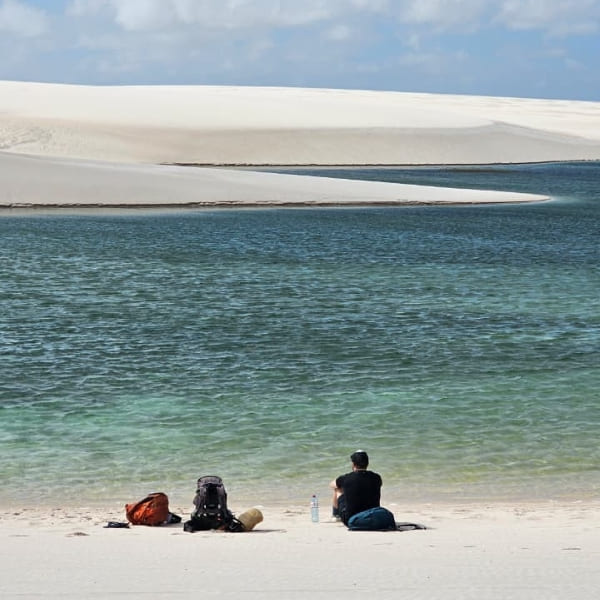
- lagoons in april
-
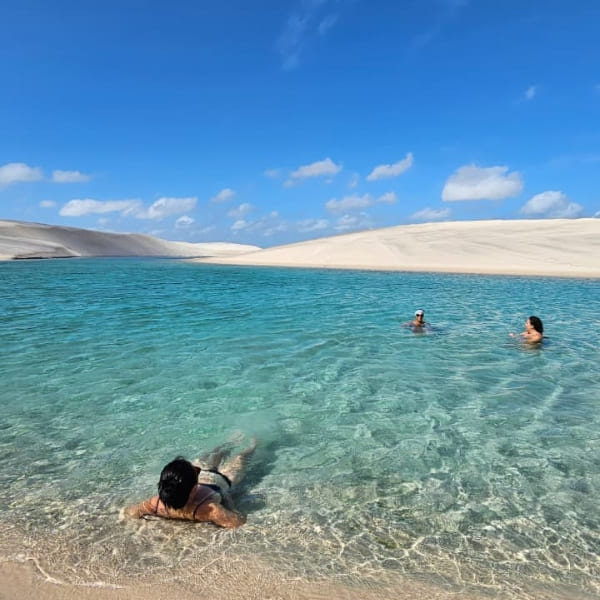
- lagoons in may
-
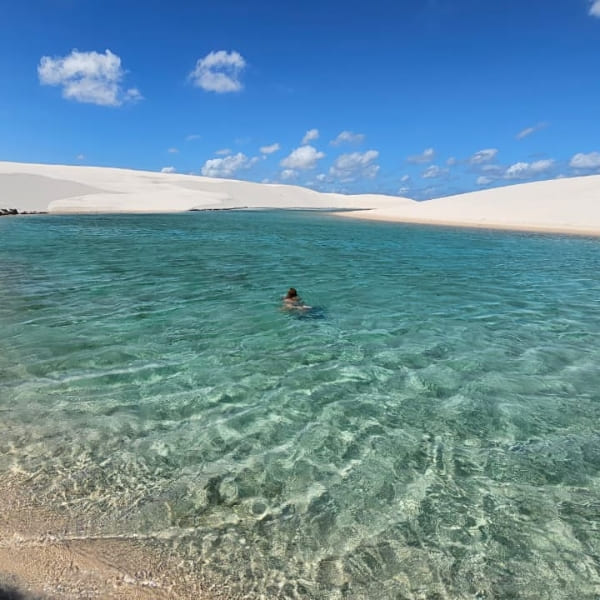
- lagoons in june
However, their formation is directly linked to the volume of rainfall, which means some months are more or less favorable for enjoying them.
Lençóis Maranhenses in January
January brings a calm atmosphere while the dunes stretch out in vastness. Ideal for peaceful explorations, this is the region’s driest season. The landscapes are different, more white and gold—due to the sand and the sunlight—and less decorated with blue from the lagoons, but the beauty is still undeniable.
Daytime temperatures hover around 31°C (87°F) and cool down to 25°C (77°F) at night. The weather is hot and humid, so wearing light and airy clothes is advisable.
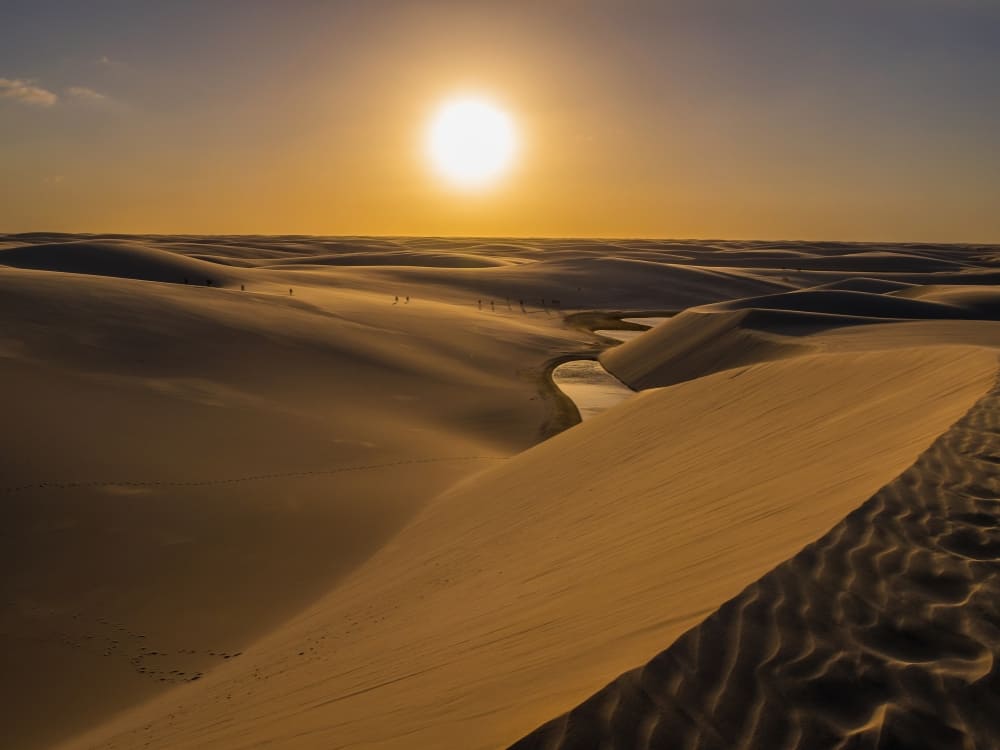
.
Why visit in January?
January marks the low season in Lençóis, so it’s perfect for people seeking solitude and peacefulness. With less tourist activity and uninterrupted views, it’s also a wonderful time for photography.
While the lagoons are not at their peak, it’s still possible to find a few selected spots for a refreshing dip.
Lençóis Maranhenses in February
February is the transitioning month to the rainy season, perfect to enjoy Lençóis before the increased rainfall. Weather conditions don’t change much and, much like January, the temperatures are mild but gentle breezes are a lot more noticible.
Why visit in February?
As February ushers in the beginning of the rainy season, you’ll witness the lagoons slowly filling up, offering a glimpse into the change of scenery. It’s a great time for trekking across the park and visiting isolated zones, such as Baixa Grande Oasis and Queimada dos Britos.
👉 Explore the adventure: 5-day Lençóis Maranhenses Hike
Lençóis Maranhenses in March
The temperatures follow the average of January and February, accompanied by a lovely breeze. As humidity reaches 83%, the weather becomes considerably muggy.
With the onset of the rainy season, a vibrant renewal takes over Lençóis Maranhenses National Park in Brazil. Fed by the rain, newly formed lagoons fill up each day.
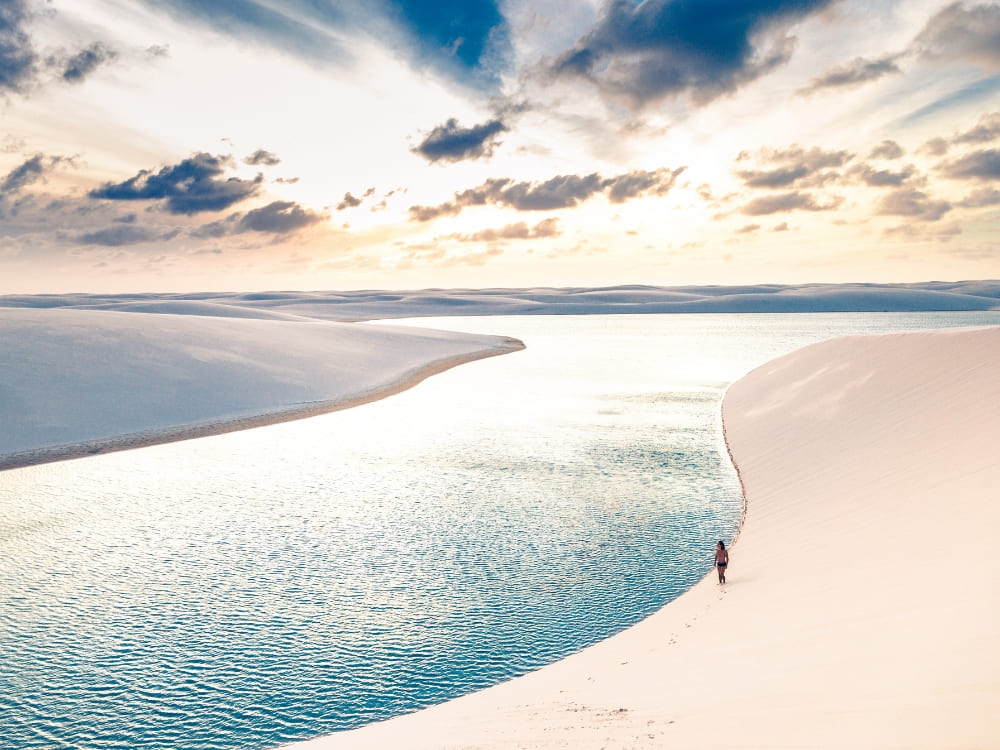
.
Why visit in March?
March is a good time to visit as the rainy season is in full swing. The lagoons are getting fuller and the scenery becomes more striking. It’s also a great for hiking, with pleasant temperatures and fewer tourists around.
Lençóis Maranhenses in April
Temperatures range from 25–30°C (77—86°F). Be prepared for hot weather accompanied by a gentle breeze. Although the lagoons are not yet at their fullest, April offers the first opportunity of the year to really swim in emerging bodies of water.
The pleasant weather creates the perfect setting to explore the region, allowing travelers to enjoy trails and tours comfortably.
Why visit in April?
Trekking and all sorts of outdoor fun are excelent activities during this month. Enjoy Lençóis without getting overheated or caught in too much rain!
👉 Read more: 10 Facts About the Lençóis Maranhenses
Lençóis Maranhenses in May
In May, the intense rainfall subsides—though it’s still possible to face some quick storms. The weather is warm, the humidity is high, and countless lagoons are fully formed along the dunes, ready to welcome visitors.
Despite this, it’s only the beginning of the high season, which means the park is still relatively empty. Therefore, May is considered by many to be the best time to visit Lençóis Maranhenses.

.
Why visit in May?
With less rain and lagoons completely full, May is an excellent month to book your trip due to lower tourist traffic and considerably lower prices. Wonderful time for all main activities in Lençóis, like trekking and swimming!
Lençóis Maranhenses in June
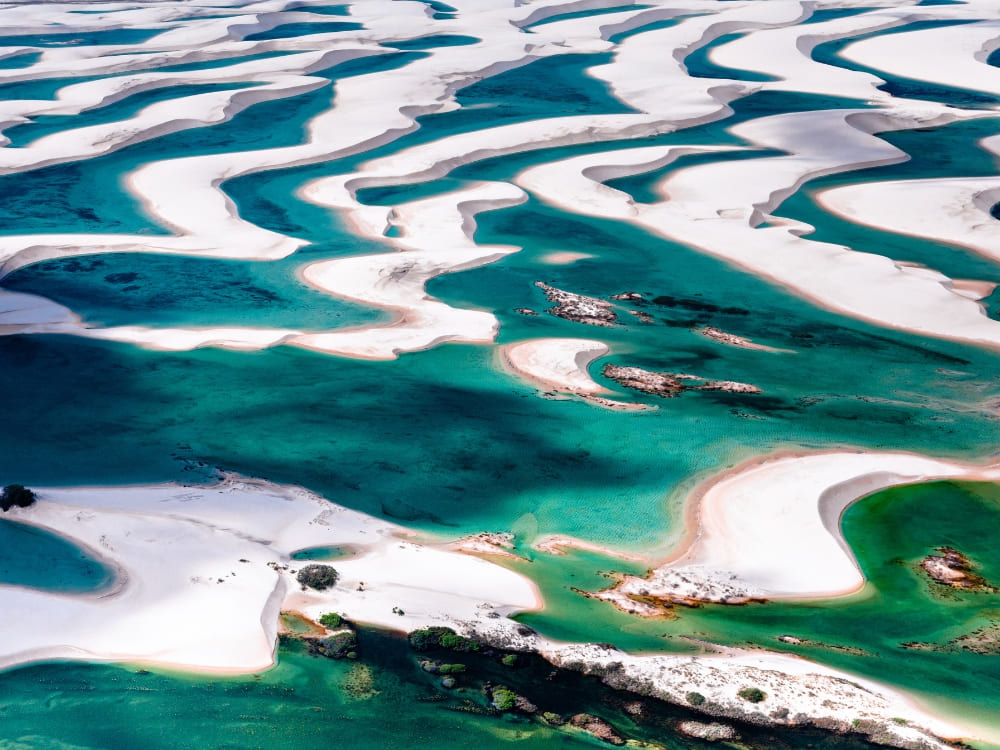
June is a winter month in Brazil, but this is when Lençóis Maranhenses shines the brightest. Warm weather, less humidity, small chances of rain, vibrant blue sky, entirely full lagoons—everything you need for an unforgettable experience!
As the high seasons advances, the national park becomes busier, but it’s nothing that will negatively affect your trip.
.
Why visit in June?
The lagoons are at their prime and the weather is fairly stable in June. It’s a fantastic time for swimming, boat tours across Preguiças River, and trekking.
Lençóis Maranhenses in July
Temperatures maintain an average of 31°C (88°F) during the day and 24°C (76°F) at night. Less humid and with a modest chance of rain, July preserves the fantastic conditions to enjoy Lençóis.
Why visit in July?
The high season is booming in July due to Brazil’s school break. The atmosphere is beautifully lively, but it still provides moments of relaxation for visitors who need some well-deserved rest—especially in Atins and Santo Amaro, the quietest base cities of the national park.
👉 Read more: How to get to Lençois Maranhenses?
Lençóis Maranhenses in August
It’s still high season in August, but the park is less crowded since the school break is over. The weather in Lençóis Maranhenses is warm — 32°C (90°F) — and there’s very little chance of rain, so it’s a great time to cool off in the lagoons and join boat rides.
August is also when kitesurfing season starts to boom. Atins Beach welcomes tourists from all over the world, who adorn the bright sky with colorful kites.
Why visit in August?
August is lively yet slightly less crowded than July, despite being the high season. It’s a great time to enjoy everything Lençóis Maranhenses has to offer and maybe take on a few kitesurfing lessons at Atins Beach!
Lençóis Maranhenses in September
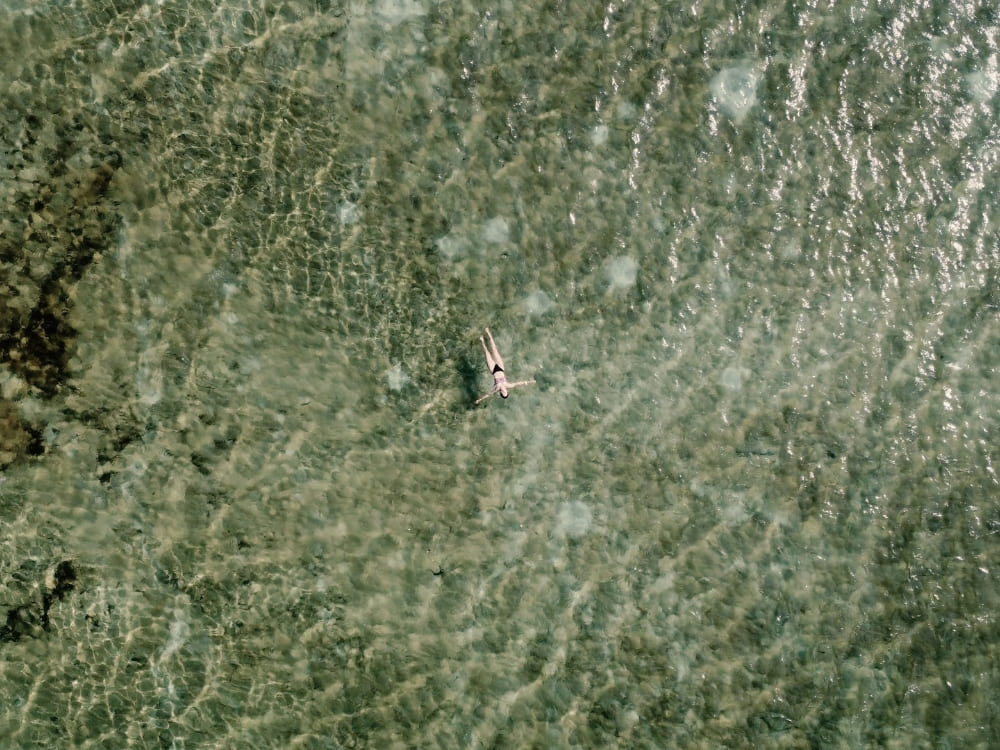
September is still considered one of the best times to visit Lençóis Maranhenses. The weather is hot, humidity is low, chances of rain is almost zero, and the park is even less crowded.
.
Why visit in September?
This month offers a unique perspective of the park. As the low season approaches, you can explore the vast sand dunes in a more serene setting, away from the usual crowds. It’s your last chance to see lagoons completely full!
Lençóis Maranhenses in October
The weather is warm and dry, which means the lagoons are getting smaller. The national park is even less crowded, as October marks the beginning of the low season.
Why visit in October?
While the lagoons are not at their highest level, they’re still full enough for a refreshing swim. October is quieter and more peaceful, perfect for relaxing hikes, nature contemplation, and mingling with locals.
Lençóis Maranhenses in November
November brings a temperature range between 26–32°C (78–90°F), accompanied by moderate winds. This is when the park is almost empty, as the lagoons get smaller and some even disappear.
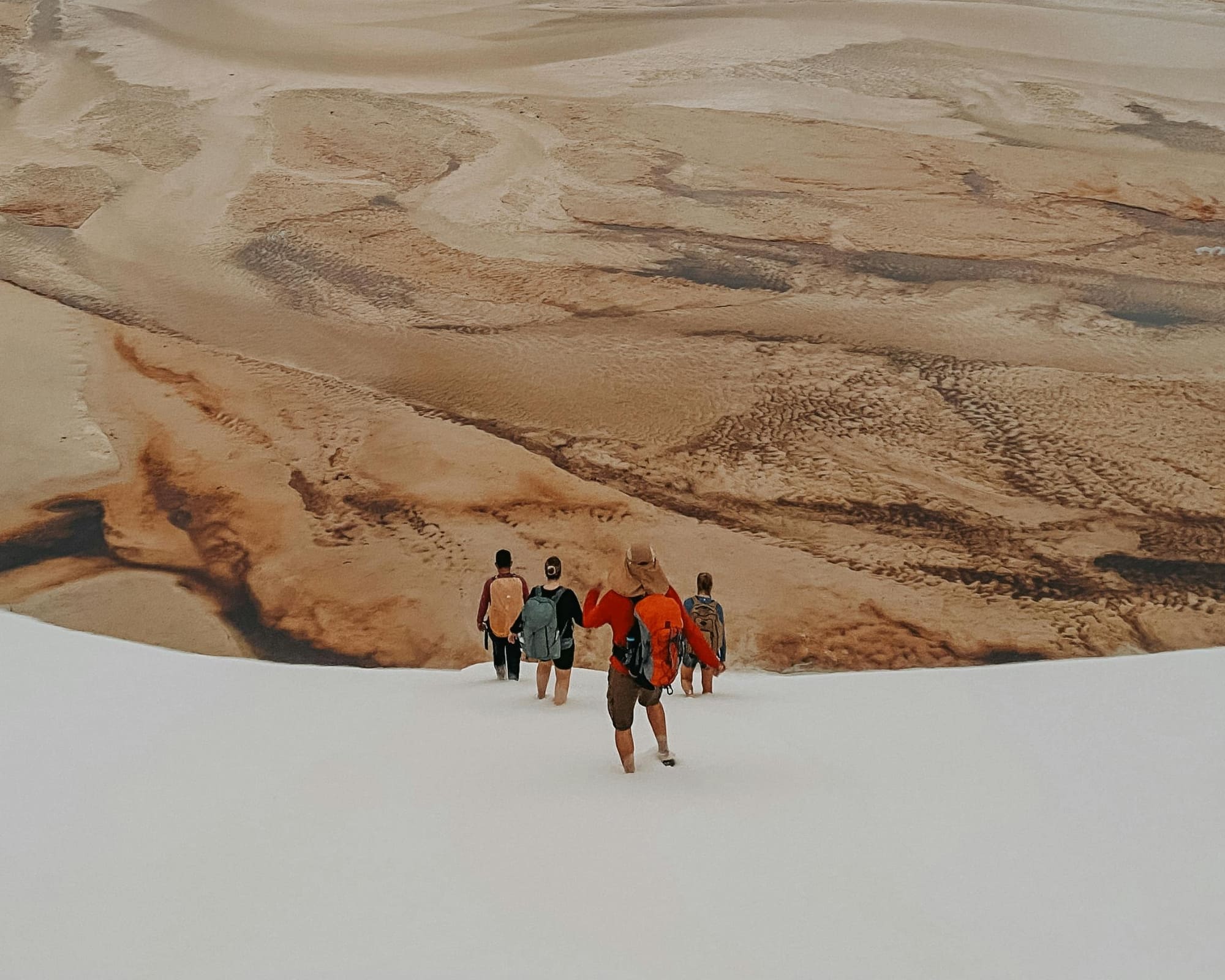
Photo: Glauco de Souza Santos
Why visit in November?
With fewer people around and a pleasant breeze, November is a fantastic time for those looking to experience the park’s natural beauty in a more laid-back way. It’s a particularly good time for trekking and appreciating the sand dunes’ beauty.
Lençóis Maranhenses in December
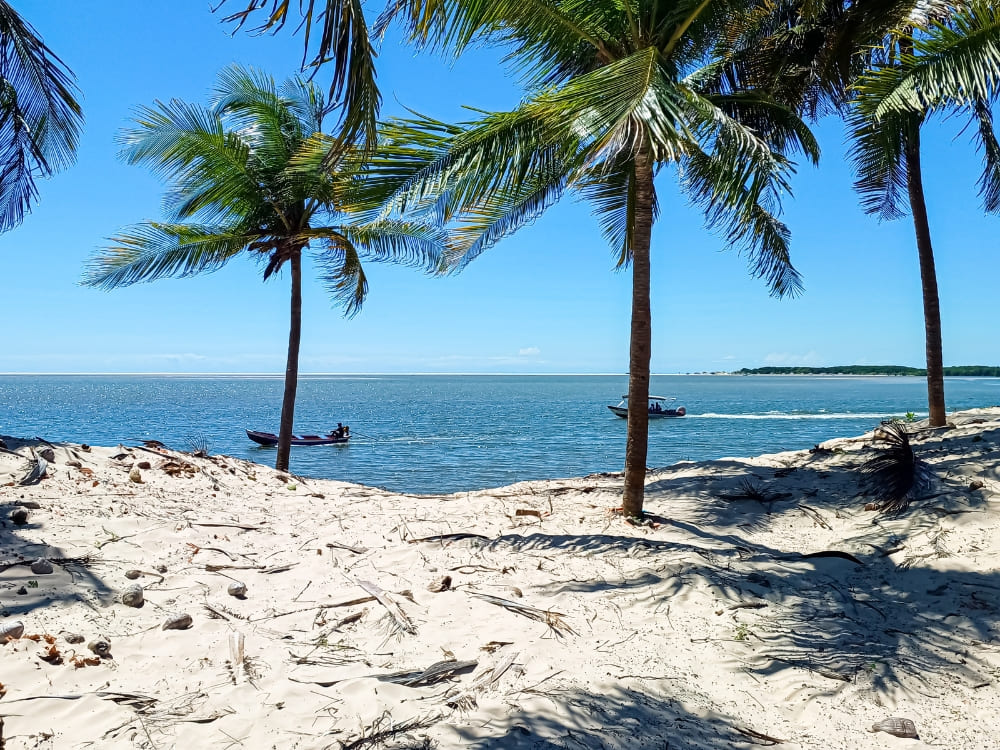
It’s hard to find lagoons in December, but some remain in Santo Amaro. Travelers who want to cool off can enjoy the sea and try on some kitesurfing at Atins Beach, as the temperatures are hot and the days are fairly windy.
.
Why visit in December?
Although the lagoons are almost completely dry, December is a good month for people who want to go hiking and enjoy the park with less tourist traffic before the rainy season. Despite the drought, Santo Amaro and Atins Beach are great places for water activities.
Explore the sand dunes and lagoons of Lençóis Maranhenses National Park with PlanetaEXO
As you could see, the best time to visit Lençóis Maranhenses depends on what you’re looking for, as the park offers opportunities for incredible experiences even when the iconic lagoons are not at their fullest.
PlanetaEXO, an ecotourism platform specializing in Lençóis Maranhenses tours, helps you with everything you need for an unforgettable trip, including choosing the adequate time period, tailor-made itineraries, accommodation, transfers, etc. Contact us now!